Lets Have Pets | Full-Stack Mobile App Development

Devowise Studios


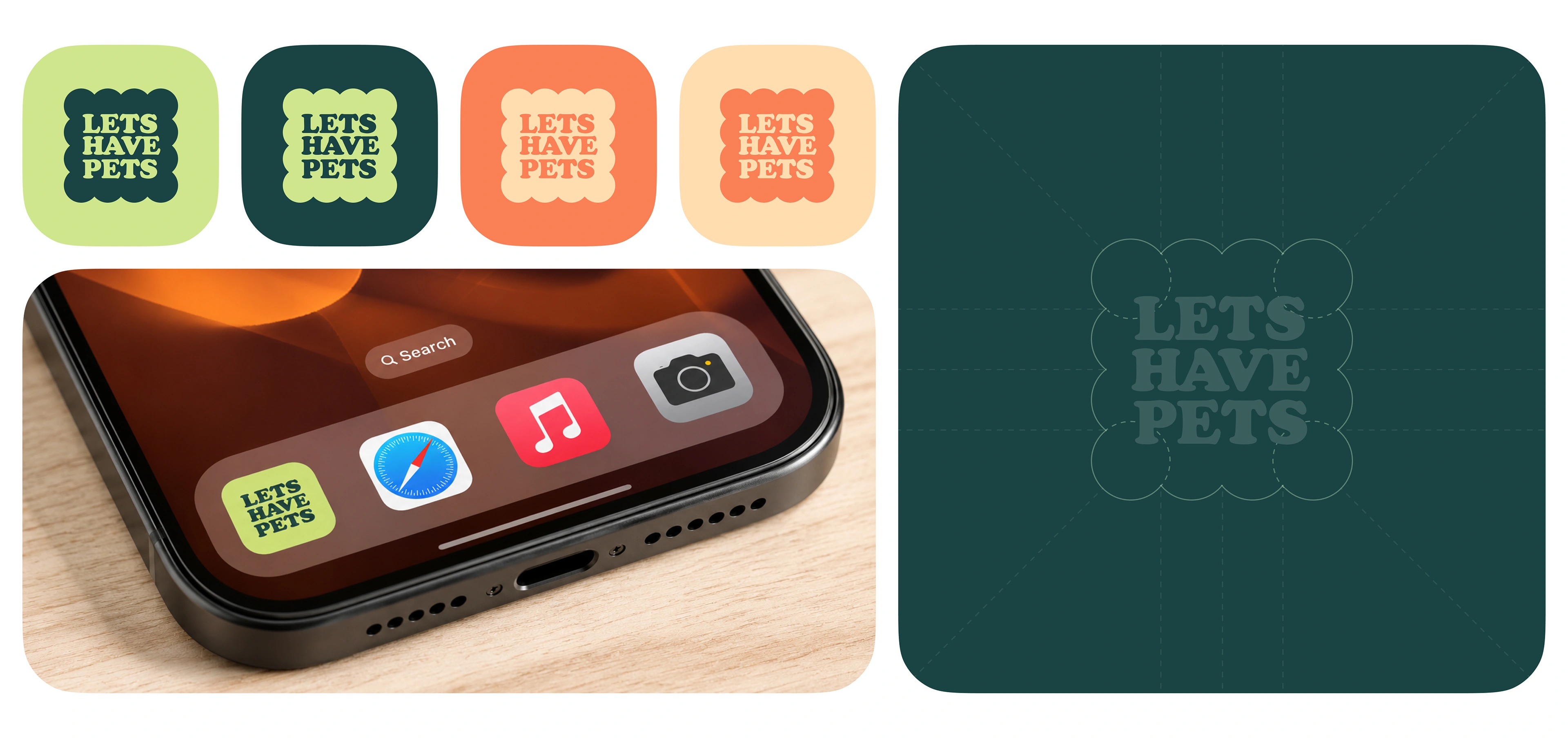
Lets Have Pets
Full-Stack Mobile Application
Project Overview
Lets Have Pets is a mobile platform created around the pet-care experience, bringing pet owners, pet information, and related services into a single digital product.
The project involved taking the product from its initial concept and interface designs through full-stack mobile development and production launch.
As the Full-Stack Developer, I worked across the mobile frontend, backend architecture, API integration, data management, authentication, application logic, testing, optimization, and deployment.
The application was ultimately launched for both iOS and Android, providing a cross-platform experience for mobile users.
The Challenge
The goal was to build more than a collection of attractive mobile screens. The application needed to function as a connected product where users could create accounts, manage their information, interact with pet-related content, and access the platform's functionality from their mobile devices.
This required multiple systems working together:
Mobile application
User authentication
User profiles
Pet profiles
Backend services
APIs
Database
Application state
Data validation
Error handling
Production deployment
One of the main development challenges was creating a structure where the frontend, backend, and data layer could communicate reliably while remaining flexible enough to support additional features in the future.
My Role
I worked as the Full-Stack Developer, handling the product across both the client and server sides.
My responsibilities included:
Mobile application development
Frontend architecture
Backend development
API development and integration
Database architecture
Authentication
User management
Pet profile functionality
Application state management
Form validation
Error handling
Performance optimization
Testing
Production builds
iOS deployment
Android deployment
Product Architecture
The application was structured using a layered architecture:
Mobile App → API Layer → Backend → Database
The mobile application is responsible for the user experience and interaction layer.
The API layer provides communication between the application and server.
The backend handles business logic, authentication, permissions, and data processing.
The database provides persistent storage for users, pets, services, and other application information.
Keeping these layers separated makes the product easier to maintain and gives the backend the flexibility to support future applications or services.
Mobile Frontend Development
The mobile application was developed with a reusable component-based approach.
Rather than treating every screen as an isolated interface, common functionality was organized into reusable components and modules.
These included:
Navigation
Profile sections
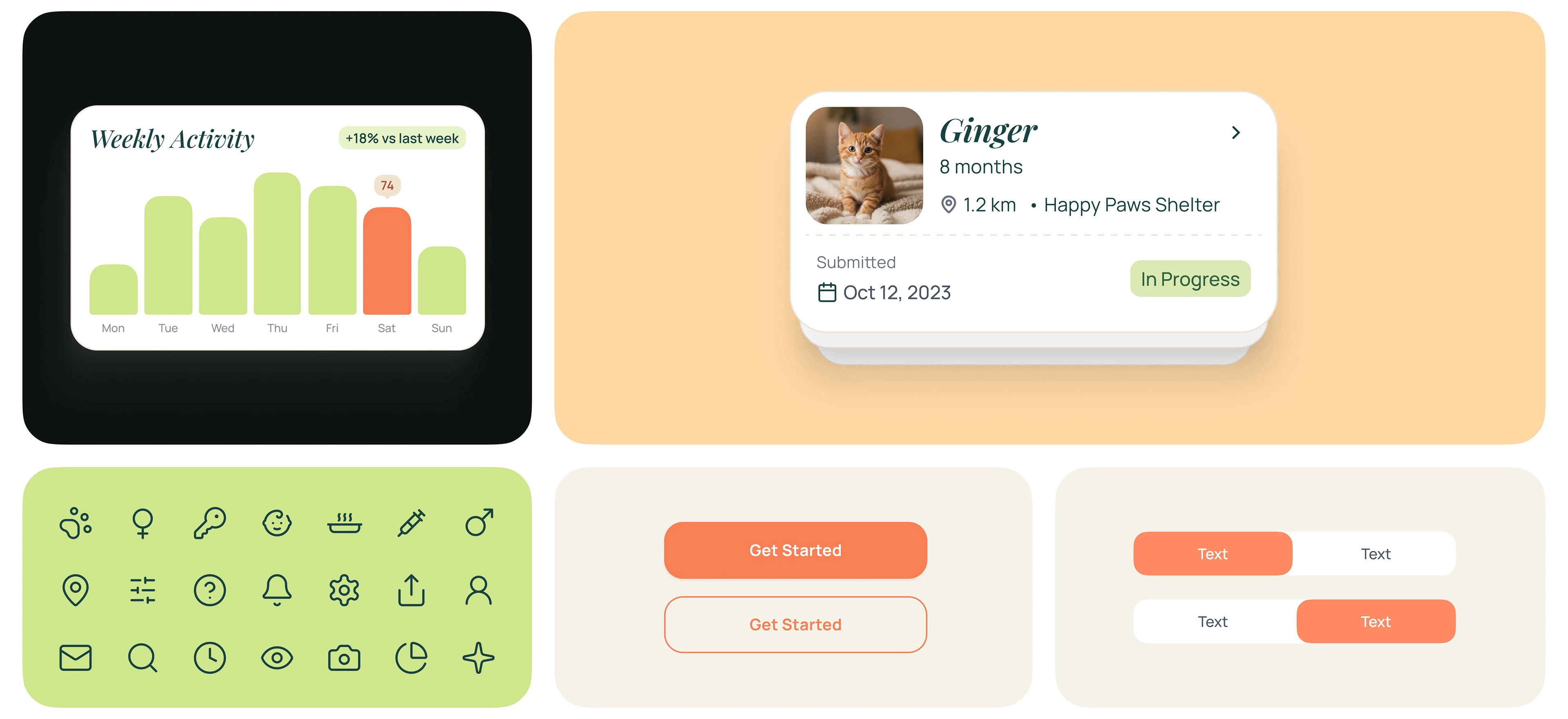
Pet cards
Service cards
Forms
Buttons
Input fields
Content sections
Interactive elements
Loading states
Empty states
Error states
This approach reduced duplicated code and helped maintain consistent behavior throughout the application.
Mobile Navigation
The application was organized around the primary journeys a pet owner would take inside the product.
Navigation was designed to make important areas accessible without creating unnecessary complexity.
The architecture accounted for transitions between:
Authentication
Main application
User profile
Pet information
Services
Content
Account-related sections
Application state was preserved where necessary so users could move through the product without losing their current context.
User Authentication
Authentication was implemented as a core part of the application.
The system handles the user's access to personalized functionality while keeping account-specific information protected.
The authentication flow includes:
Account registration
Login
Logout
Session management
Protected requests
User identification
Account-specific data
The mobile client communicates with the backend during authentication, allowing the server to validate credentials and establish the appropriate user session.
User Profiles
Users have personalized profiles containing their account information and relevant application data.
The profile architecture was designed so information could be retrieved and updated through backend APIs rather than being stored directly inside the mobile application.
This allows changes made by users to remain synchronized with the backend.
Profile functionality can include:
Personal information
Profile image
Account details
User preferences
Pet information
Activity-related information
Pet Profiles
Pet information is a central part of the product.
The application allows pet-related information to be associated with a specific user account rather than treating it as independent static content.
The data structure can support information such as:
Pet name
Pet type
Breed
Age
Images
Basic information
Care-related information
The frontend provides the interface for viewing and updating this information, while the backend manages persistence and validation.
Backend Development
The backend acts as the central processing layer for the application.
It is responsible for handling:
Authentication
User accounts
Pet information
Application data
Business logic
API requests
Data validation
Permissions
User-specific operations
Instead of allowing the mobile application to directly interact with the database, requests are processed through backend services.
This provides greater control over application logic and data security.
API Architecture
The mobile application communicates with backend services through APIs.
The API layer handles requests such as:
User authentication
Retrieving profiles
Creating pet profiles
Updating pet information
Retrieving application content
Updating user information
Submitting forms
Retrieving user-specific data
A structured API architecture also makes it possible to extend the product later without rebuilding the entire mobile application.
Database Architecture
The database was designed around the core entities of the application.
The architecture can be organized around relationships between:
Users
Pets
Profiles
Services
Categories
Requests or bookings
Preferences
Media
Application records
For example, a user can have multiple pets, while each pet remains associated with its owner.
This relational approach keeps data organized and allows the application to retrieve the correct information for each authenticated user.
Application State Management
State management was important because information can change throughout the user's session.
For example, when a user creates or updates a pet profile, the change needs to be reflected across the relevant parts of the application.
The application separates temporary interface state from persistent backend data.
This allows interactions to feel immediate while keeping the server-side data synchronized.
Forms & Data Validation
Forms were implemented with validation at both the mobile and backend levels.
Frontend validation provides immediate feedback when users enter incomplete or invalid information.
Backend validation provides an additional layer of protection by validating incoming requests before they are processed or stored.
This approach helps maintain consistent and reliable application data.
Error & Loading States
The application was designed to handle real-world conditions rather than assuming every request will succeed.
Dedicated states were created for:
Loading
Empty content
Failed requests
Network errors
Invalid input
Authentication failures
Missing data
This ensures that users receive appropriate feedback instead of encountering blank screens or broken application flows.
Performance Optimization
Performance was considered throughout the development process, particularly because the product was designed for mobile devices.
Optimization focused on:
Reusable components
Efficient API communication
Optimized assets
Efficient rendering
Reduced unnecessary state updates
Structured backend requests
Responsive navigation
Efficient data handling
The goal was to maintain a smooth experience across different mobile devices and network conditions.
Security
Security was considered across the complete application stack.
User-specific functionality is protected through authentication and authorization.
Backend validation ensures that incoming requests are checked before information is created, updated, or retrieved.
The mobile application does not directly control database operations, keeping sensitive business logic and data operations on the server side.
Testing
Testing was performed across the main application journeys before production release.
The testing process covered:
Registration
Login
Logout
Profile management
Pet profile creation
Pet profile updates
Navigation
API communication
Form validation
Loading states
Empty states
Error handling
Different mobile screen sizes
The goal was to identify both functional issues and mobile-specific interface problems before launch.
Cross-Platform Development
A major part of the project was ensuring that the application could provide a consistent experience across both major mobile ecosystems.
The application was prepared and tested for:
iOS
The iOS build was configured and prepared for production distribution, with attention to device compatibility, application behavior, and release requirements.
Android
The Android build was similarly prepared for production, ensuring that the application functioned correctly across different Android devices and screen sizes.
Maintaining a shared codebase where possible helped keep the two platforms aligned while accounting for platform-specific requirements.
Deployment
After development and testing, the application was prepared for production release.
The deployment process included:
Production configuration
Environment setup
Release builds
Final application testing
Platform-specific configuration
Store submission preparation
Production deployment
The application was successfully launched on both iOS and Android.
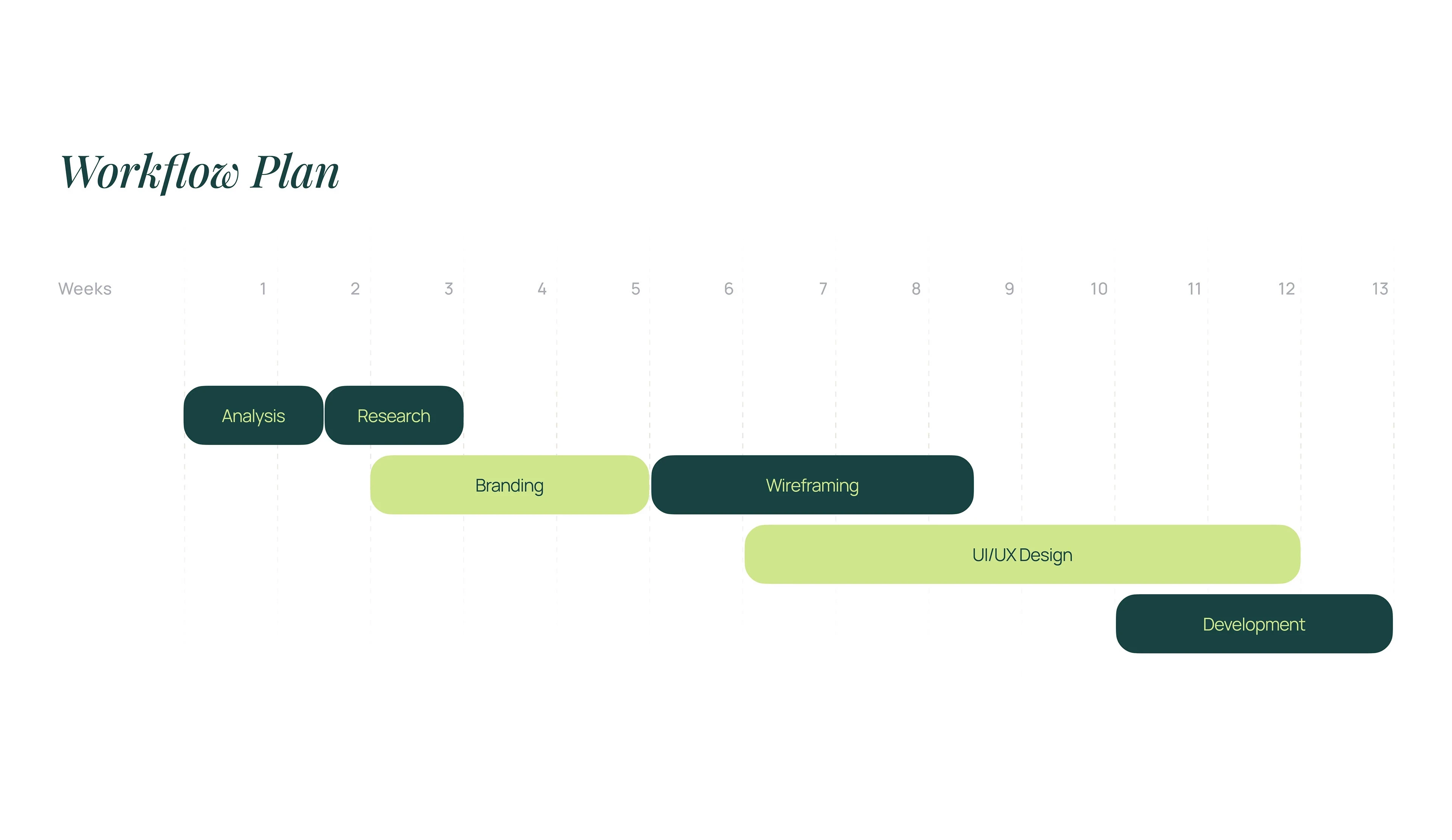
Development Workflow
01 — Product Analysis
Reviewed the product requirements, user journeys, application structure, and mobile screens.
02 — Technical Planning
Defined the application architecture and separated the frontend, backend, API, and database responsibilities.
03 — Frontend Development
Built the mobile interface using reusable components and implemented the primary user flows.
04 — Backend Development
Developed the server-side logic, authentication, data processing, and application services.
05 — Database & APIs
Structured the application's data and connected the mobile frontend with backend APIs.
06 — Integration
Integrated the different layers and tested real user journeys using connected application data.
07 — Testing & Optimization
Tested functionality, error states, performance, navigation, and cross-platform behavior.
08 — Production Launch
Prepared production builds and successfully launched the application for iOS and Android.
Technology Stack
The exact technology names should reflect the tools actually used on the project. From a development perspective, the stack covered:
Mobile
Cross-platform mobile development
Reusable UI components
Mobile navigation
State management
Frontend
Component-based architecture
API integration
Form handling
Client-side validation
Backend
Server-side application logic
REST APIs
Authentication
Authorization
Data validation
Database
User data
Pet data
Application records
Relationships between entities
Development
Git / GitHub
API testing
Debugging
Production builds
Deployment
iOS production release
Android production release
Cloud/backend deployment
Outcome
Lets Have Pets was taken from product concept and mobile interface through full-stack development and into a live production application.
The project brought together the mobile frontend, backend services, APIs, authentication, database architecture, application logic, testing, optimization, and deployment into one connected product.
The final application was successfully launched on iOS and Android, giving users access to the platform across both major mobile ecosystems.
Final Takeaway
The Lets Have Pets project demonstrates my approach to building complete mobile products rather than focusing only on the interface.
As a Full-Stack Developer, I worked across the entire development lifecycle, from structuring the application and building the mobile experience to developing backend services, connecting APIs, managing data, testing the product, and taking the final application through production launch.
The result was a scalable mobile foundation capable of supporting the current product while leaving room for future features, services, integrations, and platform growth.
Like this project
Posted Sep 23, 2026
Full-stack mobile app developed for iOS and Android, featuring user and pet profiles, backend APIs, authentication, data management, and scalable architecture.