Women's Nutrition: Building a Balanced Diet for Optimal Health

Said Qabbaah


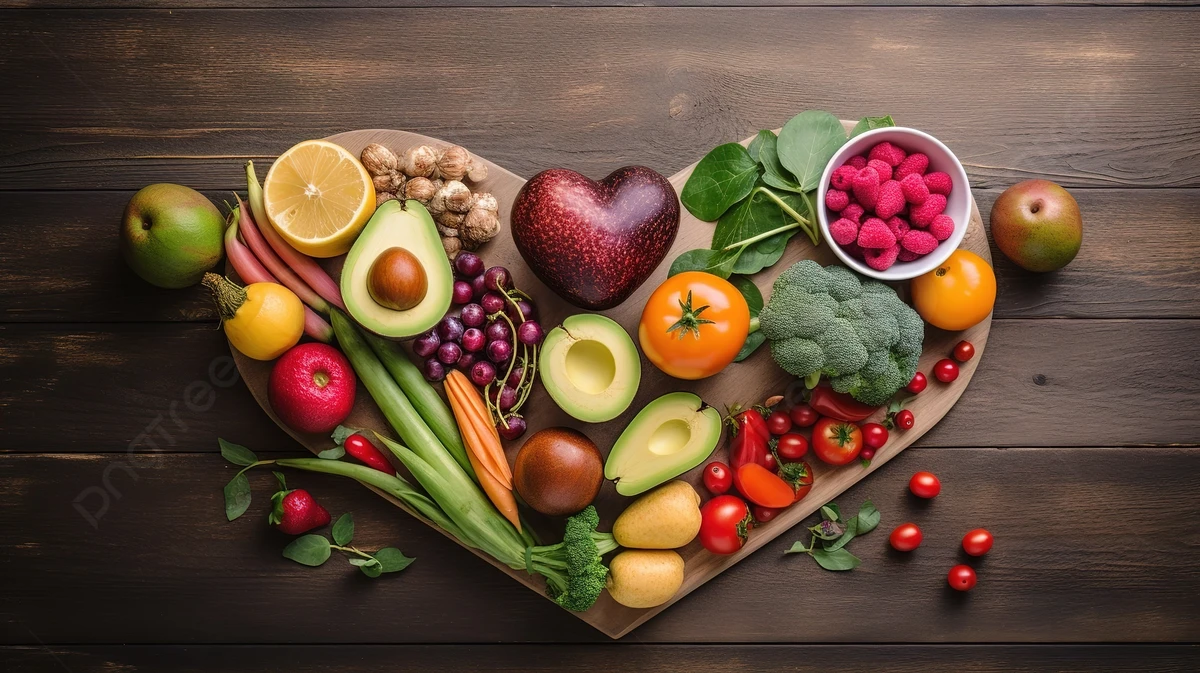
Nutrition is a cornerstone of good health. For women, specific dietary needs change over time based on different factors, such as age, lifestyle, and general health. Building a balanced diet tailored to these unique requirements is essential for physical and mental health, as well as overall wellbeing.
Here, we'll explore essential nutrients for women, how to achieve a balanced meal, and practical tips for maintaining a healthy diet.
The Importance of a Balanced Diet
A balanced diet provides the body with crucial nutrients to function efficiently. For women, hormonal fluctuations, reproductive health, and susceptibility to certain conditions, like osteoporosis or anaemia, make nutrition particularly important.
A diet rich in fruits, vegetables, wholegrains, lean proteins, and healthy fats can help prevent chronic diseases, boost energy, and maintain a healthy weight.
Key Nutrients for Women's Health
Iron: This is vital for producing haemoglobin, a protein in red blood cells that carries oxygen throughout the body. Women of childbearing age need more iron due to menstrual blood loss that occurs every month.
Iron-rich foods are mainly found in:
Liver and red meat
Certain types of beans (e.g., red kidney beans or chickpeas)
Dried fruit (e.g., dried apricots) and nuts
Fortified breakfast cereals
Spinach and lentils
Pairing iron-rich foods with vitamin C, such as citrus fruits or bell peppers, enhances iron absorption in the body.
Calcium and Vitamin D: Strong bones require calcium, and vitamin D helps the body absorb it. Women are at a higher risk of osteoporosis, especially post-menopause, making these nutrients essential.
Good sources of vitamin D include:
Fortified dairy products and cereals
Oily fish (e.g., salmon or sardines)
Leafy greens (e.g., kale or broccoli)
Red meat and liver
Folate (Folic Acid): This nutrient is essential for DNA production and cell division. It is especially critical during pregnancy to prevent neural tube defects, which are developmental abnormalities of the fetus affecting the brain and spinal cord. Sources include:
Leafy greens and citrus fruits
Liver and eggs
Beans and nuts
Omega-3 Fatty Acids: They promote health of the brain and heart, and help reduce inflammation, among many other health benefits. Omega-3’s are mainly found in:
Fatty fish (e.g., salmon, mackerel, or sardines)
Shellfish (e.g., oysters, mussels, or crab)
Certain seeds (e.g., chia seeds or flaxseeds)
Fortified foods
Protein: This is the building block of muscles, skin, and hair. Women should include a variety of proteins in their diet to ensure adequate intake, that includes:
Lean meats and seafood
Eggs and milk
Certain beans (e.g., lentils or chickpeas) and nuts (e.g., peanuts)
Greek yoghurt and some kinds of cheese
Fibre: This supports digestive health and helps regulate blood sugar and cholesterol levels, in addition to helping in weight management. Aim for foods like:
Wholegrains (e.g., oats or quinoa)
Fruits (e.g., apples or berries)
Vegetables (e.g., carrots or sweet potatoes)
Legumes (e.g. kidney beans or lentils)
Nuts and seeds (e.g., almonds and pumpkin seeds)
A Balanced Healthy Diet
A balanced plate includes a variety of food groups in proper proportions. The following is a general guide that you can use to better organise your daily dietary intake:
Half the plate: Non-starchy vegetables (spinach, broccoli, carrots)
One-quarter of the plate: Lean protein (grilled chicken, tofu, fish)
One-quarter of the plate: Wholegrains or starchy vegetables (brown rice, sweet potatoes)
In addition, try to add a serving of healthy fat (avocado, olive oil, nuts).
If you're a picky eater, like many people, try experimenting with new recipes and spices to make healthy foods more appealing.
Planning meals ahead can help ensure access to nutritious options, even on busy days. When you're short on time, try simple recipes or make extra food to save time later.
For snacks, try choosing healthier alternatives such as nuts, yoghurt, or fruit instead of chips or sugary options. Always read food labels to check for hidden sugars and sodium in packaged items.
It's also important to be mindful of portion sizes, as even healthy foods can contribute to weight gain if consumed in excess. Finally, limit alcohol and caffeine, as moderation is key to preventing dehydration and other health issues.
Tailored Nutrition for You
Remember that nutrition should be tailored to different life stages. For instance, during the teenage years, marked by rapid growth and development, the need for iron, calcium, and protein increases. Also, encouraging healthy eating habits and limiting processed foods is crucial during this time.
In their 20s and 30s, women may require additional folate if planning for pregnancy, while iron and calcium remain essential.
Post-menopausal women experience hormonal changes that can lead to bone loss, making calcium and vitamin D vital. Additionally, focusing on heart-healthy foods, such as omega-3-rich fish and nuts, becomes increasingly important.
Hydration Matters
Staying hydrated is often overlooked but is essential for good health. Women should aim to drink around 10 cups of water daily, increasing intake when they are physically active, exposed to hot temperatures, or pregnant.
In addition to plain water, other beverages and water-rich foods can contribute to meeting hydration needs.
Supplements: Are They Necessary?
While a balanced diet is the best source of nutrients, some women may benefit from supplements, especially if dietary restrictions or medical conditions limit nutrient intake. Consult a healthcare provider before starting supplements, such as:
Iron for anaemia
Summary
A well-balanced diet tailored to a woman’s specific needs can enhance overall health and prevent many common health issues. By focusing on nutrient-rich foods, staying hydrated, and practising mindful eating, a woman can take proactive steps towards achieving optimal health at every stage of her life.
To access the magazine/newspaper version, click the file or link below:
Like this project
Posted Oct 9, 2025
For women, building a balanced diet tailored to unique requirements is essential for physical and mental health, as well as overall wellbeing.