Parkinson’s Disease: Causes, Symptoms, and Stages

Said Qabbaah


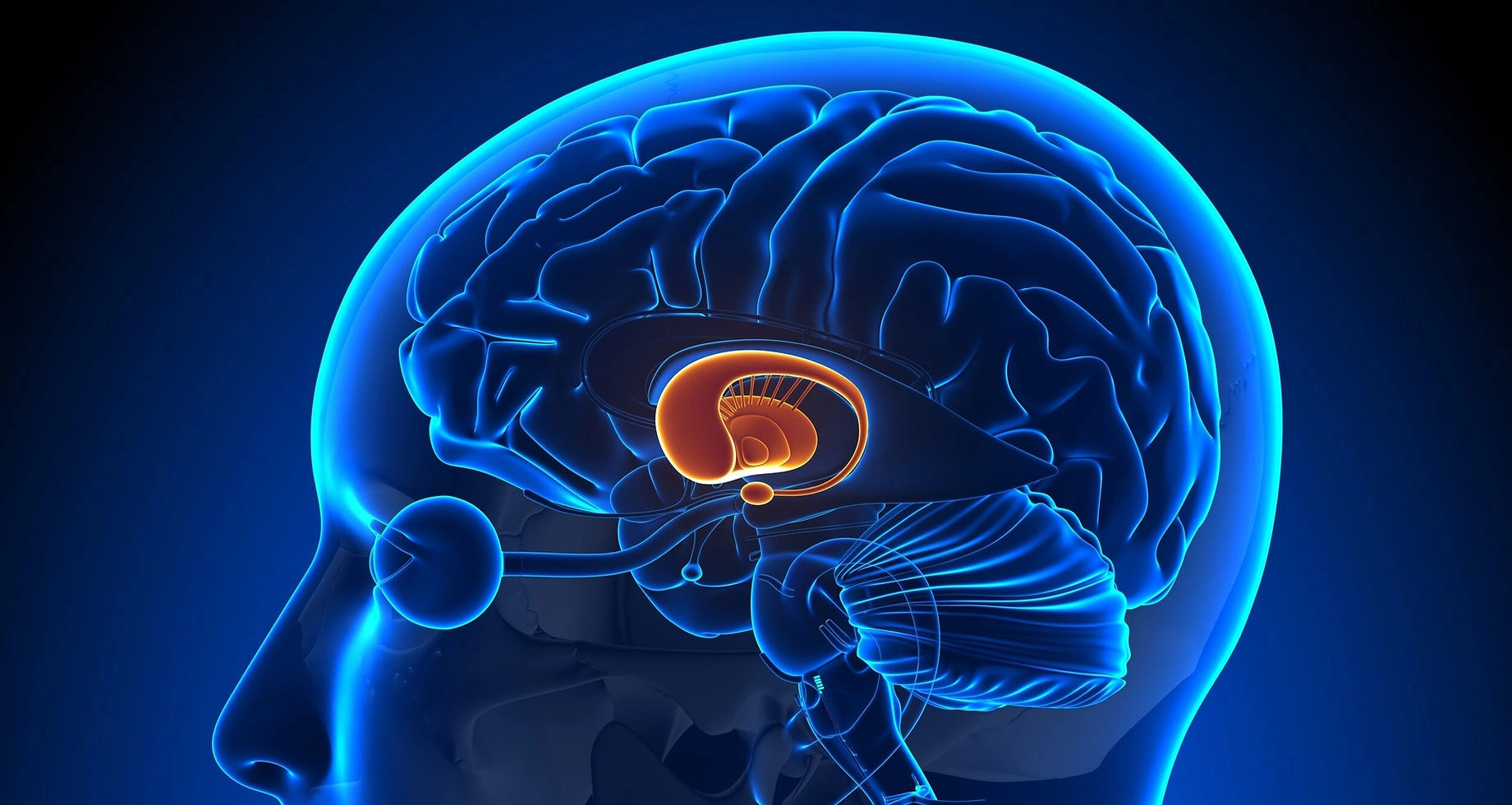
Parkinson's disease, a long-lasting condition that gradually causes damage to the brain and nerves, is one of the most common conditions affecting the nervous system, with millions of people worldwide living with the disease.
The condition primarily affects movement and typically worsens over time, often significantly impacting daily activities. Understanding its causes, symptoms, and stages is therefore crucial for effectively managing Parkinson's disease in those affected and improving their quality of life.
What Are the Causes?
Parkinson's disease occurs when the brain cells that produce dopamine, a chemical in the brain that helps control muscle movement, begin to deteriorate or die, leading to its classic symptoms.
While the exact cause of this debilitating condition remains unknown, it is believed to result from a combination of genetics, environmental factors, gender, and the natural aging process.
Common Symptoms
Parkinson’s disease causes a variety of symptoms that primarily affect motor function (movement) but can also impact other aspects of a person’s life. Symptoms develop gradually and often become more severe over time.
Motor symptoms are the most noticeable and disabling features of Parkinson’s disease and usually include:
Tremors: A characteristic shaking or trembling, often beginning in one hand, is one of the hallmark symptoms of Parkinson’s. This tremor is most noticeable when the hand is at rest and may decrease or disappear with voluntary movement.
Slowness of movement: Individuals with Parkinson’s disease often experience a slowing down of voluntary movements. Tasks that once seemed simple, such as buttoning a shirt or brushing teeth, can become difficult and time-consuming.
Muscle rigidity: Muscle stiffness is another common symptom. This can make it challenging for individuals to move their limbs freely and may cause discomfort or pain.
Poor balance: Parkinson’s can affect balance, leading to difficulty standing or walking, putting the affected person at a higher risk of falls.
Abnormal walking pattern: As the disease progresses, many people develop a distinctive shuffling gait and reduced arm swing while walking, making movement even more challenging.
In addition to the motor symptoms, individuals with Parkinson’s may experience several other symptoms not related to movement, which include:
Mental decline: As Parkinson’s disease progresses, some individuals experience a decline in certain mental functions, including memory problems, difficulty concentrating, and changes in decision-making.
Mood disorders: Negative emotions, including depression and anxiety, are common in people with Parkinson’s disease due to the symptoms and gradual loss of independence.
Sleep problems: People affected by the condition may struggle with different sleep issues, including insomnia.
Disorders of automatic functions: Parkinson’s can interfere with automatic body functions such as blood pressure control, sweating, and digestion. This can lead to issues such as constipation, lightheadedness, and excessive production of saliva.
Speech and swallowing difficulties: As the disease progresses, individuals may experience difficulty with speech and swallowing, increasing the risk of choking and life-threatening lung infections.
Stages of Parkinson’s Disease
Parkinson’s disease usually progresses through five stages, each characterised by the severity of symptoms and the level of disability experienced by the individual. The stages are as follows:
Stage 1: Mild Symptoms
In the first stage of Parkinson’s disease, symptoms are typically mild and may be barely noticeable. Tremors, slight changes in posture, and difficulty with facial expressions may be the first signs. Most individuals can still lead an independent life during this stage, and daily activities are not significantly affected.
Stage 2: Moderate Symptoms
During stage two, symptoms become more obvious, and both sides of the body may be affected. Individuals may begin to experience difficulties with balance, walking, and performing everyday tasks. While they may still be able to live independently, they may require some assistance with daily activities.
Stage 3: Significant Symptoms
In this stage, balance becomes harder to maintain, and individuals are at a higher risk of falling. Movement becomes more difficult, and muscle rigidity, along with slowed movement, can interfere with daily life, often requiring assistance for some tasks.
Stage 4: Severe Symptoms
At stage four, individuals experience severe symptoms, including significant difficulty walking and performing basic tasks. They often require assistance with daily activities, including mobility and personal care.
Stage 5: Advanced Disease
In the final stage, people with Parkinson’s may be unable to stand or walk independently and need full-time care. Severe movement and non-movement symptoms often greatly impact daily life, leading to significant disability.
Summary
While there is no cure for Parkinson’s disease, advances in treatment continue to improve symptom management and quality of life. Early recognition and proactive care can make a meaningful difference, helping individuals maintain independence for as long as possible. As research progresses, there is hope for breakthroughs that could transform the future of Parkinson’s care.
Advances in medicine and science hold the potential not only to manage symptoms more effectively but also to slow or even stop the disease. With continued investment in research and a deeper understanding of this condition, the goal of finding a cure for Parkinson's disease may one day become a reality.
Like this project
Posted Oct 9, 2025
Parkinson's disease is one of the most common conditions affecting the nervous system, with millions of people worldwide living with the disease.