Built with Framer
Tusu Designer Portfolio System Development Case Study

Tarik Eamin


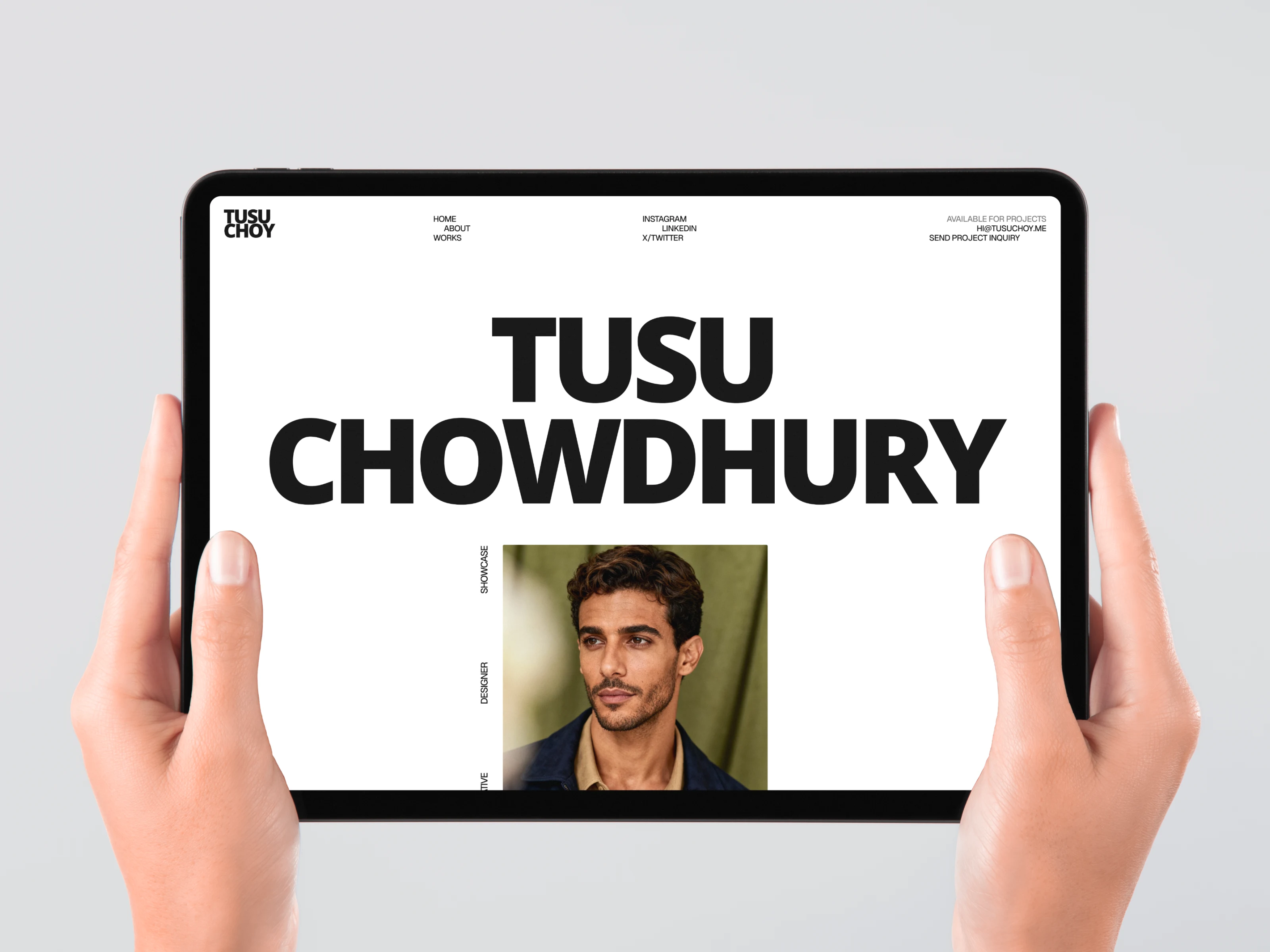
Tusu - Designer Portfolio Website Template
Your portfolio is often the first interaction someone has with your work. Whether you're looking for freelance opportunities, joining a team, or building personal brand, your website needs to communicate more than what you have created. It needs to show how you think, how you solve problems, and why your work creates value.
Tusu is a designer portfolio built for UI/UX designers, product designers, and creative professionals for showcasing work with clarity and confidence. The experience combines project storytelling, personal positioning, and thoughtful UX patterns to help transform portfolio from a simple gallery into a professional communication tool.
The Problem
A designer portfolio is not simply a place to display completed work. It is a decision making experience where someone evaluates whether a designer has the skills, judgment, and problem-solving ability required for a project or role.
The challenge is that design quality alone does not communicate professional value. Two designers may create equally polished interfaces, but the one who clearly explains their thinking, process, and impact is often easier to trust.
Many portfolios create a gap between visual execution and professional credibility. They showcase final screens without providing enough context around the decisions that shaped them. As a result, visitors can see what was created but struggle to understand the designer’s role, reasoning, and ability to solve real problems.
This becomes especially important for independent designers and product designers, where the portfolio often replaces the first conversation with a potential client, hiring manager, or collaborator.
Common challenges include:
The work is visible, but the designer’s thinking is unclear
Portfolios often position designers by aesthetics rather than expertise
Case studies compete with attention limitations
Creative expression can conflict with usability
Screenshots communicate outcomes, but they rarely explain the constraints, decisions, and trade-offs behind those outcomes. Without clear positioning and narrative structure, visitors may remember the visuals but fail to understand the designer’s specific strengths. Hiring managers and clients review multiple portfolios quickly.
Important information needs to be structured so value can be understood without unnecessary effort. Designers want their portfolios to feel unique, but excessive experimentation can make navigation, evaluation, and comparison more difficult.
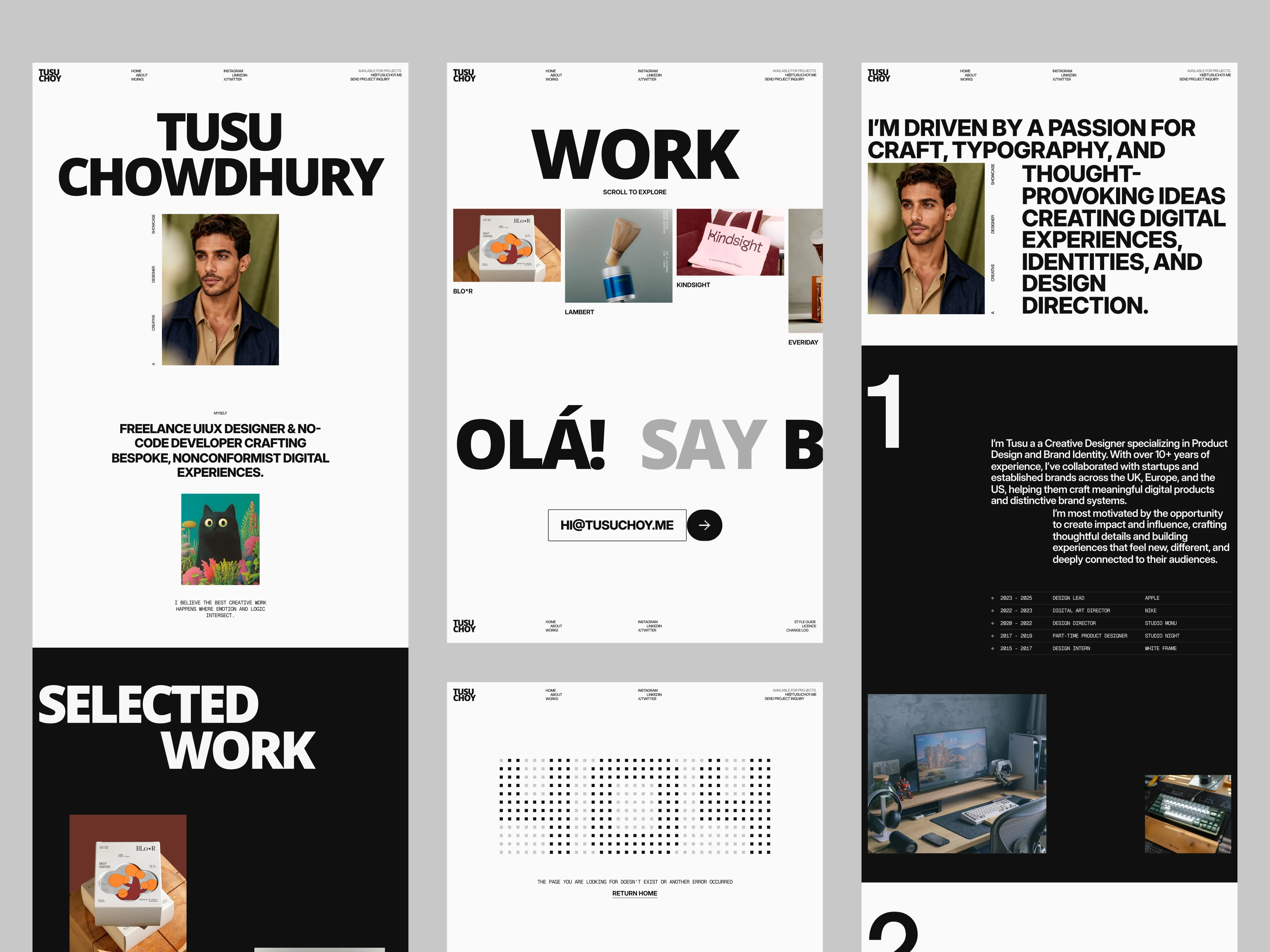
The challenge behind Tusu was to create a portfolio framework that solves this communication gap so that you can show your thinking and decision.
The Goal
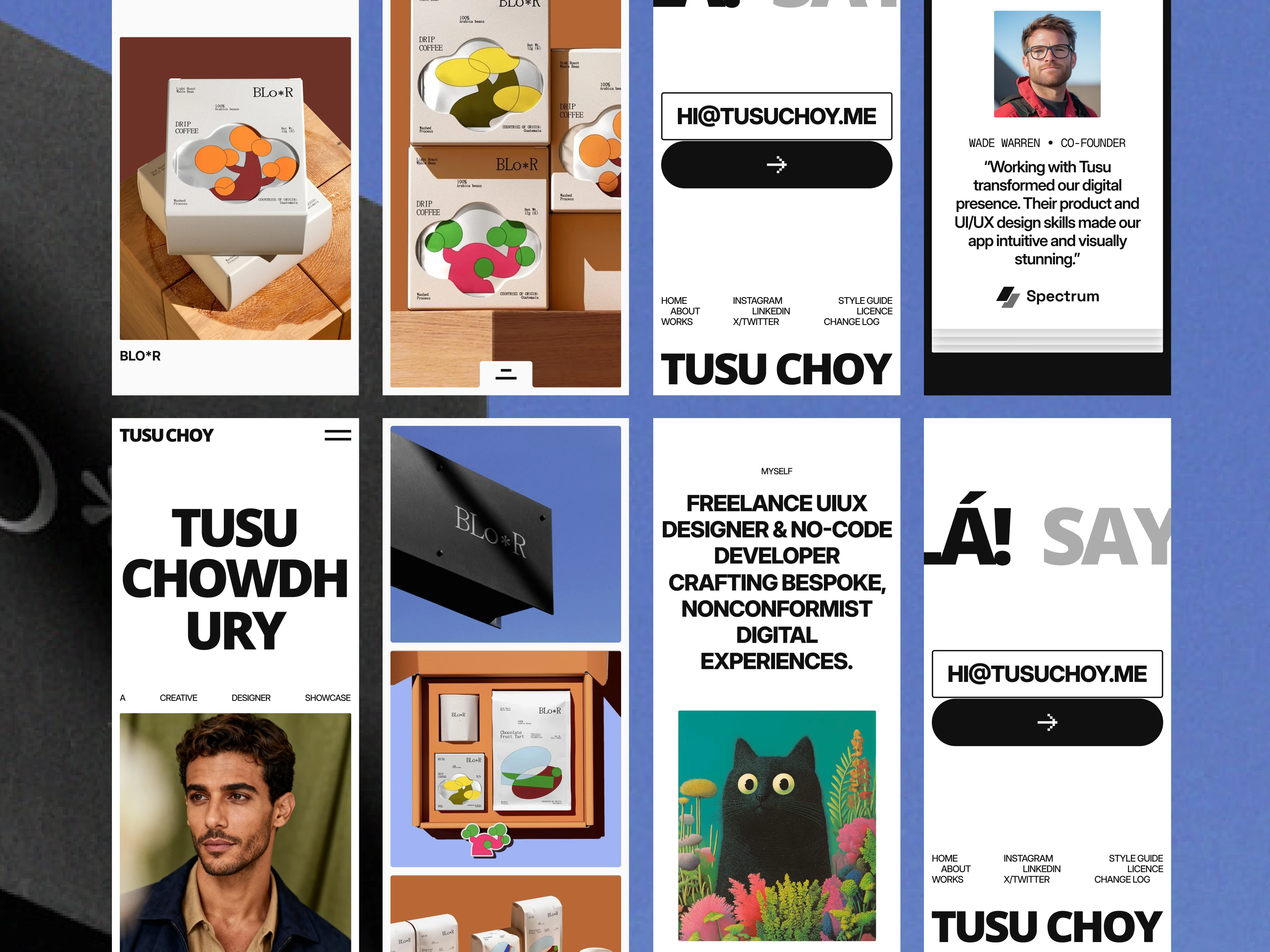
The goal behind Tusu was to create a portfolio system that helps designers present themselves as professionals, not just creators of visual assets. We designed the experience around three core principles:
Clarity - helping visitors quickly understand who you are, what you do, and the type of work you specialize in.
Storytelling - creating space for designers to explain their decisions, process, and contribution behind each project.
Flexibility - providing a foundation that can adapt to different creative disciplines, career stages, and personal branding styles.
Instead of forcing designers into a fixed presentation style, Tusu provides a structured foundation that allows individual personality and expertise to come through.
Target Users & Use Cases
A student designer may need to build credibility for their first opportunity. A freelance designer may need to convince potential clients that they can handle complex projects. An experienced product designer may need a stronger platform to showcase strategic thinking beyond individual screens. Tusu is structured to support these different stages while maintaining the same core purpose.
Primary Users
UI/UX and Product Designers
Freelance Designers and Independent Creatives
Designers Seeking New Opportunities
Common Use Cases
You can use it when creating a:
first professional portfolio,
rebuilding an existing personal website,
transitioning into product design,
or developing a stronger online presence for freelance work.
It works particularly well for designers who want to:
Turn individual projects into structured case studies
Present their design approach alongside visual outcomes
Create a personal brand that feels professional and intentional
Maintain a portfolio that can evolve as their career grows
Tusu provides a flexible foundation that helps different types of designers communicate their unique experience more effectively.
Strategy & UX Thinking
A portfolio website should not only display work. It should guide someone toward understanding the person behind that work. The main UX challenge with designer portfolios is balancing visual impact with meaningful communication. Too much focus on visuals can make a portfolio feel like a gallery, while too much information can make the experience difficult to navigate.
Tusu was structured around a simple principle: great portfolios explain the thinking behind the work, not only the final outcome.
The experience guides visitors through a natural journey. First, they understand the designer’s positioning and expertise. Then they explore selected work with enough context to understand the decisions behind each project. Finally, they gain confidence through experience, skills, and professional information.
The structure intentionally prioritizes:
Clear personal positioning instead of generic introductions
Project presentation that highlights thinking, not only visuals
Simple navigation that reduces friction when exploring work
Strong content hierarchy that allows visitors to quickly understand expertise
This approach helps designers create a portfolio that works as a professional asset rather than a digital image collection.
Design System & Component Logic
You add new projects, update experience, refine their positioning, and sometimes shift your creative focus entirely. Because of this, Tusu was built as a flexible design system rather than a fixed portfolio page.
The structure uses reusable sections and consistent patterns that allow designers to expand their website while maintaining a clear visual and content hierarchy. New case studies, project categories, experience sections, or personal updates can be added without disrupting the overall experience.
This approach benefits designers because their portfolio can grow with their career. A junior designer adding their first case studies and an experienced designer showcasing a decade of work can both adapt the same foundation to their needs.
The goal was to create a system that supports individuality while maintaining professional structure.
Development & Technical Execution
A portfolio website is a direct reflection of the designer behind it. If the experience feels difficult to navigate, slow to load, or complicated to update, it can influence how visitors perceive the quality of the work itself.
Tusu was developed with Framer and Webflow environments in mind, giving designers the flexibility to choose a platform that fits their workflow. The focus was not only on translating the visual design into a functional website, but on creating a system that remains practical for long-term portfolio management.
Designers frequently update their portfolios as they complete new projects, refine their skills, or change their professional direction. Because of this, the development approach prioritizes flexibility and maintainability.
The structure allows users to update projects, modify content, and personalize their website without relying on complex technical changes. The implementation focuses on three important areas:
Responsive experience across devices
Simple content management
Performance-focused interactions
Tusu was built as a long-term professional platform that can continue supporting designers as their careers evolve.
SEO, Performance & Best Practices
Tusu comes with clear content hierarchy and logical page organization so visitors and search engines can better understand your expertise, projects, and professional focus. The implementation focuses on creating a balance between discoverability and user experience. Project pages are structured to communicate meaningful context, while the lightweight approach helps maintain fast performance across devices.
Challenges
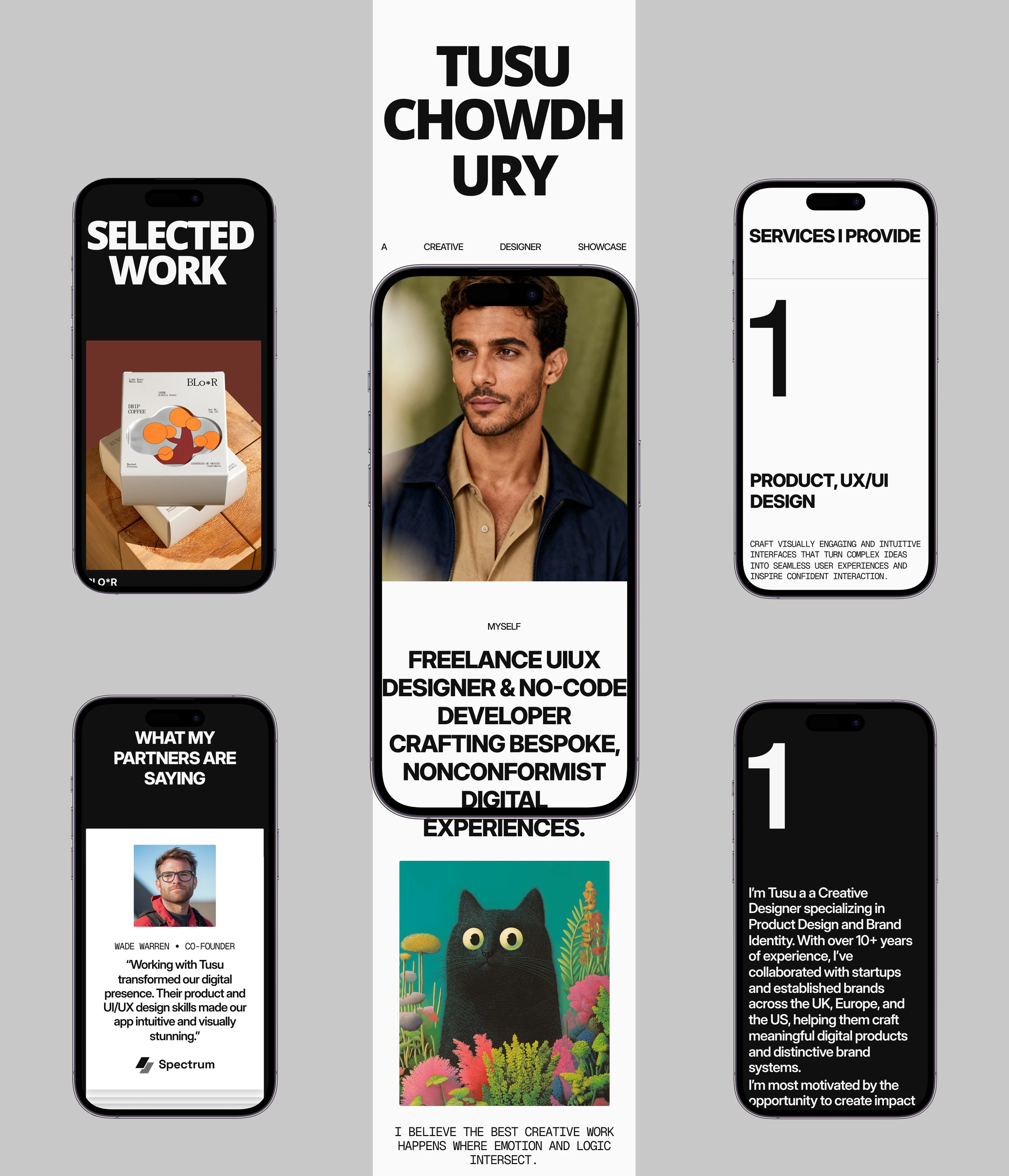
The biggest challenge with designer portfolios is finding the balance between personality and usability. Designers naturally want their portfolio to feel unique and expressive. However, excessive creativity can sometimes make navigation harder and distract visitors from the actual work.
For Tusu, the goal was not to create a visually experimental website that prioritizes novelty. The focus was creating a system where personality exists within a clear structure. Another important consideration was balancing project presentation with user attention. Showing too many projects may demonstrate experience, but it can reduce the impact of individual work. The experience was designed to encourage focused storytelling rather than overwhelming visitors with quantity.
The result is a portfolio system that allows designers to express their identity while maintaining the clarity needed for professional evaluation. The core principle behind Tusu is simple: the best portfolios do not just show what you created; they help people understand why your work matters.
What Makes Tusu Different?
Tusu is designed for designers who want their portfolio to communicate more than visual ability. By combining thoughtful UX structure, flexible components, and platform-aware development, Tusu helps creative professionals present their work with greater clarity, confidence, and professionalism.
Like this project
Posted Jul 18, 2026
Developed Tusu, a flexible portfolio tool for designers using Framer and Webflow.
Likes
6
Views
19