Demola. Web app eLearning. Unified Innovation Hub

Yurii Funkendorf


Demola. Designing workspace for collaborative projects. Web apps, eLearning
Designing a Unified Ecosystem for Global Co-Creation
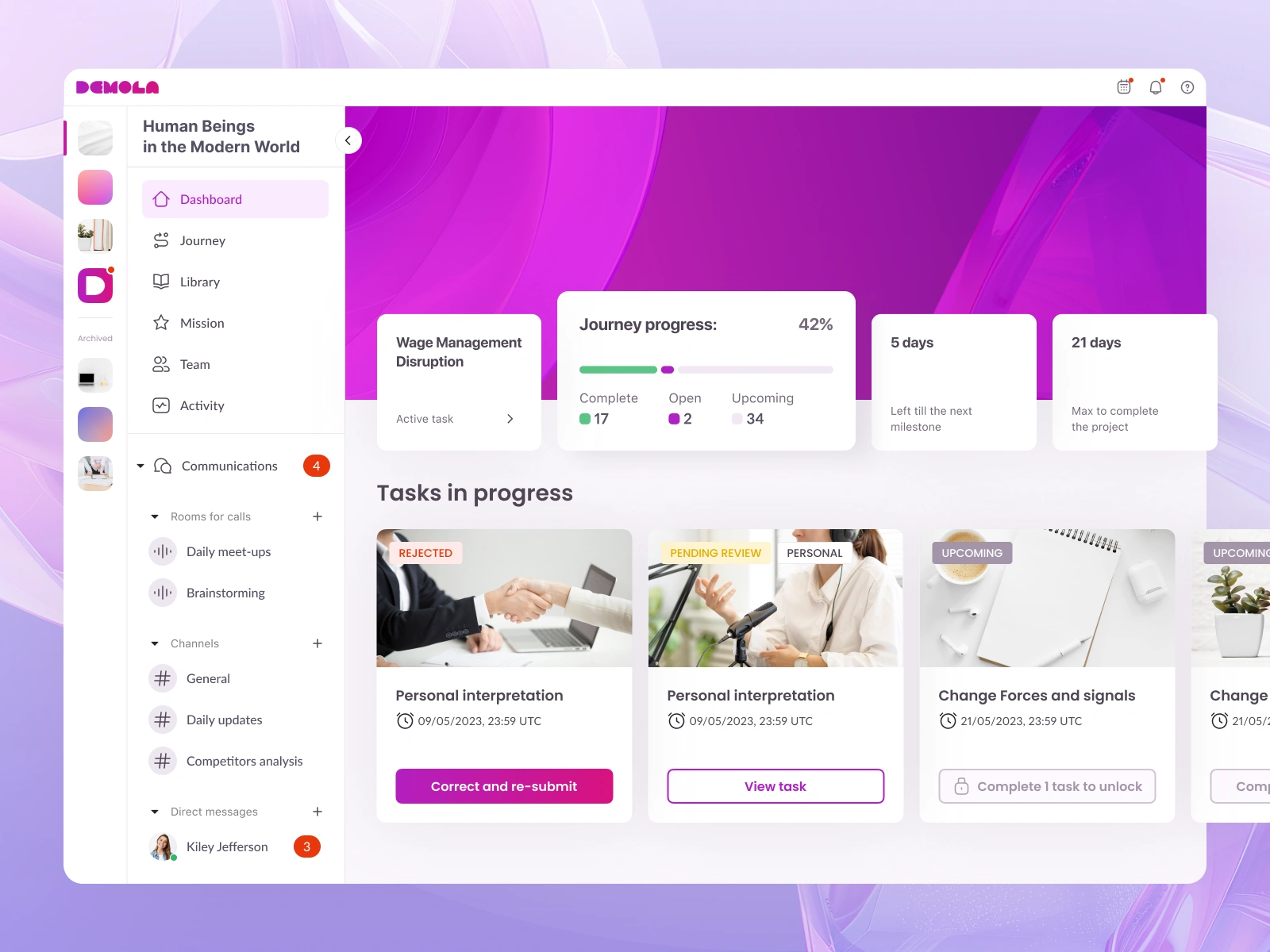
Demola is a global platform that bridges the gap between students and leading organizations to solve real-world industrial and social challenges. While the platform excels at fostering innovation, the underlying process was previously decentralized, leading to fragmented communication and inconsistent project tracking. Our mission was to design a unified digital workspace that acts as a central hub for all project participants. We focused on creating a seamless environment that facilitates not just task management, but active collaboration, knowledge sharing, and structured concept development for a global user base.
Services
UX Research, Wireframing, UI Design, User Testing, Prototyping
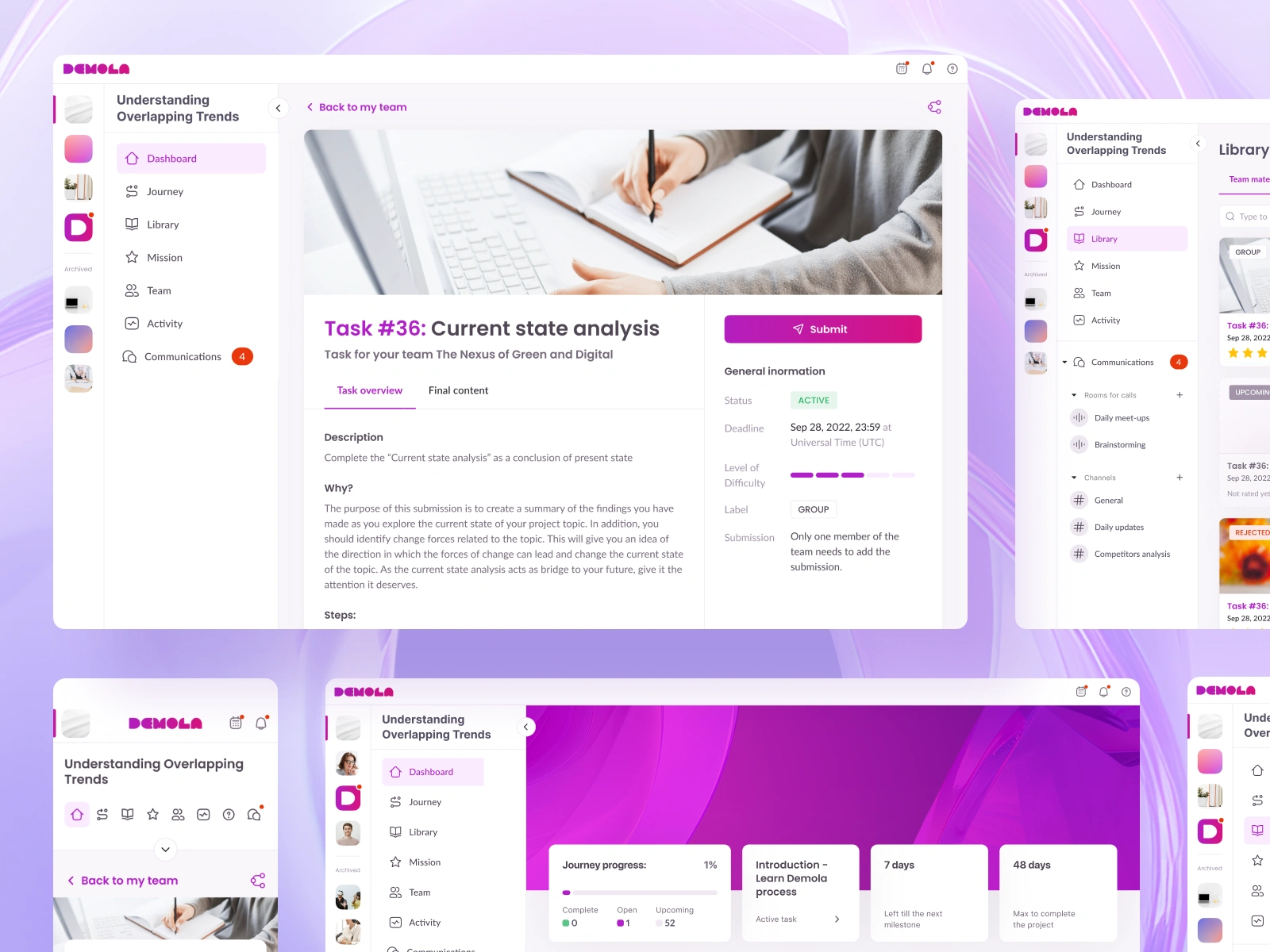
Overcoming Fragmentation in Collaborative Innovation
Demola works with corporate and government clients to tackle complex problems, requiring high levels of coordination between diverse student teams and mentors. Previously, the lack of a centralized environment meant that data and communication were scattered across multiple third-party tools. This decentralization made it difficult to maintain momentum and ensure quality execution. Our task was to build an integrated platform that supports participants through every stage of the innovation lifecycle. We aimed to reduce cognitive load by providing a clear, step-by-step framework that guides users from initial problem analysis to final prototyping and presentation.
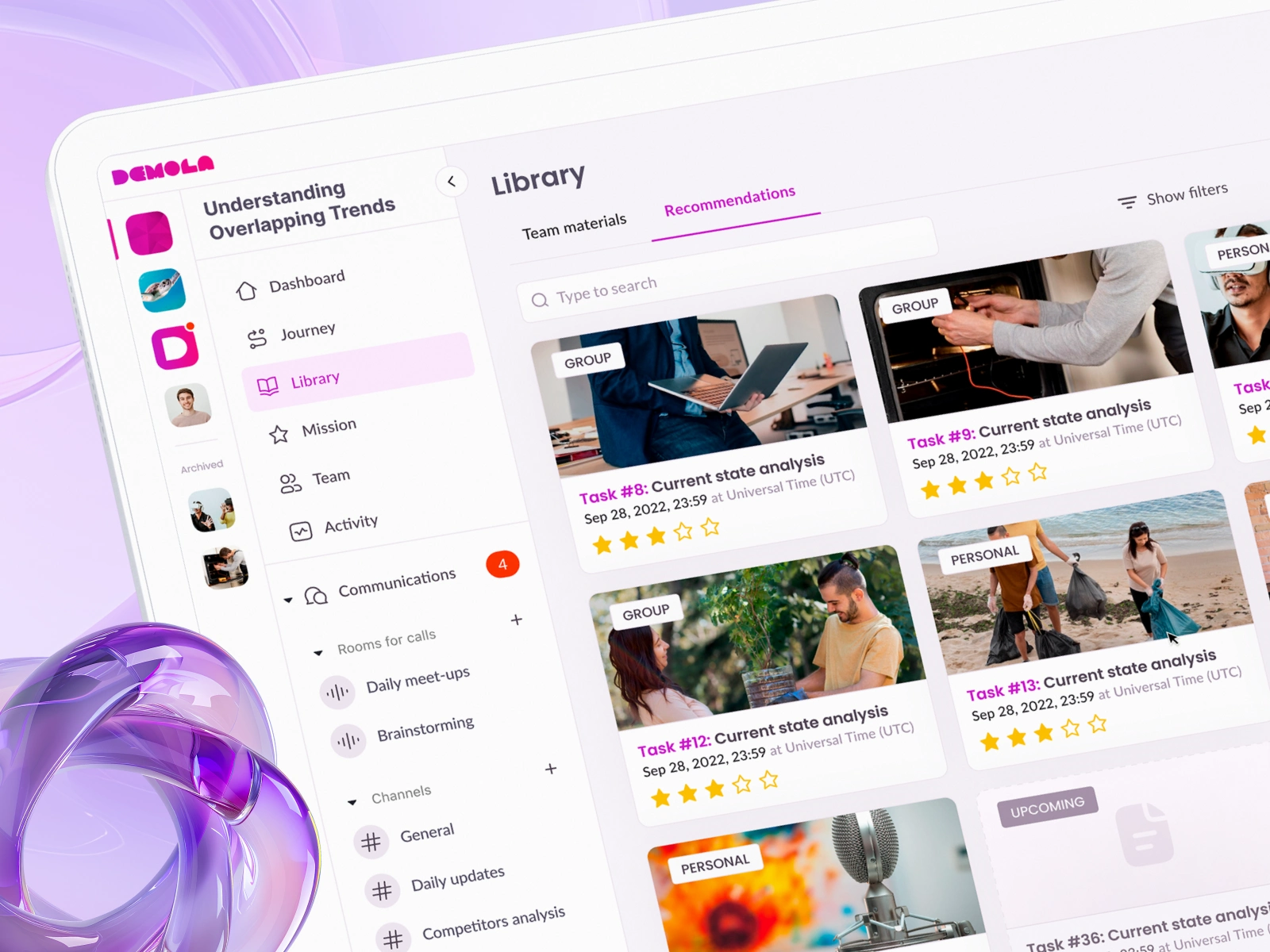
Core Features and Workspace Architecture
We designed a comprehensive digital hub that included:
A structured project dashboard for real-time progress tracking across multiple initiatives.
An integrated communication suite featuring group chats, personal messaging, and voice rooms.
Native integration with calendar systems and video conferencing tools to streamline scheduling.
A dedicated Community section for peer-to-peer insights, advice, and team formation.
A scalable design system ensuring a consistent experience across all interface modules.
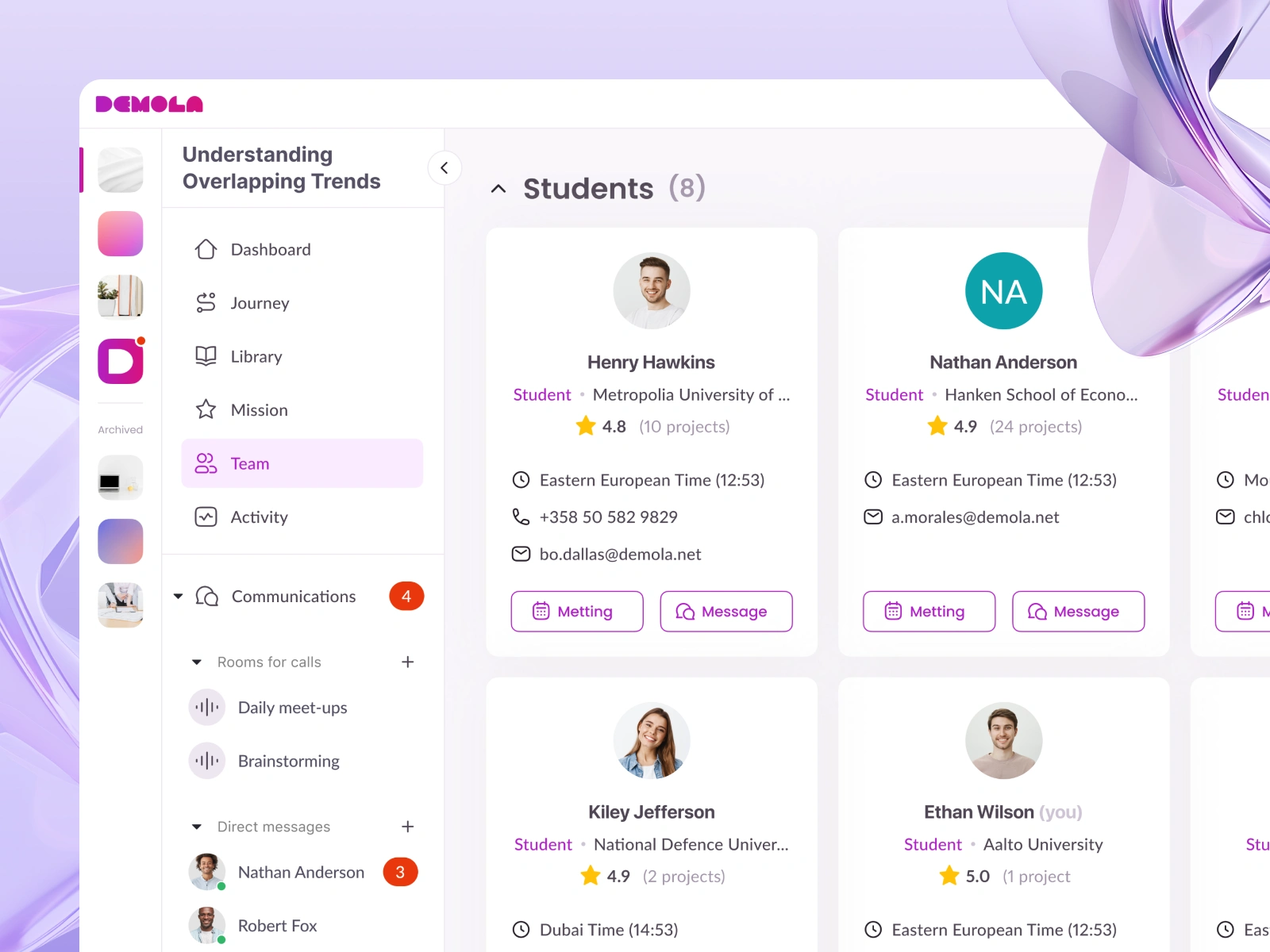
Research-Driven Information Architecture
To ensure the platform met the needs of both students and corporate stakeholders, we conducted deep-dive stakeholder interviews and competitive analysis. We utilized card sorting to define an intuitive navigation structure that handles complex, multi-project workflows without overwhelming the user. Our design decisions were validated through both moderated and unmoderated user testing sessions. This evidence-based approach allowed us to identify specific user pain points and build a UI that minimizes friction while maximizing the efficiency of collaborative project execution.
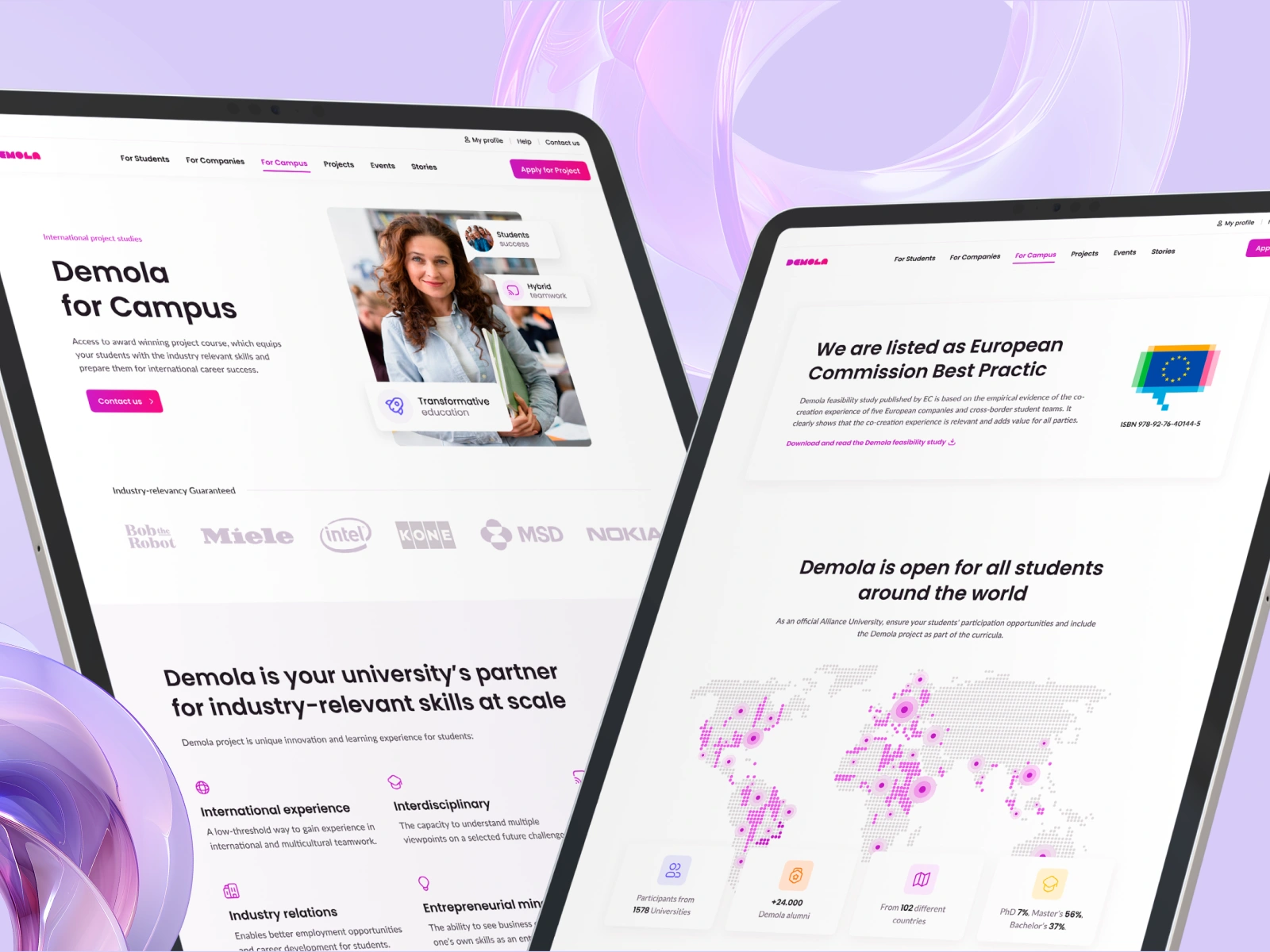
Collaborative Execution and Iterative Refinement
Iterative Design and Feedback Loops
Our engagement followed a strict iterative cycle to ensure alignment with all project owners and mentors. We established a rhythm of weekly kick-off meetings and design reviews, allowing us to pivot based on real-world feedback. This collaborative atmosphere between designers and developers ensured that every functional requirement was balanced with high usability standards, preventing technical debt and ensuring the final product was feasible for immediate implementation.
UX Research and Design Execution
We focused heavily on the specific tools used during the various project phases. By analyzing how teams interact during brainstorming and concept development, we designed specialized interface components that cater to both students and their mentors. This included everything from resource libraries to structured reporting tools. Our goal was to make these resources intuitive and easily accessible, ensuring that the technology supports the innovation process rather than complicating it.
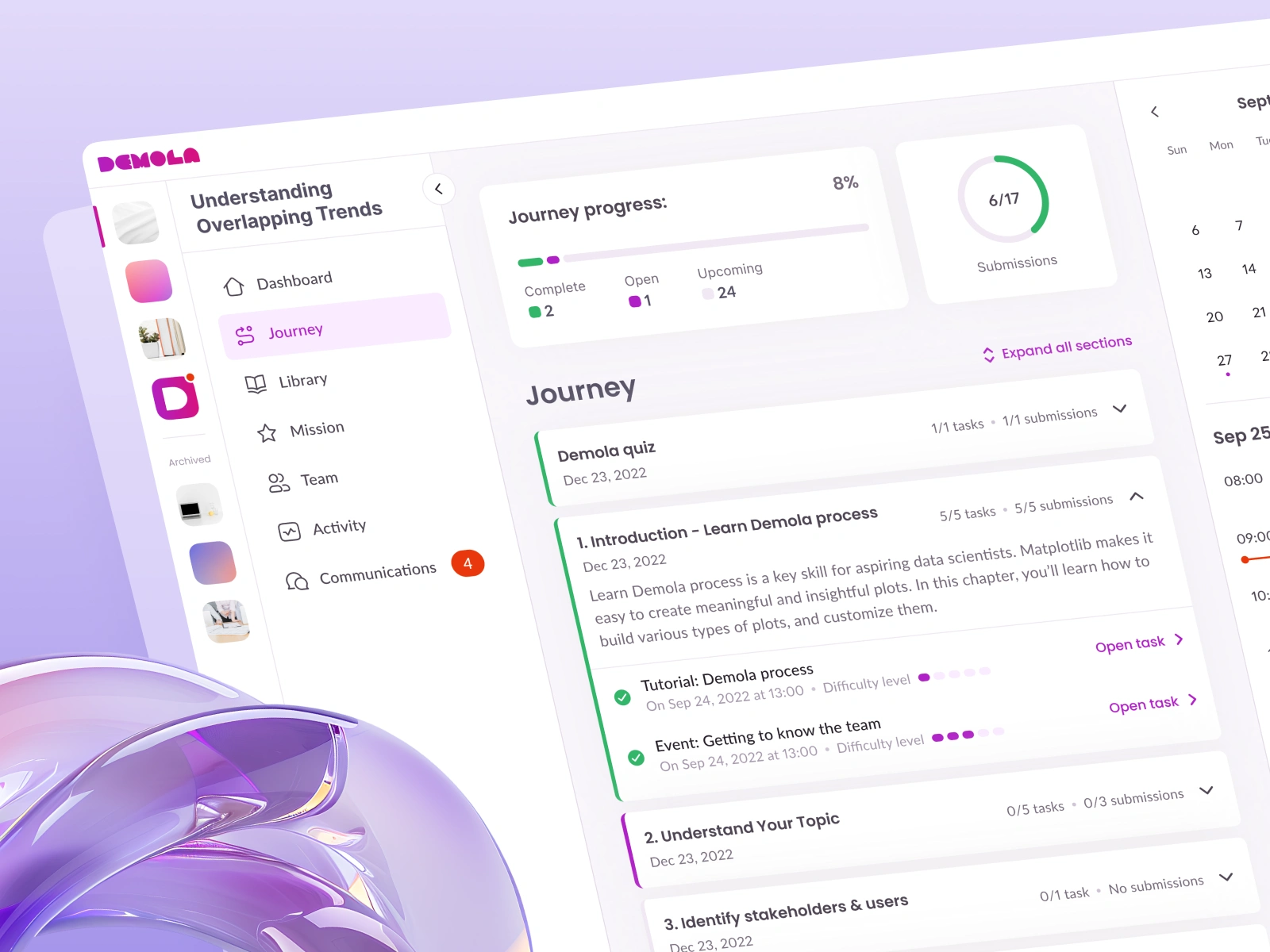
A High-Fidelity Blueprint for Global Implementation
The project resulted in a complete design delivery accompanied by extensive documentation to facilitate a smooth handoff to the engineering team. This package included a full functional breakdown of the platform, key research insights, and a library of design system components. By providing detailed documentation on every interface element, we ensured that the platform remains consistent as it scales, giving the client a professional, future-proof asset that is ready for global deployment across different educational and corporate sectors.
Enhanced Collaboration and Strategic Efficiency
The new platform significantly optimized the workflow for both student teams and their organizational mentors. By centralizing the workspace, we improved the overall quality and speed of project execution. Key achievements included:
A marked improvement in usability and accessibility for a diverse, global user base.
Increased efficiency in project management through centralized tracking and scheduling.
Stronger engagement levels within the student community due to integrated social features.
Seamless communication flows between team members and their professional mentors.
“They really understood our business and the needs of our users very well. The team didn't have to be 'trained' on our behalf at all, but they were well aware of the requirements of the customers and users right from the first sprint, and they were able to offer good UX solutions right from the beginning of the project.” - Tommi Järvinen, Vice President @ Demola
Like this project
Posted Jul 11, 2025
A global platform connecting students with organizations for real-world challenges, encouraging innovation,hands-on learning through collaboration,prototyping.
Likes
9
Views
38
Timeline
Jul 11, 2024 - May 5, 2025
Clients
Demola