Crane — Enterprise Data Dashboard by Gülçin GümüşCrane — Enterprise Data Dashboard by Gülçin Gümüş

Crane — Enterprise Data Dashboard

Gülçin Gümüş

Gülçin Gümüş

🔍 Project Overview
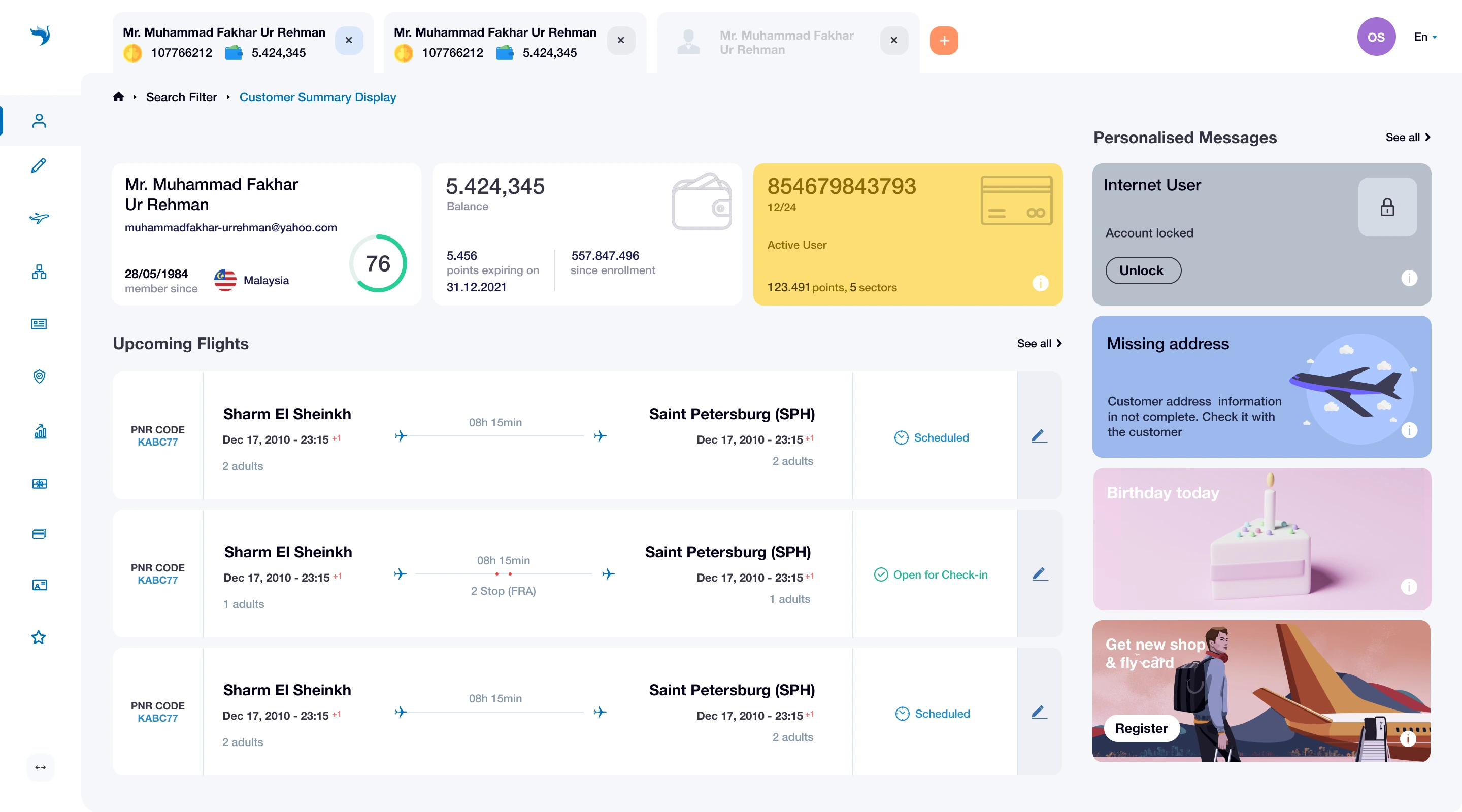
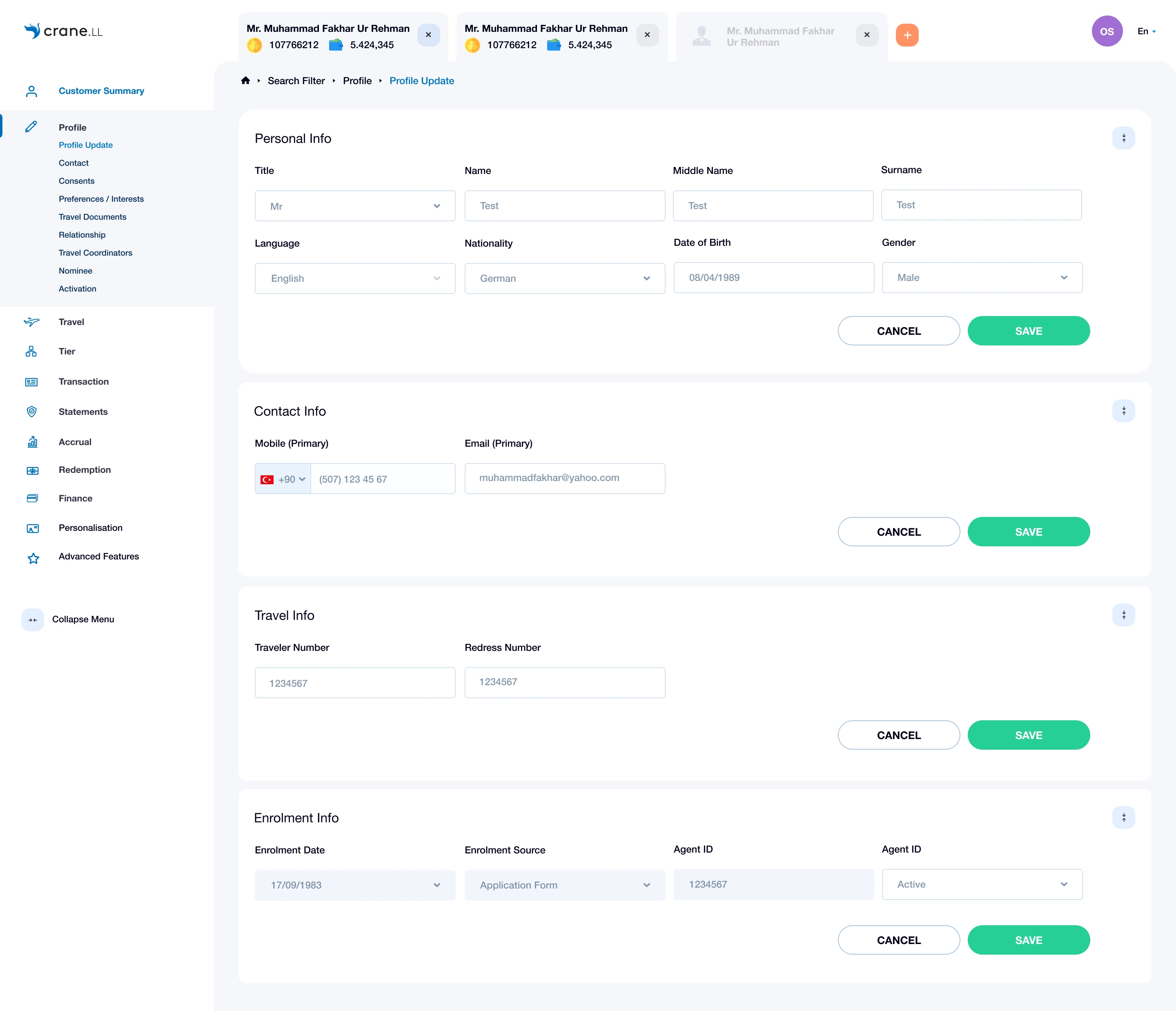
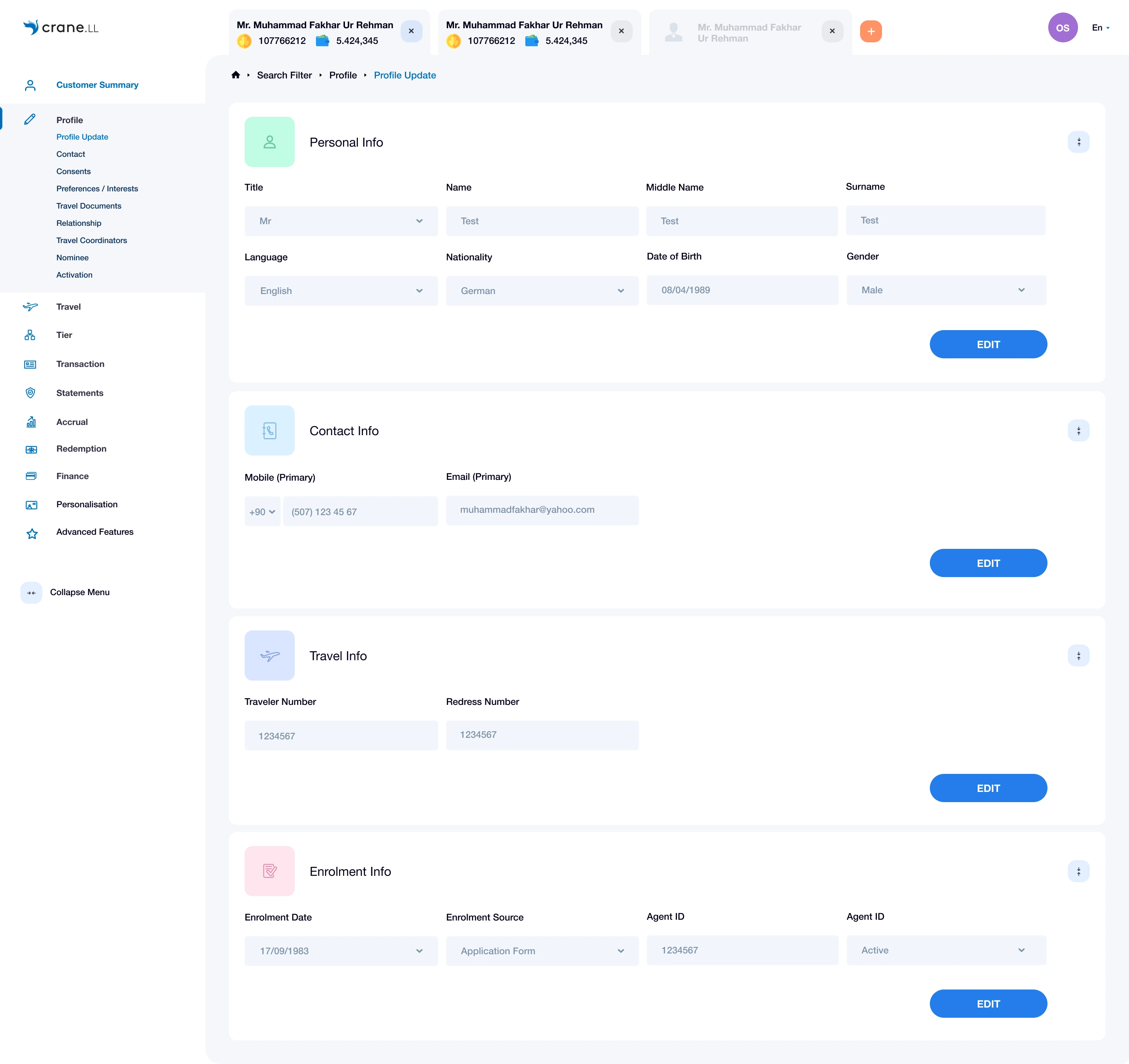
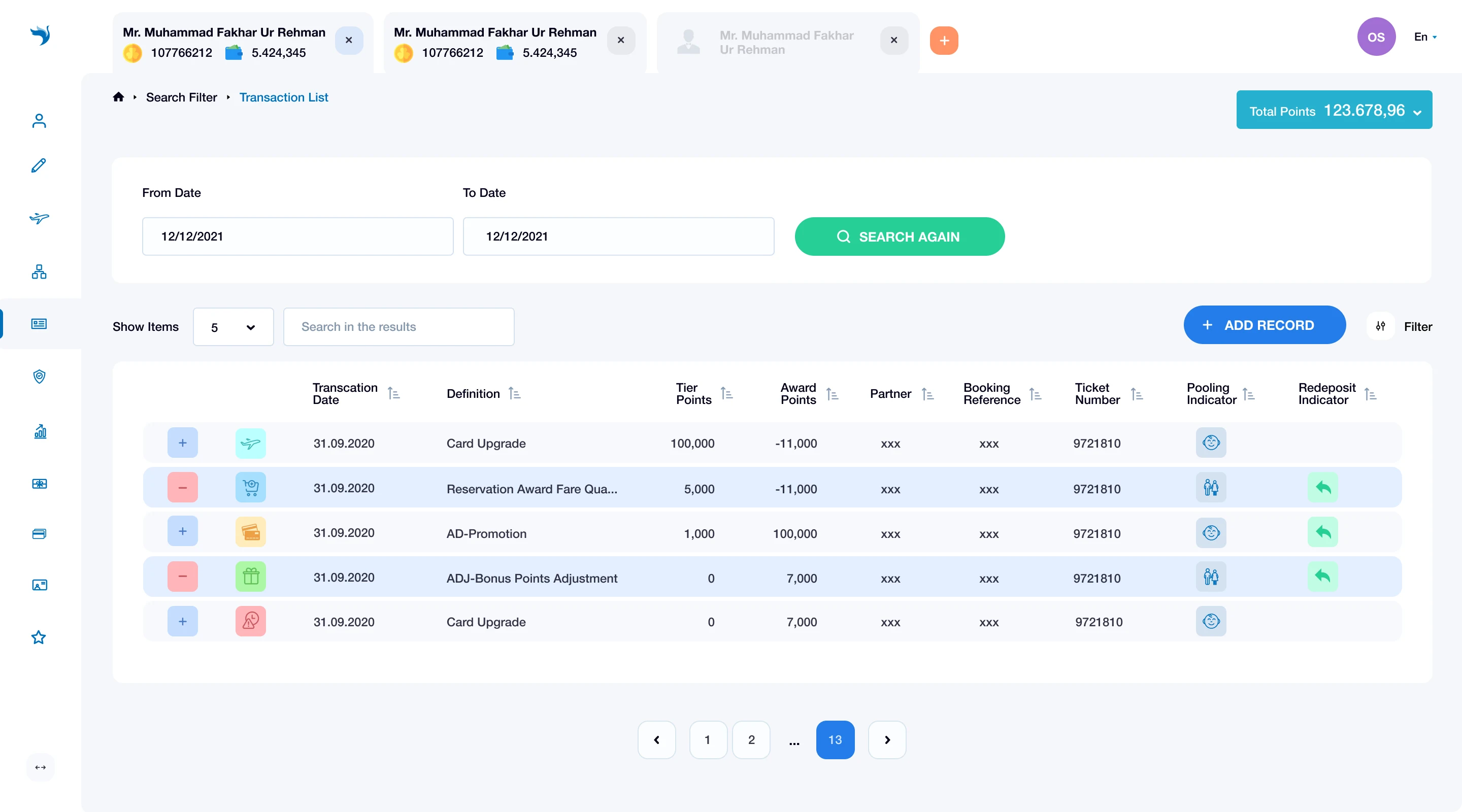
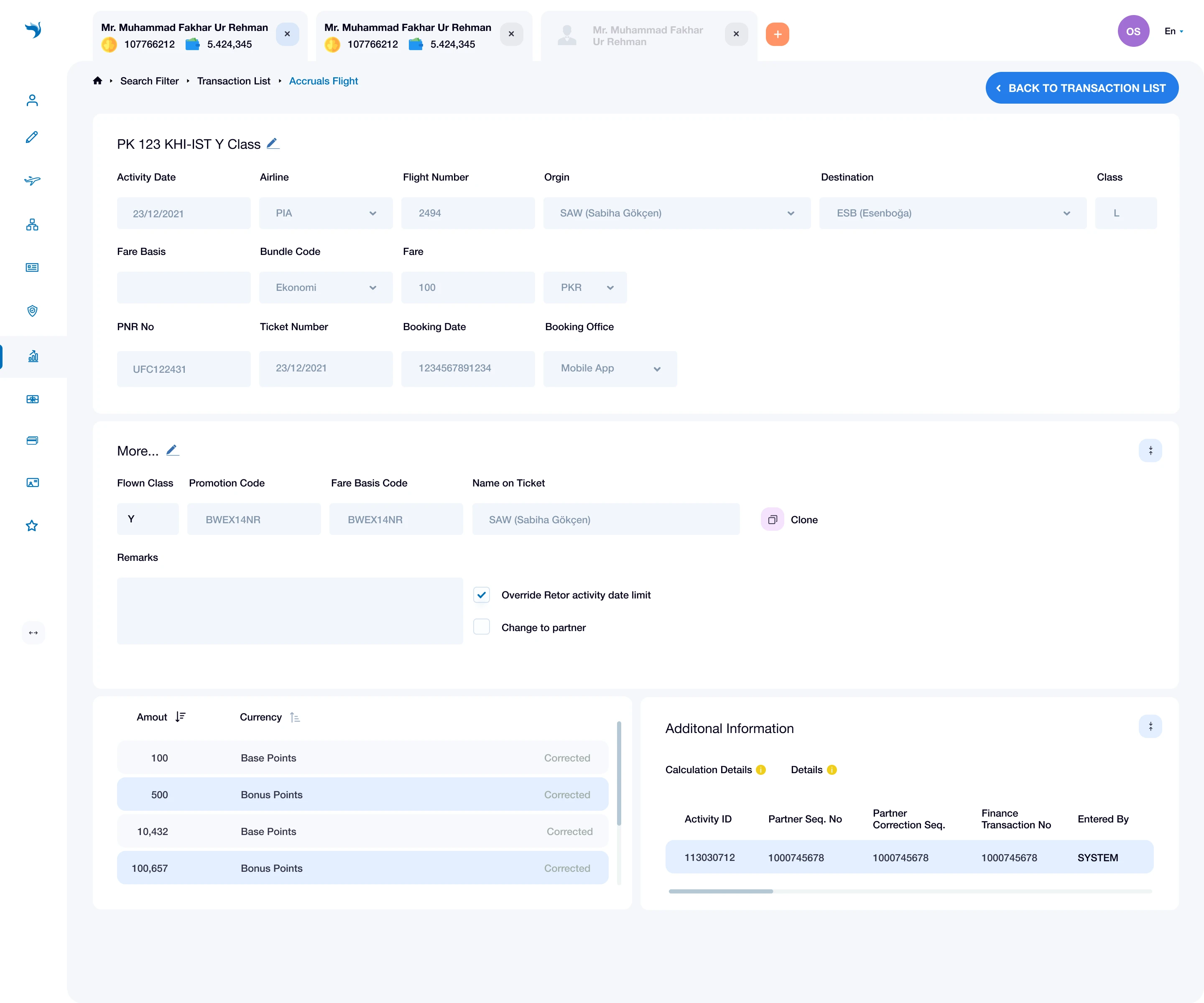
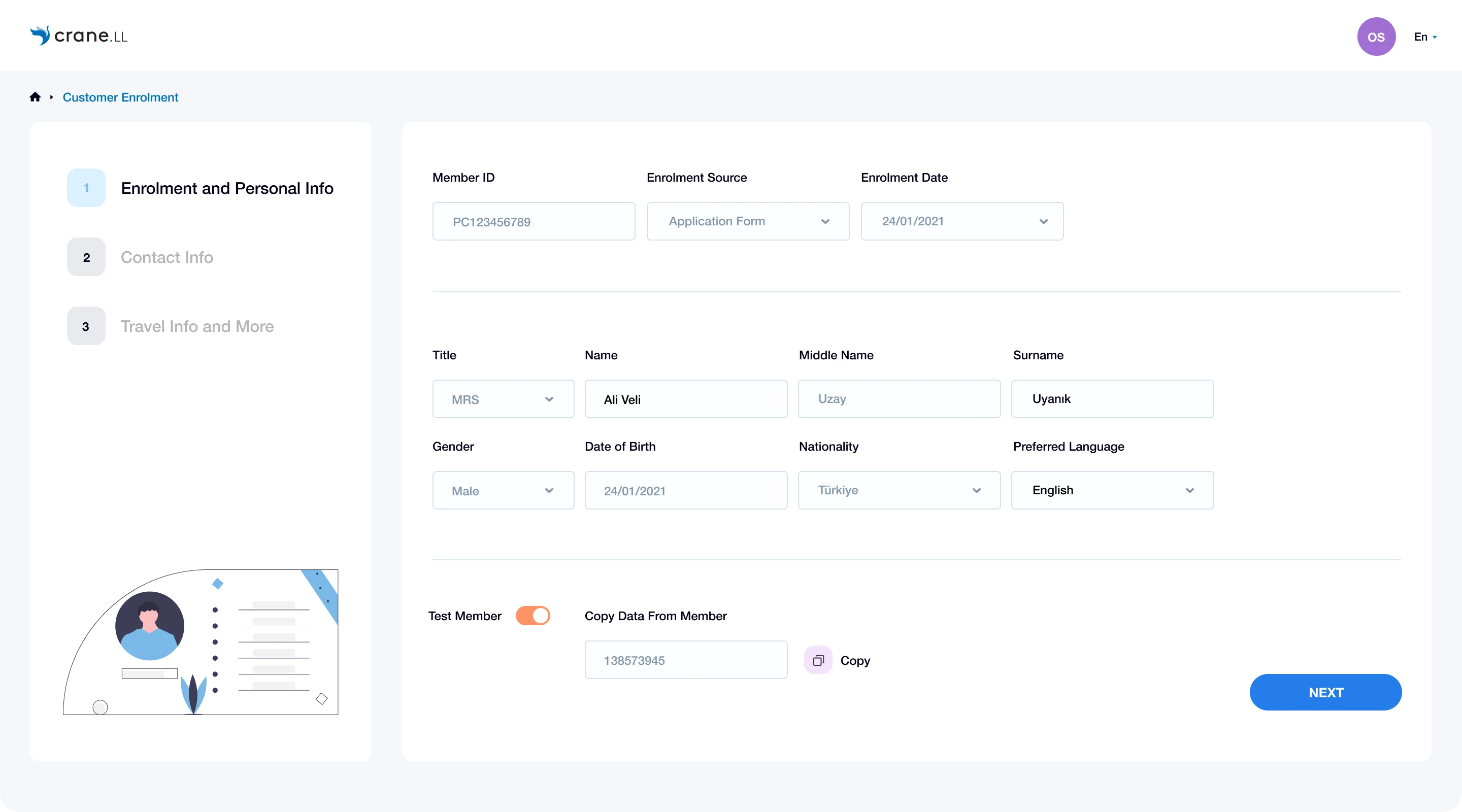
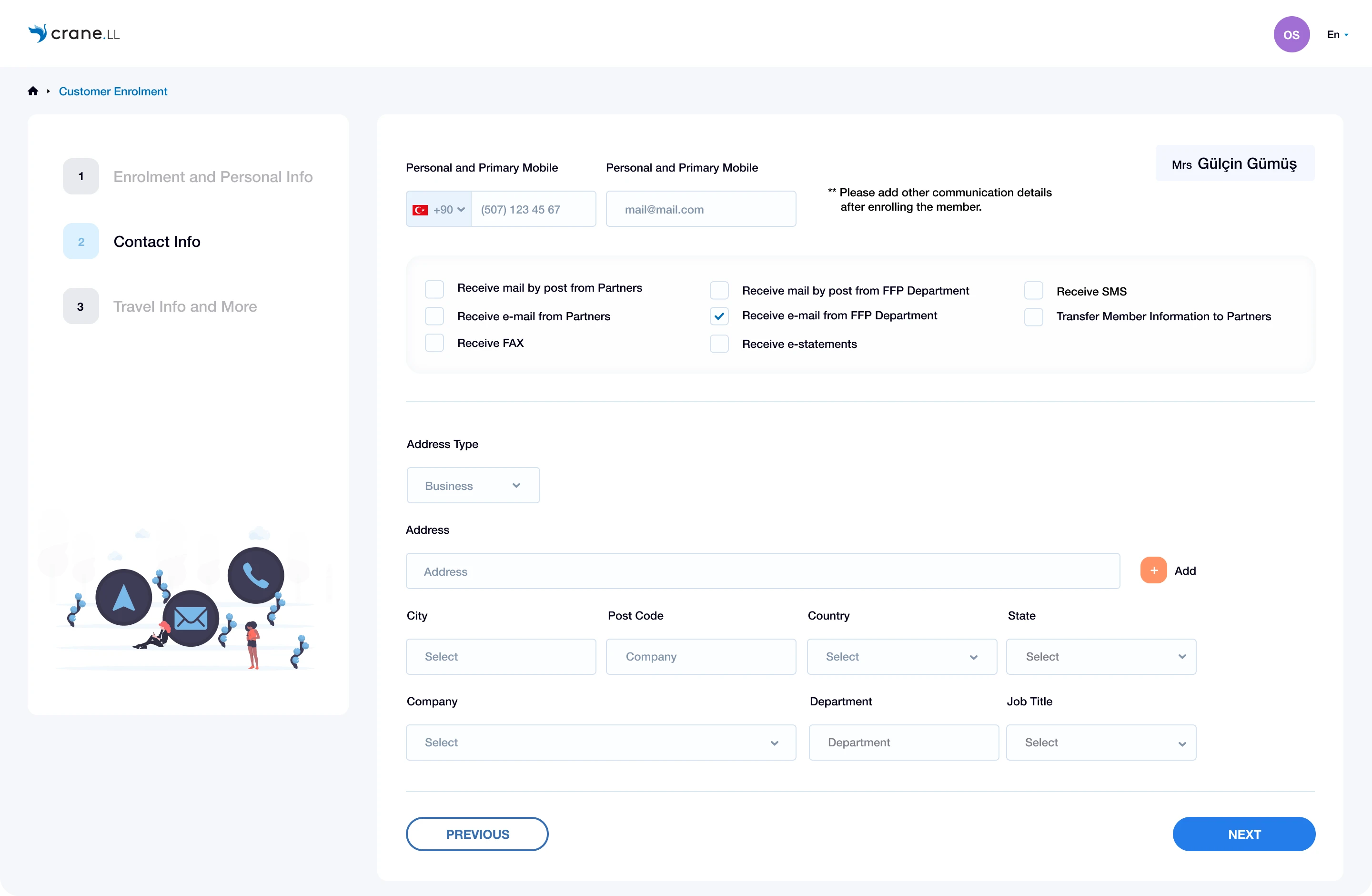
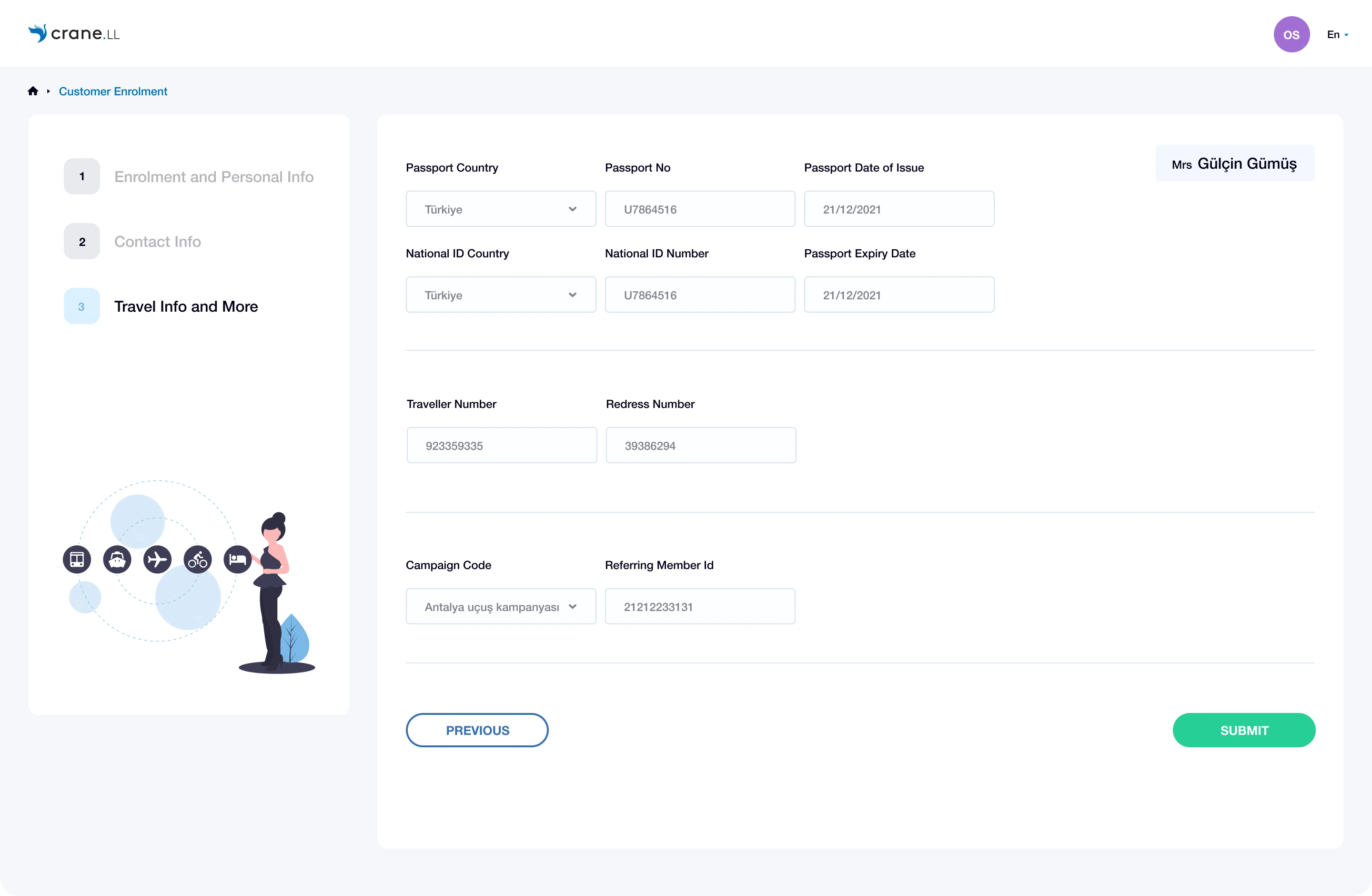
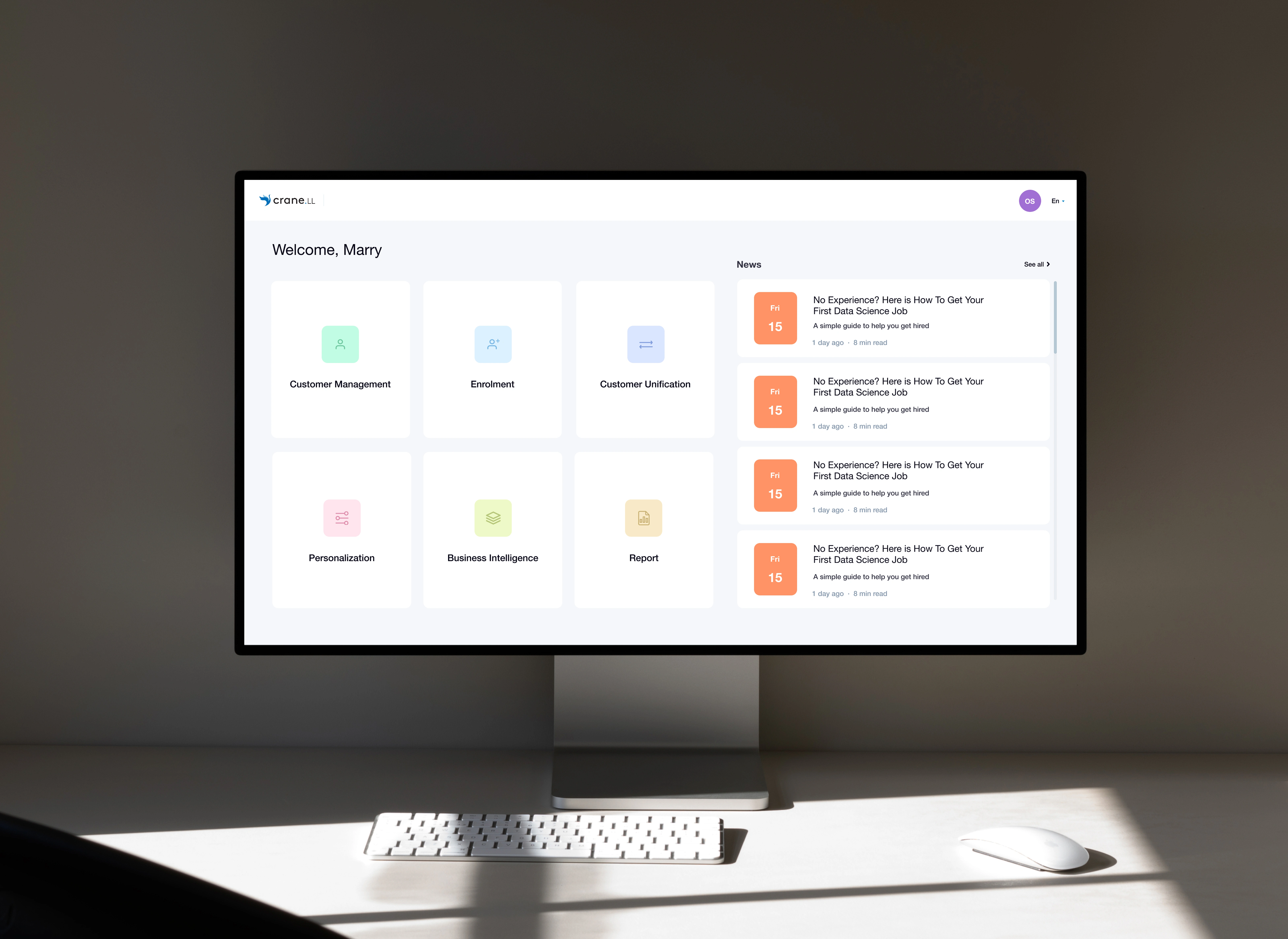
Crane is an internal enterprise dashboard designed for teams working with dense, real-time data. The platform handles customer management, transactions, enrollment, and reporting across multiple business modules.
⚡ The Challenge
Internal tools prioritize speed, clarity, and information density over visual storytelling. A core constraint was limited screen real estate: the dashboard needed to surface a large amount of critical information without overwhelming users or sacrificing readability during long usage sessions.
🎯 Design Approach
Space-efficient layout system. White space is used intentionally, not decoratively. Spacing decisions are driven by hierarchy and scan patterns. Components sit closer together while remaining visually distinct.
Cognitive space optimization. Instead of maximizing empty space, the goal was optimizing cognitive space, allowing users to quickly parse data, compare values, and take action with minimal friction.
Calibrated typography and grid. Typography scale, grid structure, and component spacing were carefully tuned to support long usage sessions where efficiency matters more than aesthetic breathing room.
✅ Outcome
A dashboard that feels compact but not crowded, structured but flexible. Designed to support internal teams in making faster, more confident decisions through disciplined information architecture and space-efficient UI patterns.
Like this project

Posted Apr 2, 2026

This project focuses on the UI/UX design of an internal enterprise management platform. The interface was designed to improve clarity, efficiency, and usability across complex data-driven workflows such as customer management, transactions, enrollment, and reporting. The design emphasizes clear information hierarchy, consistent layout patterns, and intuitive interactions to support fast decision-making and reduce cognitive load. Modular components and scalable structures were used to ensure flexibility and long-term maintainability across different system modules. The result is a clean, functional, and user-centered interface that simplifies complex operations while maintaining a professional enterprise-grade experience.