Narrative Power of Halo's Main Menu Music

Christopher Collins

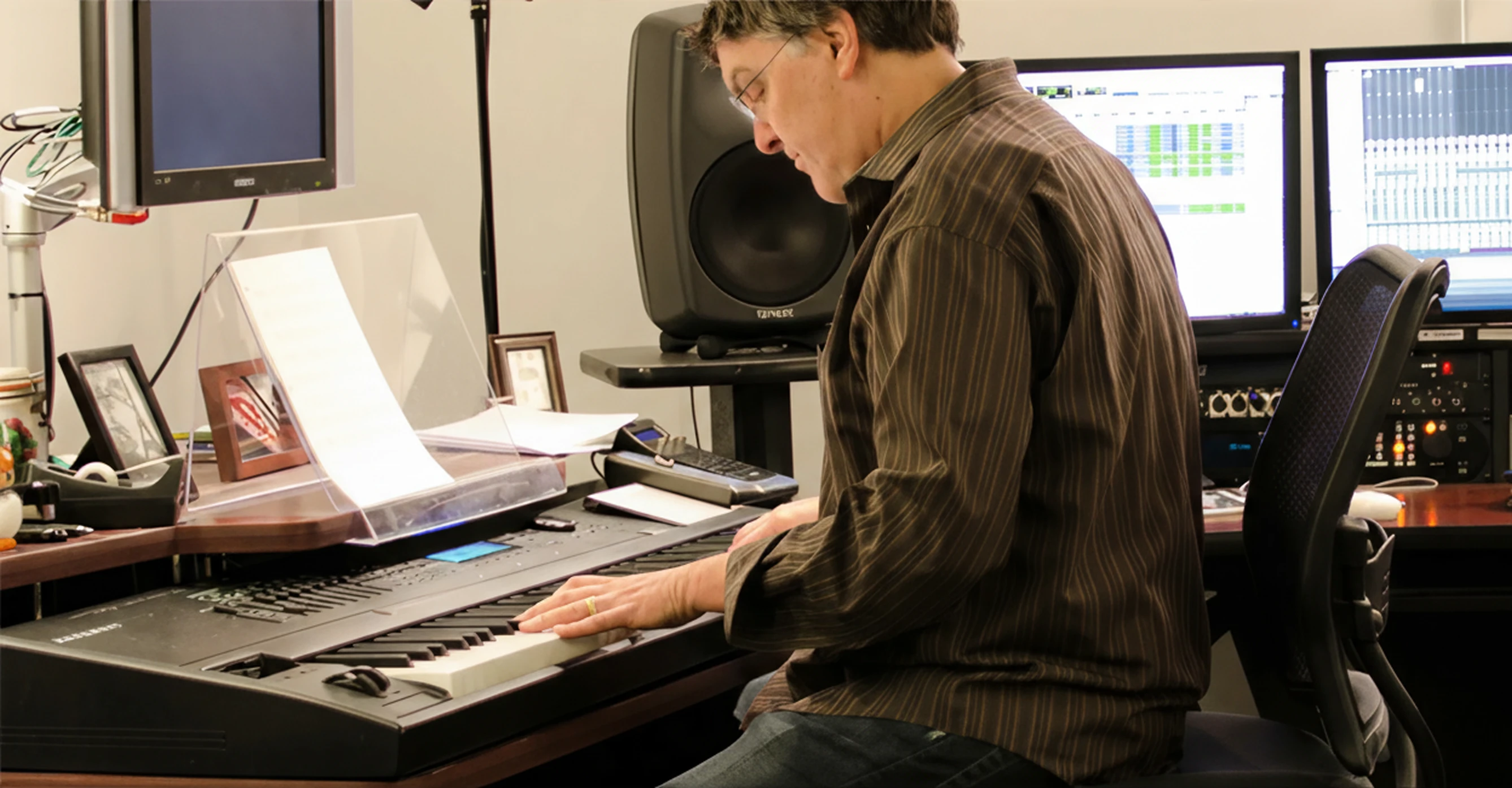
Music in games is often thought of as background, an accessory to the visuals or gameplay. But in Halo: Combat Evolved, the very first thing players encounter is not a firefight or cutscene, but music. In just under four minutes, the main menu score lays out the full spectrum of Halo’s story: its mystery, its war, its humanity, and its lurking horror.
This case study explores how an arrangement of tracks go beyond setting the mood to become a narrative device, telling the story before the player ever presses Start.
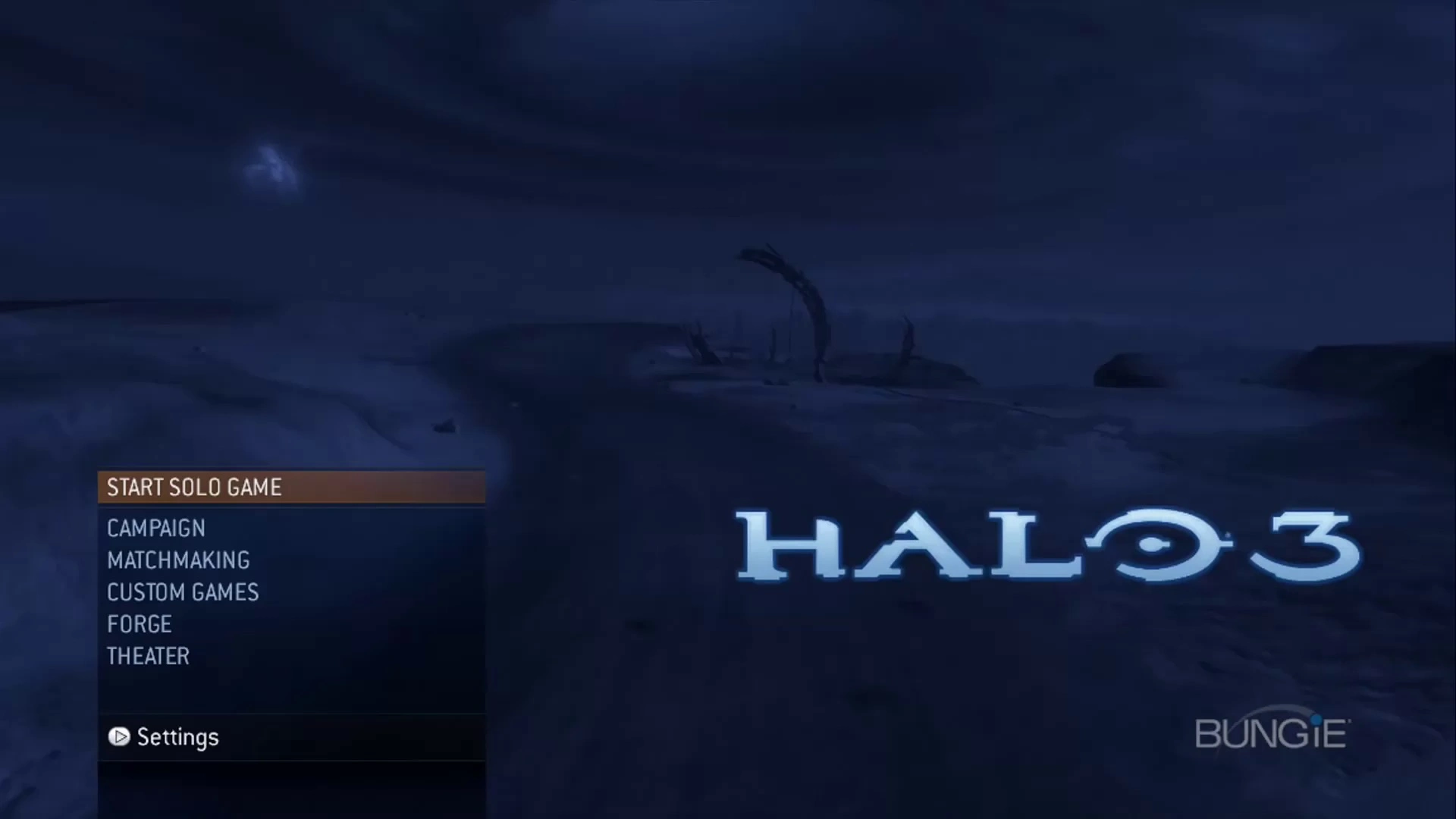
The very first notes are choral, solemn, and cathedral-like. It situates Halo not as just a sci-fi shooter but as a story with ancient weight. The choir echoes the Forerunners’ religious mystery and sets up the player’s sense of reverence for the world.
The choir gives way to bombastic drums and bass. This is the sound of war. Humanity fighting against the Covenant, a desperate struggle on a cosmic scale. The rhythm drives forward like marching, carrying the sense of urgency and conflict that dominates much of the campaign.
Then the score softens. Strings layer in emotion, grounding the story in humanity. Halo is not just about faceless battles; it is about characters like Master Chief and Cortana, and the bonds and sacrifices they embody. The warmth of this section ensures the story resonates on a personal level.
But beneath it all, a track reintroduces darker tones. Low, bubbling motifs that creep underneath the melody. This is foreshadowing, hinting at the Flood. It’s unsettling without being explicit, letting players feel the tension of what’s beneath Halo’s surface before they even know the details.
In many ways, Halo is a blending of themes together to create something new and different. In the art style, it is a combination of cassette futruism and popular animes set in the future, like Cowboy Bebpop, Gundam Wing, and Ghost in the Shell. The bulky electronics of the Pilar of Autumn, the heavy brutalist architecture of Halo’s structures, the many text of the UNSC’s UI (the little bit we see of it). But it is also, at its core, a religious story, such is the symptom of a society that has roots dating back to Christian foundations. The Covenant, the badies you are pitted against, are religious fanatics hellbent on eradicating any who defile their sacred ring that will usher in their Great Journey. Turns out, by virtue of being alive, humanity is considered a defiler. Moreover, those who built Halo are like ancient Egyptians or Persians, dating back over 100,000 years before the events of the game. So ancient, and enigmatic, they built these structures that we don’t understand for reasons we don’t understand.
But what a combo! This retro-futaristic, anime inspired version of humanity in the future, versus an overwhelming force of gods-fearing aliens, on an ancient ring world that we are led to believe is a weapon of some sorts. Its a crazy thing, storytelling. But it works. However, art style, narrative influence, and history aside, Halo’s soundtrack is what we are here to dissect today.
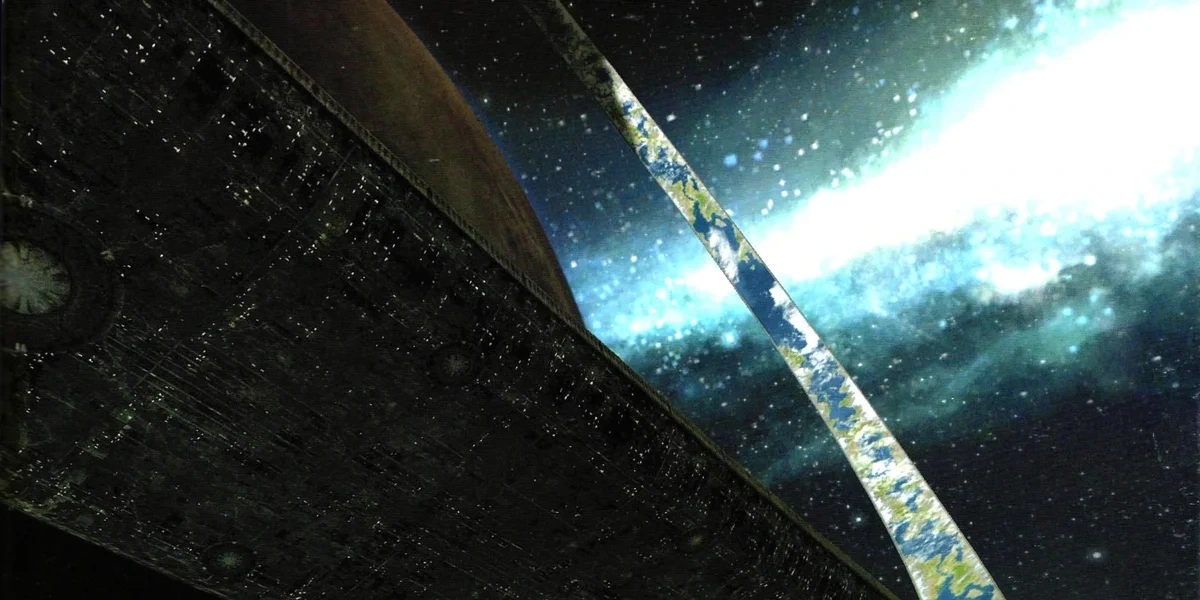
"When you first saw Halo, were you blinded?"
The first sound a player hears is not gunfire or a triumphant fanfare, but a solemn Gregorian-style choir. It’s cathedral-like, almost liturgical, and it reframes Halo from the outset: this is not just a sci-fi shooter, it’s a story with ancient weight. The Forerunners’ mystery is woven into the very first notes. The music is sparse, patient, and deliberate. It makes you wait, which builds reverence. By doing so, it primes the player to treat the world of Halo not simply as a backdrop for combat, but as a sacred place with its own history and gravity.
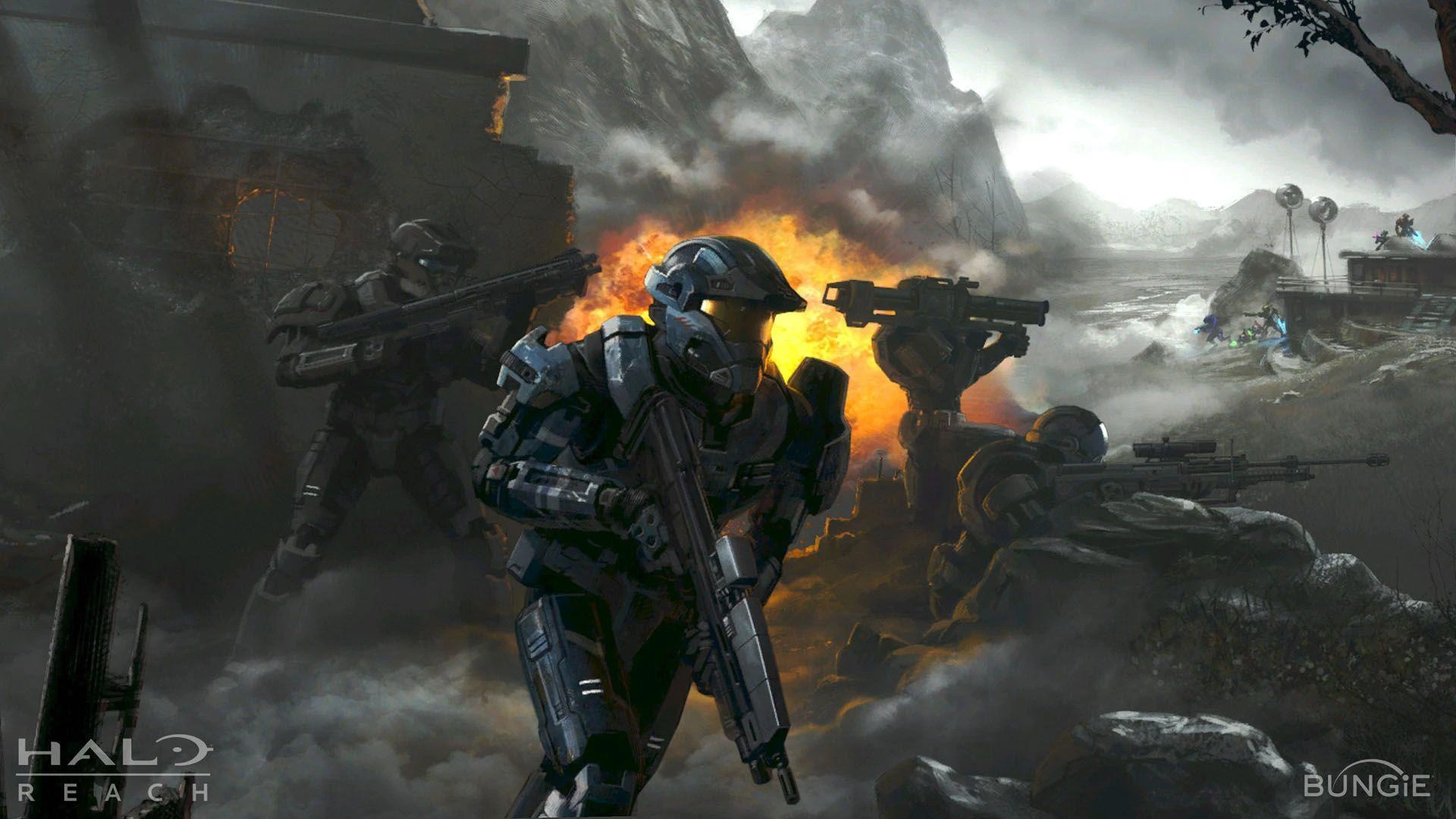
"To War"
Then silence for a moment. When the strings enter, they shatter the stillness. The rhythm is steady and martial, like the cadence of marching soldiers. Percussion layers beneath the cello, pushing forward with bombast. This is the sound of conflict. Humanity thrown into a desperate war against the Covenant, fighting for survival on an interstellar scale. The shift from choir to percussion is deliberate: the mysterious becomes urgent, the sacred collides with violence. Players don’t need to see a cutscene to know what’s at stake; the music itself tells them they are about to be part of a brutal, large-scale war.
"You know me. When I make a promise."
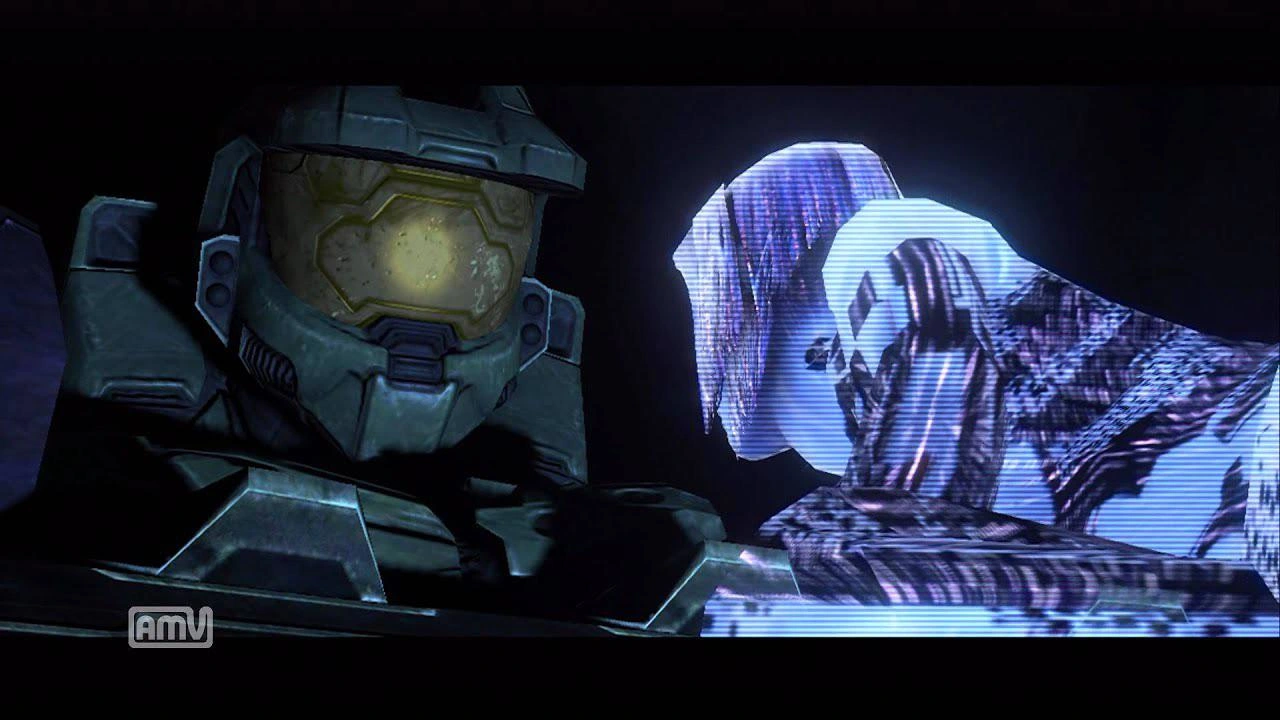
Then the track softens. Strings bloom with warmth, balancing out the severity of what came before. This section humanizes the story. Halo is not simply about faceless armies colliding in space; it’s about characters like Master Chief and Cortana, and the bonds, trust, and sacrifices that carry them forward. The strings bring vulnerability, intimacy, and heart into the composition. It’s a reminder that while the setting is vast and the stakes cosmic, the emotional weight of Halo comes from people, their struggles, their moments of connection, their loss.
“That stench, I’ve smelt it before”
But then, probably the greatest twist. Its not that’s loud or begging for your attention. As the strings fade, darker tones creep in, bubbling motifs and low, uneasy textures. They lurk underneath the melody rather than overtaking it, which makes them all the more unsettling. This section foreshadows the Flood: an ancient horror waiting beneath the surface of the ring. The brilliance here is subtlety. The player is so focused and excited for this already deep story, but then feels dread without having it explained. It’s a slow burn of tension, preparing the listener for the revelation to come hours later in the campaign. Even before stepping into gameplay, the music hints that something is wrong, something is hidden, and that the world of Halo is not what it first appears to be.
Verdict
In less than four minutes, Halo: Combat Evolved sets an emotional and narrative foundation that most games spend entire campaigns trying to build. It begins with reverence, rises into conflict, finds humanity, and ends with quiet dread, the full arc of a story told without a single trigger pulled.
This isn’t just a triumph of composition, it’s an act of design. The main menu theme doesn’t sit beside the story, it is the story. It teaches us that every sensory detail (a sound, a pause, a swell) can carry narrative weight. The music respects the player’s intelligence, trusting them to feel meaning rather than be told it. For designers, that’s the lesson worth keeping: subtlety can speak louder than exposition, hear don’t speak. Whether through interface, interaction, or sound, the goal isn’t to explain the world, it’s to let players step inside it.
Bungie probably didn’t have this main menu music overtly tell the player the story, but rather as a little something for the player to pick up on the second, third, hundredth time playing. So the next time you boot up your original copy of Halo: CE, or you happen to listen to the music on the main menu, keep in mind the story that you may already know, and hear it all play out to you
Like this project
Posted Oct 21, 2025
Analyzed Halo's main menu music as a narrative device in gaming.