Ready Solution

Michael Komarov


Client
Tenko
Main program
Autodesk Fusion 360
Manufacturing processes
Injection molding
Welding, including in an inert gas environment
Pipe bending
Filling pipes with quartz sand
Brass casting and turning
Pad printing
Project requirements
Various capacities of electric heaters
The device must be designed for different power consumption levels, which, of course, affects the length of the electric heater and the volume of coolant that the device can effectively heat.
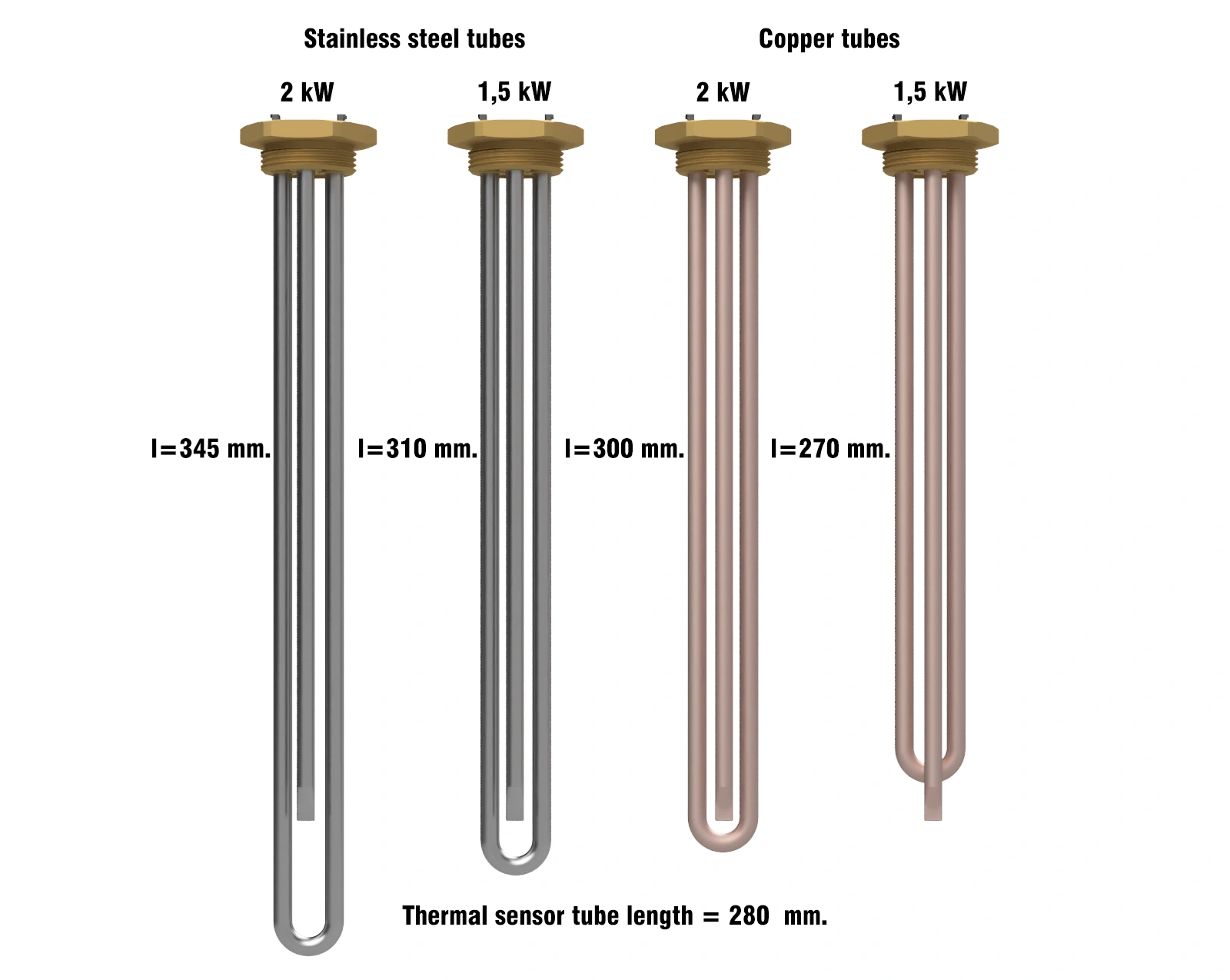
Length of straight electric heaters depending on material and power
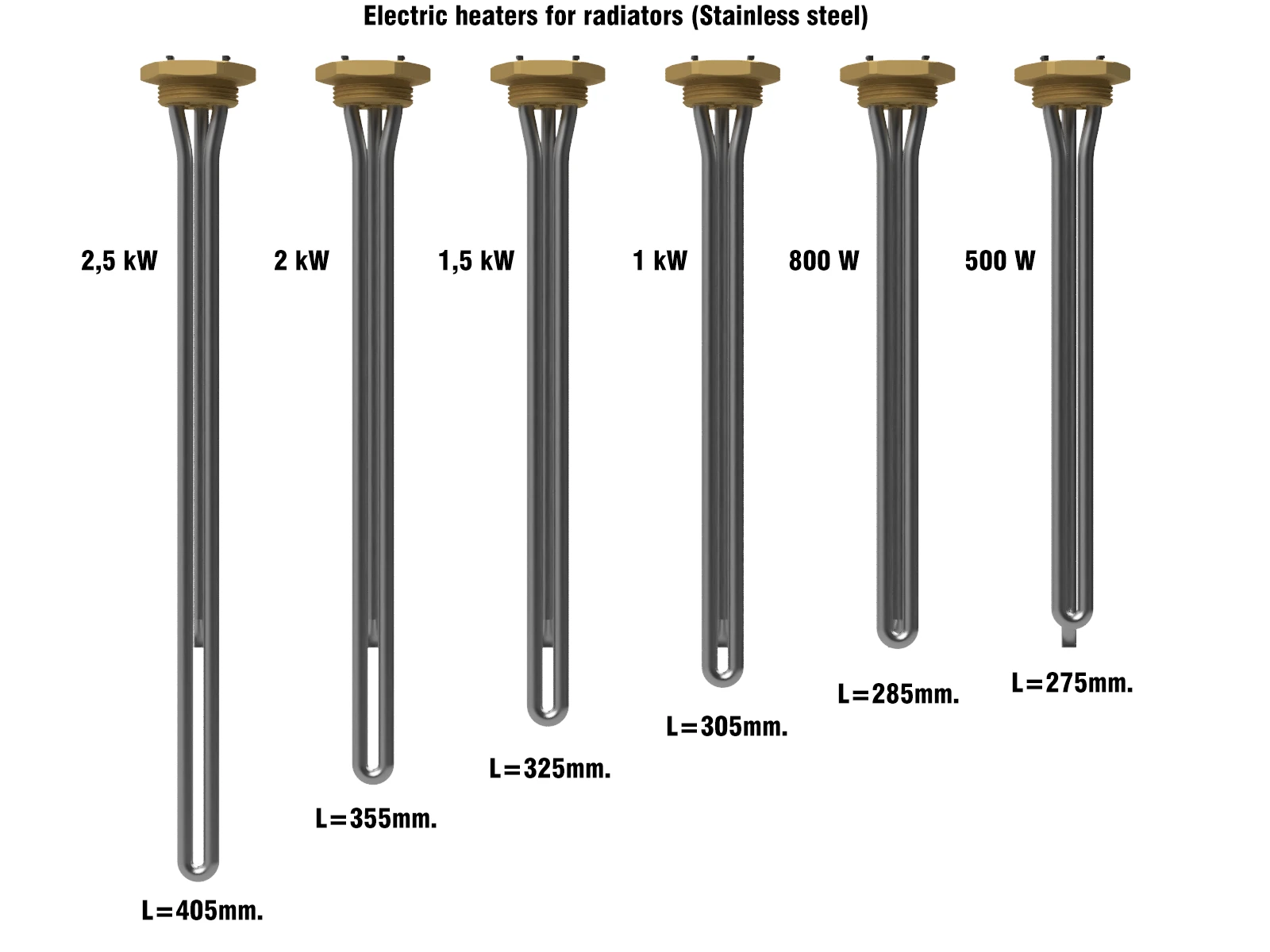
Tapered electric heaters for cast iron radiators
Various materials
The tubes of the electric heater must be made of stainless steel or copper. Taking into account the characteristics of the materials, various welding processes are used.
Various applications
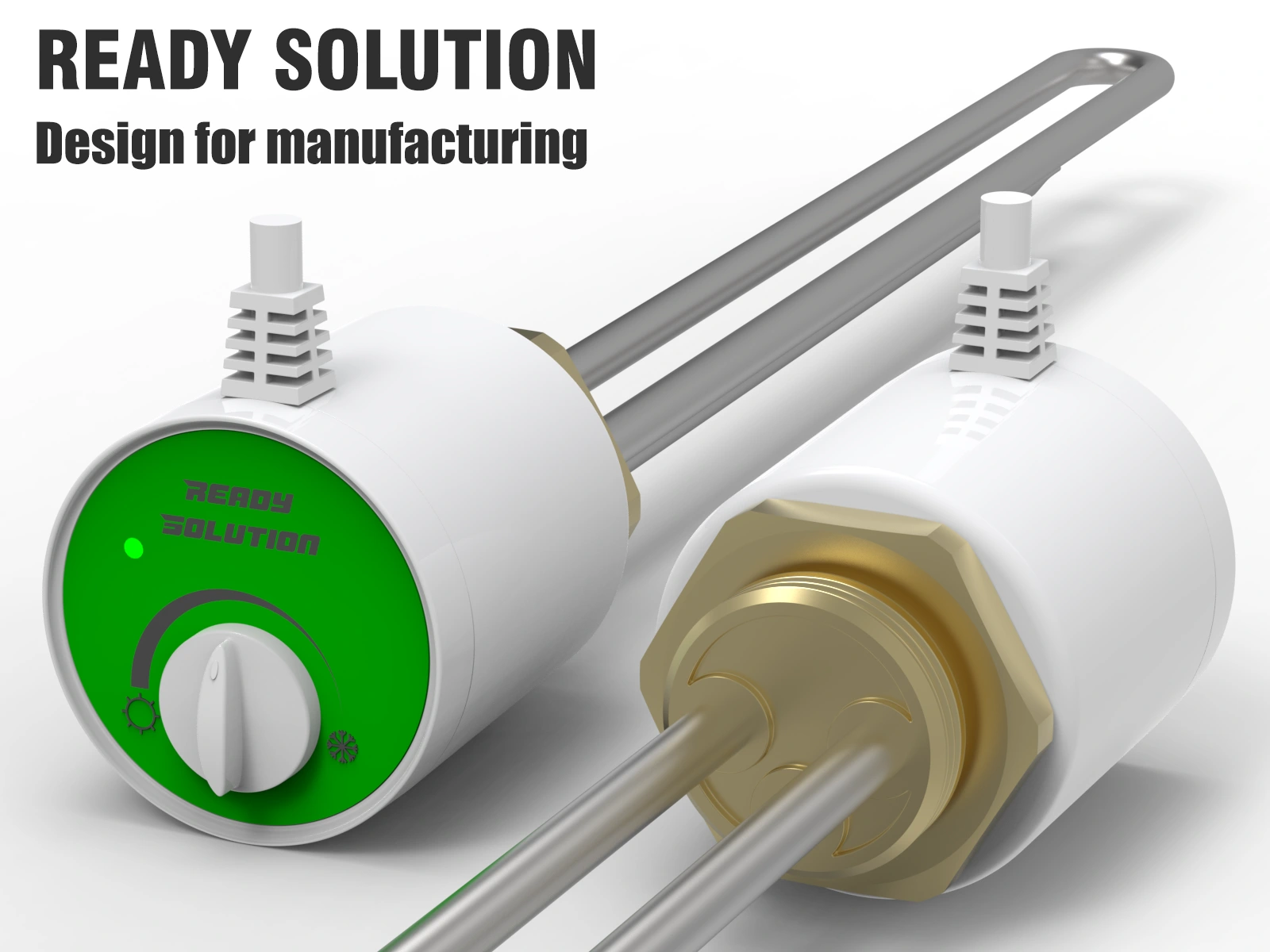
The ready solution is a simple, inexpensive device for heating coolant in common locations, such as radiators (cast iron, aluminum), various tanks without direct heating, or in closed heating systems.
Structure
The ready solution has two main components: an electric heater and a thermostat (the project uses a rod thermostat), which sets the temperature limits for the electric heater. The housing is connected to the electric heater flange with a screw, and then the thermostat is installed. The cover has a transparent insert, which is a decorative element, and an LED is also attached to the cover, which lights up when the device is turned on. The handle with the shaft transmits torque to the thermostat to set the required temperature. The power cable has a cable entry that is installed between the housing and the cover.
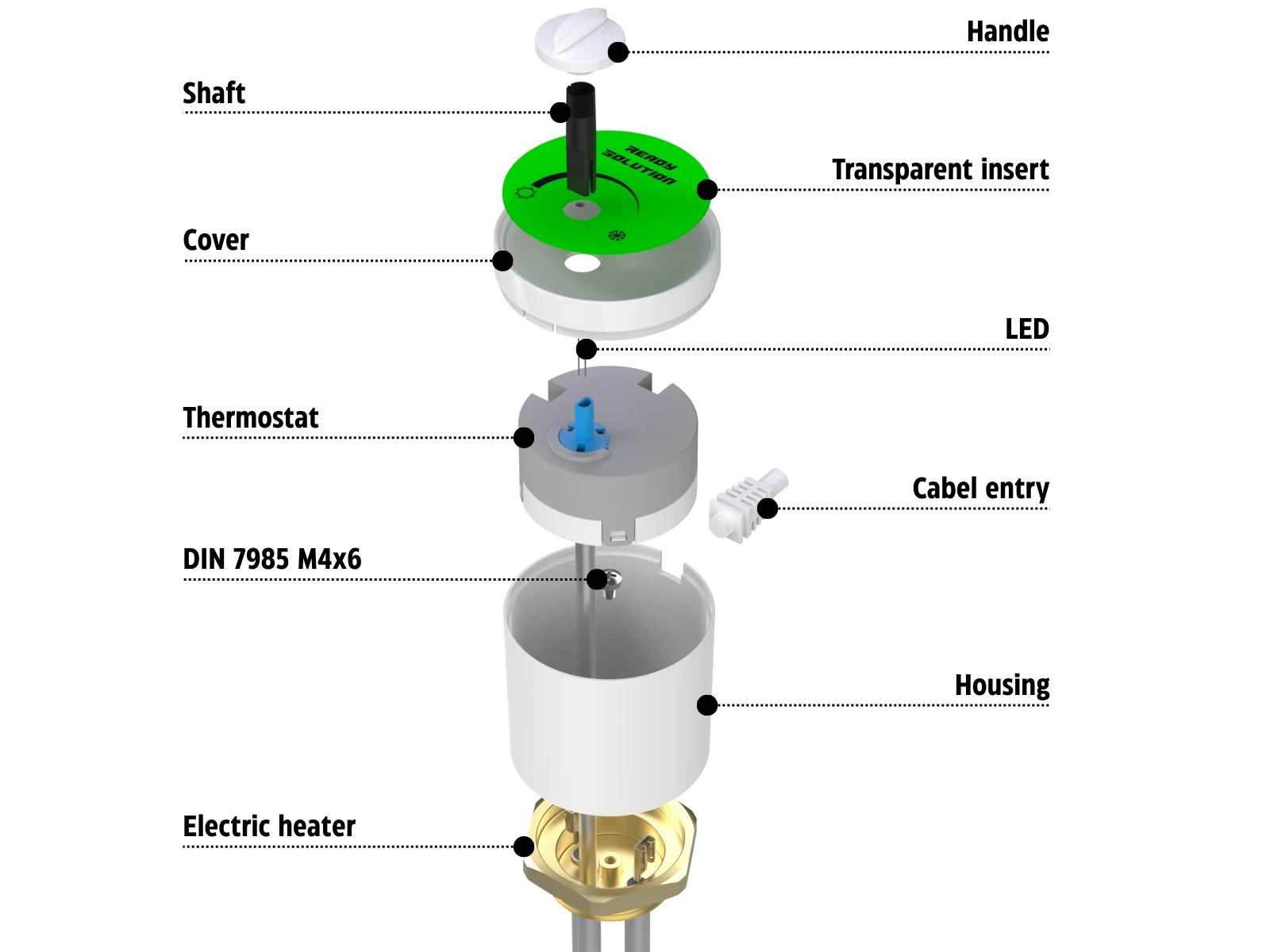
Ready solution structure
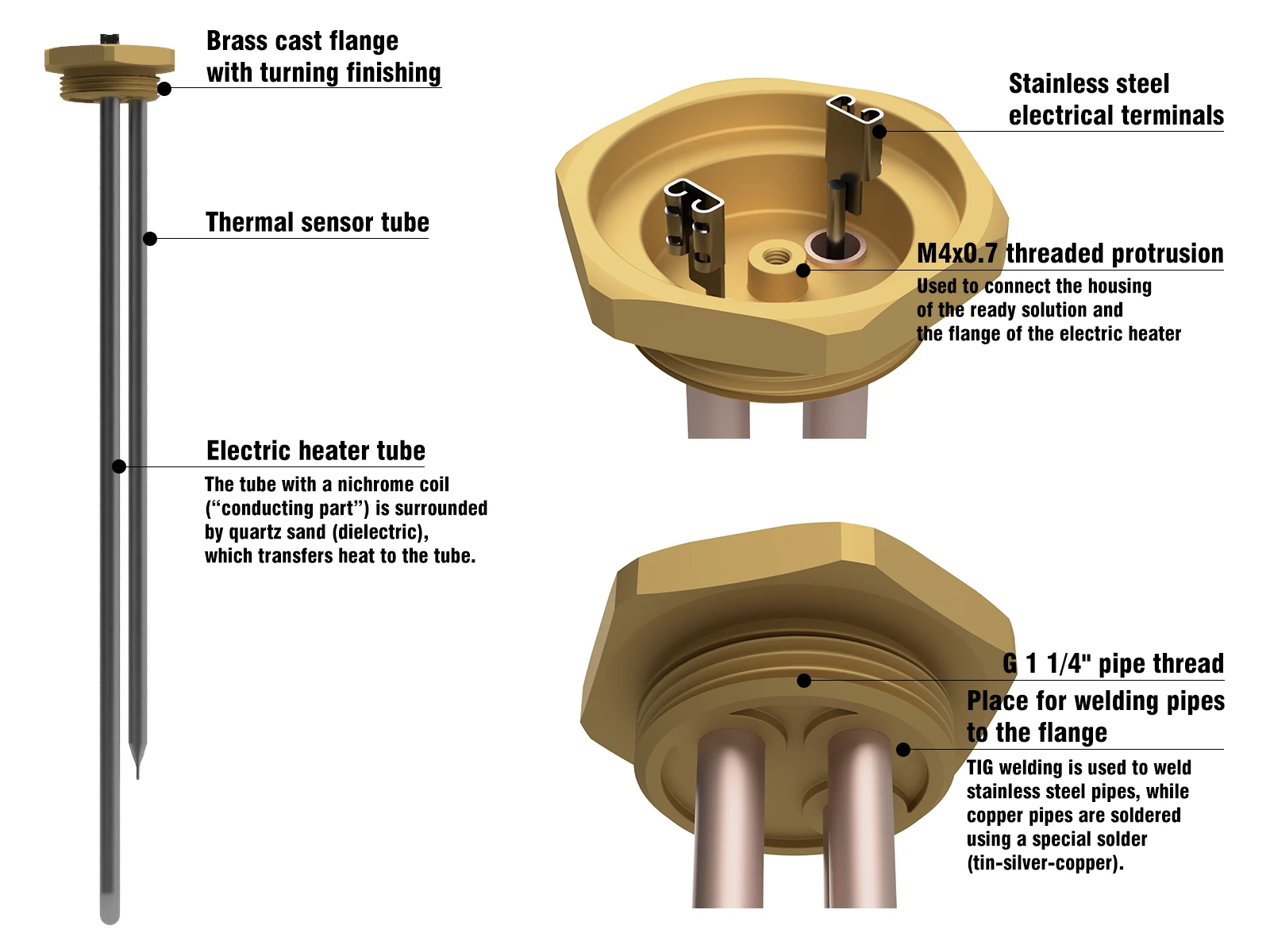
Electric heater structure
Electric heater type: straight, tapered-straight;
Tube material: stainless steel, copper;
Flange material: brass.
Stainless steel tubes are welded to the flange using inert gas welding, while copper tubes are soldered using a special solder. Stainless steel terminals are also welded to the electrodes. An empty tube with a flattened end is required for the temperature sensor; in this project, the temperature sensor is a rod type.
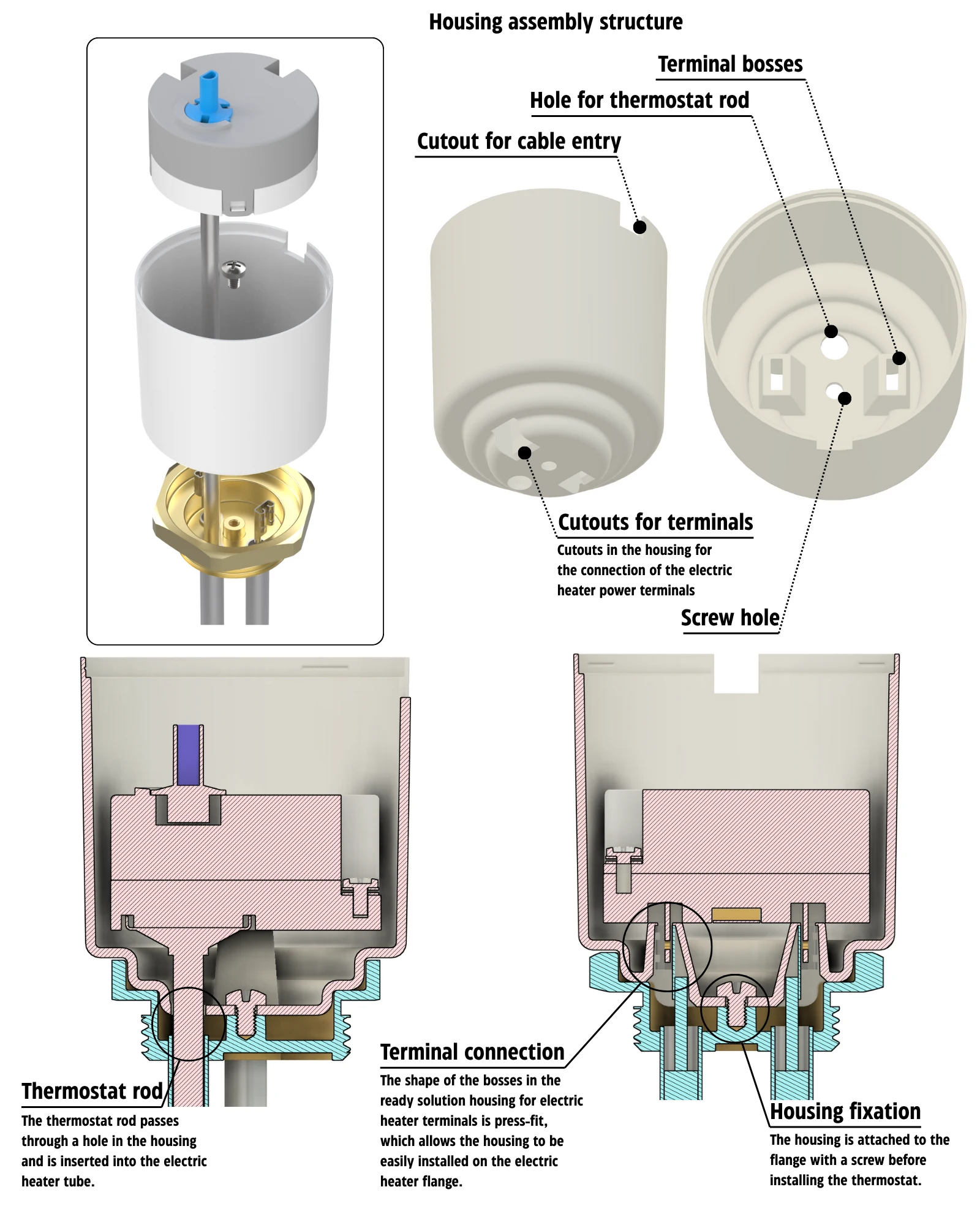
Housing assembly structure
Material: ABS/PC;
Color: white;
Surface: glossy.
The housing assembly comprises elements such as an electric heater, which is installed and secured to the housing itself with a screw, and a thermostat, which completes the assembly and also serves as a rigid connection element. Therefore, when replacing the thermostat or electric heater, the rigidity of the connection must be taken into account, and special tools must be used for disassembly and reassembly. The thermostat operates within a range of 25-75 degrees Celsius; therefore, ABS/PC is used as the main material for the housing.
Housing assembly structure
Cover assembly structure
The cover consists of two parts: the cover itself and a transparent insert. An LED indicator is also attached to the cover. The cover has special snaps that attach it to the housing and a special socket into which the LED is installed. The top of the cover has a special cavity for installing a decorative transparent insert.
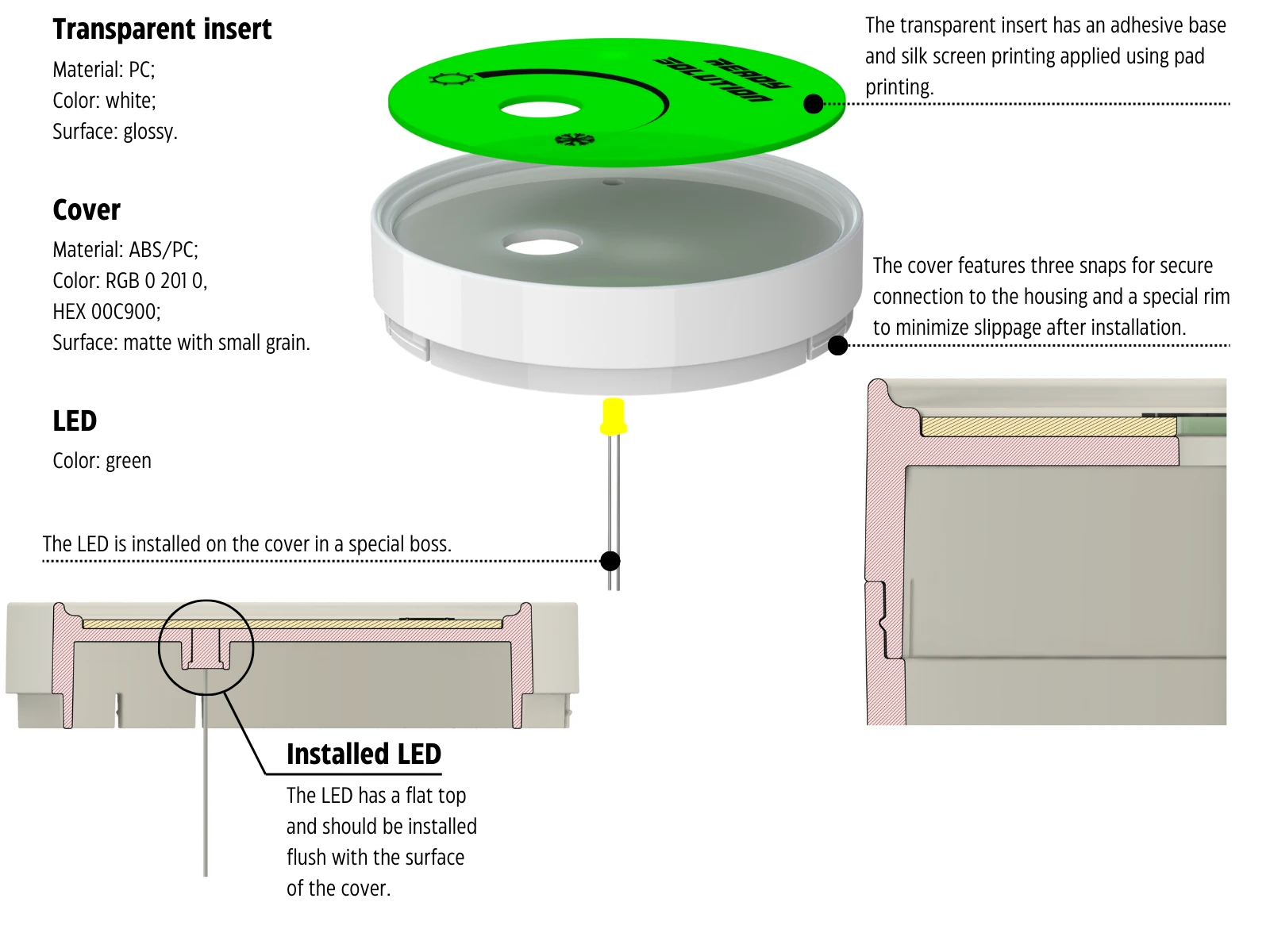
Cover structure
Thermostat handle
The system for transferring torque from the hand to the thermostat consists of a handle and a shaft. There is a special hole in the cover for inserting the handle. The shaft has a special grooved surface on top, which helps to create a “rigid” connection between the shaft and the handle. A special slot on the shaft and a rib in the handle help to install them correctly on the thermostat and prevent the shaft from rotating in the handle.
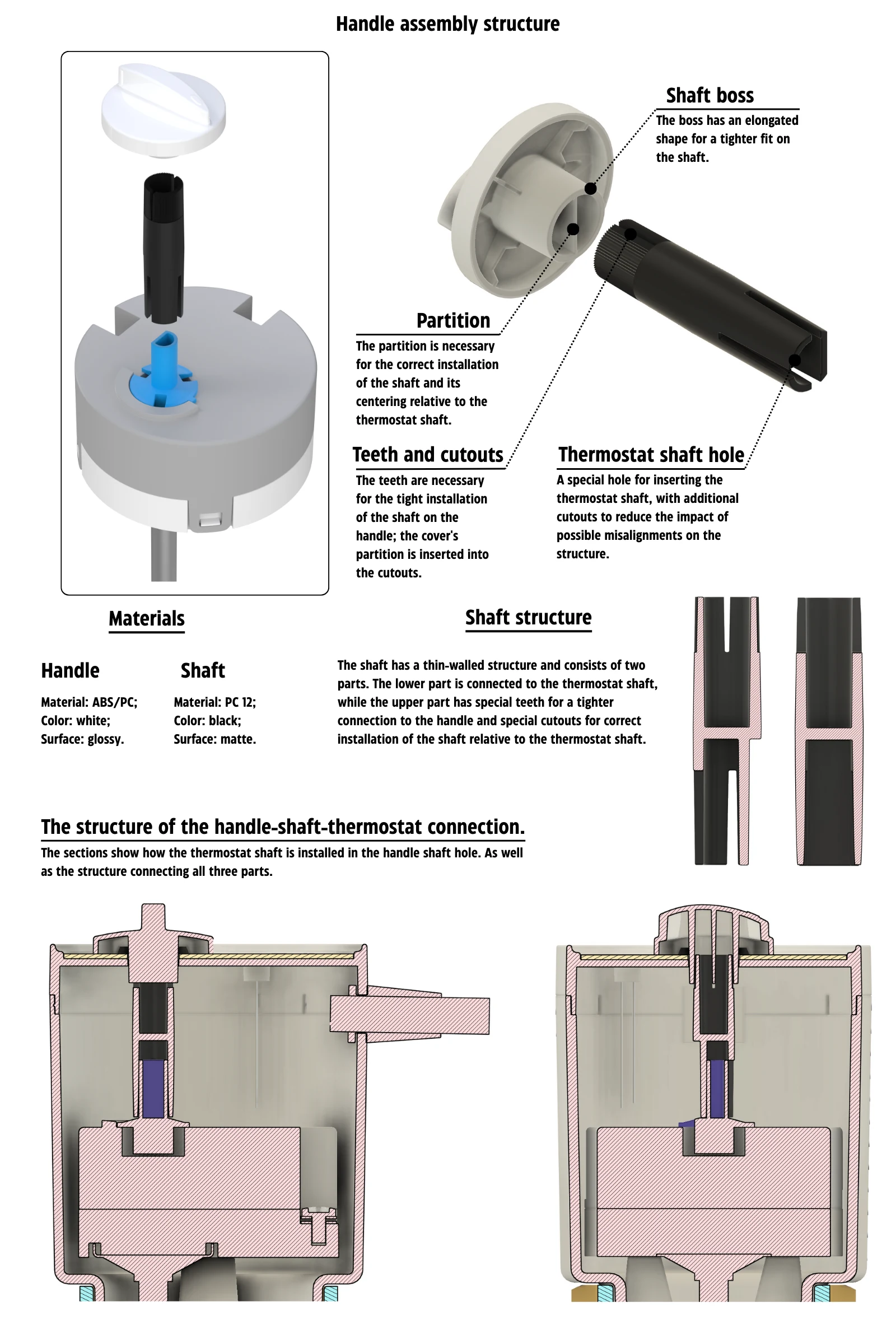
Handle-shaft-thermostat connection
Cable entry
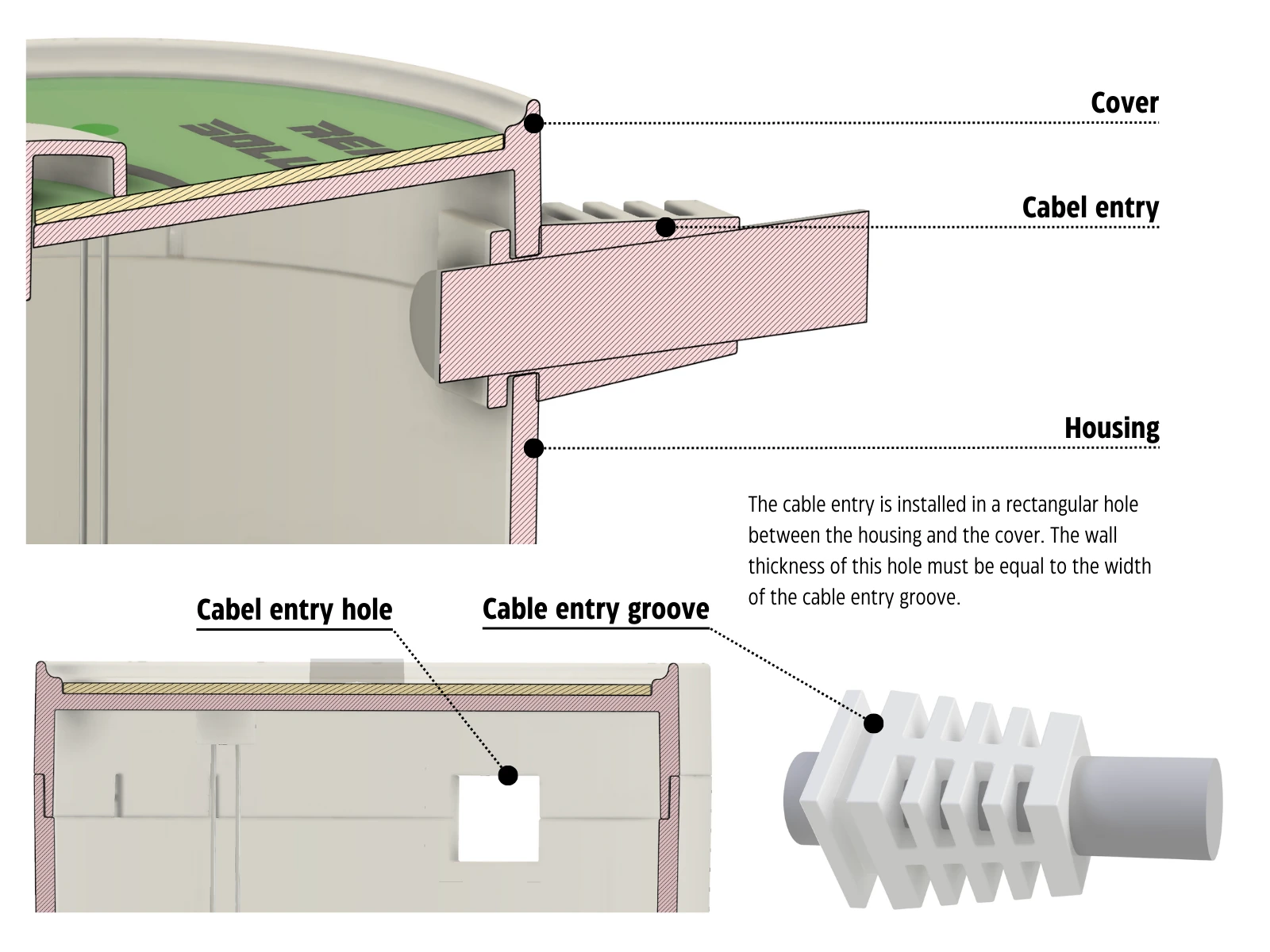
Special openings with fixed dimensions are provided in the housing and cover to prevent the cable from twisting and jerking as it enters the opening.
Like this project
Posted Jan 12, 2026
Redesign of a ready solution used to heat coolant in cast iron and aluminum radiators, as well as in indirect heating tanks.
Likes
1
Views
10
Timeline
Sep 10, 2020 - Oct 2, 2020