War: A Devastating Enemy of Public Health

Said Qabbaah


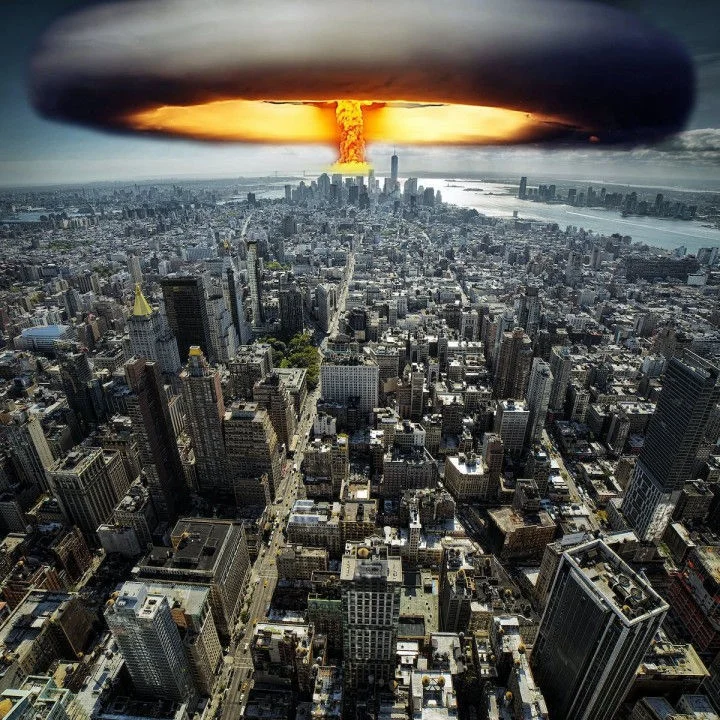
War is the ugly face of life. A grim reality that has accompanied civilisation since the dawn of humanity. It is a brutal reminder of the evil that has plagued our very existence, and no one is immune from its negative effects that are endured in varying degrees worldwide.
With devastating consequences on all aspects of life both directly and indirectly, an impact of a war is felt immediately upon its inception and can still persist long after it is over. In its wake, it leaves lasting scars on natural landscapes and man-made structures, causing extensive damage to entire populations with appalling and, often, life-changing repercussions on public health.
Public Health
According to the World Health Organization (WHO) public health is:
“All organized measures (whether public or private) to prevent disease, promote health, and prolong life among the population as a whole".
The National Academy of Medicine states that the aim of public health is:
"Fulfilling society’s interest in assuring conditions in which people can be healthy".
The UK's National Health Service (NHS) states that public health is simply:
"Helping people to stay healthy and protecting them from threats to their health".
Framework of Public Health Processes
War Effects on Public Health
In contrast to the concept that is represented by public health, war creates conditions in which people of course cannot be healthy, and instead are faced with the constant threat of death and injury.
An armed conflict has a complex and multifaceted impact on public health. Below is a list of the main effects that a war can have on public health:
Physical Health
The effects of war on physical health are catastrophic including loss of life, injury, disability, and spread of disease. Additionally, access to vital needs such as clean water, basic foods, and hygiene often becomes extremely difficult and sometimes even impossible. This leads to a rise in malnutrition and dehydration which in turn increase susceptibility of developing certain infectious and non-infectious diseases. Furthermore, access to adequate healthcare can also become compromised resulting in further adverse health effects.
Mental Health
War has a profound impact on mental health both in the short and long term. The violent nature of war, death, loss of livelihoods, constant displacement, and lack of adequate emotional or mental health support can cause severe mental trauma to the individuals affected. Mental health conditions that can be directly caused by wars include post-traumatic stress disorder (PTSD), depression, anxiety, psychosomatic disorders along with many other associated mental health disorders. The WHO estimated that wars cause serious mental health conditions in 10% of those affected with a further 10% unable to function effectively as a result. Furthermore, the effects of war on mental health are likely to be long term extending far beyond the immediate aftermath of a war.
Social Turmoil
War causes massive societal disruption by deeply impacting the infrastructure on which the society is built. Factors such as population displacement, losses of whole families and even communities, breakdown of social and health services, and the deprivation of access to vital needs result in the disintegration of public health, which has serious repercussions on physical and mental health.
Impact on Children
Children by far represent the most vulnerable victims in any armed conflict. The brutality of war and its horrific impacts on children tend to have long-lasting effects on children that can continue well into their adult lives. The exposure to violence, constant displacement, malnutrition, lack of adequate humanitarian access, loss of educational and healthcare facilities can all result in extreme physical and mental trauma, resulting in a profound impact on children's lives and even futures.
Impact on Environment
War has a direct and prolonged impact on the environment leading to grave consequences for public health. Toxic remnants of a war can result in chemical contamination, polluted water sources, impact on agriculture, and damage to environmental infrastructure which can all have significant long-term impact on public health.
Summary
In war there are no winners. All parties involved suffer its horrendous consequences as it causes widespread human suffering and misery. War is public health's number one enemy because it challenges its three main principles - health promotion, disease prevention and health protection, by resulting in health destruction, spread of disease, and loss of life.
While not much can be done to actually prevent one from starting, public health can still play a pivotal role in mitigating the dire health consequences of war, especially in regions where conflict is rife. Public health groups can push for policies that aim to reduce the health impacts of war and to prevent it from becoming a public health crisis.
Through health education, persistent action, and implementing prevention strategies, the negative health effects of a war can be anticipated, resulting in better preparation and more effective action to be taken once a war does break out. Although some may consider these steps as being somewhat small when compared to the sheer complexity of a war, they are definitely steps in the right direction to making a bigger impact and a healthier world.
<Picture(s) credit to the rightful owner(s)>
Like this project
Posted Oct 12, 2025
War can have devastating consequences on all aspects of life, both directly and indirectly, with an impact that is immediate that can last for generations.