The Impact of Stress and Effective Coping Strateg

Said Qabbaah


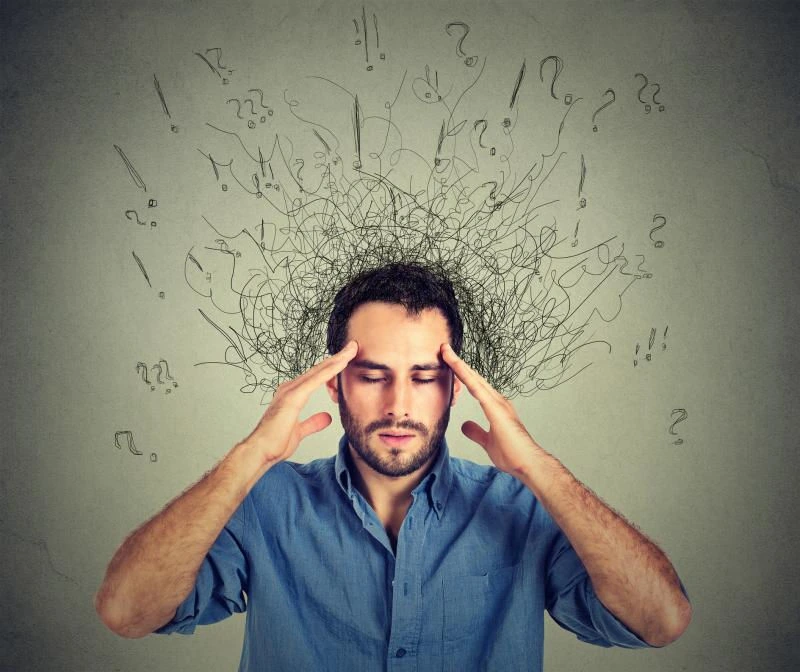
In today's fast-paced world, stress has become an inevitable part of our daily lives. Despite our hard efforts to change or improve any aspect of life, stress seems to always find its secret way of preventing us from becoming a better version of ourselves.
Although stress is considered to be a natural response to challenging situations that may actually be beneficial at times, prolonged exposure to stress can in fact have detrimental effects on health, both physically and mentally.
Here, we'll explore the impact of stress with a specific focus on men's health, including tips on effective coping strategies to help combat its negative health effects.
What is stress?
Stress is a natural human response that is experienced by everyone in some way or another, and involves the trigger of a chain of thoughts and actions for addressing certain challenges and threats in life. It can take on various forms in terms of severity and extent, and can have a number of different causes. For example, stress could be related to a specific source such as an upcoming deadline at work, or could be caused by something more general such as life expectations or long-term goals.
The experience of stress and how it is specifically dealt with varies significantly between one person and another, and depends on a number of factors such as genetics, personality, and socio-economic status.
Physiology of stress
The simplest way to define stress is to think about it as a physiological response that is caused when any stimuli from any origin disrupt ‘homeostasis’ - the state of balance within all physical systems needed for a body to function properly and survive. The stimuli act as the ‘stressor’ and the physiological changes involved in the reaction to a stressor act as the ‘stress response’. This response to stress is the result of a complex interaction between the nervous, hormonal, and immune systems.
In the short term, the stress response to ‘acute’ or sudden stress lasts for a period of minutes to hours, for example, when suddenly frightened; whereas ‘chronic’ or long-term stress leads to a prolonged response that can last for weeks, months or even longer, for example, when faced with long-standing financial difficulties.
What are the signs and symptoms of stress?
The stress response starts as a natural 'fight-or-flight' response that prepares the body to adapt to a specific stressor within the environment. This forms a fundamental part of our survival because it enables us to protect ourselves and perform effectively under certain stressful conditions within our environment.
The short-term stress response involves the natural release of certain hormones in the body, also known as ‘stress hormones’, which includes mainly adrenaline, noradrenaline, and cortisol. This causes widespread physical effects on a number of different organs and systems in the body such as our heart, blood vessels, breathing, brain, nerves, digestive tract, muscles, hormonal glands, and immune system.
The main aim being to enhance the physical and mental performance of the individual in preparation to deal with the threat or challenge. As a result, we experience the classic symptoms and signs typically associated with stress, such as:
Elevated blood pressure and heart rate
Shortness of breath
Increased muscle strength, tension, or pain
Shaking or trembling
Headache, dizziness, or feeling faint
Nausea or change in appetite
Increased mental activity/ difficulty in concentration
Heightened sensitivity to stimuli (such as noise or light)
Irritability, mood swings, restlessness, or feeling on edge
Effects of stress on men's health
Normally, once the perceived threat gradually fades, the stress response also subsides fairly quickly, and the body returns to its normal ‘pre-arousal’ state. However, if exposure to stress is prolonged or when stress is experienced repetitively over a short period of time, this will put the body into a state of constant stress, where the body's initially protective stress response will actually become harmful to health.
If left unmanaged, stress could result in a number of negative health effects in men, where the longer that persistent stress is experienced, the higher the chance that there will be a negative impact on physical and mental health in the long term. Mentally, prolonged stress can take a toll on men's emotional wellbeing, contributing to symptoms of irritability, mood swings, and difficulty concentrating; in more severe cases, it can even result in anxiety, depression, and feelings of burnout - a phenomena that is becoming increasingly more common these days.
Unfortunately, men are often less likely to seek help for mental health concerns, leading to underdiagnosis and under treatment of a variety of mental health conditions. This ‘stigma’ surrounding men's mental health can cause the problem to become much worse, making it challenging for men to share their struggles and seek support when needed.
In addition, chronic stress in men can also increase the risk of developing a host of long-term health conditions and other disorders, such as:
High blood pressure, heart disease, and strokes
Type 2 diabetes
Gastrointestinal disorders, including stomach ulcers, chronic reflux, and irritable bowel syndrome (IBS)
Metabolic syndrome (a combination of high blood glucose, abnormal cholesterol levels, increased waist circumference, and high blood pressure).
Auto-immune disease, including Graves' disease and rheumatoid arthritis
Chronic headache and migraine
Recurrent upper respiratory tract infections and asthma
Sleep disorders, such as insomnia
Worsening of pre-existing physical and mental health conditions.
Increased likelihood of engaging in negative actions and habits, including excessive alcohol consumption, smoking, prescription and/ or recreational drugs, gambling, and binge-eating.
Relationship difficulties and reduced overall quality of life.
Premature ageing and earlier death.
How to effectively manage stress
Despite the feeling that stress can, at times, feel like a never-ending tunnel, fortunately there are plenty of strategies that a man can follow in order to effectively reduce his stress and its resulting impact on life, such as:
Having good general awareness of stress, including recognising its potential triggers as well as its common signs and symptoms, is very important for addressing it early on before it can lead to significant health problems over time.
Simple positive changes to lifestyle, including the consumption of a healthy diet with emphasis on quality and variety, in addition to engaging in regular moderate-intensity physical exercise, and good sleeping habits that focus on adequate duration and good sleep quality.
Practising mindfulness by focusing attention on the present moment, without judgment or attachment to thoughts or feelings. This can be done with the help of certain practices, such as daily meditation, breathing exercises, and yoga that often help achieve ‘healthy’ relaxation through greater clarity, calmness, and emotional resilience.
Maintaining a positive mindset with particular emphasis on the regular expression of feelings and thoughts of gratefulness.
Practising self-care and allowing time for oneself to do the things that bring personal pleasure and joy, for example reading a favourite book, doing a meaningful hobby, or learning something new for encouraging one's own development. While avoiding unhealthy methods of managing stress, for example excessive consumption of alcohol, tobacco, recreational drugs, or over-eating.
Spending time in the outdoors, and increasing contact with nature and exposure to natural light, which have been proven to be effective in generally reducing stress.
Having meaningful social interactions, building strong connections, and developing healthy relationships which strengthen the sense of support system and so helps mitigate the impact of stress.
Developing an attitude that encourages a sense of humour and promotes happiness, which is important in dealing effectively with the ‘seriousness’ of daily life and dealing effectively with its resulting stresses. This also includes minimising stress-provoking actions or habits that may increase the likelihood of triggering one's own negativity and stress, for example through the overuse of social media and excessive watching of news, that are often filled with negative notions and visuals especially due to the current world events.
Engaging in certain behaviours or actions that bring a sense of purpose and feelings of helpfulness, fulfillment, and satisfaction. For example, through volunteering, charity, or even offering any kind of help to a complete stranger.
Social support is also crucial for managing stress effectively. Having a strong support network of friends, family members, or support groups where men can share their experiences, seek advice, and receive encouragement is very important. Promoting open communication where men are able to share feelings and experiences can help reduce feelings of isolation and provide valuable perspective on how to cope with stress effectively.
Improving some areas that relate to personal skillset, such as time management, task prioritisation, and organisation, whether at work or at home, would help to bring more order and structure to one's day, therefore reducing the overall risk of developing stress.
Furthermore, seeking professional help when needed is essential for managing stress and maintaining good mental and physical health. Whether through therapy, counseling, or medication, there are various treatment options available. It is vital for men to recognise that seeking help is a sign of strength, not weakness, and that prioritising their mental health is essential for overall health and wellbeing.
Summary
Stress is a common experience in most, if not all, men especially in today's rapidly changing environment. While total elimination of stress is quite unrealistic, and more of a fiction than a fact, we can easily modify our lifestyle to certainly reduce its effects on our health and lives. Improved self-awareness enables better self-control, which is essential for minimising the effects of chronic stress and maintaining overall wellbeing.
Understanding stress, and most importantly, knowing how to respond to it, allows men to navigate stress and empowers them to manage it more effectively, leading to the positive experience of a happier, stress-free life. As Maureen Killoran, a renowned Universalist Minister who specialises in positive change, once said:
“Stress is not what happens to us. It is our response to what happens, and response is something we can choose”.
To access the magazine/newspaper version, click the file or link below:
Like this project
Posted Oct 10, 2025
Although stress is considered to be a natural response to challenging situations, prolonged exposure to stress can in fact have detrimental effects on health.