Understanding Strokes: Causes, Symptoms, and Prevention

Said Qabbaah


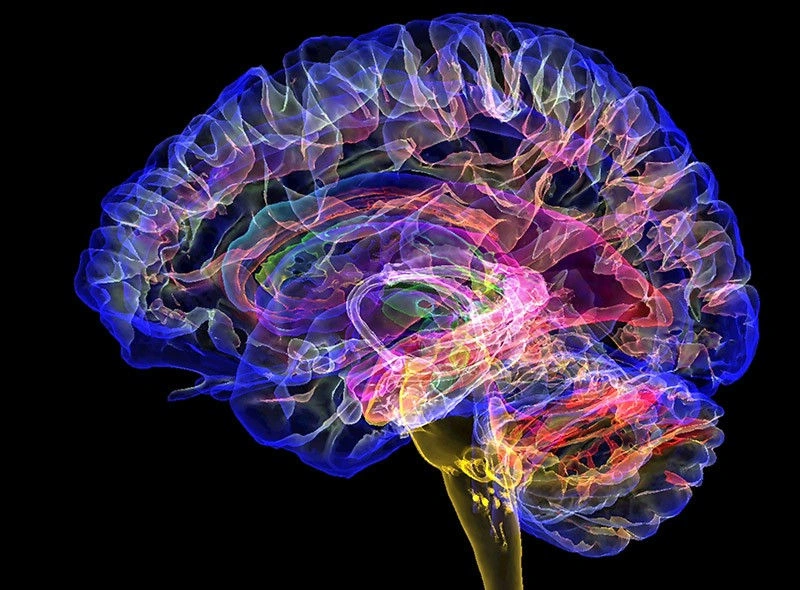
A stroke is a medical emergency that requires immediate attention. It happens when the blood supply to any part of the brain is interrupted or reduced, preventing the brain tissue from getting the oxygen and nutrients it urgently needs.
Within minutes, brain cells begin to die, which means that quick action is absolutely necessary to try to limit the damage caused. In order to do that effectively, it's crucial to have a good understanding of the causes, symptoms, and prevention strategies for strokes that can significantly reduce their impact and improve outcomes.
Causes of stroke
Strokes are primarily classified into two main types: ischaemic (reduced blood flow) and haemorrhagic (bleeding), with each type having distinct causes and risk factors.
Ischaemic stroke
Ischaemic strokes account for over 80% of all strokes. They happen when a blood clot blocks or narrows an artery leading to the brain. These clots can form due to several conditions:
Atherosclerosis: A condition characterised by the buildup of fatty deposits (plaques) on the inner walls of arteries. These plaques can rupture and cause blood clots.
Cardioembolism: A blood clot forms in the heart and travels to the brain. Atrial fibrillation, a type of irregular heartbeat, is a common cause of ‘cardioembolic strokes’.
Small vessel disease: Also known as ‘lacunar stroke’, this occurs when blood flow is blocked in the smaller blood vessels deep within the brain.
Haemorrhagic stroke
Haemorrhagic strokes happen when a blood vessel in the brain bursts, leading to bleeding (haemorrhage) in or around the brain. This type accounts for around 15% of all strokes. The main causes include:
Hypertension: Prolonged high blood pressure can weaken blood vessels, making them prone to rupture.
Aneurysm: Abnormal bulges in blood vessels that can burst, leading to haemorrhage.
Arteriovenous malformation (AVM): This condition is present at birth (congenital) and is caused by the abnormal connection between arteries and veins in the brain that can rupture, causing bleeding.
Trauma: Head injuries can cause blood vessels in the brain to rupture.
Symptoms of stroke
Recognising the signs of a stroke can save lives and reduce their negative impact. The acronym FAST helps people remember the most common symptoms of strokes:
Face drooping: One side of the face may droop or feel numb. Ask the person to smile, and see if it appears uneven.
Arm weakness: One arm may become weak or numb. Ask the person to raise both arms and see if one drifts downward.
Speech difficulty: Speech may become slurred or hard to understand. Ask the person to repeat a simple sentence.
Time to call emergency services: If any of these symptoms are present, call emergency services immediately.
There are also many other symptoms of strokes. These include:
Sudden confusion or trouble understanding speech
Sudden trouble seeing in one or both eyes
Sudden trouble walking, dizziness, loss of balance, or lack of coordination
Sudden severe headache with no known cause
Effective prevention strategies
Preventing strokes involves managing risk factors and making healthy lifestyle choices. Key strategies to reduce the risk of developing a stroke are aimed at lowering the risk of developing high blood pressure, diabetes, and high cholesterol, in addition to their resulting complications. This also applies to those who already have those pre-existing health conditions. These include:
Having regular medical ‘check-ups’ which can help in the early detection and management of risk factors for stroke, and must involve the regular monitoring of blood pressure, blood sugars, and cholesterol. For those who have chronic health conditions such as high blood pressure or diabetes, they must take their prescribed chronic medications exactly as directed by their treating doctor.
Reducing salt (sodium) intake and eating a balanced healthy diet rich in fruits, vegetables, whole grains, and lean proteins, such as fish, poultry, beans, and nuts. This should be done while limiting as much as possible foods containing saturated and trans fats, cholesterol, and salt, as well as avoiding processed foods, sugary foods and drinks.
Engaging in regular physical exercise, which helps maintain a healthy weight, lower blood pressure, and reduce stress. Aim for at least 150 minutes of moderate-intensity exercise per week, such as:
- Brisk walking
- Other similar physical activities
Maintaining a healthy weight, because obesity and being overweight contribute to various stroke risk factors, including hypertension, diabetes, and high cholesterol. Strategies for maintaining a healthy weight include:
- Eating a balanced, nutritious diet
- Engaging in regular physical activity
- Setting realistic weight loss goals and tracking progress
Limiting alcohol consumption, since excessive alcohol intake can increase blood pressure and the risk of stroke. General guidelines for moderate drinking include limiting alcohol to no more than one drink per day for women and two drinks per day for men, choosing non-alcoholic alternatives whenever possible
Quitting smoking because this damages blood vessels and significantly increases stroke risk. As a result, stopping this bad habit can greatly improve vascular health and reduce the chances of getting a stroke. It's important to remember that while this may seem difficult, and sometimes even an impossible task, fortunately there are many options available to smokers that can help make this process easier and more successful, such as:
- Seeking counseling or support groups
- Using nicotine replacement therapy or medications
- Making a ‘quit plan’ and setting a ‘quit date’
Monitoring and treating atrial fibrillation if present. Atrial fibrillation (AFib) is a common heart rhythm disorder that increases the risk of a stroke as a result of the possiblity of developing blood clots. Management of this potentially dangerous irregular heart beat includes:
- Regular monitoring by a healthcare provider
- Taking prescribed medications to control heart rate and rhythm
- Considering blood-thinning (anticoagulant) therapy to prevent blood clots
Strokes are a leading cause of death and disability worldwide, but many strokes are preventable. By understanding the causes, recognising the symptoms, and being aware of the effective prevention strategies, people can significantly reduce their risk of developing this potentially life-threatening condition. Adopting a healthy lifestyle, managing medical conditions, and staying vigilant about cardiovascular health are key steps in stroke prevention. Remember, in the event of a stroke, every minute counts, so knowing the signs and acting FAST can help save lives and improve health outcomes.
Like this project
Posted Oct 10, 2025
It's crucial to have a good understanding of strokes, including being aware of the causes, symptoms, and prevention strategies, to help improve health outcomes.