Cold and Flu Season: Healthy Strategies for a Healthy Winter

Said Qabbaah


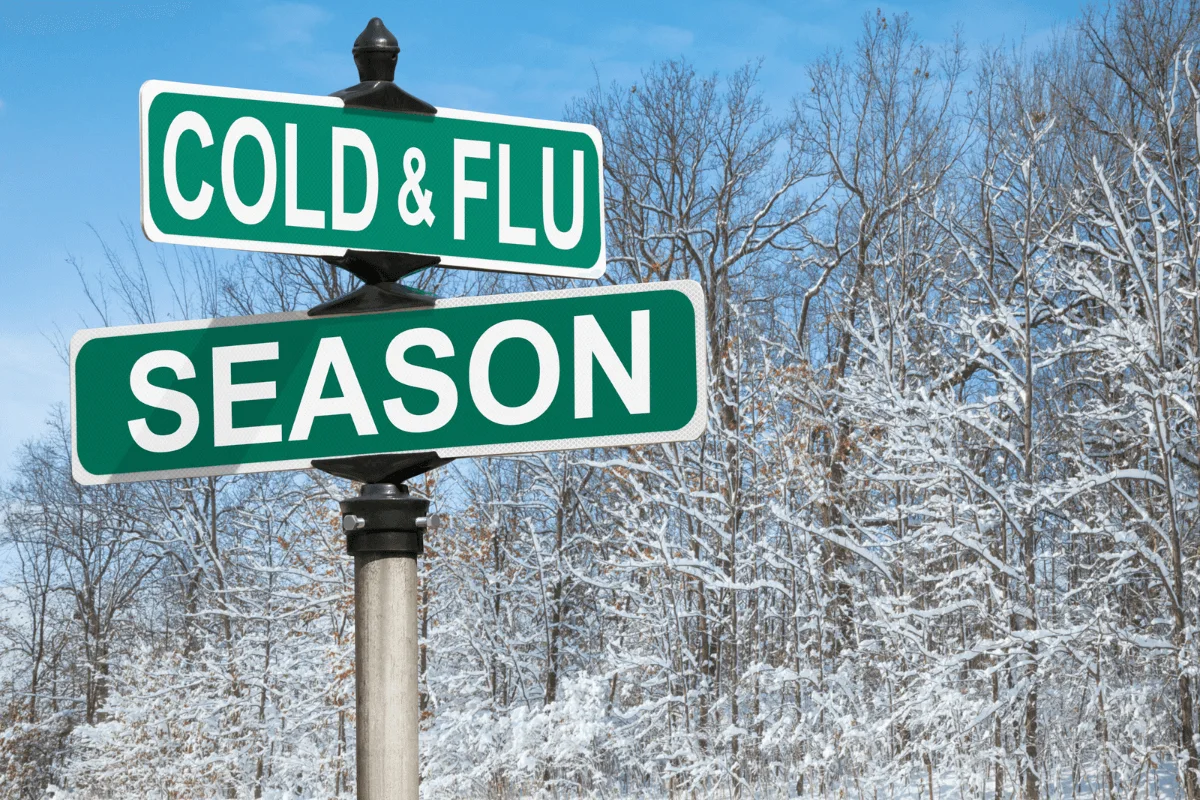
As the days grow shorter and the temperatures drop, many people are reminded that cold and flu season is upon us. While it's impossible to completely avoid exposure to these seasonal viruses, there are several steps you can take to boost your immune system, reduce the risk of infection, and maintain your overall health throughout the winter months.
Understanding Cold and Flu
The common cold and the flu are both respiratory illnesses caused by different viruses. The cold is typically caused by a virus, called rhinovirus, while the flu is caused by the influenza virus. Though both can produce similar symptoms—such as sore throat, congestion, cough, and fatigue—the flu is generally more severe, often leading to fever, body aches, and longer-lasting symptoms, and can even lead to complications like pneumonia.
Cold and flu viruses spread primarily through respiratory droplets when an infected person coughs, sneezes, or talks. The viruses can also survive on surfaces, which means that it's still possible to get sick by touching contaminated surfaces and then touching your face, especially your eyes, nose, or mouth. Because these viruses thrive in cooler weather, and as people tend to spend more time together indoors, cases typically spike during autumn and winter. Therefore, understanding how these viruses spread is the first step in preventing them.
Boosting the Immune System
The immune system is your body’s defense mechanism against infections, including colds and the flu. For this reason, keeping your immune system strong is key to staying healthy during the cold and flu season.
Balanced Diet: A nutrient-rich diet is essential for a strong immune system. Focus on foods that are high in vitamins, minerals, and anti-oxidants. Vitamin C, found in citrus fruits and leafy greens, is particularly beneficial for immune health. Vitamin D, which we get from sunlight as well as foods including some fish, eggs, and fortified dairy, also plays a crucial role in immune function. Zinc, found in foods like red meat, poultry, nuts, and seafood (especially oysters), also helps strengthen the immune system.
Staying Hydrated: Hydration is crucial for overall health, including immune function. Water helps flush out toxins from the body and ensures that your cells can function properly. During the winter, people often drink less water because they don’t feel as thirsty. However, dry indoor air and heating systems can easily dehydrate the body, so it's important to make an effort to stay hydrated by drinking plenty of water and consuming hydrating foods like fruits and vegetables, as well as soups.
Adequate Sleep: Sleep is when your body repairs itself, and it plays a crucial role in immune health. Research shows that people who don’t get enough sleep are more susceptible to infections like the cold and flu. Aim for 7-9 hours of sleep per night to help your body defend itself effectively against illnesses.
Practising Good Hygiene
Good hygiene is one of the most effective ways to prevent the spread of cold and flu viruses.
Frequent Handwashing: Handwashing is the most important preventive measure you can take against cold and flu viruses. Washing your hands with soap and water for at least 20 seconds helps remove germs you may have picked up from surfaces. If soap and water are not available, using an alcohol-based hand sanitiser can also help kill germs.
Avoiding Face-Touching: Viruses often enter the body through the mucous membranes—the moist, inner lining of some organs and body cavities such as the nose, mouth, and eyes. Many people touch their faces frequently without realising it, so try to be mindful and reduce this habit to lower your risk of infection.
Covering the Mouth and Nose: When coughing or sneezing, it's best to cover your mouth and nose with a tissue or your elbow, rather than your hands. This prevents respiratory droplets from becoming airborne and infecting others. Also, make sure to dispose of tissues immediately and wash your hands as soon as you get the opportunity to do so.
Staying Physically Active
Regular exercise can help boost your immune system by promoting good circulation, which allows immune cells to move through the body more efficiently. Even moderate exercise, such as brisk walking, can reduce your chances of getting sick during the cold and flu season. Aim for at least 30 minutes of physical activity most days of the week. However, it’s important to listen to your body—if you’re already sick, it’s best to rest and recover instead.
Managing Stress
Chronic stress can weaken your immune system, making you more vulnerable to infections, because during stressful periods, the body releases certain stress hormones, such as cortisol, which can suppress immune function. Finding healthy ways to manage stress is crucial for reducing risk of illness and maintaining overall health.
Mindfulness and Meditation: Practising mindfulness or meditation can significantly help reduce stress levels and improve emotional wellbeing. Taking just a few minutes each day to focus on your breath or engage in calming activities can make a big difference.
Stay Connected: Social isolation can contribute to feelings of stress and anxiety, which in turn can negatively impact your immune health. Staying connected with friends and family, even virtually, can help alleviate negative feelings and boost immune function during the winter months.
Getting Vaccinated
The flu vaccine (also known as the ‘flu shot’) is one of the most effective ways to prevent the flu and its complications. While it doesn’t provide 100% protection, the flu vaccine significantly reduces the risk of severe illness and hospitalisation. It's recommended that everyone over six months of age get vaccinated, especially those in high-risk groups, such as pregnant women, the elderly, and people with underlying health conditions.
Maintaining a Healthy Environment
Your surroundings play a role in maintaining your health during cold and flu season. Taking a few extra steps to create a healthier environment can reduce your risk of getting sick.
Clean and Disinfect Surfaces: Cold and flu viruses can survive on surfaces for hours, so regularly cleaning and disinfecting high-touch surfaces like doorknobs, light switches, and phones can help reduce the spread of germs.
Use a Humidifier: Cold, dry air can dry out the mucous membranes in your nose and throat, making you more susceptible to infections. Using a humidifier can add moisture to the air and help protect your respiratory system. Just make sure to clean the humidifier regularly to prevent growth of harmful mould and bacteria.
Ventilate Your Home: During the winter, people tend to keep their windows closed to stay warm, but this can trap viruses indoors. Whenever possible, open windows or use fans to improve air circulation in your home, reducing the concentration of airborne viruses and the chances of getting sick.
Know When to Stay Home: If you do catch a cold or the flu, it’s important to stay home and rest. Not only will this help your body recover more quickly, but it will also prevent spreading the virus to others. Most people recover from colds within a week, but flu symptoms can last longer. While various treatments can help alleviate the symptoms of colds and flu, there is no actual cure for these illnesses.
Summary
Cold and flu season doesn't have to mean months of illness and feeling miserable. By adopting healthy habits and staying informed, you can reduce your risk of getting sick and make the most out of this special time. Simple everyday choices can make a big difference in protecting yourself and your loved ones from seasonal illnesses, allowing you to enjoy a healthy, cozy winter.
Like this project
Posted Oct 10, 2025
While it's impossible to completely avoid exposure to the seasonal viruses, there are several steps you can take to maintain your overall health.