Asthma 101: Improved Control for a Better Quality of Life

Said Qabbaah


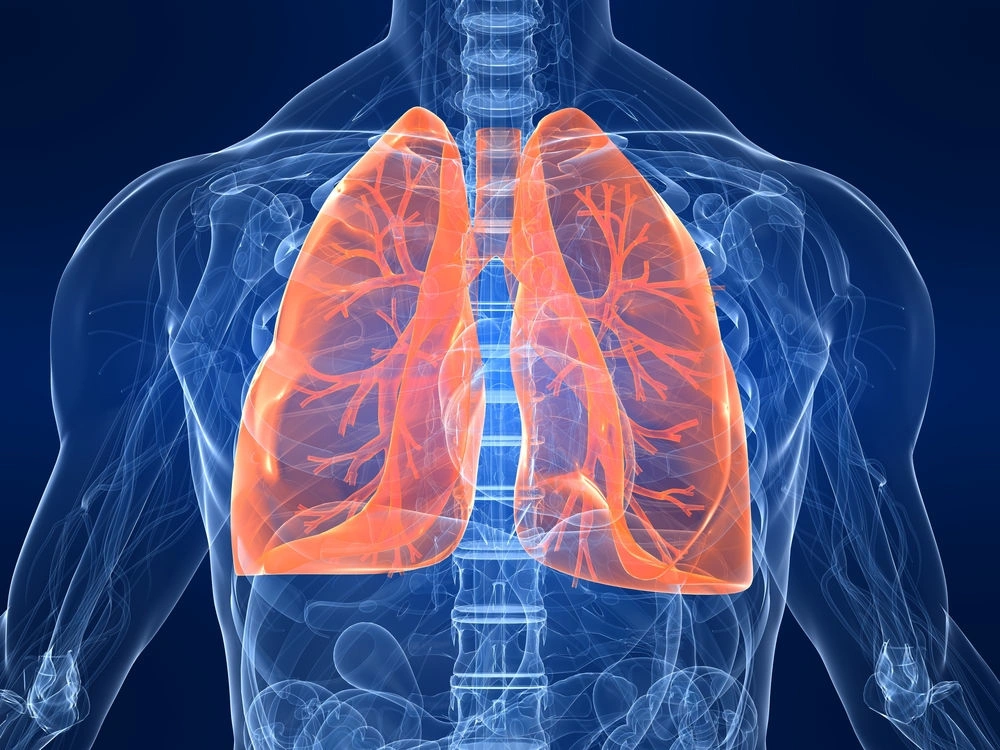
Asthma, a common lung condition affecting millions of people of all ages worldwide, can significantly impact the quality of life if not properly managed. However, knowing the main facts about asthma and the different strategies for managing it effectively will help individuals achieve better control of their condition, leading to an improved quality of life.
Asthma: What is it?
Asthma is a long-term (chronic) respiratory condition that can affect anyone at any age, and usually starts in childhood. It causes the airways in the lungs to become narrow, inflamed, and sensitive in response to certain triggers resulting in breathing difficulties. There is currently no cure for asthma, but there are many treatments available that can help control the associated symptoms and reduce impact on life.
What Are the Symptoms?
The main symptoms of asthma are:
Wheezing (whistling sound when breathing)
Shortness of breath
Chest tightness
Occasionally, the above symptoms can get temporarily worse, which is known as an ‘asthma attack’ where the onset of symptoms is not necessarily sudden but will occur gradually over the course of a few hours or even longer.
The symptoms can also vary in severity as well as frequency between one person to another, ranging from mild episodes that can come from time to time, to severe persistent attacks that can be even life-threatening and require urgent medical intervention.
Causes and triggers
Symptoms of asthma can happen randomly for no apparent reason, or could be a result of being exposed to a certain trigger. Although the exact cause of asthma remains unknown, there are certain things that can trigger the symptoms associated with the condition. Common asthma triggers include:
Allergies to dust mites, animals, or pollen
Presence of smoke or pollution
Respiratory infections such as a cold or flu
Medication – particularly anti-inflammatory painkillers such as ibuprofen or aspirin
Strong emotions, including stress or laughter
Weather changes – including cold air, wind, heat, and humidity
This is why it is extremely important to be aware of and avoid specific triggers for asthma to help keep the symptoms under control.
Treatment
No cure currently exists for asthma. However, there are many treatment options available for controlling symptoms that allow the affected individual to lead a normal and active life.
The main types of asthma treatment are broadly classified according to the following:
Reliever inhalers – These are used according to need in order to achieve rapid relief of symptoms when they do occur.
Preventer inhalers – These are used if symptoms continue even with the frequent use of a reliever inhaler. It is normally taken every day in order to prevent asthma symptoms from developing.
Combination inhalers – These contain a combination of two different types of drugs in a single inhaler, and are used every day to help stop symptoms occurring and provide long-lasting relief.
Oral medication – This may be required if asthma symptoms are severe and not responding to treatment with inhalers. This includes specific drugs such as ‘leukotriene receptor antagonists’ (LTRAs), theophylline, and steroid tablets which may be recommended if other treatments are not helping in terms of symptom control or if the asthma symptoms are severe. They are taken regularly, and often for prolonged periods of time. Steroid tablets may additionally be given as an urgent treatment for an asthma attack. Long-term or frequent use of steroid tablets can occasionally cause side effects, which is why it is essential to be monitored regularly while taking this type of treatment.
Other treatments – This is rarely needed but may be necessary in cases where all other treatments have not proven to be helpful. It includes injections of certain ‘biologic therapies’ given at specific intervals, and can greatly help with symptom control. This type of treatment may not be suitable for everyone with asthma, and can only be prescribed by an asthma specialist.
Another treatment option for asthma is surgery, with a procedure called ‘bronchial thermoplasty’. The procedure involves using gentle heat to shrink the smooth muscles of the airways in the lungs (the ones that constrict and cause the typical asthmatic symptoms). This treatment option is not common and is often reserved for the most severe cases of asthma that have not shown marked improvement with all other treatments.
Complementary therapy – Other forms of treatment can also be useful for asthma, such as doing certain breathing exercises – including the ‘Papworth method’ and the ‘Buteyko method’. While there is some evidence that may support these breathing techniques for improving symptoms of asthma and reducing the need for reliever medicines in some people, they should not be used instead of the prescribed medical treatment.
Key strategies for better control
Achieving the best control of symptoms is the ultimate aim of people with asthma. This means minimising the severity of symptoms, maintaining normal lung function, feeling comfortable and full of energy, and being able to fully participate in daily activities without restrictions.
A well-controlled asthma also means the reduced risk of asthma exacerbations or need for hospital treatment, both in the emergency department or as an in-hospital admission, therefore improving overall health outcomes and quality of life. The key strategies for achieving a well-controlled asthma include the following:
Education
Knowledge is power when it comes to effectively managing asthma. Affected individuals, family members, and healthcare providers must have a comprehensive understanding of the respiratory condition, including the associated triggers, medications, and action plans.
Medication adherence
It is crucial to follow the treatment regimen strictly and exactly as directed by the healthcare provider for an effective control of symptoms and to prevent asthma exacerbations.
Avoiding triggers
Identifying and avoiding asthma triggers can help reduce severity and frequency of symptoms, as well as improve asthma control in the long term.
Regular monitoring
Having a proactive approach to treating asthma is essential for effectively managing symptoms and preventing complications. This includes the regular monitoring of asthma symptoms, taking peak flow measurements (a simple test that reflects lung function by using a peak flow meter for measuring how quickly a person can blow air out of their lungs), and recording medication use, which all help in tracking the progression of the condition and the adjustment of treatments accordingly.
This plays a crucial part in the successful treatment of people with asthma, and will determine how well their asthma symptoms are controlled overall.
Healthy lifestyle
Making healthy lifestyle choices is very important for an improved lung function and reduction of asthma symptoms. These include regular physical exercise, eating a balanced diet, maintaining adequate hydration, good quality of sleep, and effective stress management techniques, which can all support respiratory health and improve asthma control.
Asthma action plan
Creating a personalised asthma action plan to follow, in collaboration with healthcare providers, empowers individuals to effectively manage their own condition at home. This action plan will usually contain an outline of the procedures to follow in the event of worsening symptoms or an asthma attack, as well as any necessary adjustments to medications and information about when to seek medical assistance.
Summary
Asthma Awareness Month is an important reminder of the significance of good asthma control and empowerment for achieving an overall improved health and wellbeing. By implementing key measures, individuals living with asthma can achieve optimal management of their symptoms and be able to enjoy a better quality of life as a result. Through raising awareness about asthma, we are able to better support those affected by the condition, and help them lead a healthy and fulfilling life.
To access the magazine/newspaper version, click the file or link below:
Like this project
Posted Oct 10, 2025
Knowing the main facts about asthma will help individuals achieve better control of their condition, leading to an improved quality of life.