Allergy Season: Dealing with Common Allergies During Spring

Said Qabbaah


We all love spring. It is a season that is welcomed with open arms by everyone as we greatly anticipate its arrival following the long dark and cold days of the winter. Spring is a time when nature comes to life with all its vibrant colours and beautiful aromas. It is when temperatures begin to climb gradually creating the perfect ambiance for spending time outdoors which adds to the whole positive experience of the season.
Typically, during spring we witness the revival of plants and trees as they come back to life following the lengthy dormancy of the preceding season. This is marked by the budding of new leaves, the blossoming of flowers, and the new growth of fresh green foliage that symbolises a new fresh start.
However for many people, the arrival of spring can also trigger unpleasant thoughts and result in negative experiences, because it signals the unwelcome arrival of spring’s unpopular companion - the seasonal allergy.
How Are Spring Allergies Caused?
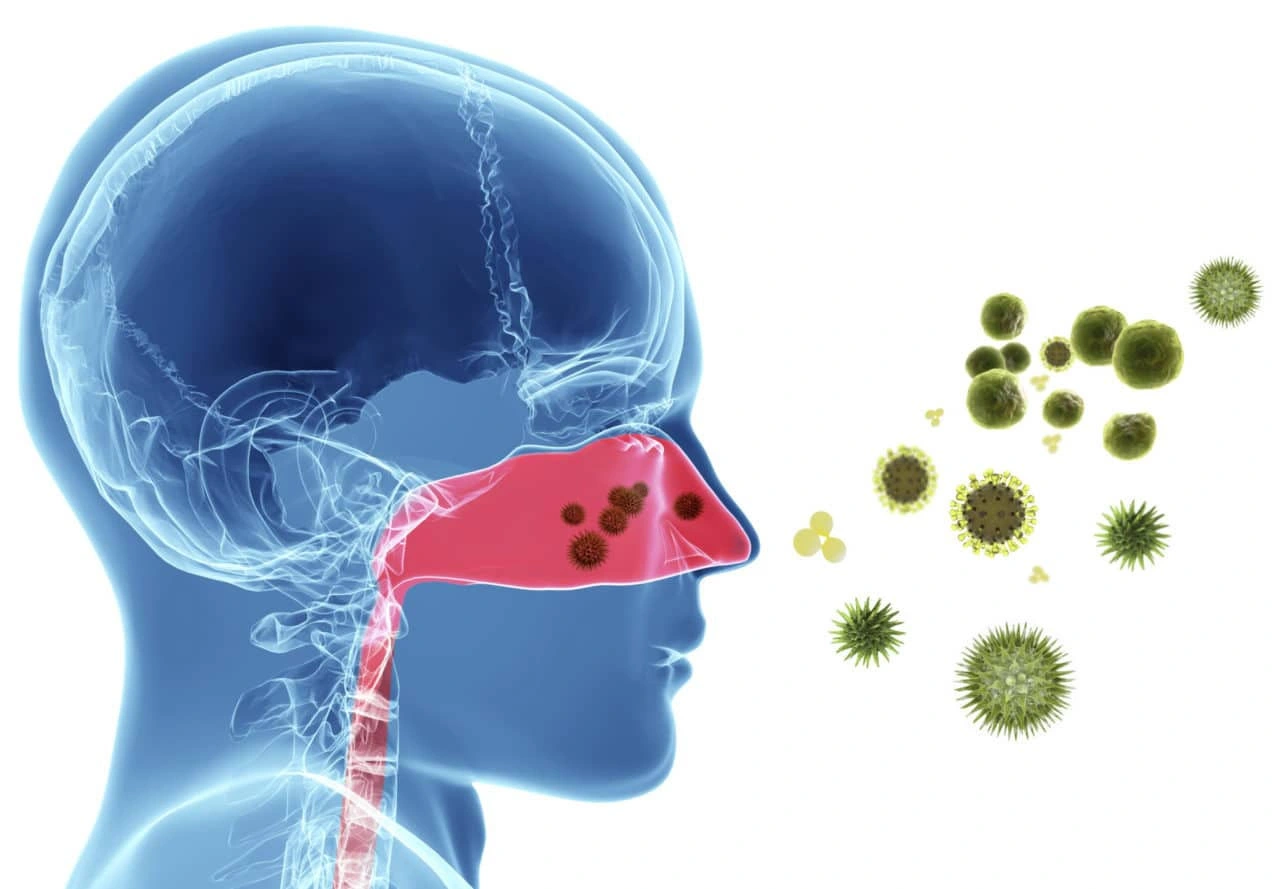
The warmer weather of the spring is associated with the release of pollen in the air, which are tiny grains that are naturally produced by a variety of trees, grasses, and weeds, for the purpose of fertilisation that takes place between plants.
This pollen can easily enter our respiratory system and trigger an immune response in susceptible individuals. This happens because in certain people, the immune system wrongly identifies pollen as a threat which triggers an exaggerated response by releasing natural chemicals found in the body, such as histamine, in an attempt to fight it.
This results in the classic symptoms of an allergy such as sneezing, nasal congestion, watery eyes, and itching. This allergic reaction may be more intense on windy days as the stronger winds tend to carry more pollen, leading to worse symptoms.
Spring allergies usually begin during the month of February and last until the early summer. However, this can vary slightly depending on the climate in the region. Additionally, the exact timing of the allergy depends on the presence of the specific pollen or ‘allergen’ that triggers the allergic reaction, which are released into the air at more or less specific times during the season.
Therefore, seasonal allergies, also known as ‘hay fever’ normally cause symptoms to appear during certain times of the year.
What Can Be Done for Relief?
While it may be impossible to completely avoid pollen and its unpleasant effects, there are certainly a number of ways that can help reduce exposure and achieve some symptomatic relief:
Monitoring pollen counts and peak times
Observe local pollen forecasts and spend less time outdoors when pollen levels are high; also consider staying indoors - if possible, during specific times of the day, such as in the morning or on a windy day, when the pollen is typically at peak levels.
Using efficient air filters
Using special filters called ‘high-efficiency particulate air (HEPA)’ filters in the cooling and heating systems of homes will help trap pollen and other allergens before they can reach the breathing. An indoor air purifier may also help.
Keeping windows closed
During spring, it is best to keep the windows closed as much and whenever it is possible, whether it is at home, in the car, or at work. This can help prevent pollen entering from the outside, therefore reducing the risk of an allergic reaction.
Additionally, it is highly advised to ensure that various surfaces are regularly cleaned in case there is any accumulated pollen over time, as well as regularly vacuuming which helps with getting rid of trapped pollen in carpets.
Maintaining personal hygiene
As obvious as it may sound, it is important to remember to shower and change into fresh clothes if returning from outside, in order to help remove pollen from the surface of the skin and prevent it from spreading indoors.
Taking allergy medications
Although no cure currently exists for allergies, proper management can significantly reduce symptoms and improve overall wellbeing and quality of life, especially during the spring season. Many treatments that aim to alleviate allergy symptoms are over-the-counter medications that include antihistamines, nasal corticosteroids, decongestants, and eye drops.
However, it is important to consult a doctor for personalised treatment options based on the medical history, especially if the symptoms are severe or persisting.
Starting immunotherapy
This is a type of medical treatment that works by stimulating the body's own immune system to fight certain diseases and allergies. It can involve various approaches, including the use of antibodies, vaccines, or other biological substances, to target specific cells or molecules involved in the disease process.
Allergen immunotherapy or ‘allergy shots’ involves the gradual desensitisation of the immune system to specific allergens with the aim of reducing allergic reactions over time. This form of treatment is often reserved for individuals with severe allergies that have not responded to other treatments, and provide relief for longer periods compared to other forms of allergy treatments.
Trying alternative therapies
While research on this particular topic is quite limited, some people may find some form of relief from spring allergies by taking natural homemade remedies, in addition to traditional treatments, such as honey, nasal irrigation with salt and warm water, or certain herbal supplements such as butterbur and stinging nettle.
However, it is important to consult a doctor before starting any herbal treatments as some may cause side effects or interact with certain medications.
Making lifestyle adjustments
Simple but effective changes to lifestyle including the daily consumption of a healthy diet rich in fruits, vegetables, and omega-3 fatty acids may help support immune function and reduce inflammation, potentially minimising allergy symptoms. Other lifestyle aspects include reducing stress which can in fact make allergy symptoms worse, by practicing daily mindfulness, mediation, and yoga.
Summary
Although spring allergies can undoubtedly dampen your season’s joy, armed with the right knowledge and strategies, symptoms can be effectively managed allowing you to fully embrace the real beauty of the season. By taking proactive steps to reduce exposure to pollen and exploring various treatment options, you can navigate allergy season with greater ease and reclaim your pleasure of the outdoors during spring.
So, as you witness nature renew itself and burst into vibrant colours, do not let your allergy become a barrier and remember to enjoy the splendour of spring just like nature itself - with positivity and energy.
To access the magazine/newspaper version, click the file or link below:
Like this project
Posted Oct 10, 2025
For some people, spring can also signal the unwelcome arrival of its unpopular companion: the seasonal allergy.