
Logos, brand systems, and shelf-worthy book covers
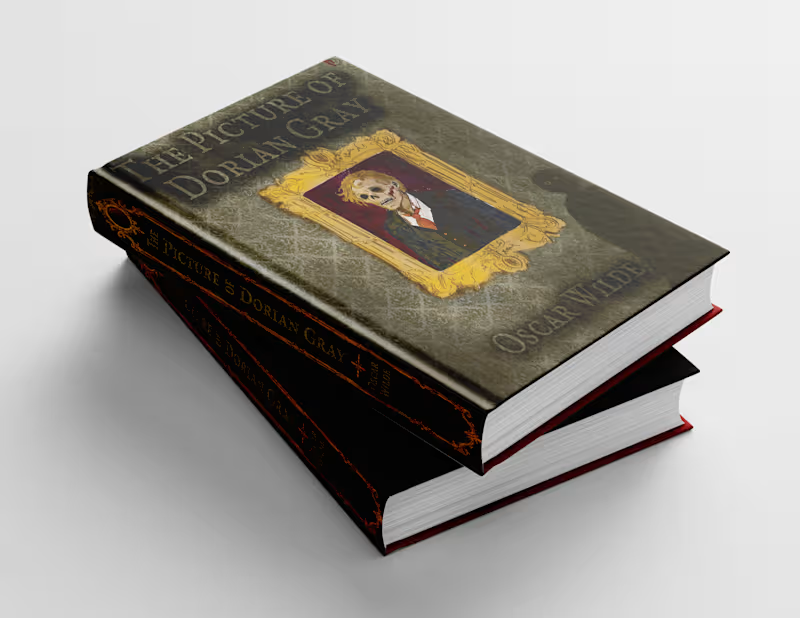
For the mockups, I wanted to see if the cover held onto the feeling I was aiming for: beautiful enough to draw you in, unsettling enough to make you look twice.
Here’s the finished Picture of Dorian Gray hardcover from a few angles. What detail draws your eye first?
1
235
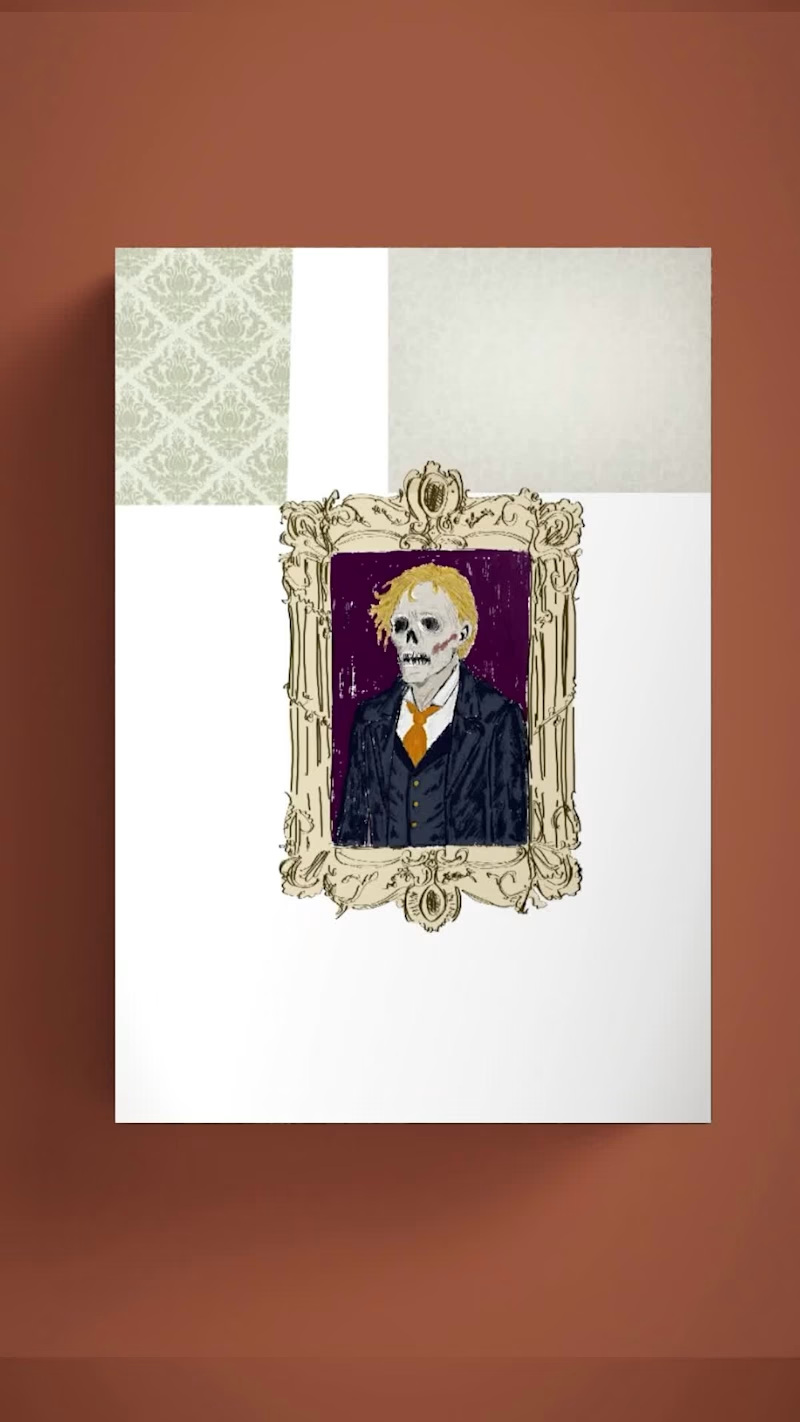
I shared the finished Picture of Dorian Gray cover earlier. This reel shows how I built it, one layer at a time, on the hardcover.
Seeing the wallpaper, frame, figure, and textures appear separately makes me notice what each one adds to the story. Which detail does the most work for you?
2
1
250

AZ Innovations came to me looking for a clean, elevated brand identity that felt different from the typical tech aesthetic. The brief called for a monogram/wordmark that would look strong across everything from invoices to digital platforms.
The interlocking “A” and “Z” represent the company’s mission to bridge vision and execution from start to finish. Violet communicates creativity and trust, while chartreuse adds energy and forward momentum.
The result: a bold, adaptable identity built around innovation, precision, and high-end service. ⚡️
2
1
227
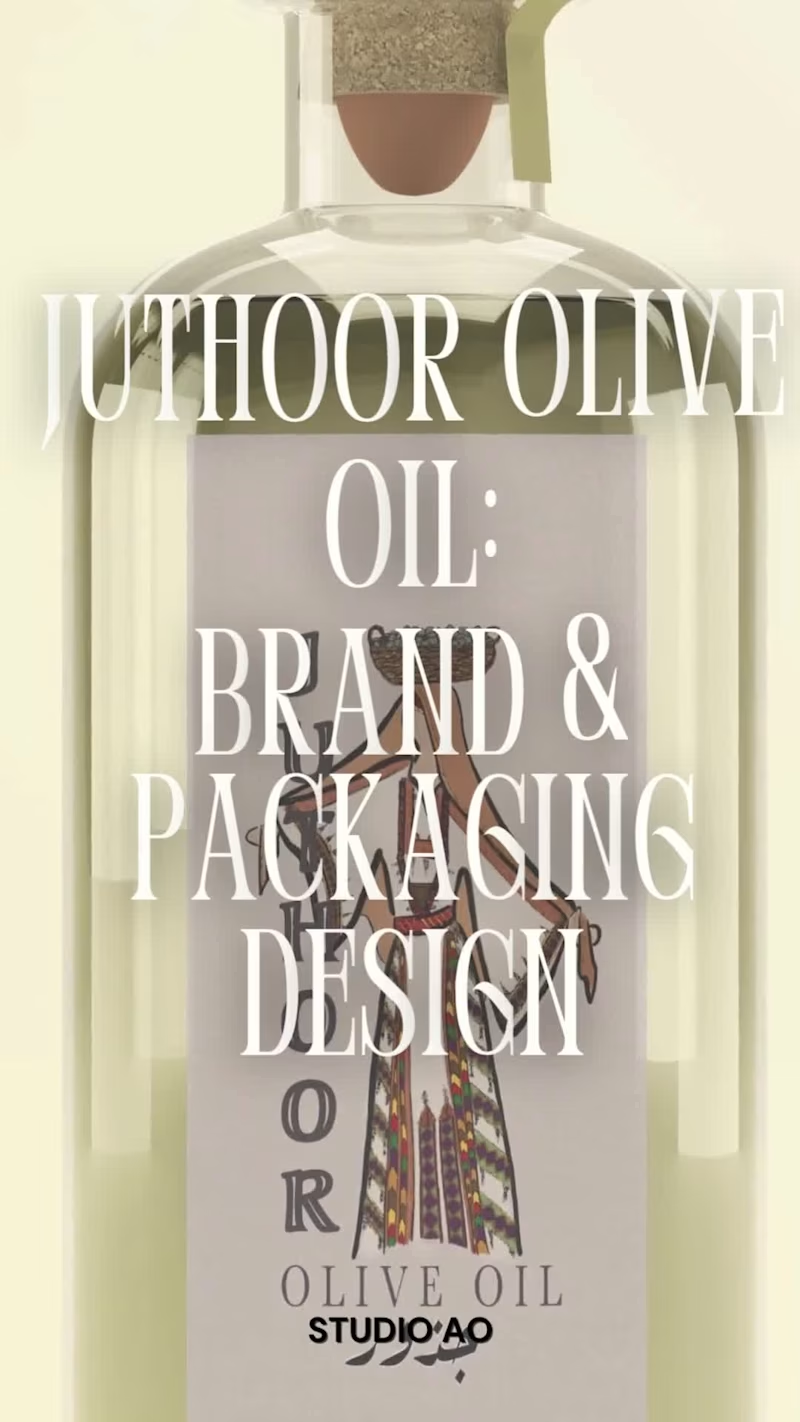
A small behind-the-scenes look at the Juthour Olive Oil identity.
This video shows part of the logo illustration process, from the initial drawing to seeing the mark applied on one of the packaging mockups. Since the full brand identity has already been shared, I wanted this post to focus more on the craft behind the mark and how it begins to live on the product.
Sometimes the smallest details in a logo are what help the whole brand feel more grounded, intentional, and connected to its story.
2
307

Product Photographer & AI Creative


Crafting Brand Visuals with Strategy



Product & Design Engineer

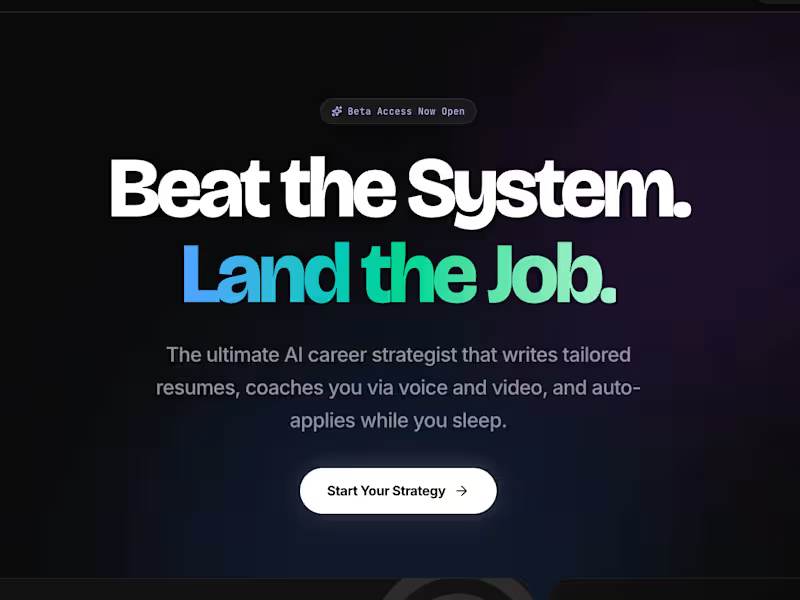
Cutting it close here, but I've been working on app called Hireable (https://joinhireable.com).
The elevator pitch for joinhireable.com (https://joinhireable.com) is it's a AI career strategist that creates tailored ATS resumes based on a job description and your work experience. (It also has some other nifty features like a job 'Kanban' board tracking*, interview prep, and skill analysis).
I had been working on it in AI Studio for the past month-ish, mainly focusing on functionality versus design.
Normally I would do wireframes, high-fidelity design, prototypes, etc. but I joined this Google Stitch Challenge late so I've been shooting from the hip, and seeing what it could do (pew pew).
I started with new branding and experimenting with different design systems. Then I went page by page, generating different layouts and interactions.
🪄 Hireable Google Stitch Link (https://stitch.withgoogle.com/projects/13861024330078633458)
I'm used to working in Figma, Paper.design (https://Paper.design) and Wonder.so (https://Wonder.so), so part of me wishes I could sometimes get in there and cmd + click on an object and manually move it around or edit a vector myself. (It'd be awesome if you instantly switch back and forth between generating to hand-designing). There is Edit Text which is nice. It'd be nice if there was a layer panel too (to rearrange and hide things).
I did run into a bug where if I deleted things, and later on, used undo/redo, all the previously deleted things came back (I've left them on my prototype board so you can see them). But overall it's been super fun to use, love the feature where you can watch it work (it's so fast!). I'll definitely be continue to learn Stitch and adding it to my design toolbelt.
If you're interested in checking out Hireable (https://joinhireable.com), I've set up a beta code for 100 people, code: STITCH. This let's you add your own Gemini or other model API keys to use it. Sorry, I'm still working things out and I think I'd literally go bankrupt otherwise.
Thanks for taking the time to read this and consider my submission.
2
2
240

what if I made a cute lil frog world? I've stayed up way too late the last few nights trying to answer this question ha.
I've been spending the past month or so in my free time building a writing app using Figma Make, and have been loving the process, but wanted to go in a different direction for this contest.
I didn't set out to build a game using for the FigmaMakeathon (I just wanted to make some tiny little frogs)...but here we are.
Welcome to the tiny whimsical world of Frogleg's Pond. Double-click a frog to control it, make ripples in the pond, explore the world, eat bugs and live your best frog life.
1
2
221

Supply Chain Consultant | Warehouse, Inventory & 3PL
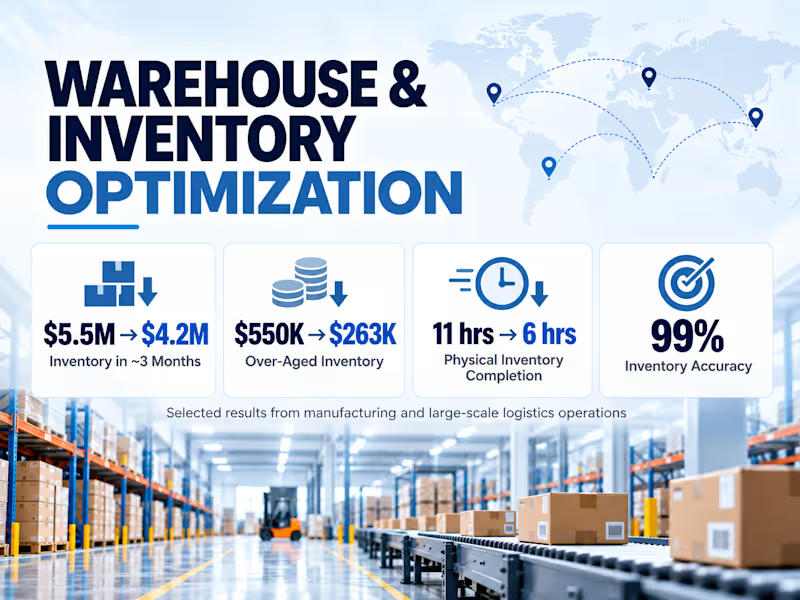
Warehouse and inventory improvement results from manufacturing and large-scale logistics operations. Work included reducing inventory, controlling aging, improving physical inventory processes, strengthening material-flow discipline, and improving inventory accuracy. These examples reflect hands-on operational leadership and process redesign.
0
34
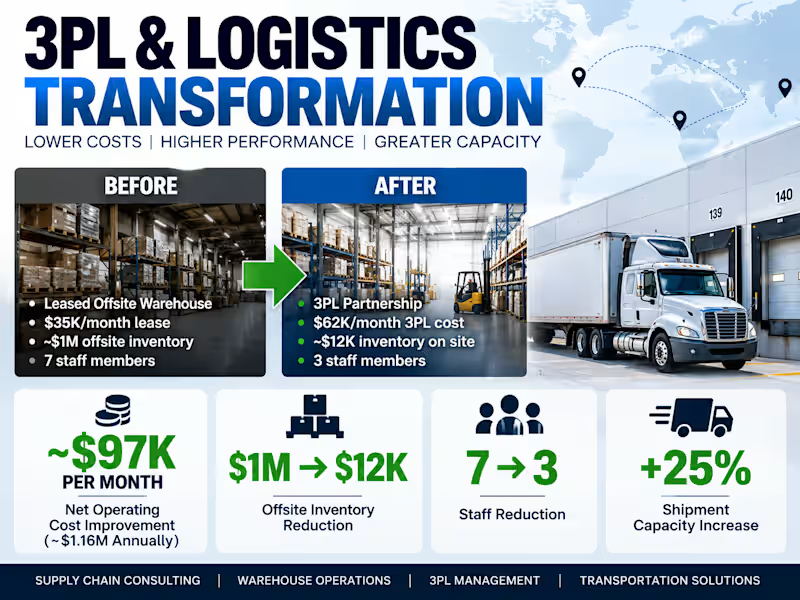
Selected results from a 3PL and logistics transformation that replaced a high-cost off-site warehouse model with a more efficient operating structure. The change reduced off-site inventory from about $1M to roughly $12K, lowered staffing from 7 to 3, increased shipment capacity by 25%, and produced an estimated $97K monthly economic improvement. The work focused on warehouse strategy, 3PL performance, transportation flow, inventory reduction, and cost control.
0
34
Selected results from high-volume distribution operations focused on throughput, labor productivity, service execution, and loss reduction. Improvements increased daily vehicle throughput from about 35 to 45, raised processing output from roughly 1,200 to 1,550 products per hour, improved productivity per labor hour by approximately 50%, and reduced return-credit losses by an estimated $300K annually.
0
36
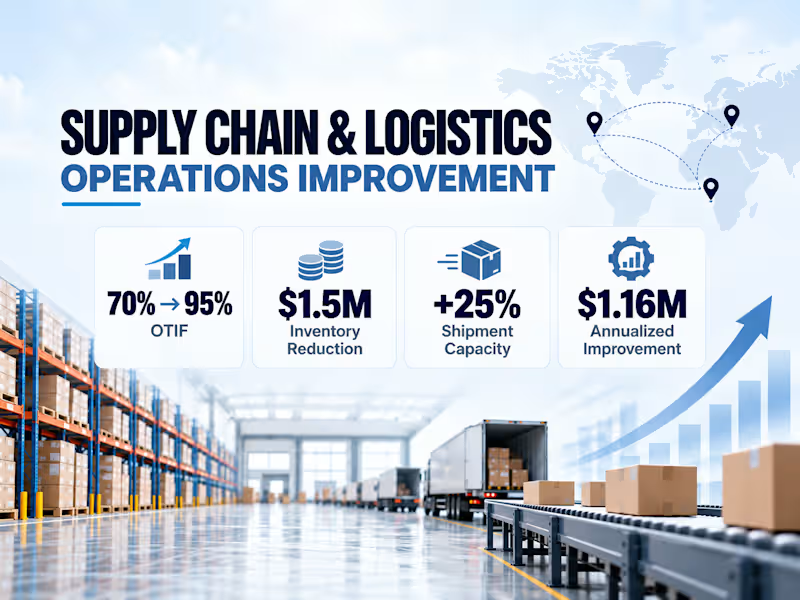
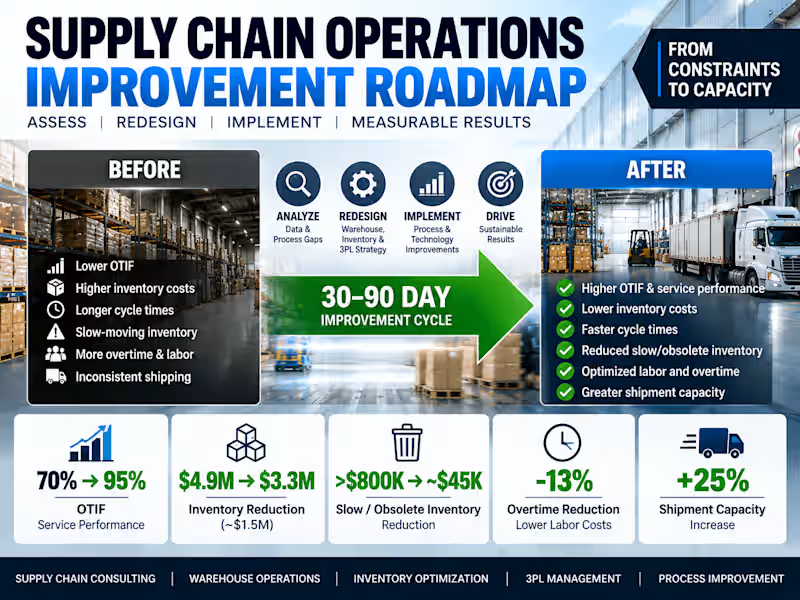
Selected supply chain and logistics improvement results from my leadership work across manufacturing, warehousing, distribution, inventory control, transportation, and 3PL operations. Highlights include OTIF improvement from 70% to 95%, approximately $1.5M in inventory reduction, 25% higher shipment capacity, and significant logistics cost improvement.
2
130

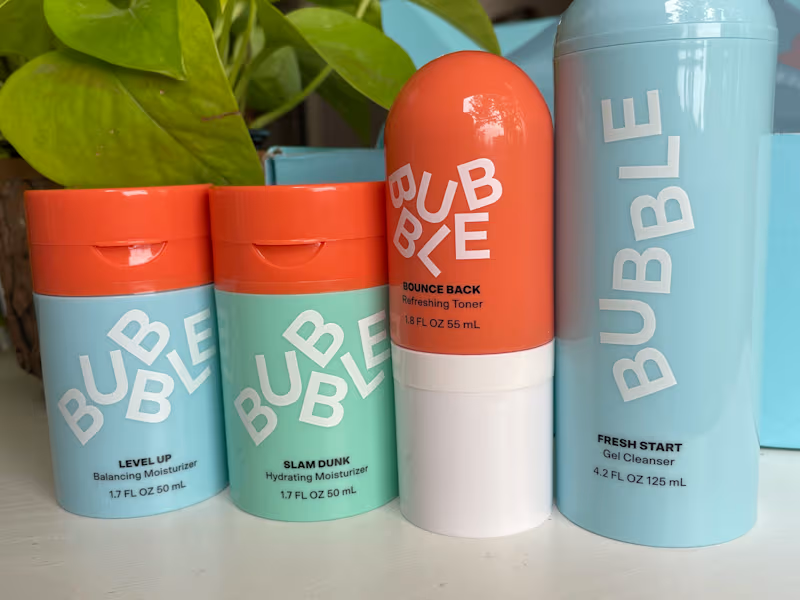
User generated content creator
User generated content creator


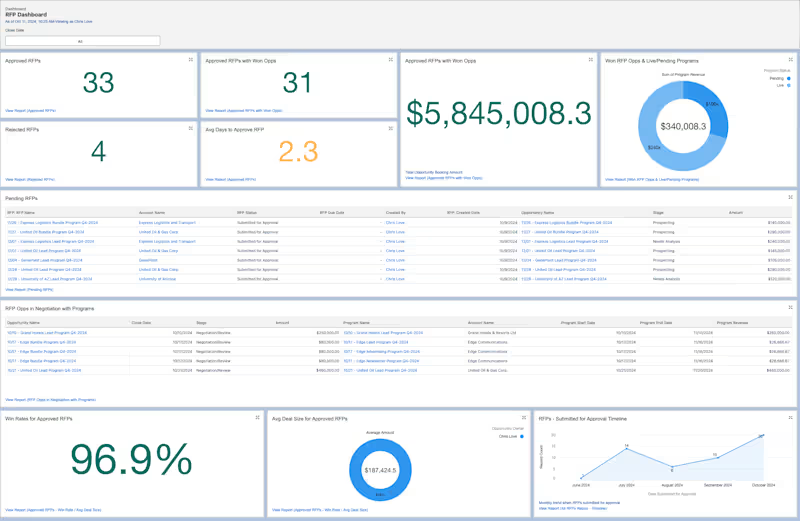
Salesforce Administrator | Virtual Assistant | Admin
Salesforce Administrator | Virtual Assistant | Admin
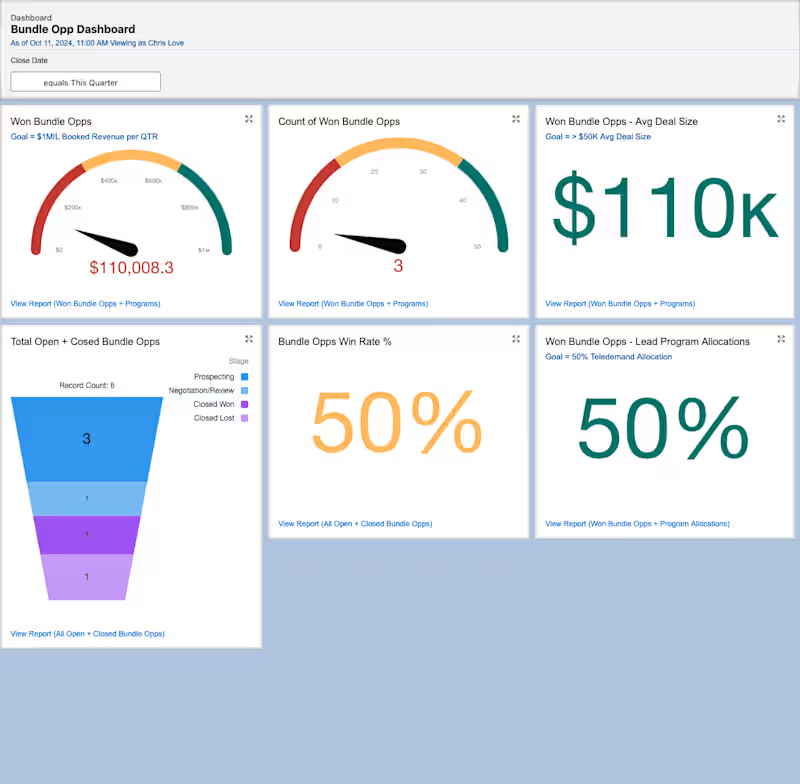
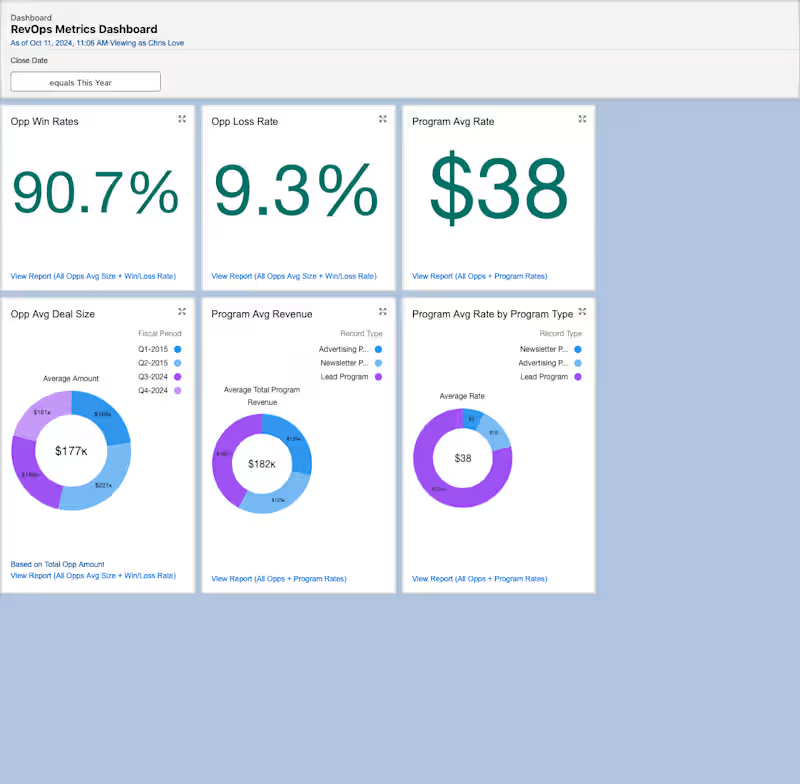


Versatile artist with 8 years.
Versatile artist with 8 years.




View more →