DevOps & MLOps engineer who designs what he ships.
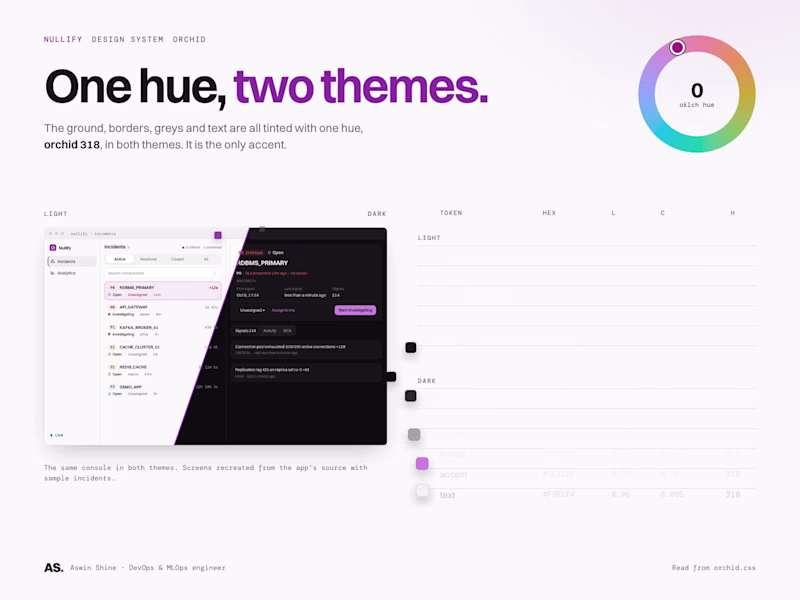
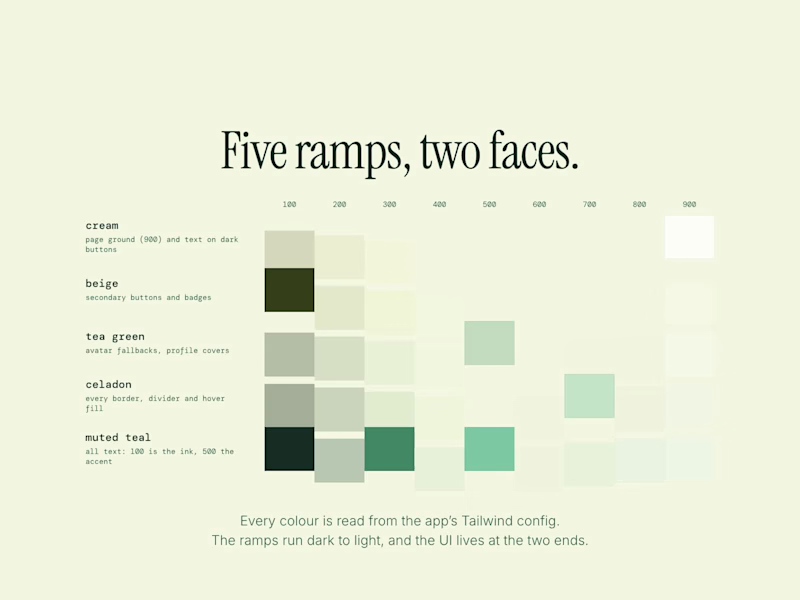
45 colours, 5 ramps, 2 typefaces, 0 bold weights 🎨
That's the whole of Penwave's design system. Every colour is read from the app's Tailwind config, and each ramp has one job: cream for the page, beige for badges, tea green for avatars, celadon for every border, muted teal for all the text.
Instrument Serif sets the headings and the post body. Inter runs the interface, 300 to 600.
In the clip the palette builds a story card, colour by colour.
Do you give every colour in your system a job, or keep a few spare? 👇
🔗 aswin-shine.dev/work/penwave (http://aswin-shine.dev/work/penwave)
6
3
206
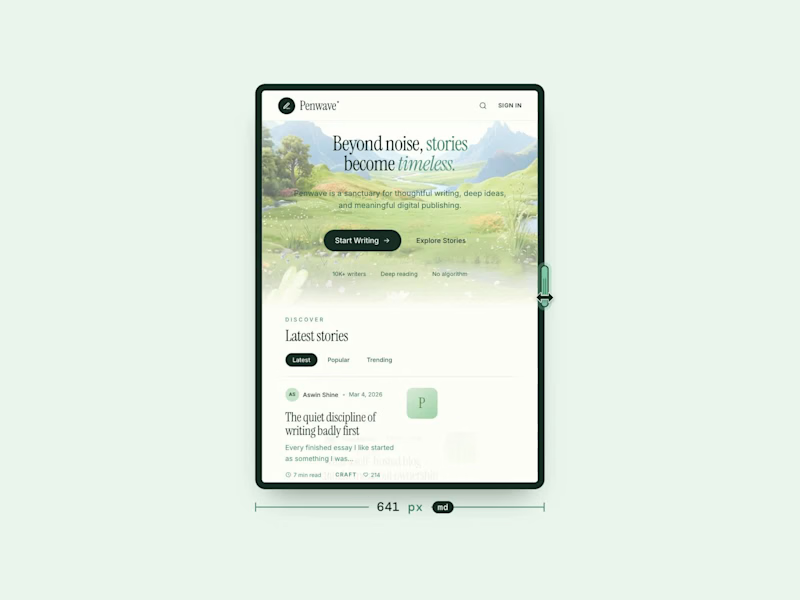
I dragged Penwave's home page from 1280 px down to 390 📱
Below the md breakpoint the same components take over: the nav collapses, the story cards stack, and nothing is a separate mobile site. What you see reflowing in the clip is live HTML and CSS, not two screenshots swapped.
Penwave is a blogging platform I designed, built and ran on AWS. Screens recreated from the app's source with sample stories.
Which width do you design for first? 👇
🔗 aswin-shine.dev/work/penwave (http://aswin-shine.dev/work/penwave)
0
96

24 photos, all shot on an iPhone 15 📱, on a wall you can wander through.
This is the Photographs page of my portfolio. The wall is one raw WebGL2 canvas: the photos drift at different depths, pan when you drag, keep sliding when you let go, and lean toward your mouse 🖱️ Each one develops from a grey mosaic into the photo as it loads 🎞️
Open one and you get its caption and the camera's own EXIF.
Mostly black-and-white architecture and street, some colour 🖤🤍 Designed and built by me.
Which frame would you open first? 👇
🔗 aswin-shine.dev/photographs (http://aswin-shine.dev/photographs)
5
2
484


Pro Team for 3D Motion, Motion Design apps & Branding
New to Contra
Pro Team for 3D Motion, Motion Design apps & Branding

Next.js marketing sites for B2B SaaS founders
New to Contra
Next.js marketing sites for B2B SaaS founders

Building smart websites & AI systems that automate and scale
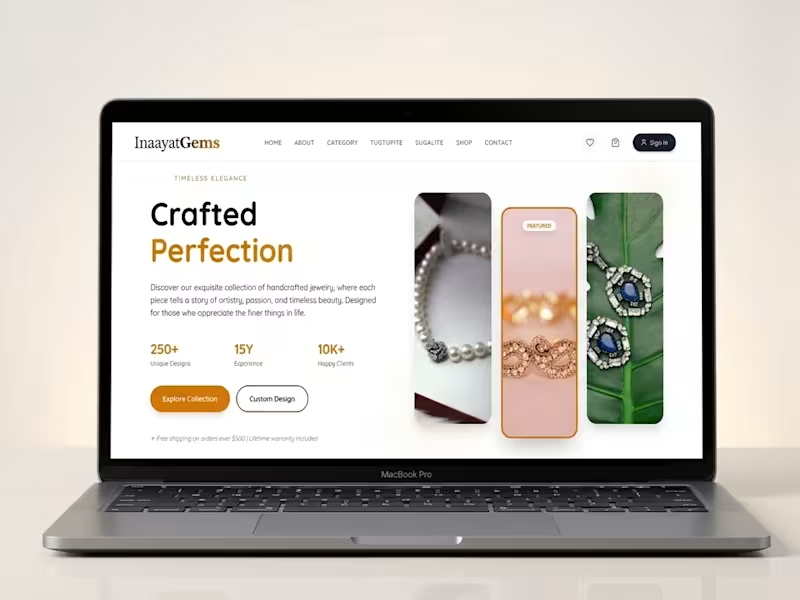
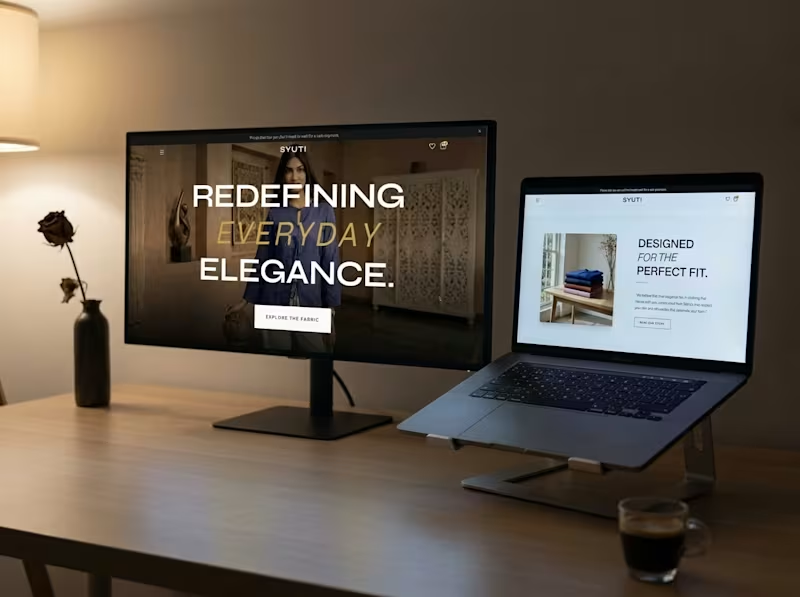
This project involved designing and developing a full-stack eCommerce website for a jewelry business focused on selling custom-made pieces online.
The platform was structured to present products clearly while also supporting custom order requests. The goal was to keep the experience simple and easy to navigate, while maintaining a clean and refined look that aligns with the nature of the products.
I worked on both the frontend and backend, including setting up product management, handling user interactions, and building a smooth browsing and checkout flow. The system was designed to manage products, orders, and customer data in an organized way.
The website includes product listings, detailed pages, and a straightforward checkout process, along with support for custom inquiries. It is fully responsive and optimized to work consistently across different devices.
The final result is a stable and functional eCommerce platform that allows the business to manage its operations and present its products clearly to customers online.
2
158
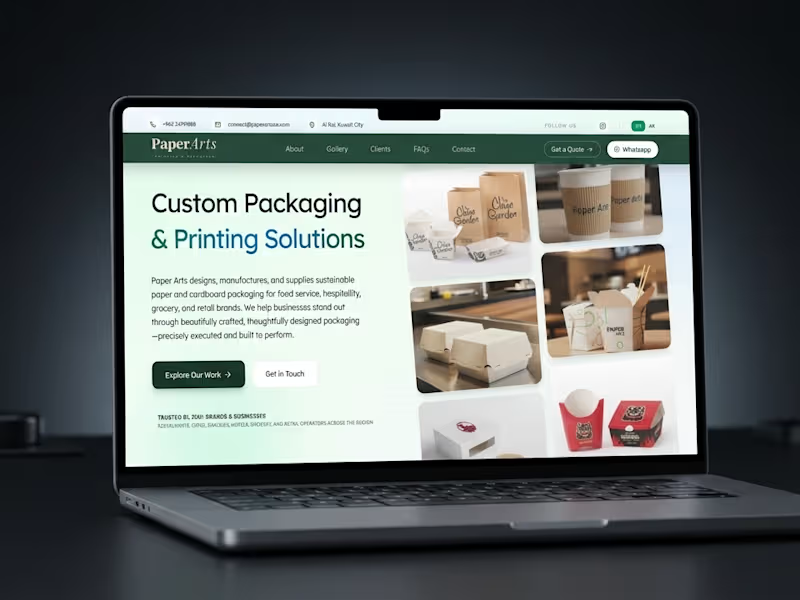
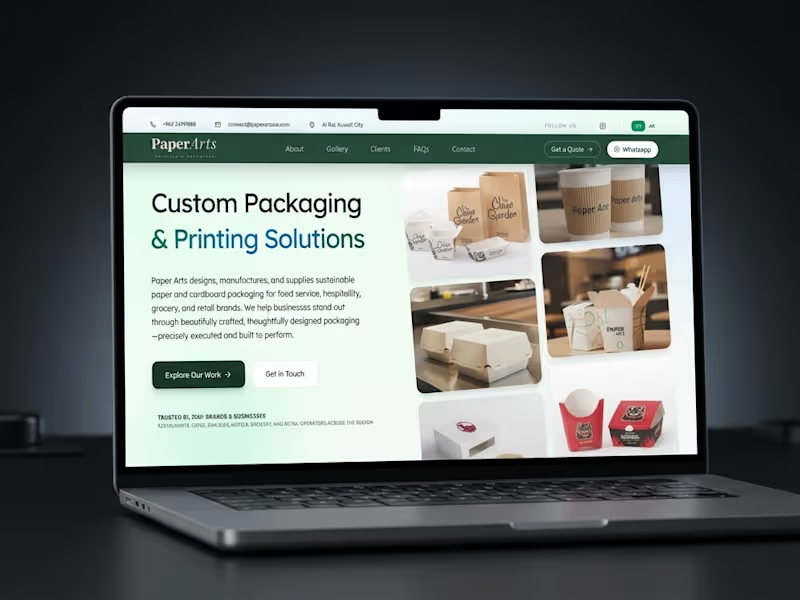
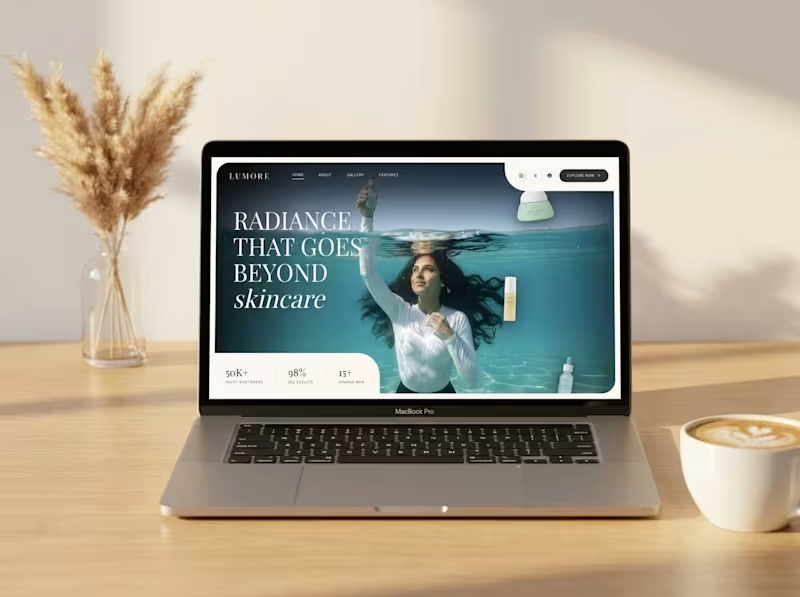
This project involved designing and developing a website for a business offering printing and packaging solutions for a wide range of commercial needs.
The website was structured to clearly present different product categories while also highlighting the availability of custom solutions. The focus was on keeping the layout simple and organized so visitors can quickly understand the offerings and explore relevant sections without confusion.
I worked on planning the overall structure, organizing content flow, and building a responsive frontend to ensure the site works smoothly across devices. The design approach was kept clean and minimal to maintain clarity while supporting a professional brand presence.
The website includes dedicated sections for products, services, and inquiries, making it easier for potential clients to browse options and get in touch. Attention was also given to performance and usability to ensure a consistent and straightforward user experience.
The final result is a functional and well-structured website that presents the business clearly and supports ongoing customer inquiries.
2
4
224
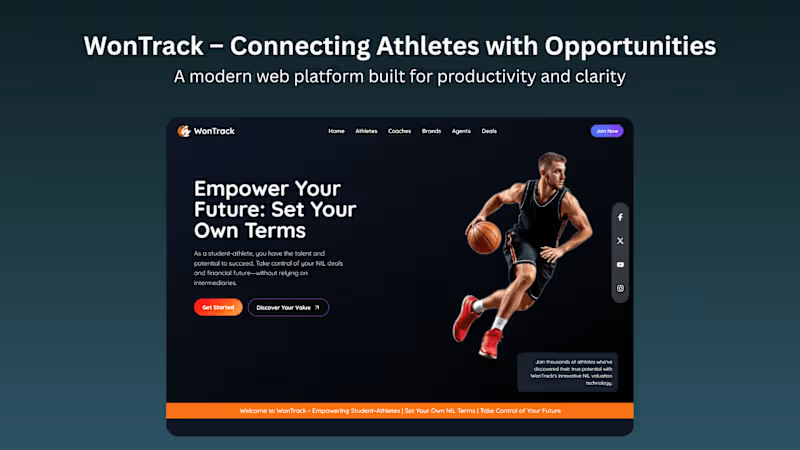

AI-first full-stack engineer for founders who ship
AI-first full-stack engineer for founders who ship
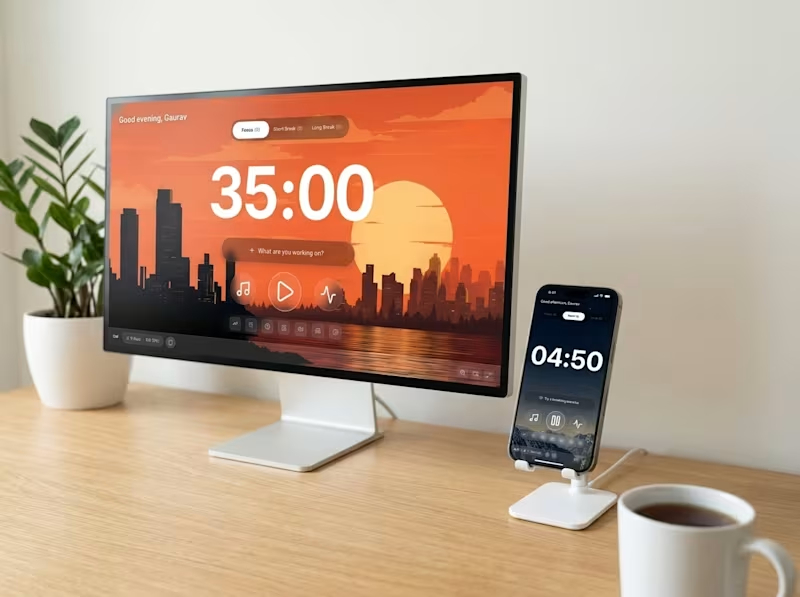

Full Stack & AI Developer | Next.js · FastAPI · LLMs
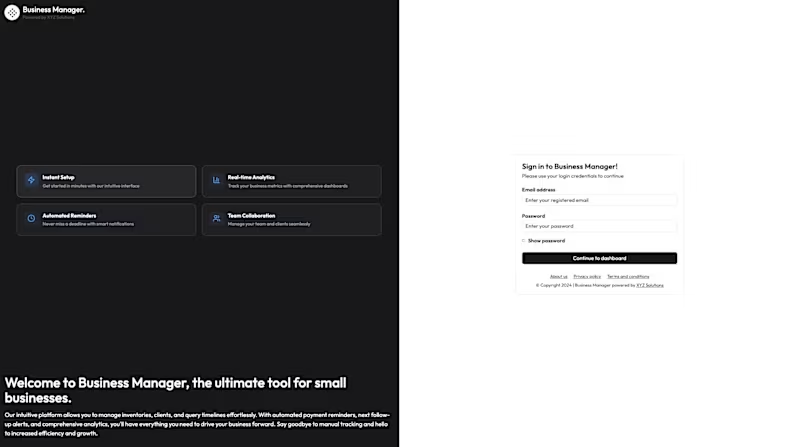
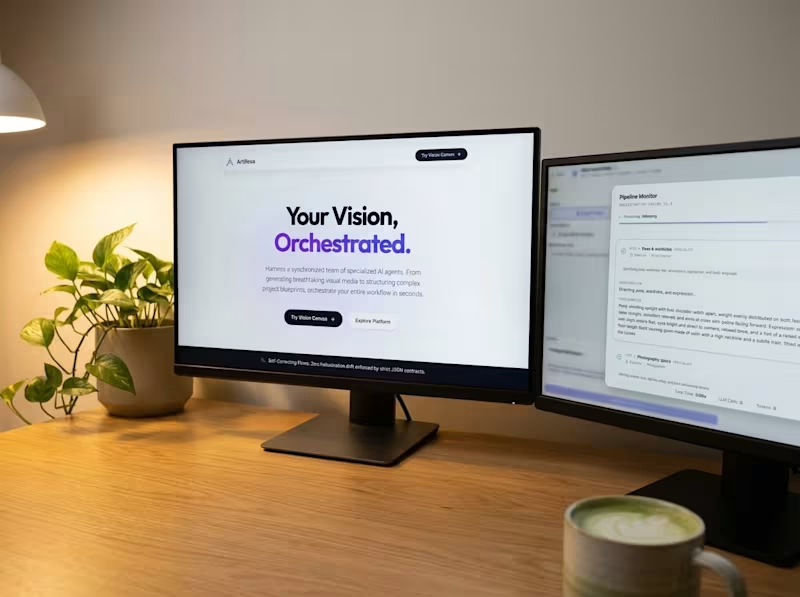
I developed a modern CRM platform that helps businesses manage leads efficiently through a centralized dashboard. The application enables users to organize their sales pipeline, upload lead data in bulk, and quickly search, filter, and manage customer information.
I built responsive and reusable user interfaces using Next.js, React, and Tailwind CSS, with a strong focus on performance and user experience. The platform leverages Server-Side Rendering (SSR) for improved SEO and faster page loads, while code-splitting and lazy loading reduce the initial JavaScript bundle for a smoother experience.
0
91
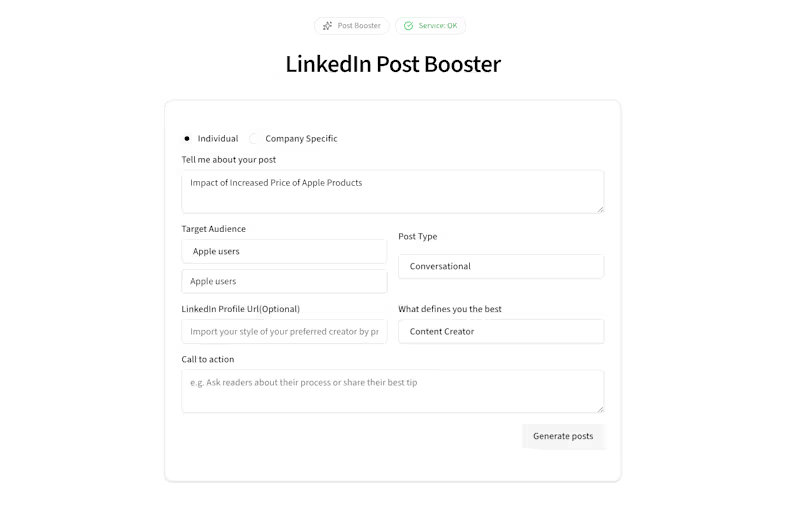
Advanced AI-powered LinkedIn post generation platform that creates engaging, personalized, and high-quality LinkedIn content using an agentic AI workflow. Unlike traditional single-prompt AI tools, this application uses a multi-step reasoning pipeline where the AI plans, researches, brainstorms, generates, validates, and enhances content before producing the final output.
1
114
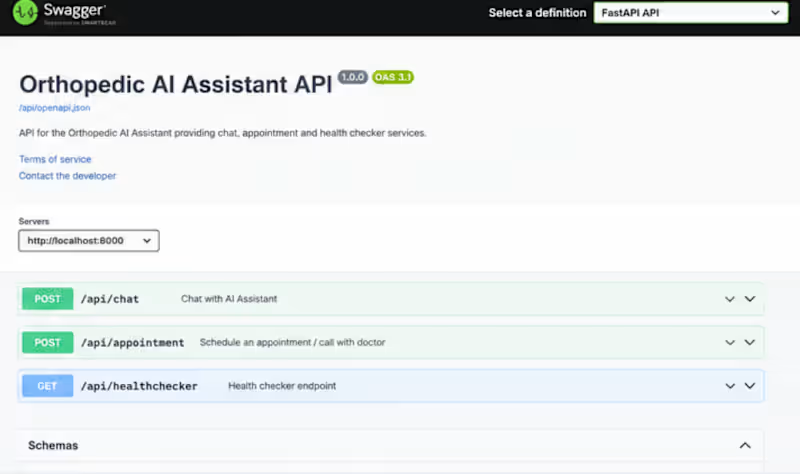
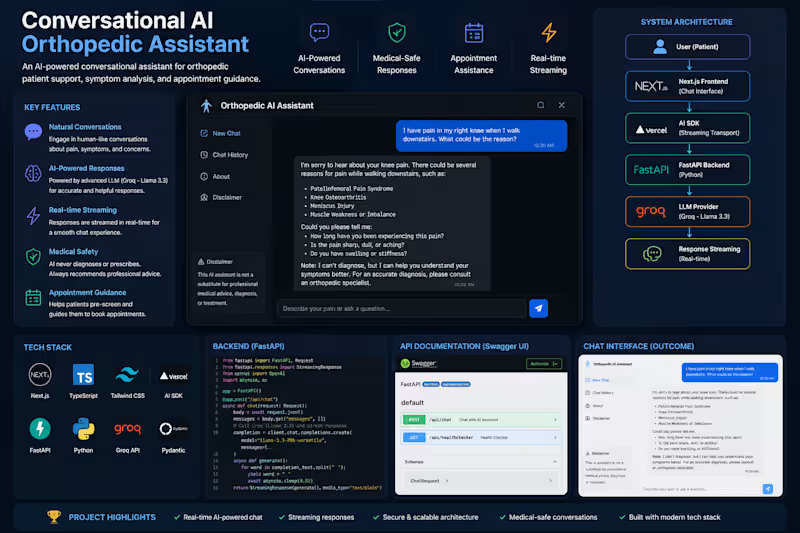
Built an AI-powered orthopedic healthcare assistant that helps patients describe symptoms, receive general orthopedic guidance, and book appointments through a natural conversational interface. The application combines a Next.js frontend with a FastAPI backend, AI-powered chat, streaming responses, RAG-ready architecture, and appointment scheduling integration. Designed with healthcare safety in mind, it includes structured patient intake, emergency symptom detection, and a scalable architecture that can be extended to WhatsApp, clinic CRMs, and other healthcare platforms.
0
156

I fix AI-built apps and ship them to the App Store
New to Contra
I fix AI-built apps and ship them to the App Store
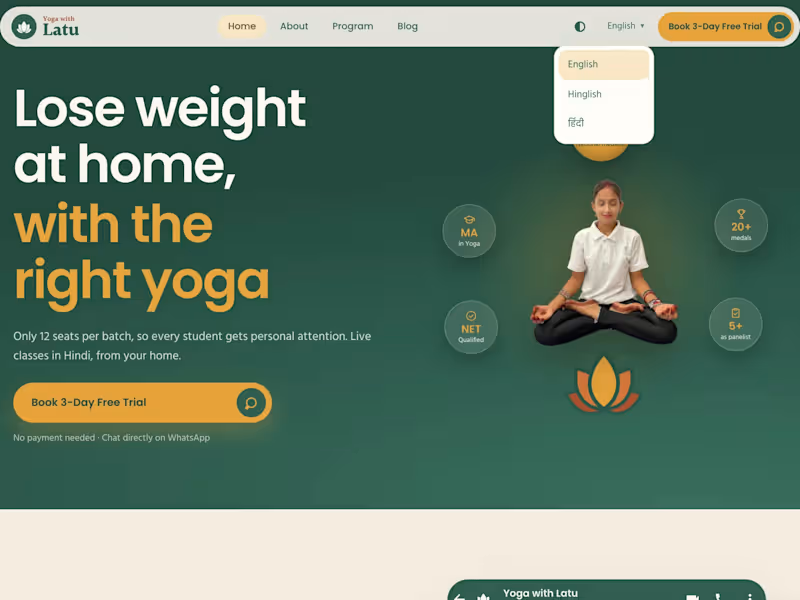

Fullstack Developer
Fullstack Developer