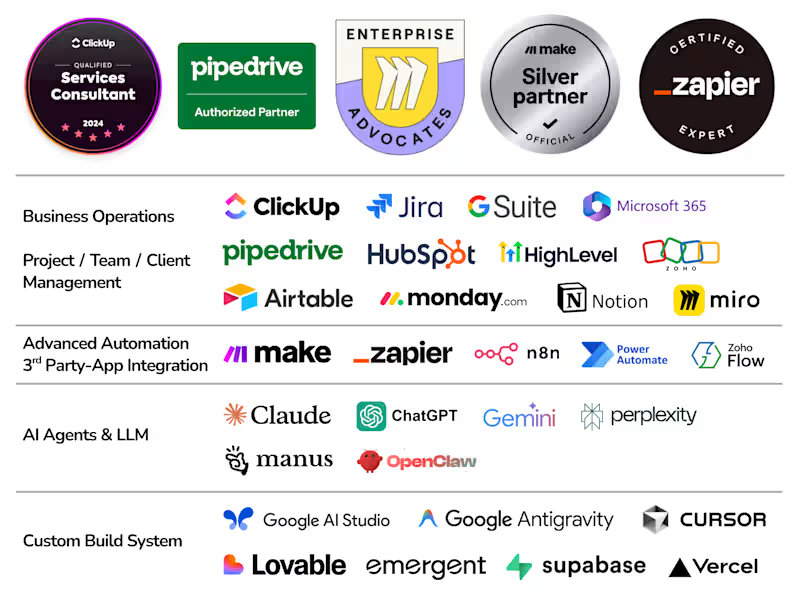
Let's systemize and automate your business.

Let's systemize and automate your business.


Marketing & Sales Leader, IIM Grad, Driving Growth
Marketing & Sales Leader, IIM Grad, Driving Growth



View more →

AI Knowledge Strategist | Researcher | Course Architect
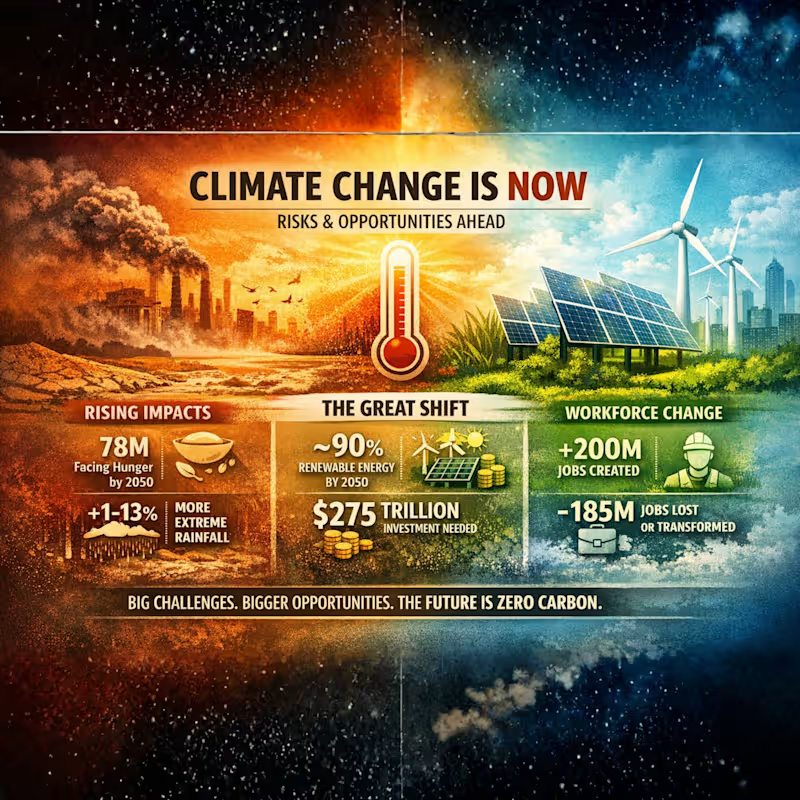
Climate Change, Energy Transition, and What Comes Next
Climate change is no longer a future risk—it is a systemic force already reshaping weather, food security, energy systems, and work. Rising greenhouse gas emissions have intensified heat, altered rainfall, and increased climate volatility, with the heaviest impacts falling on vulnerable regions.
At the same time, the global shift from fossil fuels to renewable energy marks one of the largest economic transitions in history. It will demand unprecedented investment, infrastructure change, and workforce realignment—while opening new pathways for innovation and resilience.
This perspective draws from long-form work I’ve ghostwritten on climate risk and systems transformation.
Where do you see the biggest gap today—policy, capital, technology, or narrative?
1
191
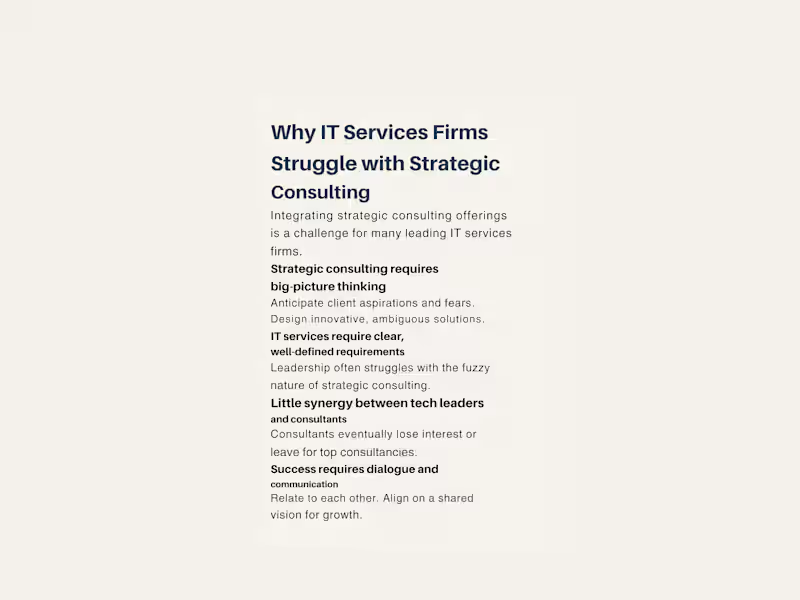
The Real Reason IT Services Firms Struggle with Strategy
IT services companies don’t fail at strategic consulting because they lack smart people.
They struggle because strategy thrives in ambiguity—while IT delivery demands certainty.
Consulting requires framing problems, anticipating fears, and designing solutions before requirements are fixed. IT services are built to execute once everything is defined.
Without deliberate dialogue between strategy and delivery leaders, the two worlds talk past each other. Consultants disengage. Strategy becomes a slide deck, not a capability.
The gap is not technical.
It’s cultural.
And closing it requires a mindset change, not more process.
0
58
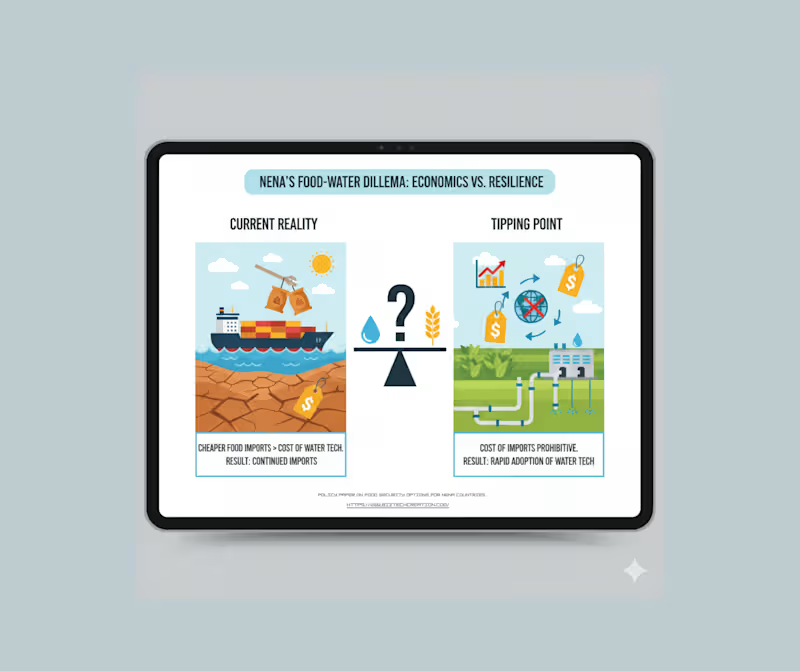
I was recently commissioned to study and make recommendations on strategies for food security in the Near East and North Africa (NENA) region.
The core issue is stark: NENA faces a severe and persistent water deficit, which population growth will only exacerbate, widening the food demand-supply gap.
Precision irrigation and, critically, large-scale use of recycled wastewater can help.
However, the adoption of these vital, sustainable solutions is currently dependent on a single, volatile factor: the global price of food imports.
This raises a critical strategic question for NENA countries: Should governments implement policies now to accelerate water technology adoption, treating resilience as a national security asset, or continue to gamble on the stability and affordability of the global food market?
0
76

Fund Manager | Fundraising & IR | Financial Modelling
Fund Manager | Fundraising & IR | Financial Modelling
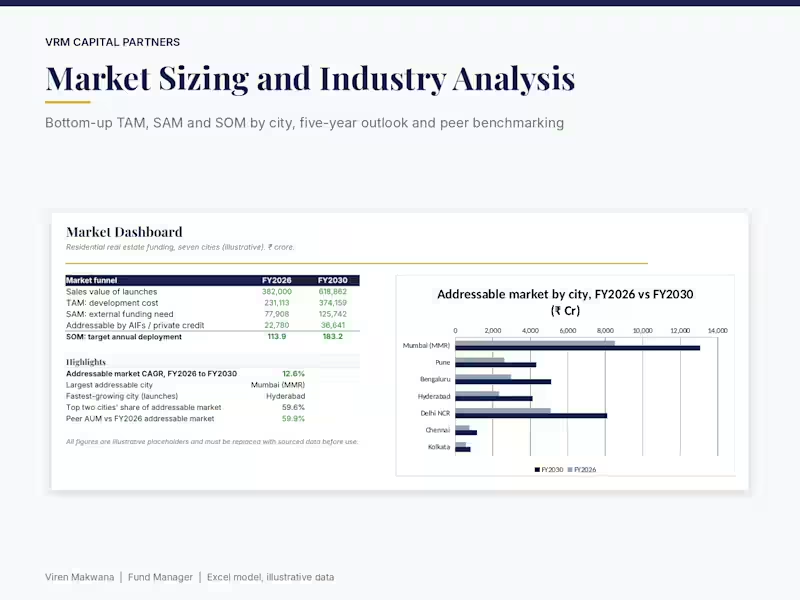
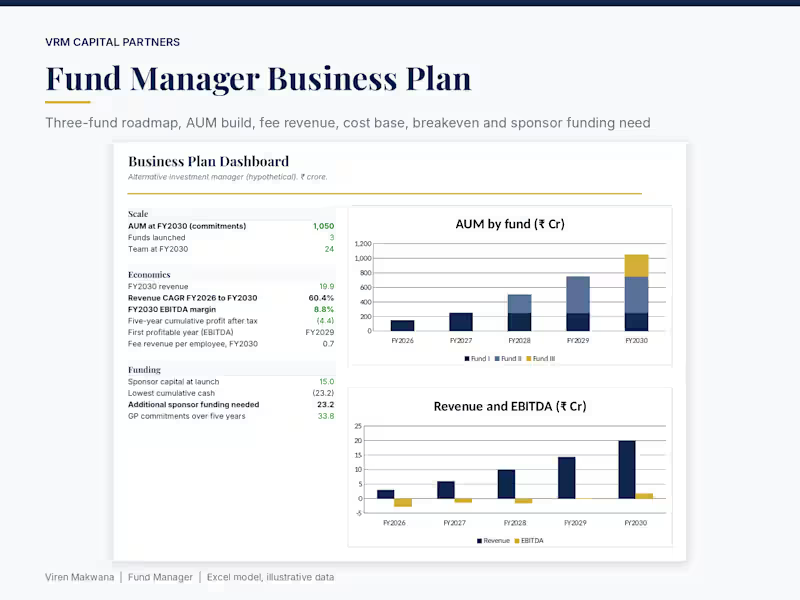
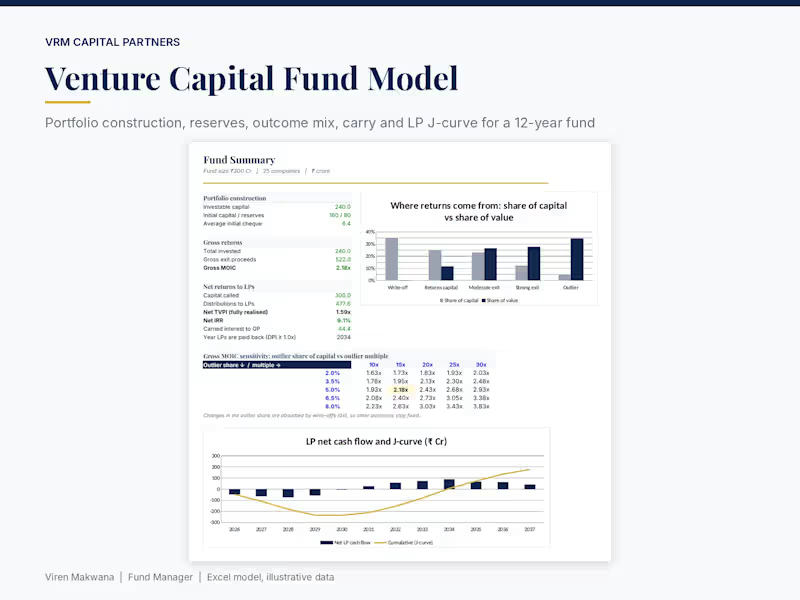
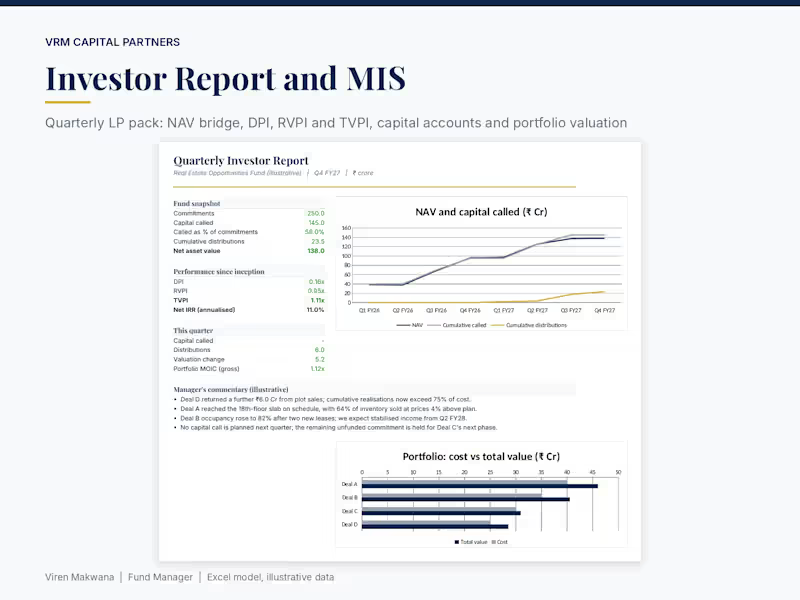

Principal Advisor | Built Environment Growth & Margin System
New to Contra
Principal Advisor | Built Environment Growth & Margin System
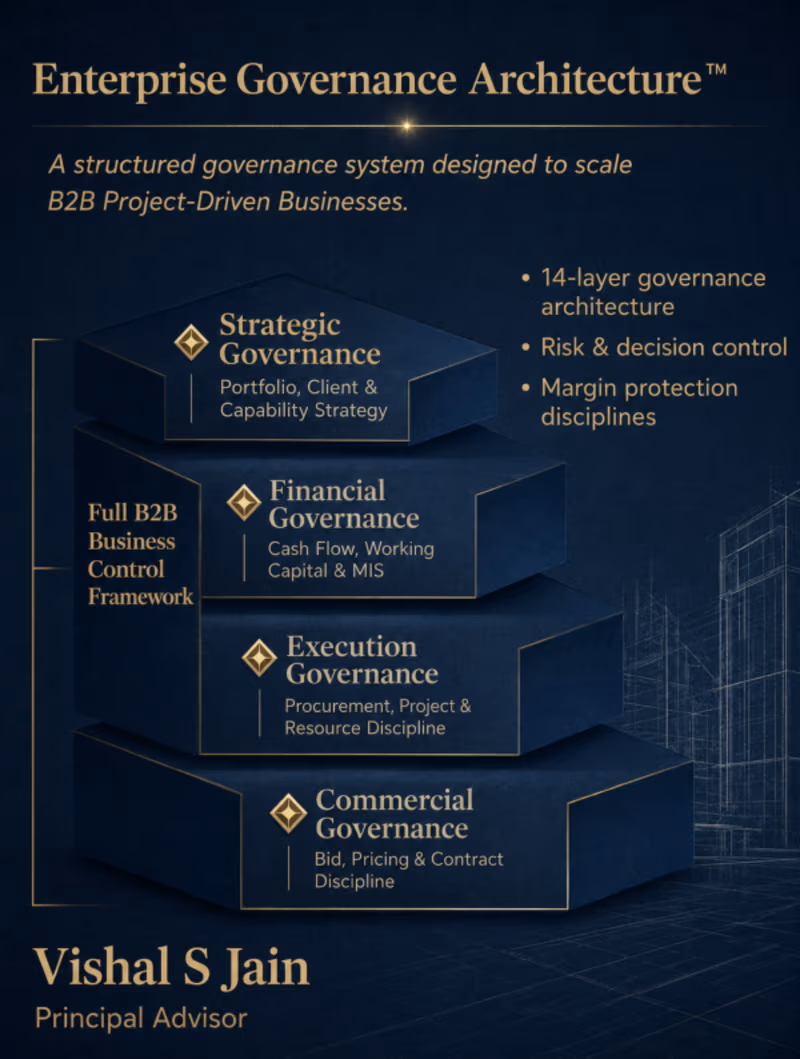
Enterprise Governance Architecture™ (EGA) is a structured operating-control framework designed to help project-driven and execution-heavy B2B businesses scale without losing profitability, control, execution discipline, or decision clarity.
It is not just “governance” in the corporate compliance sense.
It is a business operating architecture that integrates:
Strategy
Commercial controls
Financial discipline
Execution systems
Risk governance
Decision-making hierarchy
Margin protection mechanisms into one connected framework.
0
42
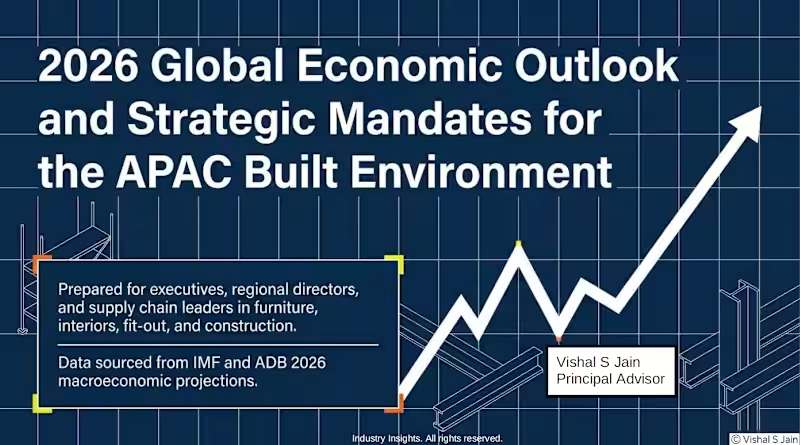
The global economy is entering a higher-risk, higher-cost, and more selective growth phase.
With slower global growth, energy volatility, geopolitical tensions, and tighter financial conditions, businesses across the built-environment sector are beginning to feel direct pressure.
For India & Asia:
• Inflation, energy costs, and currency pressure remain key risks.
For UAE & GCC:
• Growth opportunities continue, supported by infrastructure, real estate, and non-oil expansion — but with rising governance and execution expectations.
For Furniture, Interiors, Fit-Out, EPC & Construction businesses, the impact is clear:
• Raw material volatility
• Freight escalation
• Working capital stress
• Fixed-price contract risk
• Margin pressure
• Slower decision cycles
In this cycle, growth without governance becomes financially dangerous.
The future winners in the built environment may not necessarily be the fastest-growing companies — but the most commercially disciplined ones.
Check Strategic Advisory Report:
“2026 Global Economic Outlook and Strategic Mandates for the APAC Built Environment”
0
44
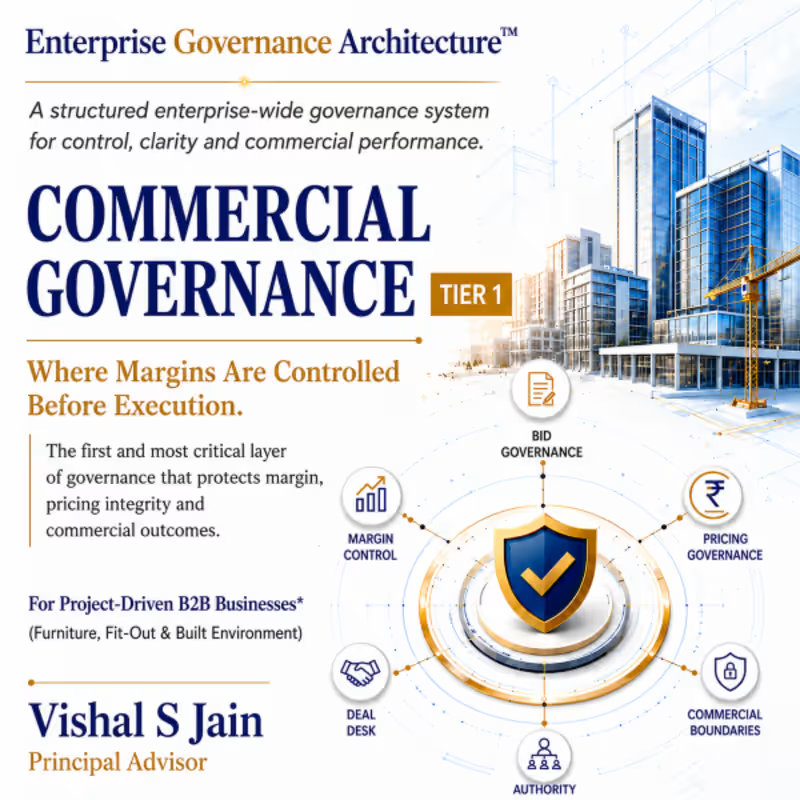
A structured executive governance system designed to strengthen commercial control, protect margins, and improve decision discipline across project-driven businesses.
Commercial Governance™ represents the first and most critical layer where profitability is either structurally protected or quietly lost — long before project execution begins.
Built for leadership teams operating in complex project-led environments where pricing decisions, bid approvals, authority structures, and execution commitments directly impact margin performance.
1
51
Executive Revenue & Margin Diagnostic.
A structured executive diagnostic framework designed to help leadership teams strengthen margin visibility, improve commercial control, and drive focused execution within project-driven businesses.
Built for founders, CXOs, and leadership teams operating in complex project-led environments where revenue growth does not always translate into sustainable profitability.
It is a practical governance and diagnostic system built from real operating experience across project-driven businesses where margins are often diluted through fragmented decision-making, execution gaps, commercial assumptions, and operational inefficiencies.
0
54

I will create AI systems that make you money in your sleep!
I will create AI systems that make you money in your sleep!




Business Development & Market Research | Hospitality



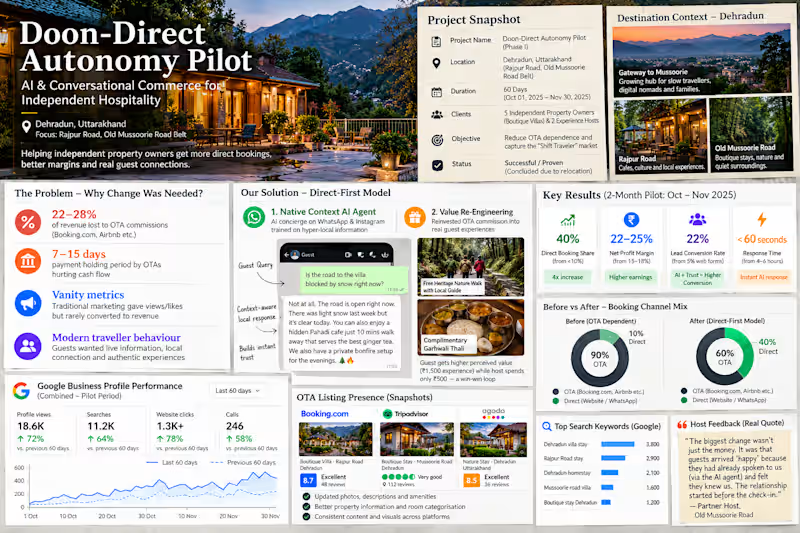

Graphic Designer & Brand Creative | Research & Analytics