Data Visualization Projects in Dhaka DivisionData Visualization Projects in Dhaka DivisionThe best fitness tool isn't the one with the most features. It's the one athletes actually open every single morning.
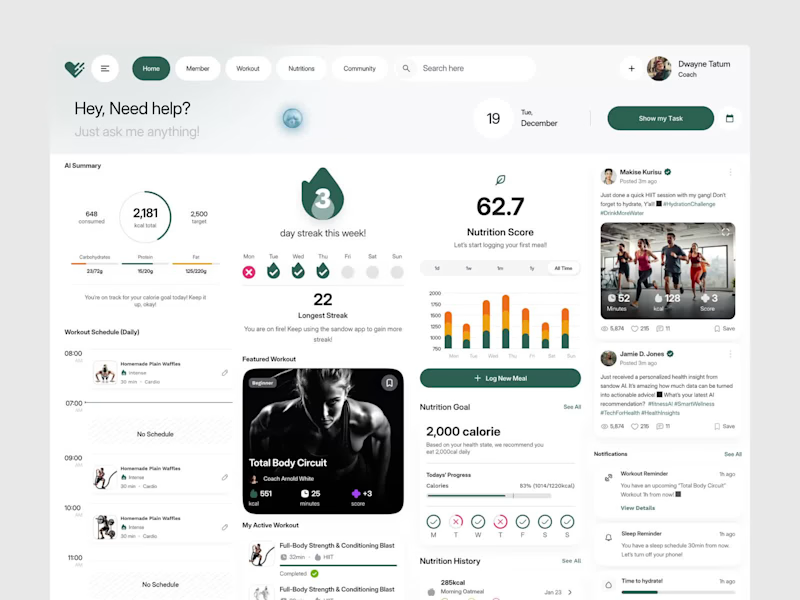
That was the design principle behind this AI-powered fitness dashboard built around the idea that tracking calories, workouts, nutrition, and streaks should feel motivating, not overwhelming.
Most fitness dashboards collect data and nothing else. Athletes, coaches, and health-conscious people deserve better than a generic interface that feels like a spreadsheet with a logo.
This dashboard built the experience to match the motivation.
Deep forest green and clean white canvas. An AI assistant is ready the moment you open it. Calorie progress, streak tracking, nutrition score, featured workouts, daily schedule, and community feed: every section working together as one unified fitness ecosystem.
Workout reminders, sleep reminders, and hydration alerts are all visible without opening a single sub-menu.
Because showing up deserves a tool that makes it feel worth it before the first rep.
What's the one feature most fitness apps completely overlook for real daily use? 👇 Project Finance Tracker Dashboard
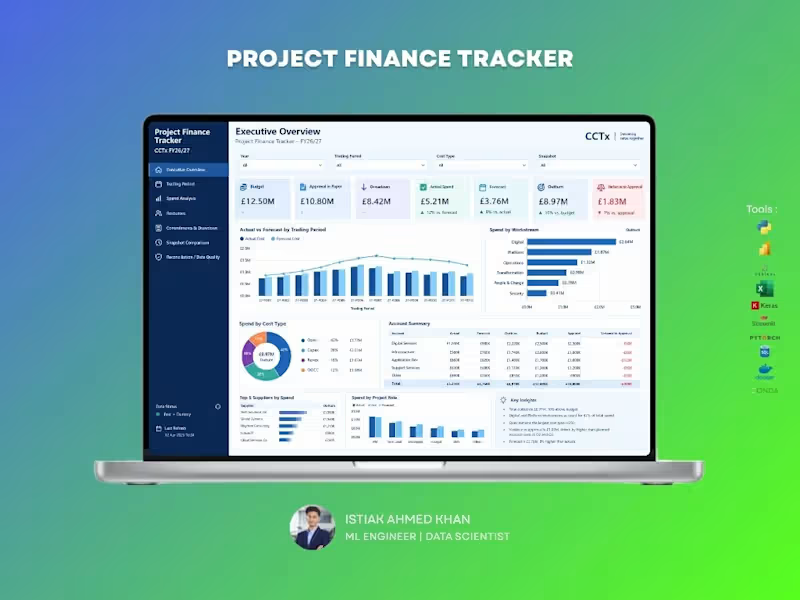
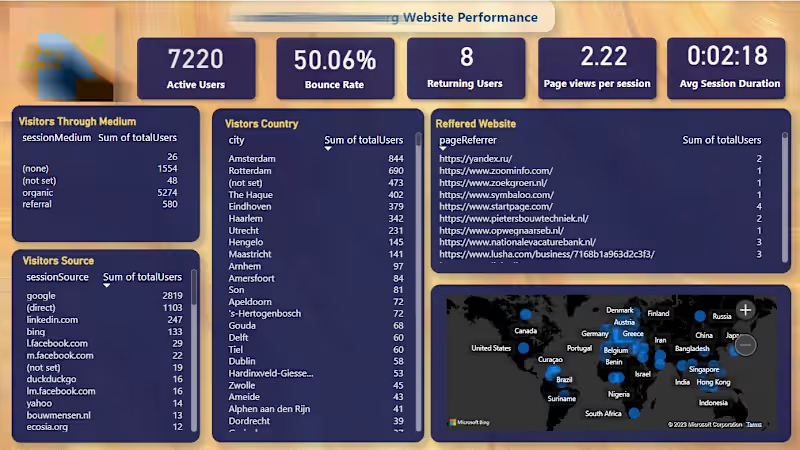
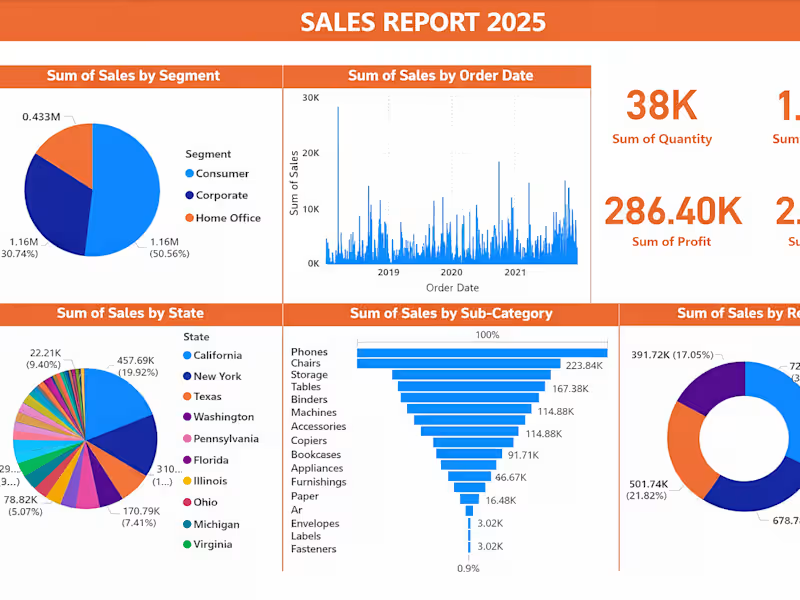
A comprehensive dashboard designed to help project teams monitor budgets, actual spending, forecasts, commitments, and financial variances in one place. Track performance by trading period, cost type, workstream, supplier, and project role. Identify overspending, forecast gaps, and approval requirements early to improve financial control, reporting accuracy, and project decision-making. GreenBuilt Landscapes — Landscape & Pool Construction Business Proposal
Subtitle / One-Line Summary
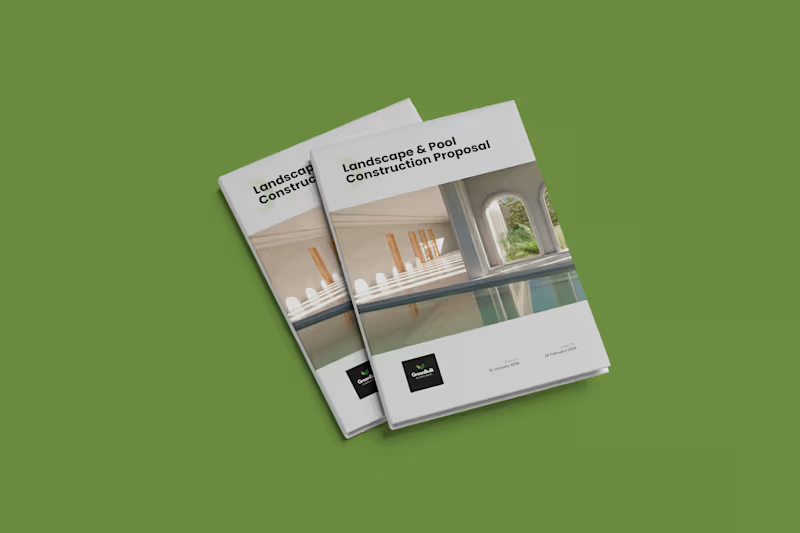
A premium architectural proposal and capability document designed for an Australian landscape and pool construction firm, balancing high-end project showcases with technical material specifications.
Project Overview
GreenBuilt Landscapes is a premium landscape architecture and luxury pool construction contractor based in Australia. The goal of this project was to design a comprehensive client pitch proposal and capability catalog that clearly communicates high-value construction services, craftsmanship, and materials to prospective residential and commercial property clients.
The challenge was to establish a luxurious, architectural feel that lets high-resolution project photography lead the layout, while maintaining strict typographic structure for service descriptions, material finishes, and technical scope specifications.
Role & Scope of Work
Role: Lead Editorial & Proposal Layout Designer
Services:
Multi-page Business Proposal Design
Architectural Grid Layout & Visual Hierarchy
Material Showcase & Image Grid Curation
Custom Icon Integration & Spec Sheet Formatting
Print-Ready Prepress & Client-Facing Digital PDF Setup
Design Approach & Execution
Architectural Grid & Balanced Whitespace: Developed a disciplined, modern editorial layout with generous breathing room, clean section headers, and precise column structures to reflect architectural refinement.
Palette & Contrast Strategy: Paired an earthy botanical green accent with crisp neutral tones, introducing an inverted high-contrast dark spread for the Materials, Finishes & Surface Options section to highlight texture swatches and surface selections.
Structured Image Systems: Utilized modular photo grids and full-bleed hero spreads across page headers to display completed pool and landscaping builds without visual clutter.
Scannable Service Architecture: Integrated minimalist line icons and segmented bullet formatting for service scopes, ensuring complex engineering and design offerings are immediately readable for decision-makers.
Production Integrity: Built end-to-end in Adobe InDesign using automated parent pages, structured paragraph styles, and CMYK color separation ready for both high-end print production and fast-loading interactive digital client proposals.
Deliverables
Print-Ready Proposal PDF (300 DPI, CMYK, Bleeds & Crop Marks)
Interactive Digital Screen PDF (Web-optimized for client emailing)
Master InDesign (.INDD) Template with Linked Assets & Styles
Tools Used
Adobe InDesign (Grid Setup, Master Pages & Document Layout)
Adobe Illustrator (Vector Iconography & Logo Assets)
Adobe Photoshop (Architectural Photo Retouching & Color Correction)