The network for creativity
Join 1.25M professional creatives like you
Connect with clients, get discovered, and run your business 100% commission-free
Creatives on Contra have earned over $150M and we are just getting started
Back to feedPost


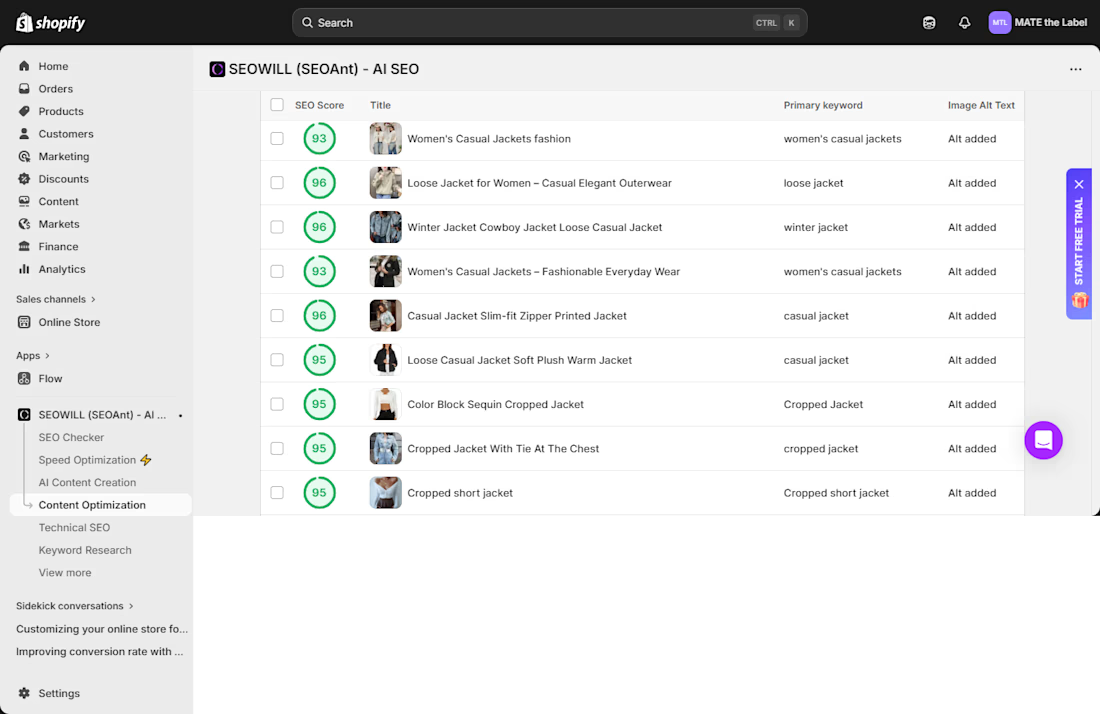
What is Shopify SEO? 🤔
Think of Shopify SEO as putting your store on the map so customers can actually find it on Google. ✨
A beautiful store means little if no one sees it. Good SEO helps your products appear when people search, bringing in more visitors without paying for every click.
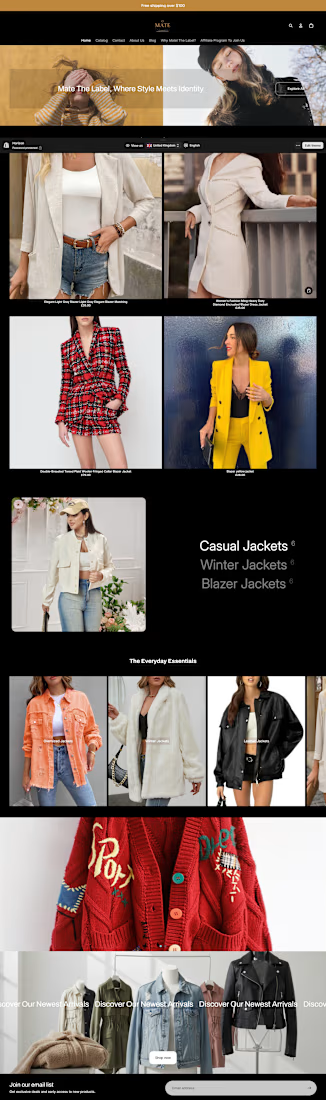
Right now, I'm working on Mate Label, a fashionable women's wear store, optimizing their Shopify SEO to improve visibility, attract the right shoppers, and turn searches into sales. 👗📈
SEO isn't magic, it's making your store easier to find, one smart step at a time.


The network for creativity
Join 1.25M professional creatives like you
Connect with clients, get discovered, and run your business 100% commission-free
Creatives on Contra have earned over $150M and we are just getting started







Related posts


Introducing LUCE, a fresh chapter in four generations of fine jewelry.
Earthy greens, expressive typography, and thoughtful packaging bring warmth and personality to a brand rooted in heritage.
I worked with LUCE across brand strategy, visual identity, packaging experience, and full Shopify website design and development, bringing every detail into one cohesive world.

NEAT

✨ Modern Shopify Store Design for Fashion Brands
Give your fashion brand a stylish online presence with a clean, elegant, and user-friendly Shopify storefront. This design concept features premium product displays, beautiful imagery, organized collections, and a modern layout that works toward creating a smooth shopping experience.
Need a Shopify store designed or redesigned for your brand? Let's bring your vision to life!
#Shopify #ShopifyDesign #FashionStore #EcommerceDesign #WebDesign


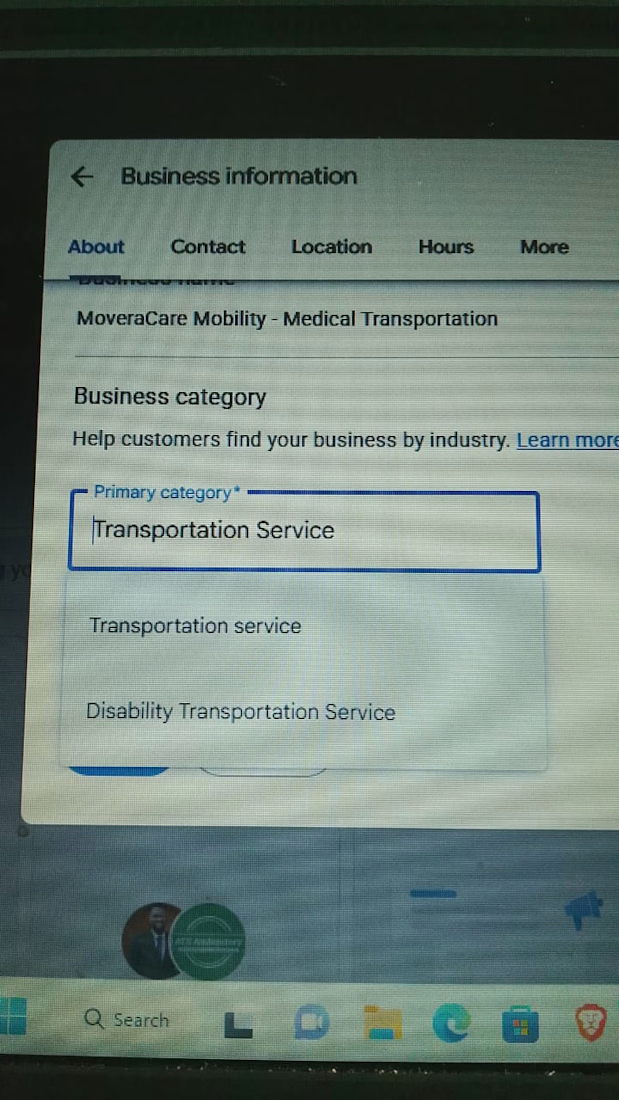
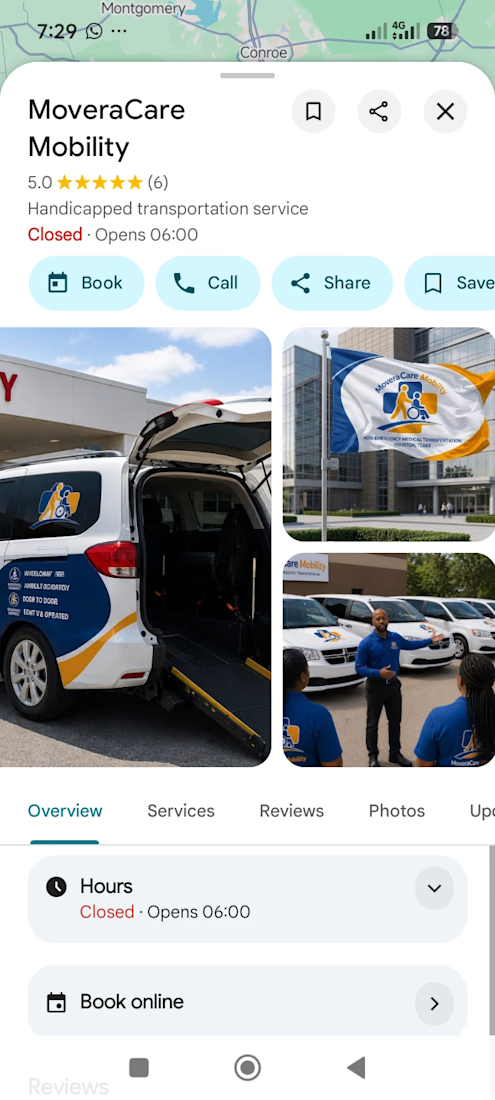
I'm pleased to share a project I successfully worked on for MoveraCare Mobility, a non-emergency medical transportation business in Houston, Texas.
My work focused on helping the business establish a stronger presence on Google through Google Business Profile setup and optimization, making it easier for potential customers to discover its services through Google Search and Maps.
This project reinforced an important lesson: having a great service is only part of growing a business. Making that service easier to find online is equally important.
I enjoy helping businesses improve their local visibility, build credibility, and create a stronger foundation for attracting potential customers.
Are you a business owner looking to improve your visibility on Google Search and Maps? Let's connect.

nice clean gbp setup for the transport business. how did you end up working with a houston business from ibadan, did they find you or did you reach out