The network for creativity
Join 1.25M professional creatives like you
Connect with clients, get discovered, and run your business 100% commission-free
Creatives on Contra have earned over $150M and we are just getting started
Back to feedPost

The brief asked for five test clips. I went past it on purpose.
The question: can AI reach "blue chip" quality, the gold standard of nature documentary? The clips were meant to be unconnected, 3 to 5 seconds each, each one testing a shot AI usually gets wrong.
But five loose clips only prove the pictures. "Blue chip" is also a feeling. So I gave the audience someone to follow: a weathered 19th-century explorer, on an expedition into the Maya world of 1200 AD.
Then, on my own, I made a second film in Cleopatra's Egypt.
Over the next four posts I'll show you how: the four hard shots, keeping one man the same in every frame, recasting an AI actor, and every tool I used.
Part 1 of 5. Follow for part 2: the four shots where AI video usually breaks.

impressive
The network for creativity
Join 1.25M professional creatives like you
Connect with clients, get discovered, and run your business 100% commission-free
Creatives on Contra have earned over $150M and we are just getting started



Related posts

New Day - New Case Study
Developed a visual identity for SuperMatics, a Berkeley-based technology company combining physics and AI to discover new superconducting materials.

Amazing work!!

How long can you sit on a brand before it starts to look different to you?
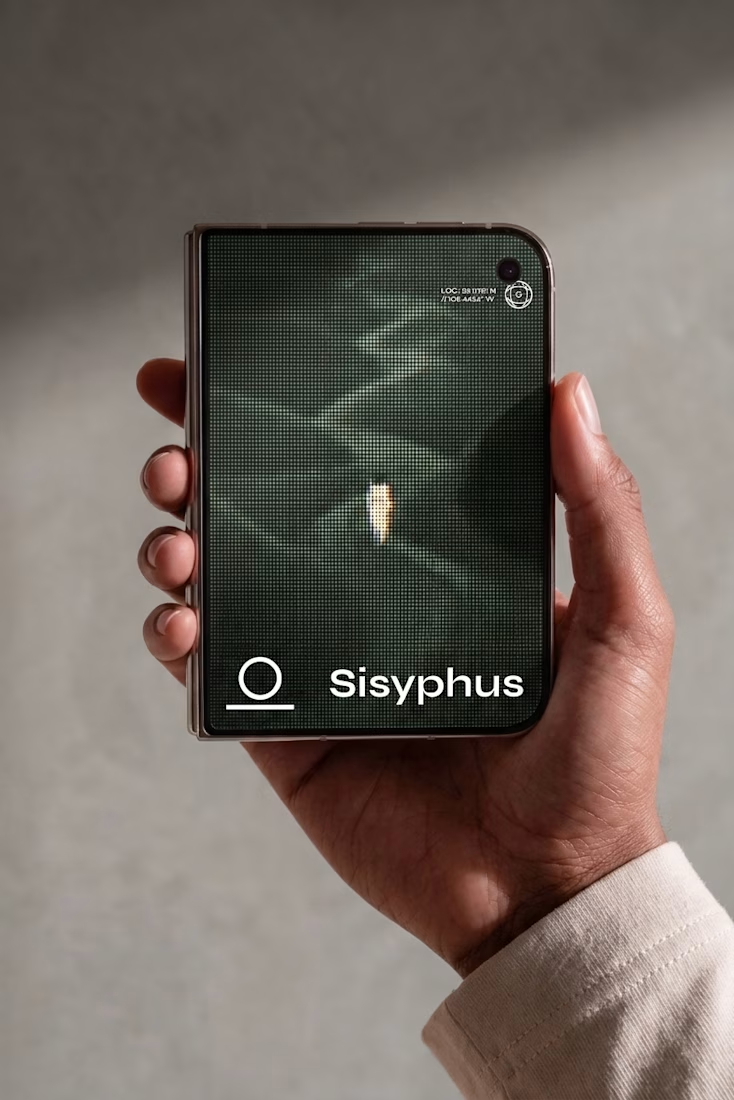
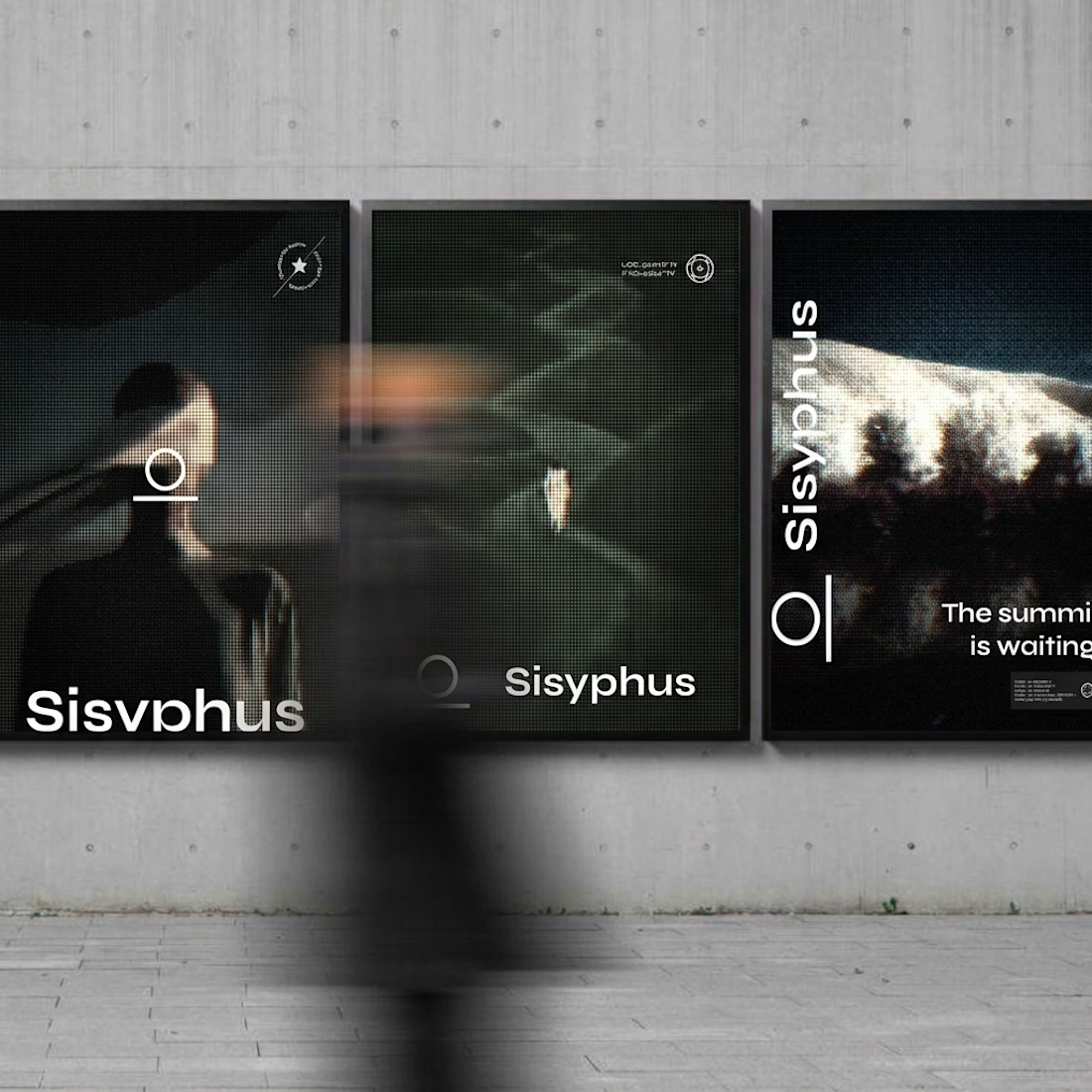
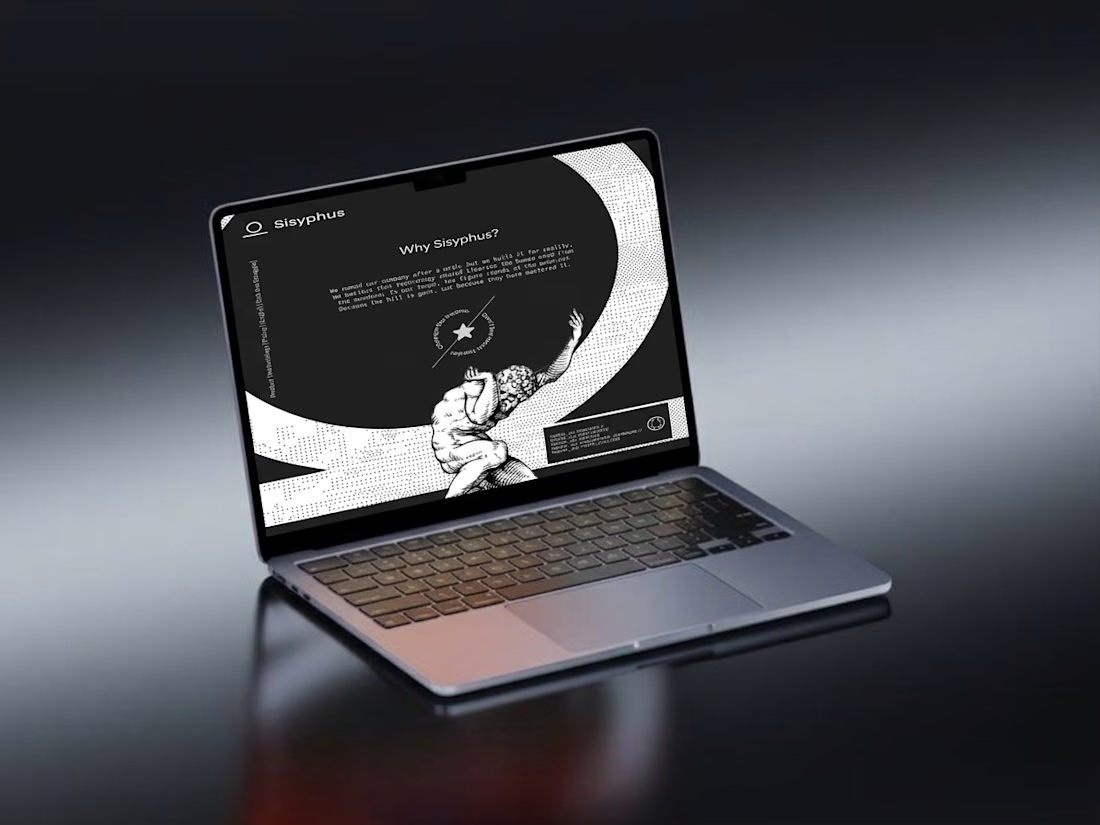
Sisyphus: identity, landing page and campaign for a workflow engine I made up.
Took a break, came back, cut half of it. The boulder is still the logo.

Cutting half after a break is underrated. Was the boulder always the mark or did it show up in the cuts?
Just wrapped up a new case study for SuperMatics, a California-based tech company combining physics and AI to discover new superconducting materials.
The challenge was to create an identity that felt credible in the scientific world without looking like another typical AI startup.
Lots of exploration went into the geometric symbol, typography, and colour system, with a mix of technical precision and a more playful side across the applications.
Really enjoyed bringing this one together. Would love to hear what you think!
Full case study here 👇