The Explorer: Defining "Blue Chip" AI Documentary

Hugo Jackson


The Explorer: Defining "Blue Chip" AI Documentary
The Challenge: A "Blue Chip" Stress Test
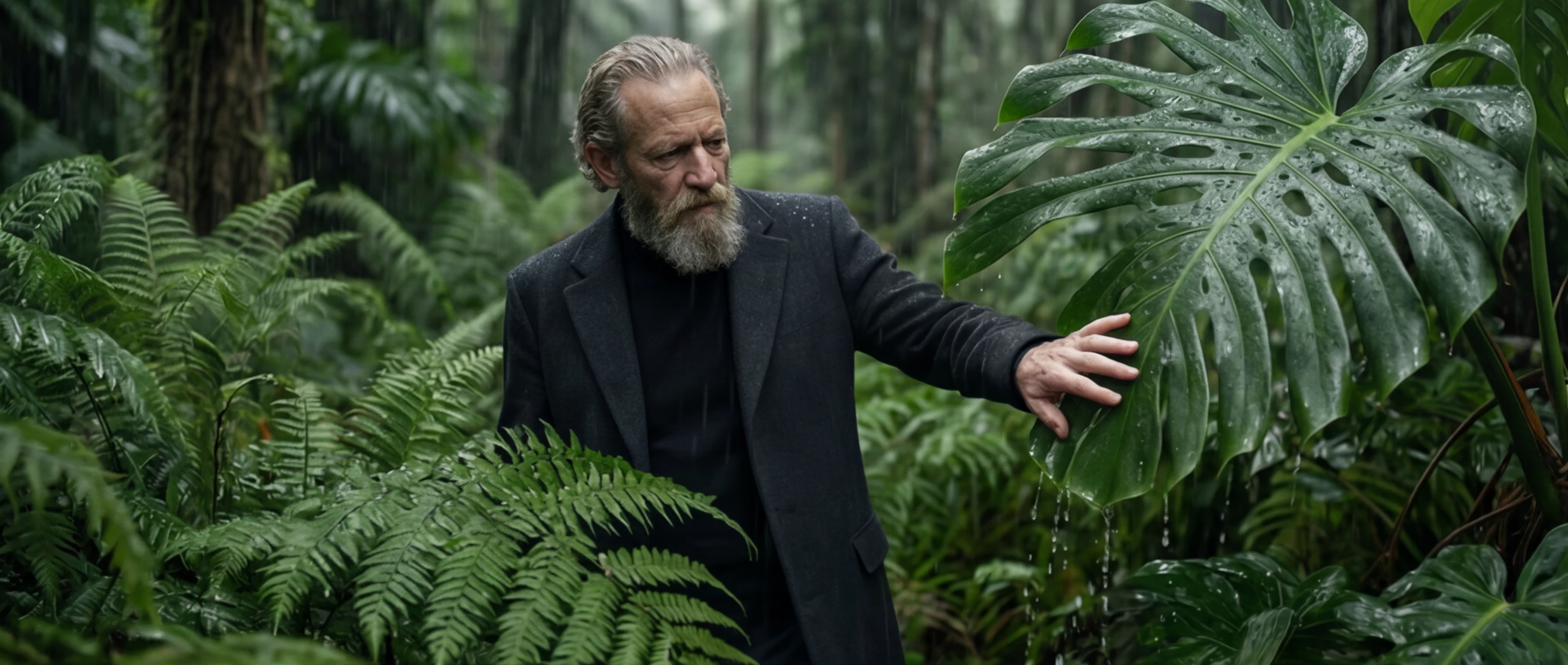
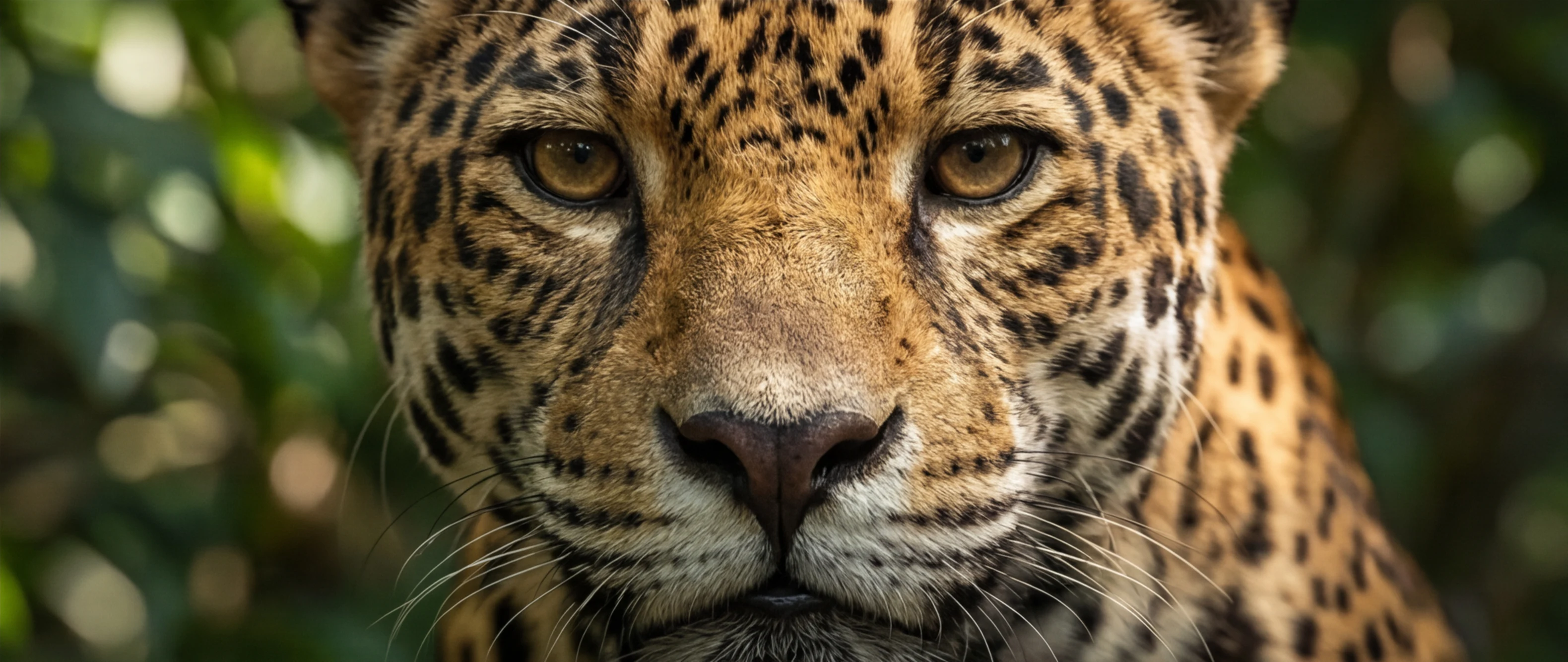
I was approached to deliver a proof-of-concept for a high-end nature documentary series. The brief was technically demanding: deliver five unconnected video clips (3–5 seconds each) to prove that Generative AI could hit "Blue Chip" quality, the gold standard of documentary filmmaking.
The client needed to test specific technical hurdles:
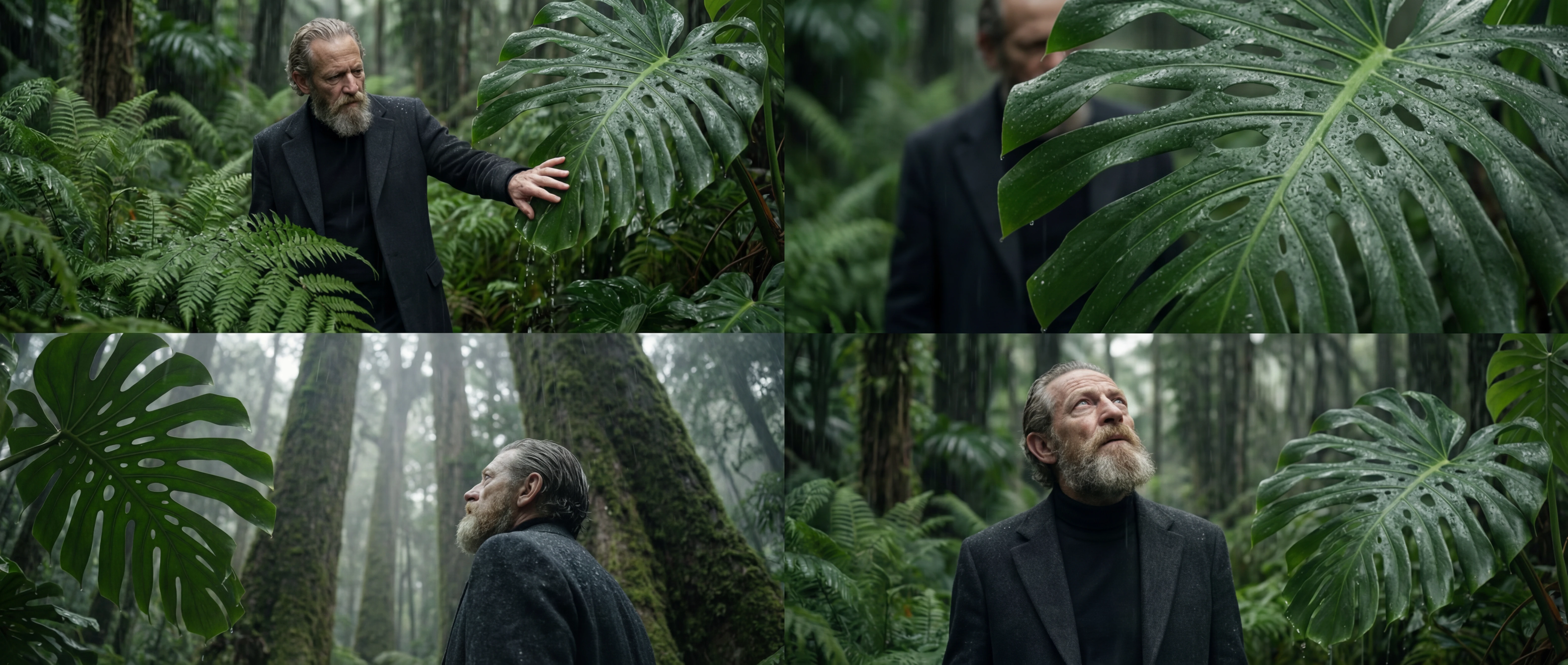
Temporal Stability: Keeping a human face consistent without "AI flicker."
Integration: A subject interacting with foliage and dappled light realistically.
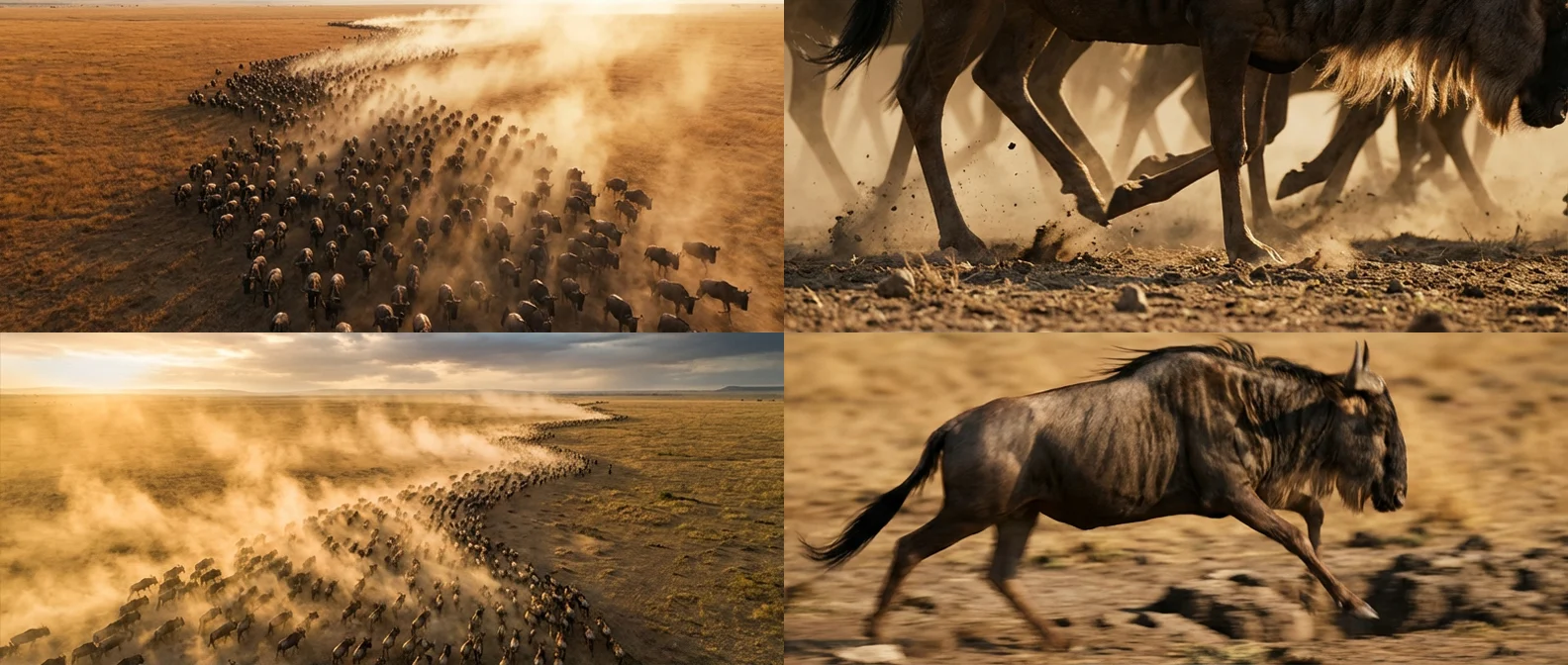
Physics: A massive herd stampede with accurate biomechanics and volumetric dust.
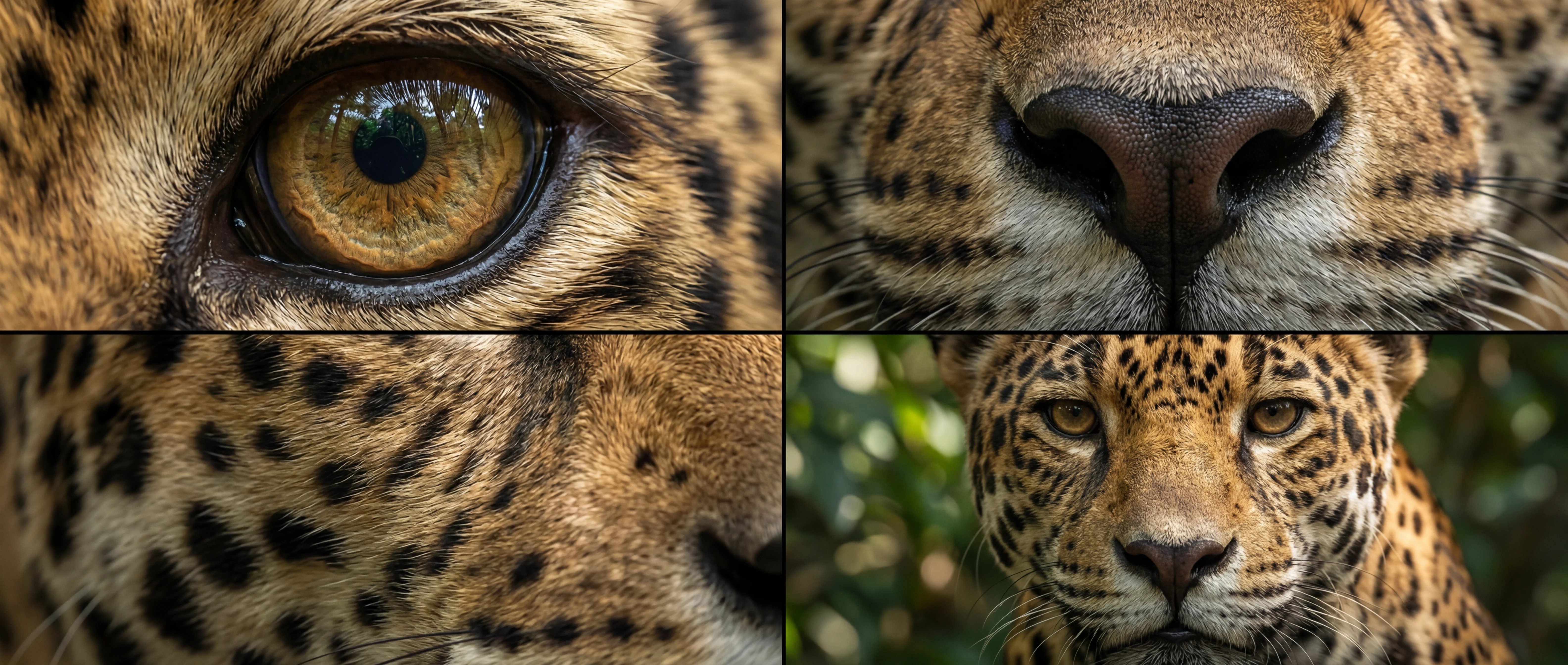
Texture: Macro shots of exotic animals that could cut seamlessly with real footage.
The Solution: Narrative Over Tech Demo
Instead of delivering five disjointed test clips, I saw an opportunity to create something cohesive. I took the brief and expanded it into a full narrative short film.
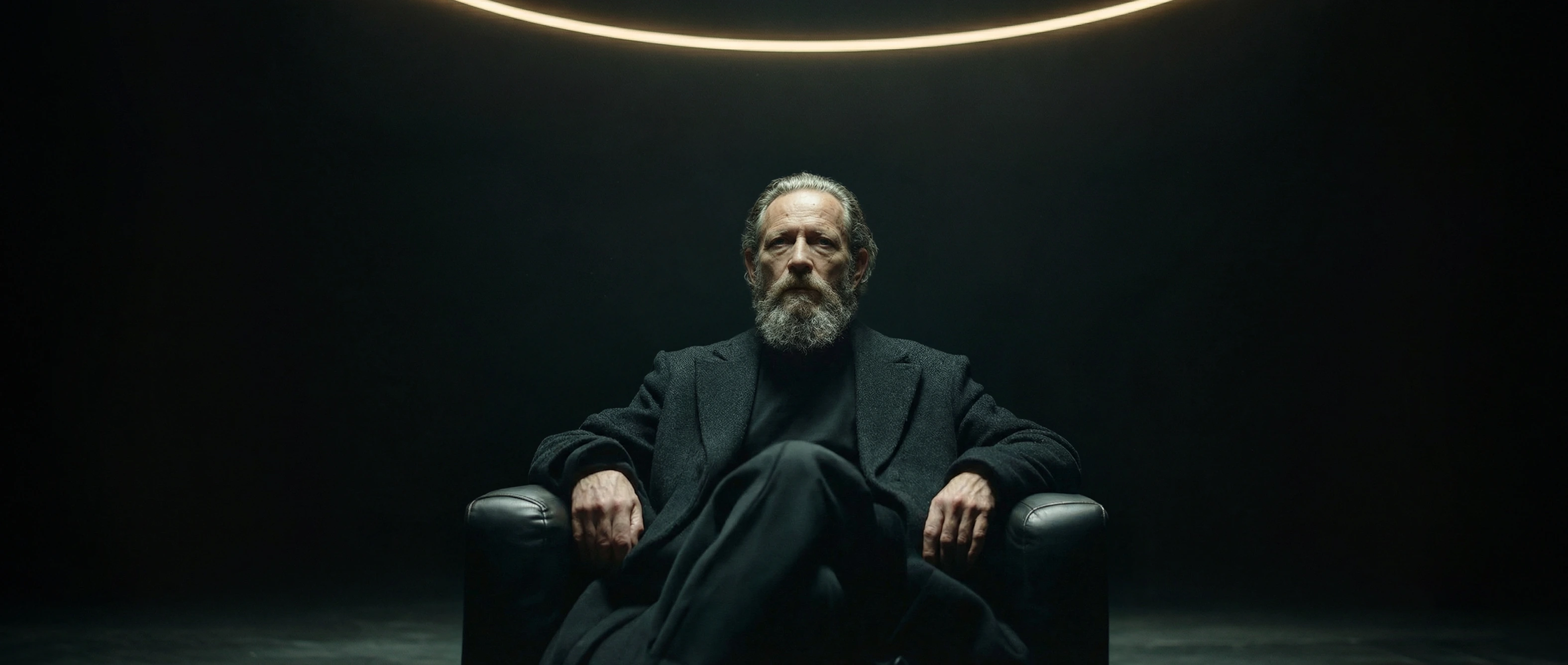
I realized that to truly sell the "Blue Chip" feel, visual fidelity wasn't enough, it needed emotional weight. I centered the piece around a specific "Explorer" character, giving the audience a human anchor to guide them through the environments.
The Workflow: Breaking the Consistency Barrier
To achieve the requested "Human Fidelity," I developed a multi-stage pipeline:
Character Creation: I designed the Explorer in Midjourney to get that weathered, 19th-century look.
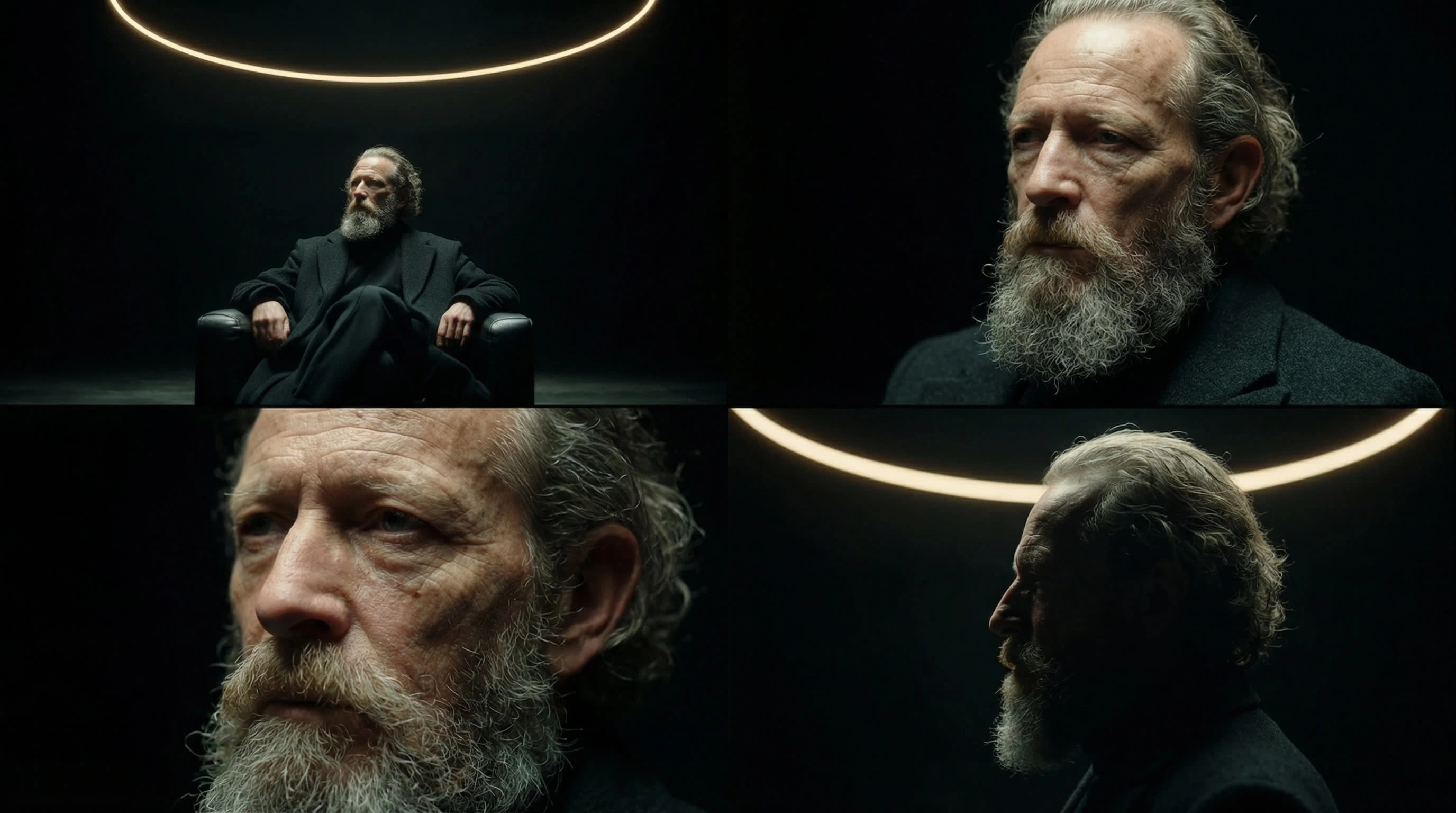
Consistency: I utilized Nano Banana and the 2x2 grid method to generate new angles and scenarios while locking the character's likeness.
Lip Sync & Motion: For the talking head shots, I used Omnihuman (Bytedance) to generate the base lip-sync performance. I then fed those outputs into Kling O1 as a motion reference to upscale the fidelity and blend it back into the cinematic world.
The Workflow: From Grids to Physics
To achieve the requested fidelity for every shot, from the macro jaguar to the stampeding herd, I developed a specific multi-stage pipeline:
Composition & Upscaling: I used Nano Banana to generate the initial compositions for every shot, utilizing the 2x2 grid method. This allowed me to iterate rapidly until the lighting and camera angle were perfect. Once I had the hero frame, I upscaled it to ensure maximum detail before animation.
Prompting for Movement: I fed these high-res plates into Kling and Google Veo. The real challenge here was the movement. Getting the specific actions requested in the brief, like the explorer physically pushing a fern aside or the wildebeest hooves striking the ground with weight, required precise prompt engineering. I had to carefully craft the text prompts to guide the physics engines, ensuring the motion felt biological and grounded rather than "floaty" or hallucinogenic.
The Heartbeat: Music-Driven Storytelling
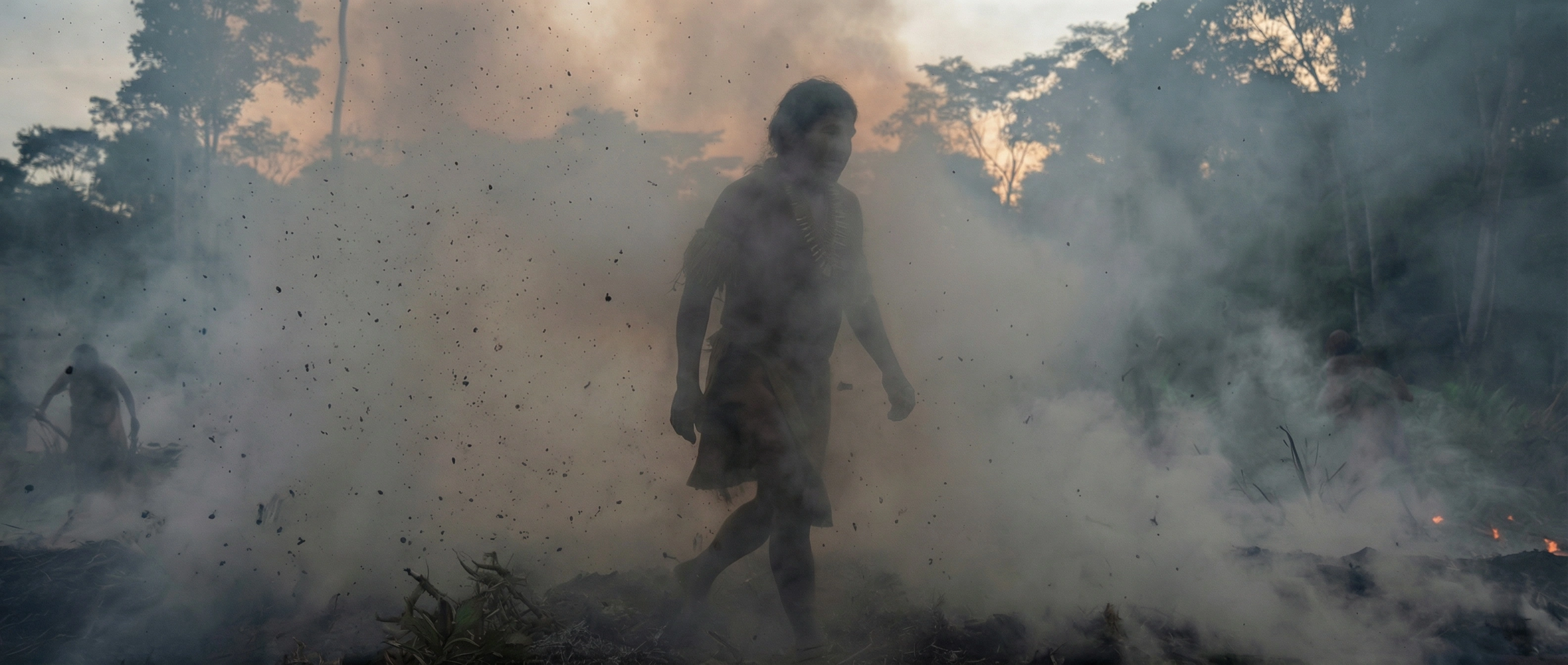
For me, music is everything. It drove the entire pace of the edit. I used Suno to generate a score featuring Mayan flutes and percussion, which dictated the rhythm of the cuts. I layered this with custom voiceovers and sound effects from ElevenLabs, mixing it all in Adobe Premiere to create a dense, atmospheric soundscape.
The Evolution: Ancient Egypt
I loved the workflow and the emotional resonance of the first film so much that I immediately applied the same pipeline to a second film set in Ancient Egypt.
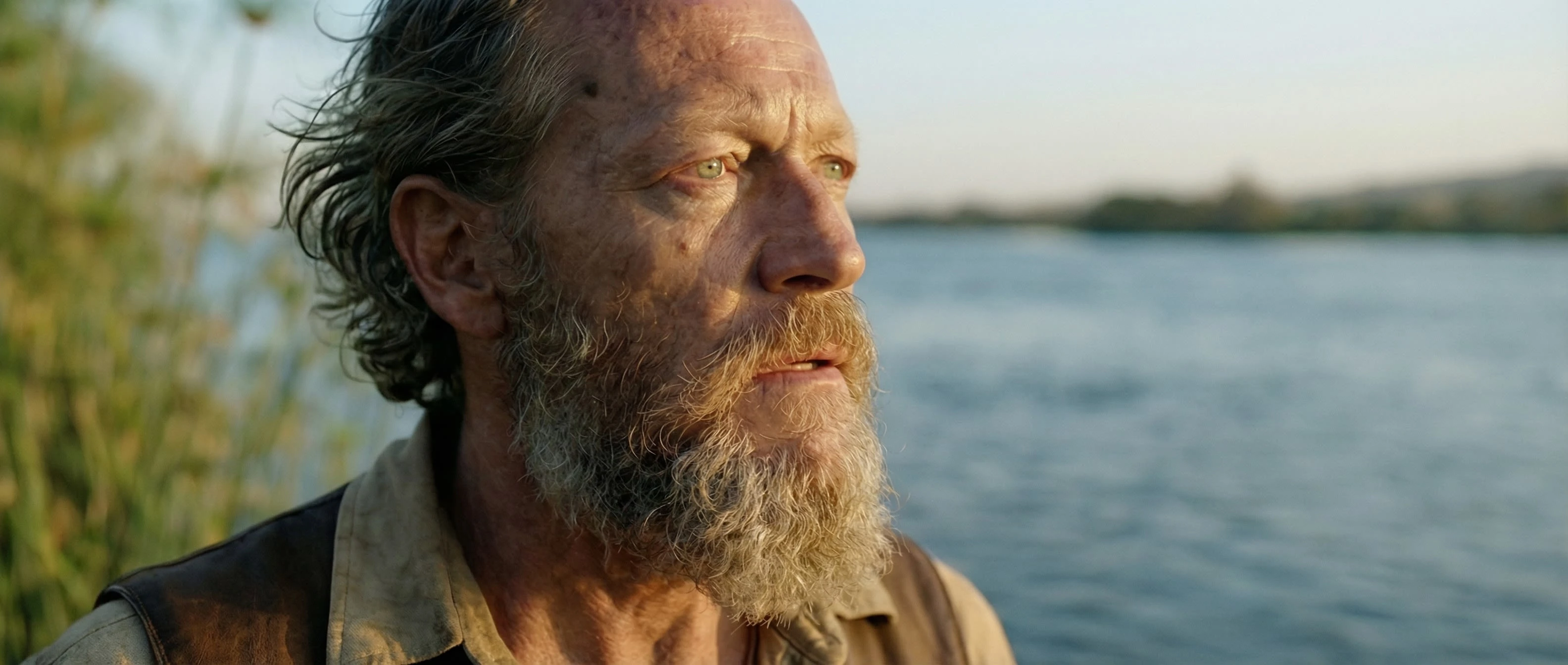
Creating the world required deep attention to detail. I didn't just generate generic "Egypt", I ensured the environment was accurate to Cleopatra’s era.
The Sphinx: I depicted it buried up to its shoulders in sand, as it would have been at that time.
The Pyramids: I rendered them with their original white limestone casing stones still intact, but weathered to a matte, dull finish appropriate for their age by the Ptolemaic period.
Getting these base images right in Nano Banana took significant iteration before I even touched the video generation tools.
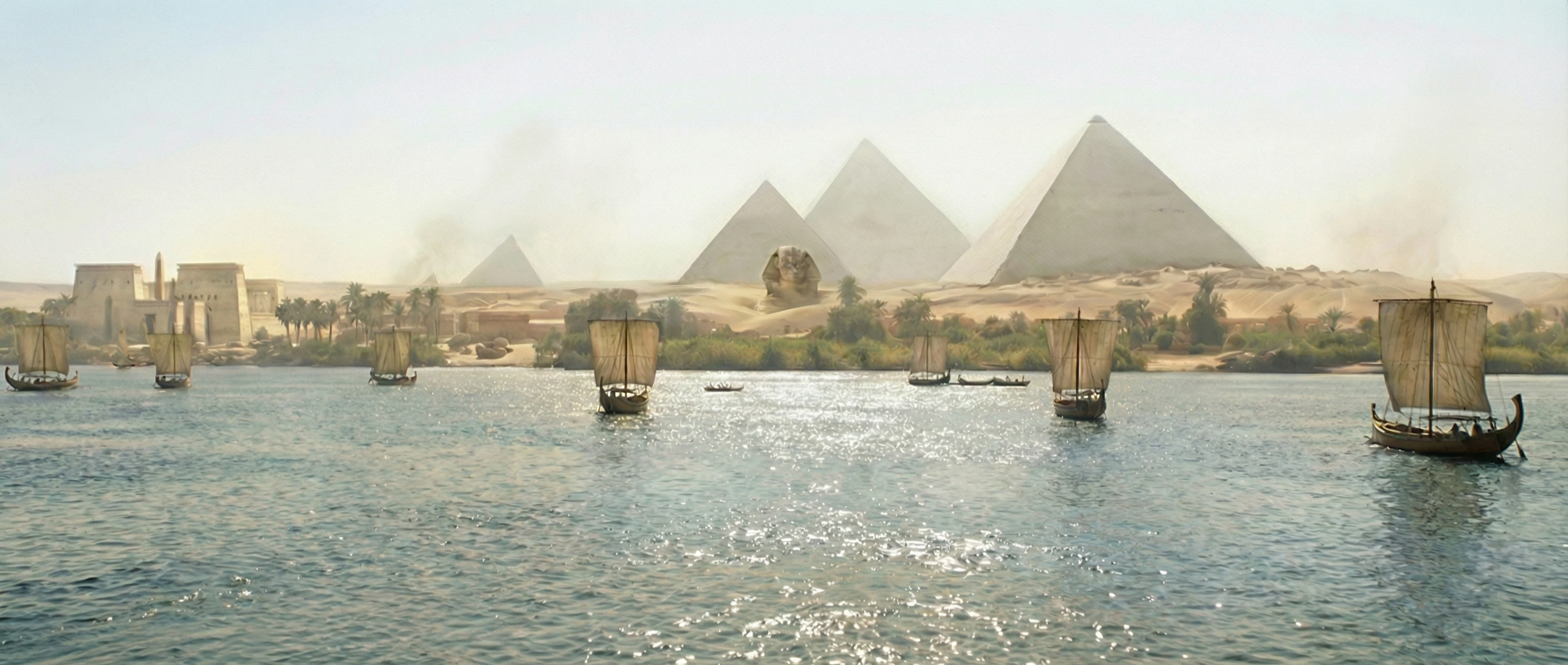
Depicting Ancient Life
Beyond the landscape, I wanted to capture the daily rhythm of the civilization. I crafted scenes depicting:
Temple Ceremonies: Atmospheric, low-light rituals inside the massive columned halls.
Construction Projects: The scale of labor and engineering required to maintain the empire.
Artisan Work: Close-ups of craftsmen painting hieroglyphs, ensuring the texture of the stone and pigment felt tangible.
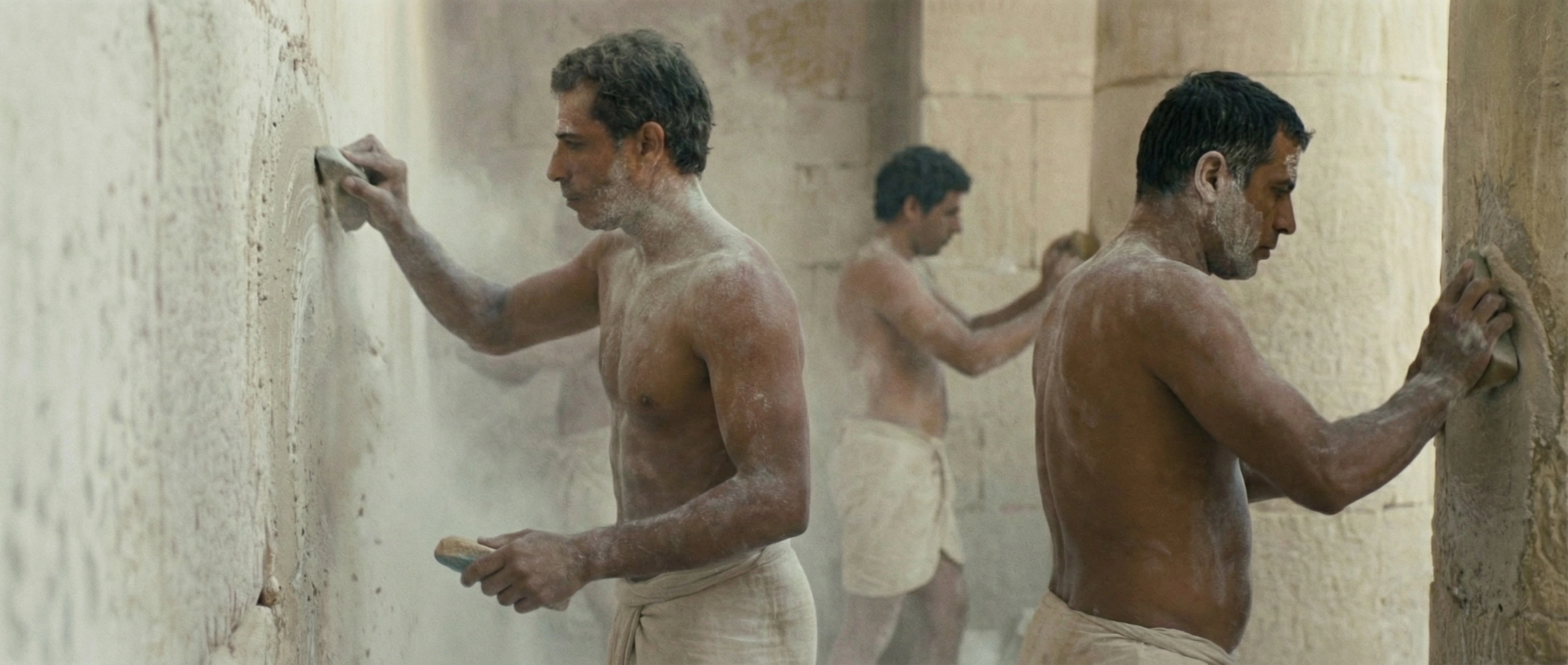
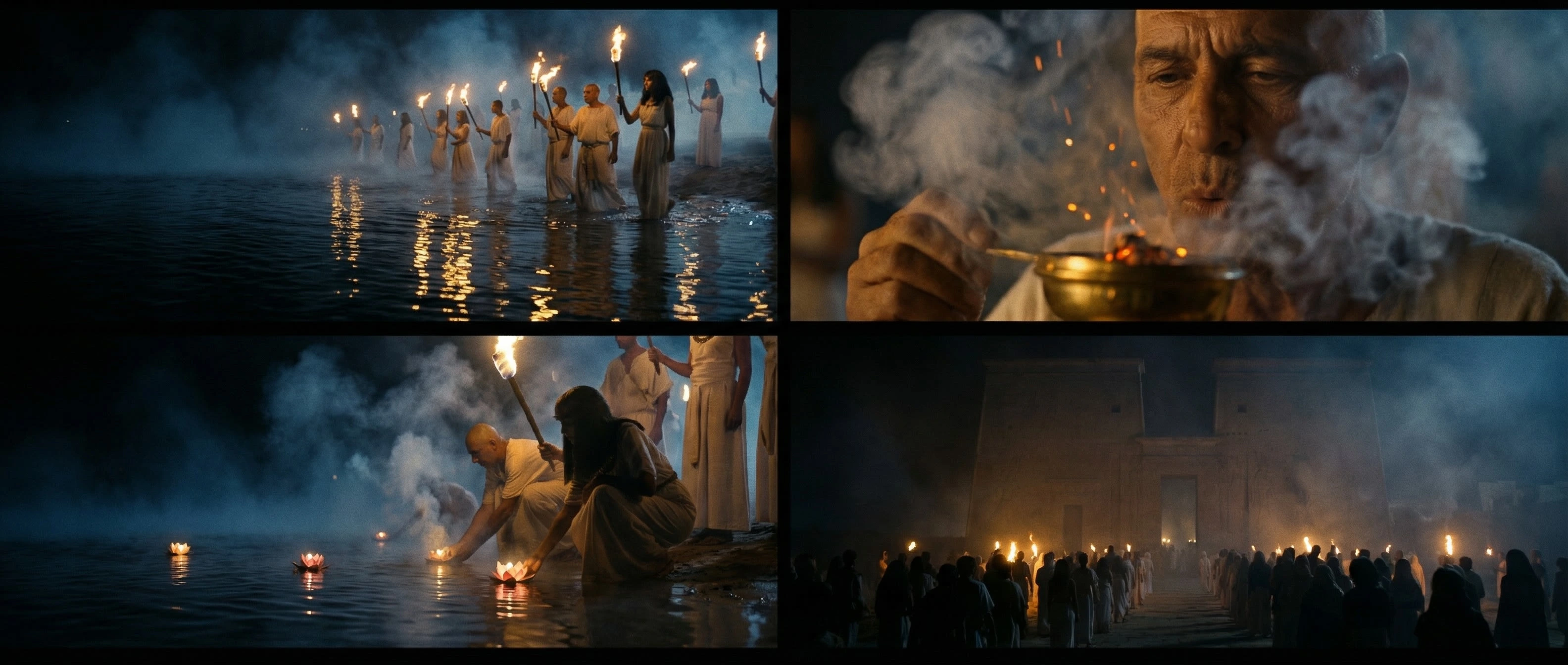
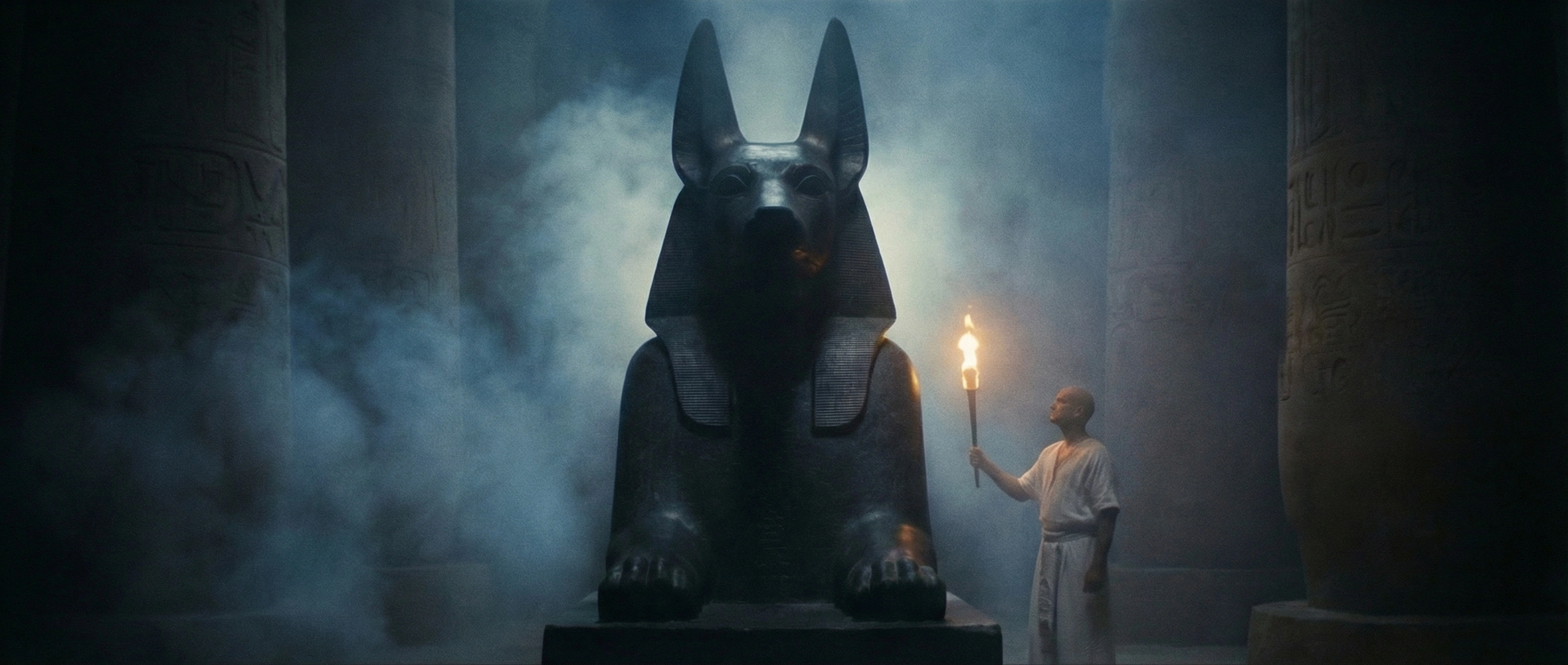
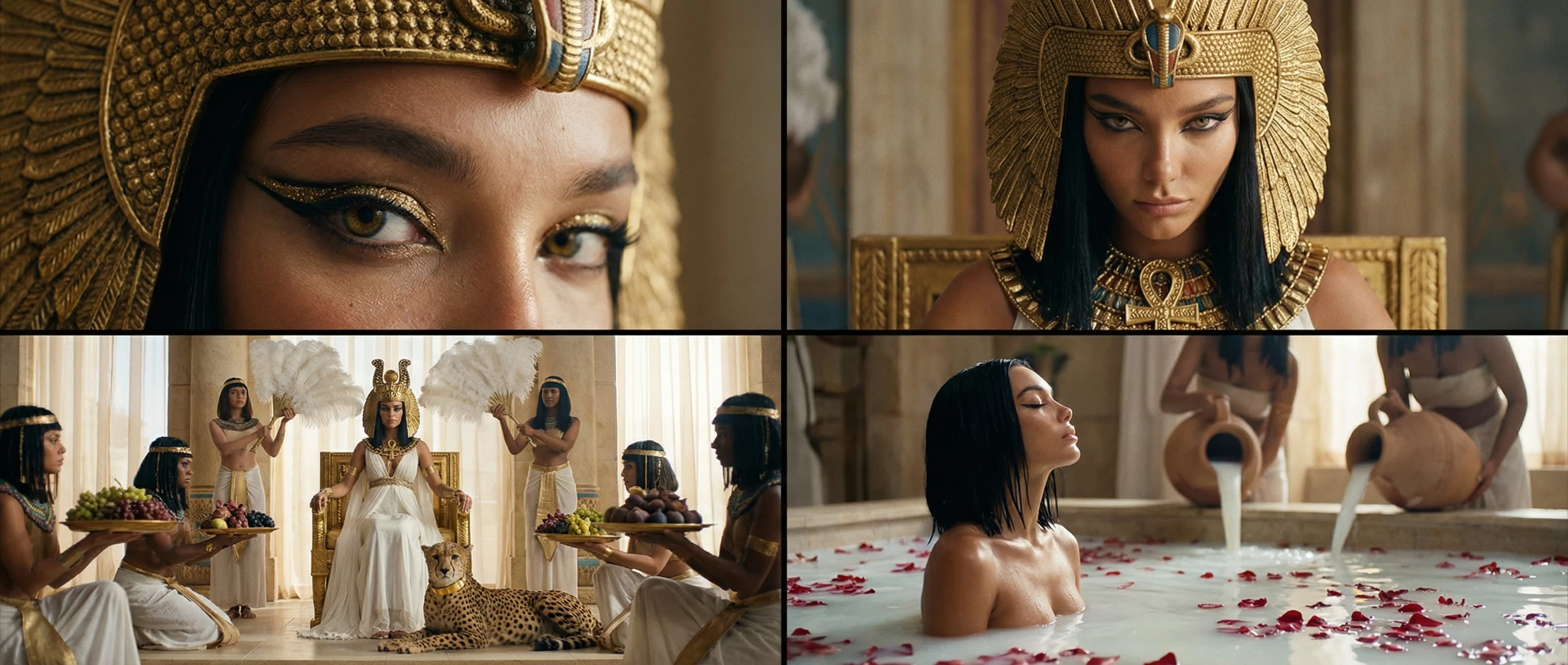
For this version, I decided to "cast" my own AI actor for the lead role: Cleopatra, a digital influencer character I had already developed and established in a previous project (GRWM Cleopatra: An AI Driven Series).
By pulling her from a social media context and placing her into a high-end documentary setting, I proved a crucial point for the future of production: digital actors can be created once and deployed across entirely different genres. Her consistency held up perfectly, demonstrating that a well-crafted AI character can be a recurring asset, capable of performing in any era or style.
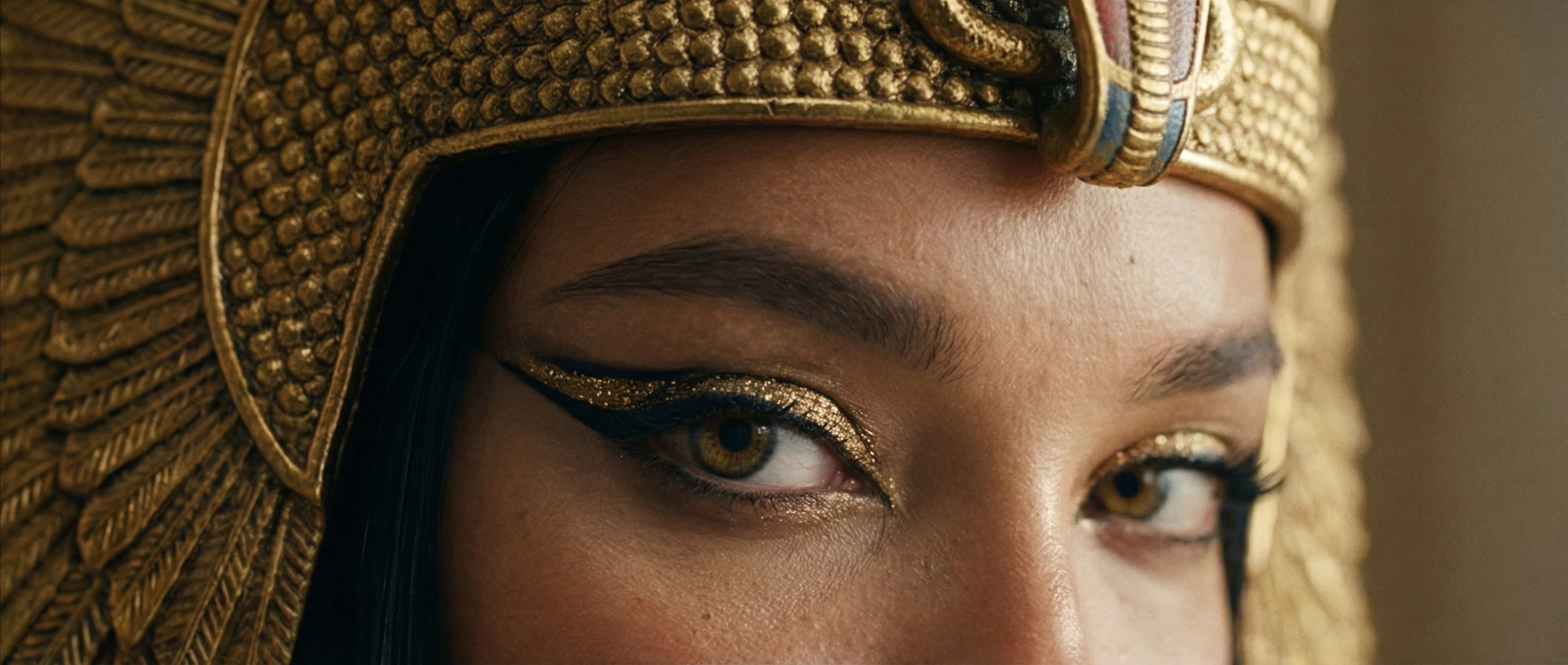
Using the same consistency workflows, I developed her character to embody the specific royalness and intensity the role demanded. I treated her exactly as I would a human actor, directing her performance through the prompts to ensure she held the screen against the epic backdrop of the pyramids.
I rebuilt the score in Suno to focus on Ancient Egyptian instrumentation, proving that this AI workflow isn't just a one-off trick, it's a repeatable, scalable way to produce high-end documentary content for any era, with any cast.
This project proved that with the right historical research and prompt engineering, AI can resurrect lost worlds with "Blue Chip" fidelity.
Do you need a project similar? Let's work together!
Like this project
Posted Feb 13, 2026
Pushing Gen AI to 'Blue Chip' documentary standards. Two films: a nature expedition and an Ancient Egypt recreation starring my AI actor, Cleopatra.
Likes
0
Views
35
Timeline
Feb 1, 2026 - Feb 7, 2026