The network for creativity
Join 1.25M professional creatives like you
Connect with clients, get discovered, and run your business 100% commission-free
Creatives on Contra have earned over $150M and we are just getting started
Back to feedPost

Some days I'm designing landing pages.
Some days I'm building sales funnels or crafting automations.
Some days I'm deep in psychology-based sales copy.
Some days I'm creating Instagram content.
Other days I'm the manager - managing tasks, contractors, building SOPs, onboarding new clients and team members, analysing what's working, what's not working, and the best way to move forward.
My work wear many hats, and I wouldn't have it any other way.
People often ask, 'So what do you call yourself — an OBM? A funnel builder?'
Honestly, I don't have a neat answer for that yet, and I've made peace with it (for now).
What I do know is this: I'm grounded, I'm a little (a lot) nerdy, and the thought of cleanly organised systems makes my mouth water.
freelancerlifeprojectmanagerCopywritingMarketing StrategyProject ManagementCanvaClickUpOnline Business Management





The network for creativity
Join 1.25M professional creatives like you
Connect with clients, get discovered, and run your business 100% commission-free
Creatives on Contra have earned over $150M and we are just getting started

Challenges
View all


Related posts

slightly exhausting personality trait: I need every new project to be the best thing I've ever designed.
14 years of doing this and somehow the obsession is only getting worse.
constantly learning, getting better, changing my mind, finding new things I want to try.
god I love design.

“Can you build this?” is usually the first question.
I like to follow it with: “What should it make easier?”
Booking a service. Buying a product. Managing an order. Finding an answer without opening five tabs.
That’s where the interesting work starts. Not with choosing a framework, but with understanding what’s getting in the way.
The goal isn’t just a finished website. It’s a useful one.

"Spot on, James! A website should solve a real business problem first—whether it's simplifying checkout or streamlining bookings. Tech stack comes second, UX and efficiency come first."

This week, I have been working on automating my boss's inbox management, delegating email triage to AI while I handle reviews and approvals that require sound judgment. Because one wrong response to a client can cost a business revenue, I wanted to build a system that saves time without handing over critical decisions to AI.
How I built it:
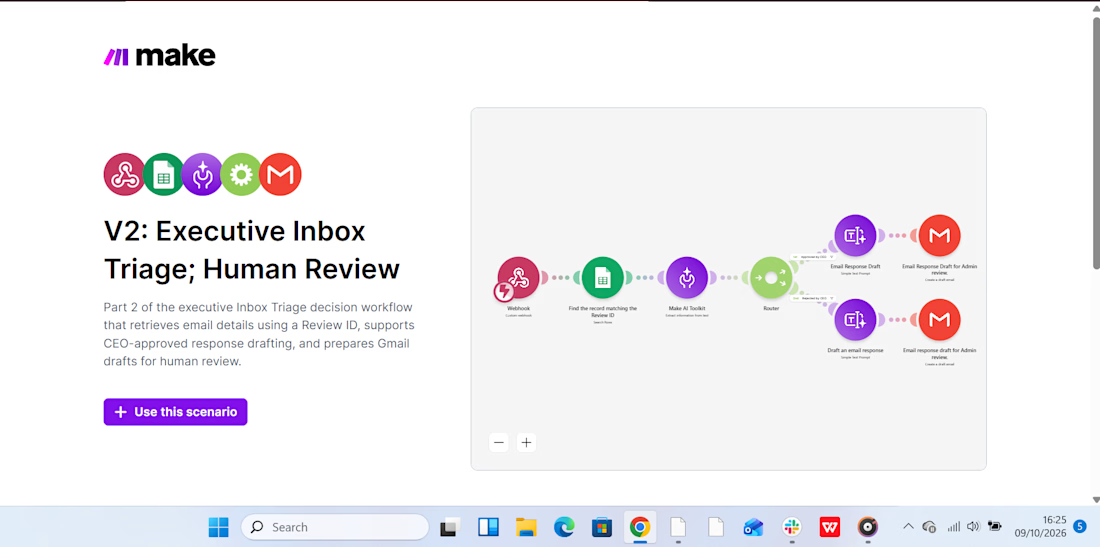
I created two connected automation scenarios in Make.com.
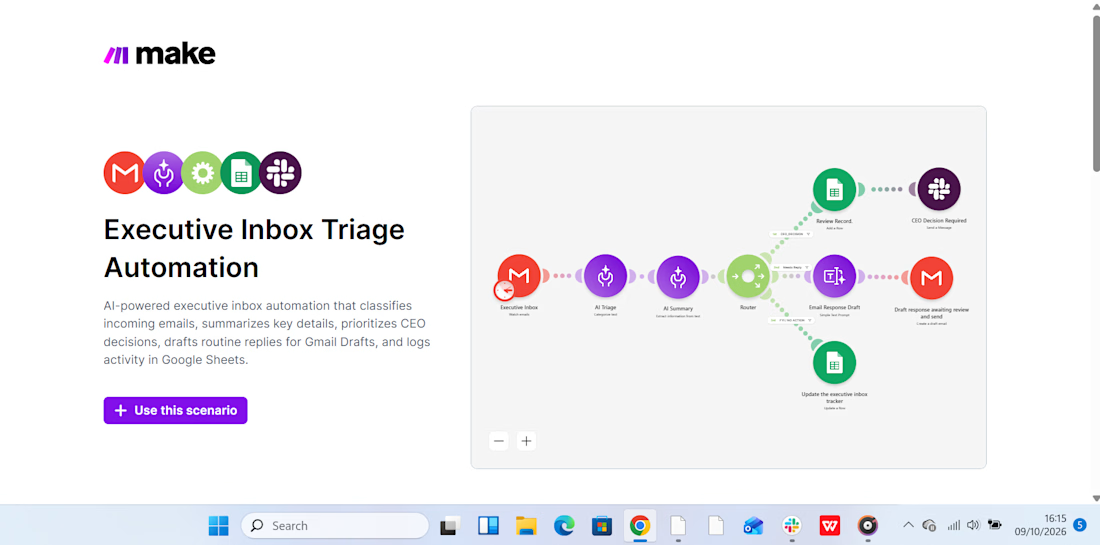
Scenario 1: Intelligent Inbox Triage:
AI analyzes incoming emails, categorizes them by priority, summarizes their content, and recommends the next action. This makes it easier to identify urgent messages and decide what needs attention first.
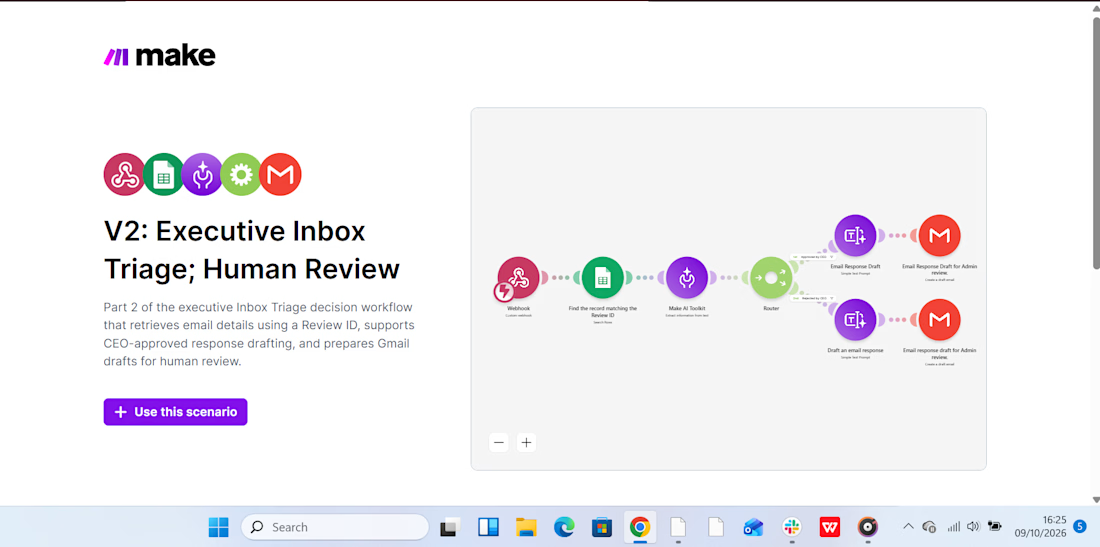
Scenario 2: Human Review & Approval:
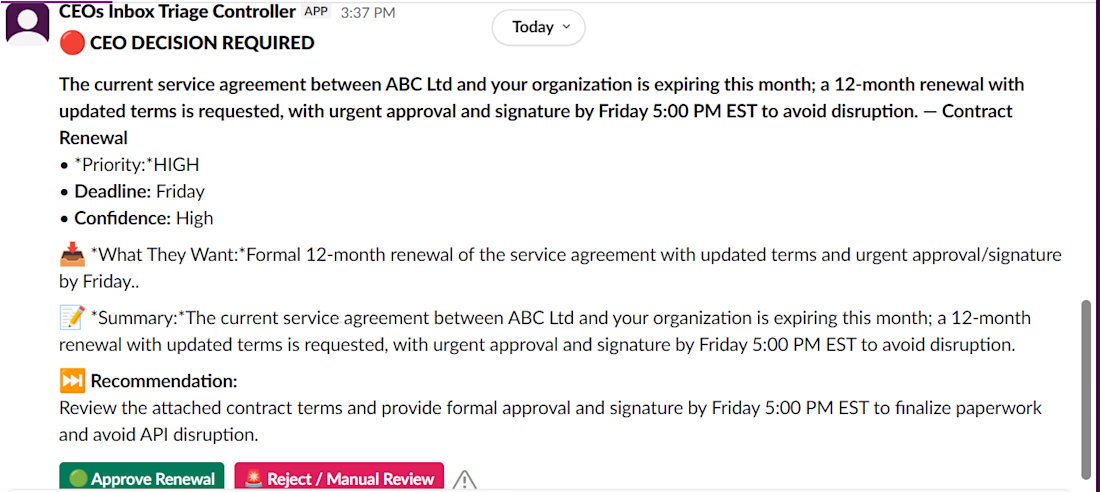
The workflow supports the review and approval process before an email is sent. Slack notifications help bring relevant updates to my attention, so I can review the proposed action and approve the response before it goes out.
Below are snippets of the two scenarios, including a Slack notification, showing how the workflow operates.
My takeaway? AI can help manage the inbox, but when a response could affect revenue or a client relationship, the final decision should remain human.



I'd test the triage with urgent emails that sound casual, such as 'I still can't access the account.' Do you review a sample of low-priority messages to catch urgent ones the AI missed?