The network for creativity
Join 1.25M professional creatives like you
Connect with clients, get discovered, and run your business 100% commission-free
Creatives on Contra have earned over $150M and we are just getting started
Back to feedPost


E-commerce Development
Create a Better Online Shopping Experience
Your e-commerce website should make it easy for customers to browse, choose, and purchase.
Feynix Solution develops e-commerce solutions designed around your products, customers, and business goals.
Build an online store ready for modern customers.
#EcommerceDevelopment #EcommerceWebsite #OnlineStore #FeynixSolution #WebDevelopment

feynixsolution.com
Feynix Solution | Trusted Leading IT Company Worldwide
Choose Feynix Solution for innovative software development, AI, cloud computing, web & mobile apps, and scalable IT solutions for every business.
The network for creativity
Join 1.25M professional creatives like you
Connect with clients, get discovered, and run your business 100% commission-free
Creatives on Contra have earned over $150M and we are just getting started





Related posts

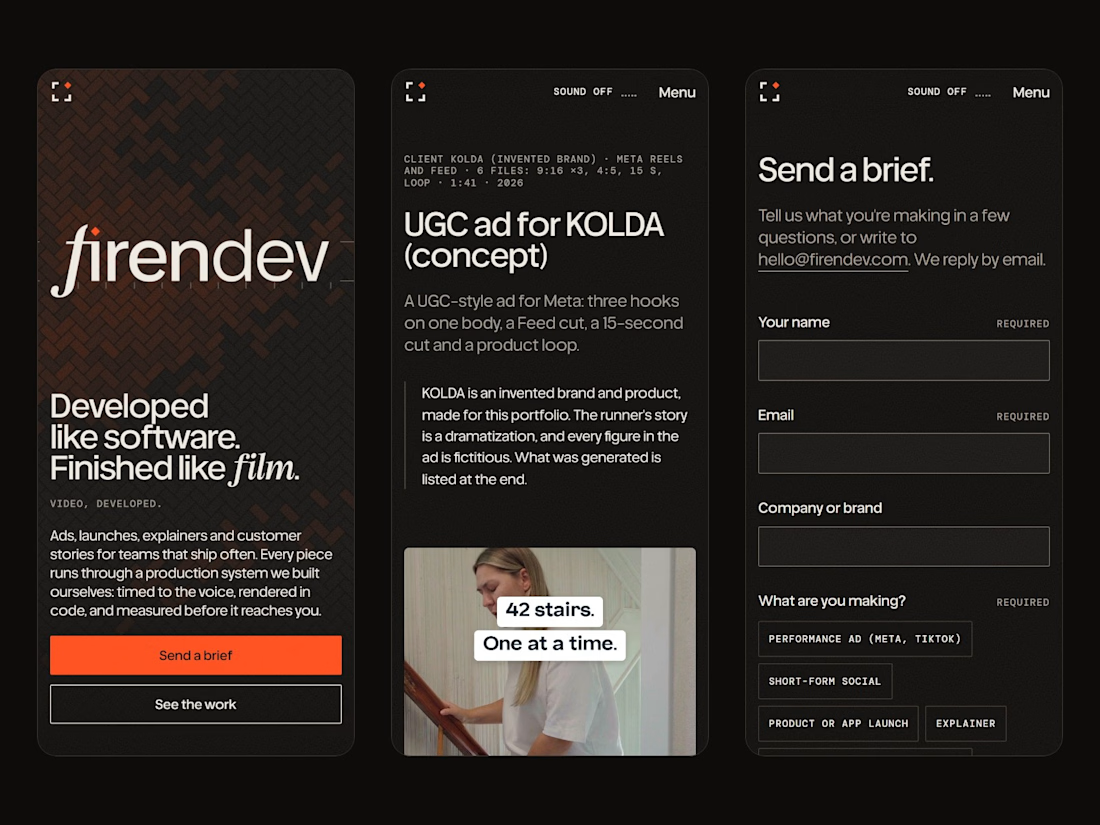
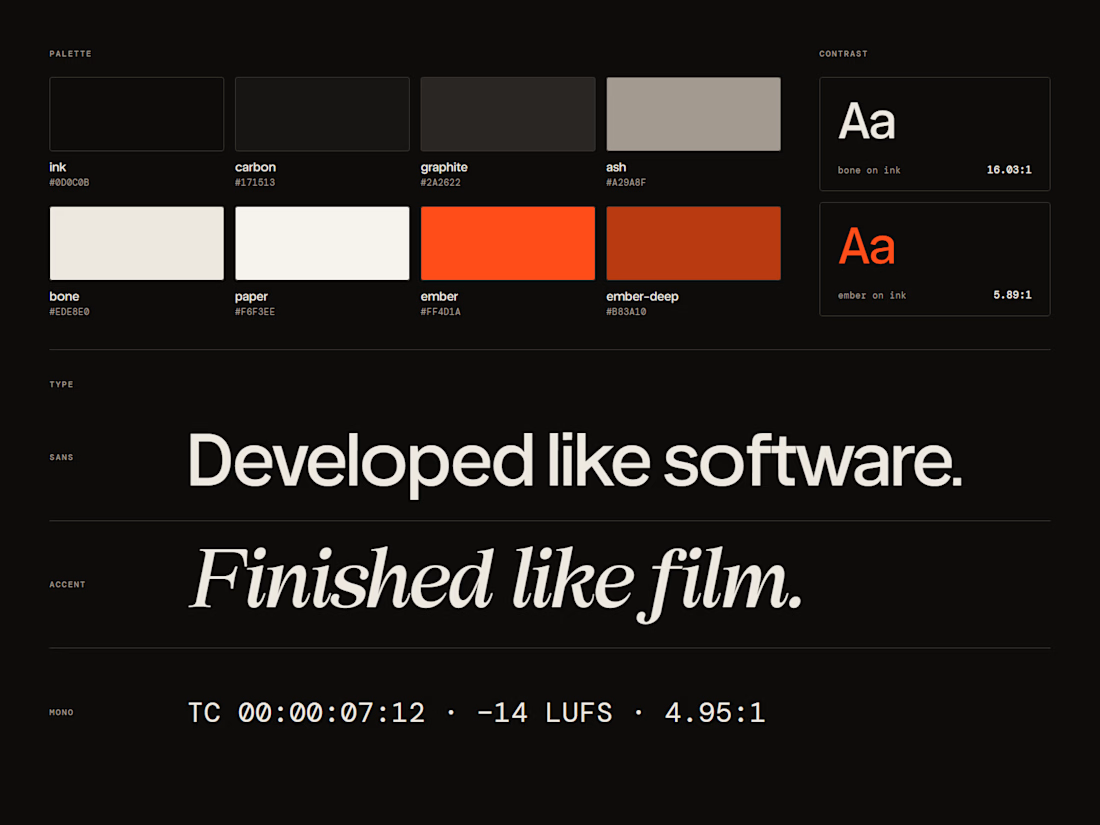
firendev: brand identity and website.
firendev is a video studio, and the name carries the whole brand. Fire, for the spark that starts every piece. Firenze, for a craft measured with proportion and geometry. Develop, in its two senses: developing film and developing software. One line holds it together: developed like software, finished like film.
Everything else grows from that. The spark is the dot of the i. The floor is the herringbone brick of Florence's Duomo. The mark is a camera frame waiting for its spark.
I'd love your honest take on the mark and the hero.
Full case study: https://contra.com/p/bWEMrvZW-firendev-brand-identity-and-website





It's a great design 🔥
I liked the animation in Hero; I'm curious which library you used.


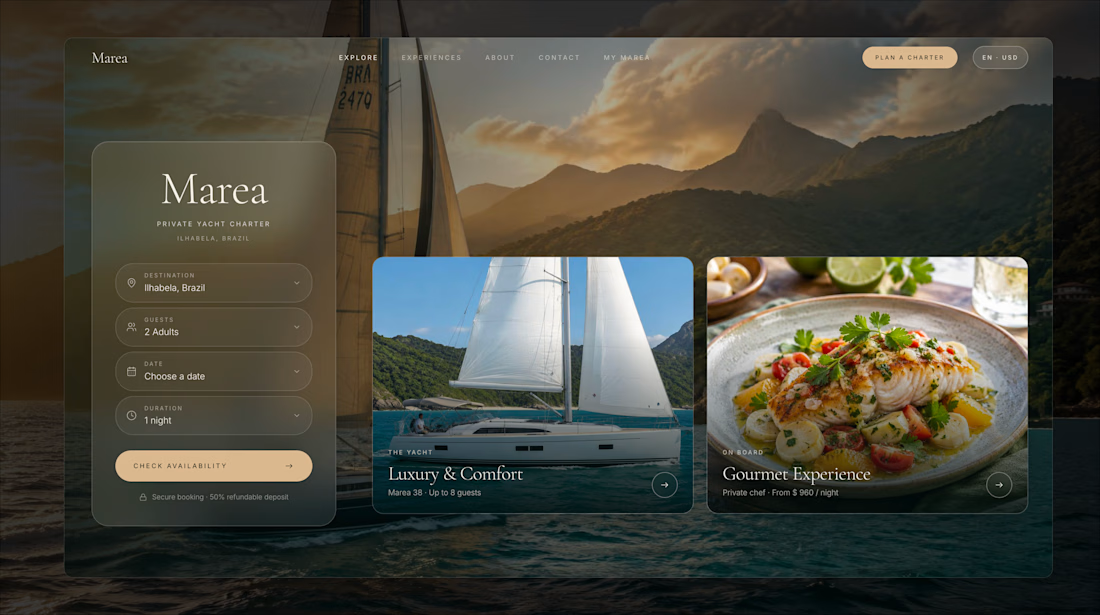
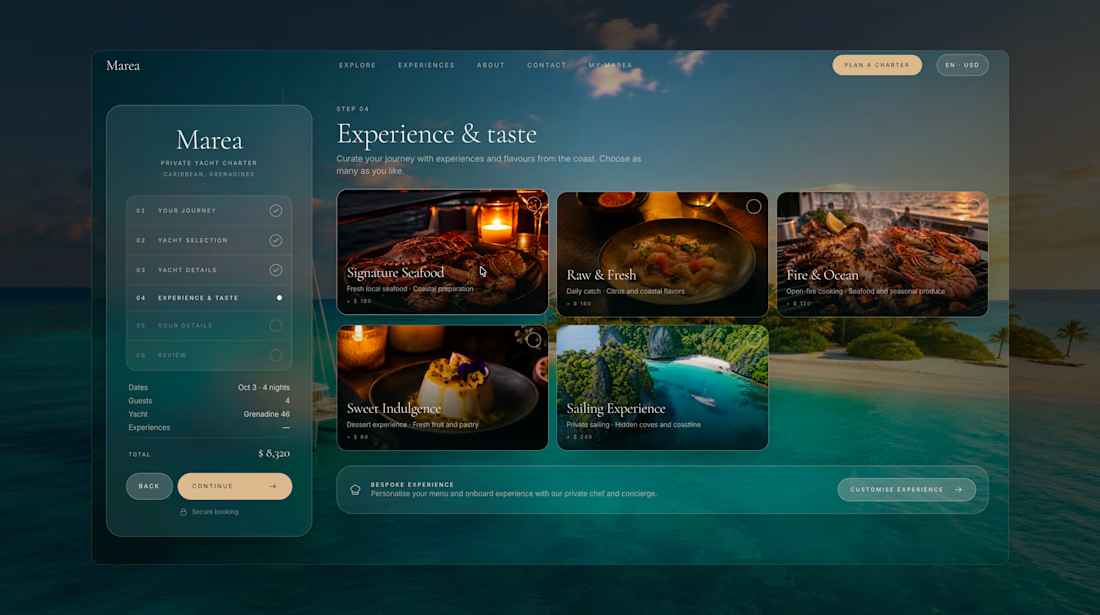
Marea — Private Yacht Charter
Booking a yacht sounds simple.
Until a guest wants a sunset dinner for six.
Now someone has to check availability, coordinate the yacht and chef, confirm the menu, collect dietary requirements, arrange the extras, and keep an eye on the weather.
For a small charter business, that can mean a lot of back-and-forth before a booking is actually confirmed.
So I built Marea around a simple idea:
The guest should choose the experience. Marea should handle the coordination.
Instead of starting with a long inquiry form, guests can build their trip visually, choosing the destination, date, yacht, experience, dining options, and preferences through one guided flow.
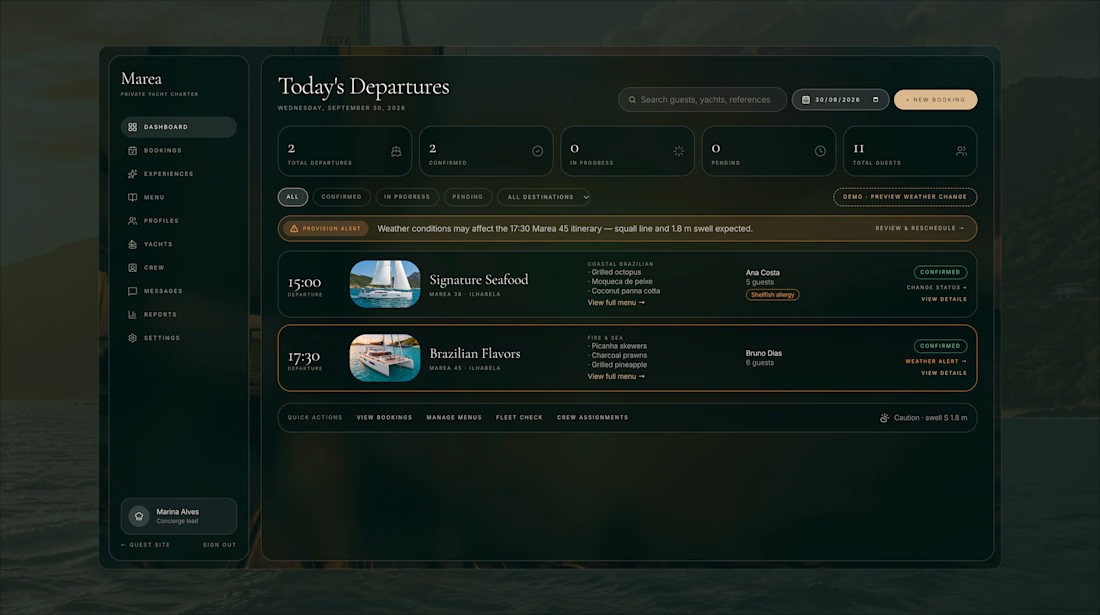
Behind the scenes, the concierge gets everything they need in one place: guest details, preferences, special requests, payment, and trip status.
And because sailing doesn't always go according to plan, Marea also brings weather and rescheduling into the booking experience.
One booking. Boat, chef, dinner, and everything in between.


This is stunning, sign me up, where do I book?! 😅


That works. If the screen recording clearly demonstrates the product, your written explanation can carry the “what I built and why” story.
Here’s a polished version you can use for your Contra challenge submission:
What I built & why
I built PawRoute, a smart booking and automation experience for a fictional solo mobile dog groomer, Maya, based in Austin, Texas.
I chose mobile dog grooming because booking isn't as simple as finding an empty calendar slot. Every new inquiry can require the owner to check the customer's location, understand the dog’s needs, recommend a service, calculate pricing, find a time that works with the driving route, confirm the appointment, send reminders, and handle cancellations.
I wanted to answer one question:
How can I turn “Can I book?” into “You’re booked” with as little work from the business owner as possible?
So I designed PawRoute around a simple 3-step customer booking experience. Customers provide their location and dog details, receive a recommended service with clear pricing, and choose from available appointment times.
I also created Best Route Match, which prioritizes appointments when Maya is already working nearby instead of treating every available time equally.
Behind the customer experience, PawRoute handles the repetitive work: booking confirmations, reminders, customer information, route updates, rescheduling, and automation activity.
I also designed an owner dashboard where Maya can see appointments, customers, her driving schedule, and what PawRoute has automated.
Finally, I added a cancellation-recovery workflow. When an appointment opens up, PawRoute can help identify suitable waitlisted customers and refill the slot instead of requiring Maya to manually message people.
The goal wasn't simply to build another booking website. It was to design a system where the customer sees simplicity while the complexity is handled behind the scenes.
3 steps for customers. Less scheduling work for Maya.
Built with Lovable for the Lovable Challenge.

