The network for creativity
Join 1.25M professional creatives like you
Connect with clients, get discovered, and run your business 100% commission-free
Creatives on Contra have earned over $150M and we are just getting started
Back to feedPost

GPT-5.6 Sol just raised the bar for agentic coding.
OpenAI’s new flagship model achieved 88.8% on TerminalBench 2.1 a benchmark focused on real terminal tasks requiring planning, iteration, and tool coordination.
But the score is not the most interesting part.
What caught our attention at LuvionSoftware is how the model is designed to work:
→ Deeper reasoning for complex problems
→ Multi-agent execution with Ultra mode
→ Stronger performance across coding and computer-use workflows
→ Better support for long-running tasks where one prompt is not enough
For software teams like ours, this could reshape the daily workflow.
Less time guiding every small step.
More time defining requirements, reviewing decisions, testing results, and delivering real value.
AI coding is moving beyond:
“Generate this function.”
And moving toward:
Understand the goal → Inspect the project → Plan → Execute → Verify.
GPT-5.6 Sol is now gradually rolling out across eligible ChatGPT plans, Codex, and the OpenAI API.
The question we want to explore is:
Can it accelerate software delivery without reducing engineering judgment?
What would you test first with GPT-5.6 Sol?


The network for creativity
Join 1.25M professional creatives like you
Connect with clients, get discovered, and run your business 100% commission-free
Creatives on Contra have earned over $150M and we are just getting started

Related posts

Testing two hero directions for Orbyn, an AI agent orchestration platform.
Which direction would you pick for an AI product?

1 voted
50%
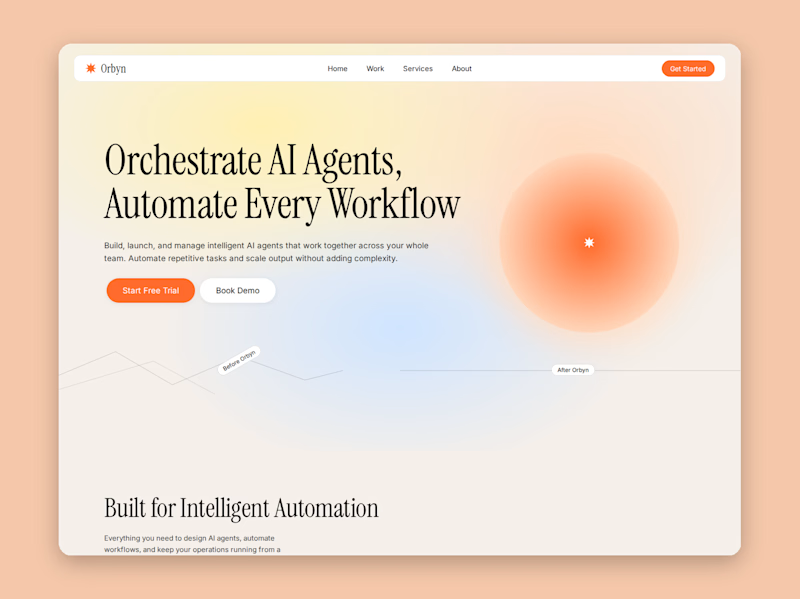
1 voted
50%
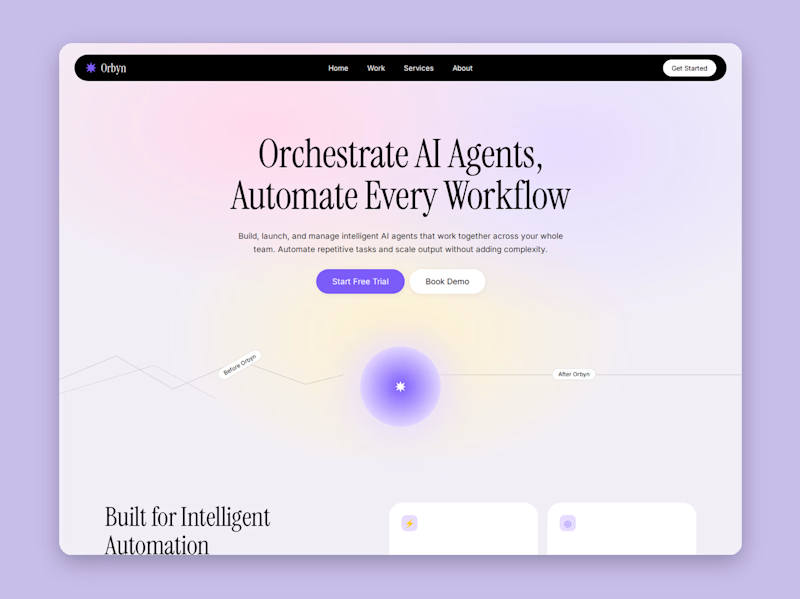
2 votes
Closed

Lilac Orbit — purple glow reads more AI

Building a Voice AI Assistant That Turns Phone Calls Into Thoughtful Follow‑Through
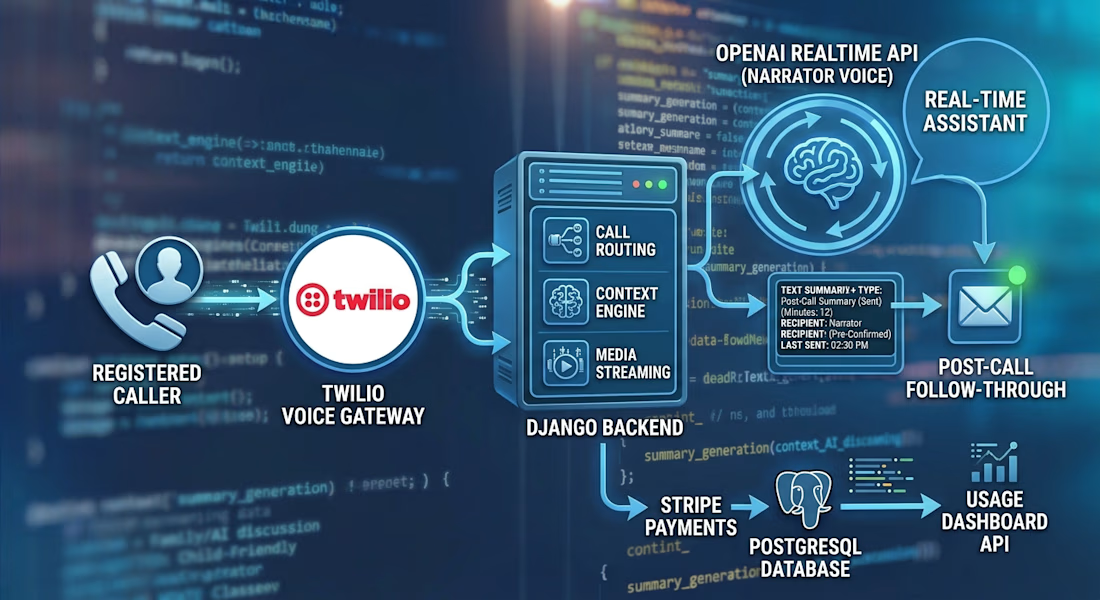
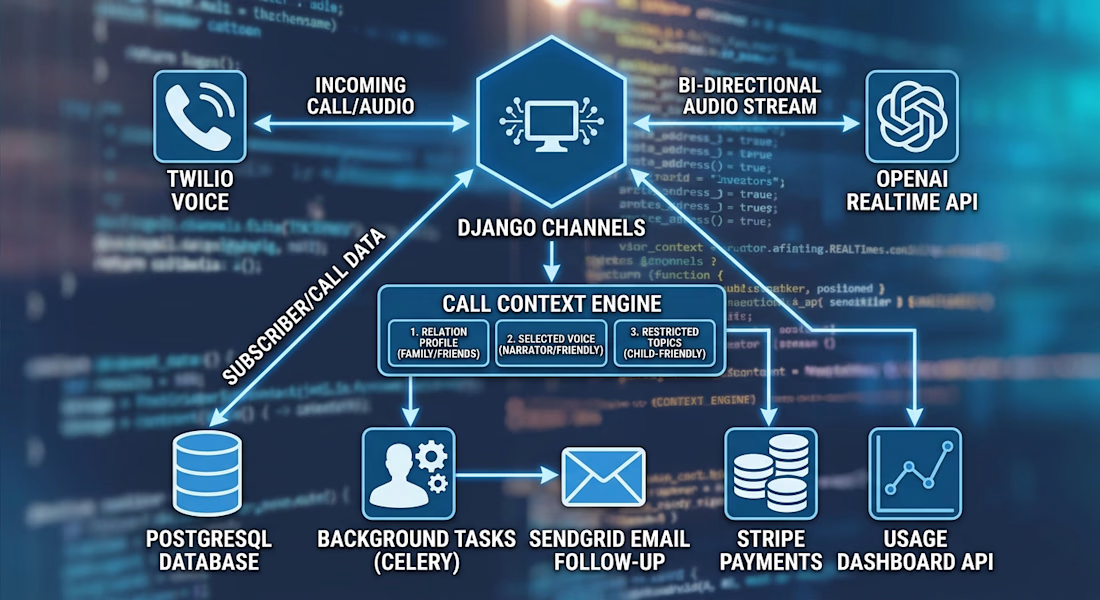
I built a Django backend for a family-focused AI phone assistant. A registered caller connects through Twilio, and Django Channels streams the call to an OpenAI Realtime session for a natural, two-way conversation.
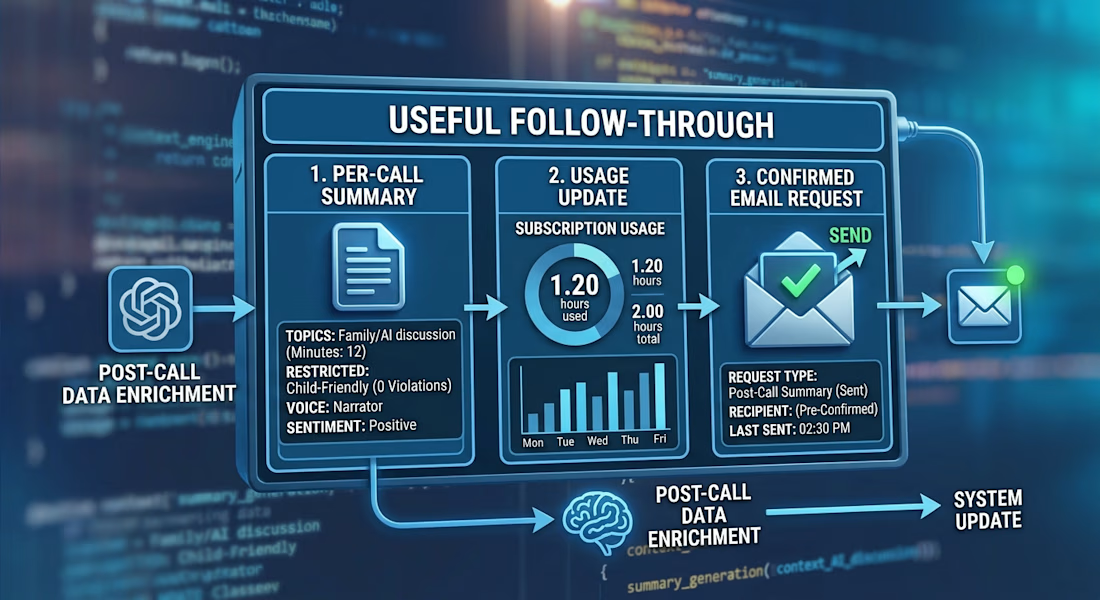
The backend adds caller-specific context, selected voices, subscription minute limits, and interruption handling. After the call, background tasks generate a separate summary. A follow-up email is sent only when requested and the recipient is confirmed.
I also built APIs for managing relations, subscriptions, and dashboard usage data. One of the most interesting parts was connecting the whole lifecycle: incoming call, real-time conversation, usage tracking, and post-call follow-through.
#Django #VoiceAI #RealtimeAI #Twilio #OpenAI #BackendDevelopment




I think we're heading towards a stage where everyone will have their own unique tools and workflows, which they won't even bother sharing or selling, knowing others can simply reverse-engineer and adapt them. Feels like we're entering an era of truly unique creativity.