The network for creativity
Join 1.25M professional creatives like you
Connect with clients, get discovered, and run your business 100% commission-free
Creatives on Contra have earned over $150M and we are just getting started
Back to feedPost


It’s rare to have a client look at the first outcome and simply say, “I love it.”
With Noophora, everything clicked from the start. The vision was clear: solve the real gap between creators and listeners, not just create another beautiful interface.
The challenge was to make that connection feel effortless, intuitive, and meaningful. And that’s where design becomes more than aesthetics.
Noophora’s dark mode is my recent love. 🖤
Where aesthetics meet the elite feel of a beautifully crafted interface. Every detail, depth, and interaction comes together to create an experience that feels as good as it looks.
Check it out


Amazing😍

Love this - incredible work.


first outcome approved is rare, congrats

Awesome!

This is great work, approval on first concept is really a gold mine , welldone

Impressive


Amazing


Great work🔥👏👏


Looks great !

That's great, congrats

clean, what did you use for this motions
niceee

Nice

This deserves more than just liking, this deserves to be featured! 🏆 Aligning vision and UX execution so seamlessly on iteration one is top-tier work.

Amazing work

brilliant...

Instant client sign off is huge. What was your secret to getting them completely aligned during discovery?

Absolutely amazing work, well done!

Wow, it's really awesome work

Awesome work

Amazing works🙌 are you creating mockups your own?

Clean and simple, love it.


Cool work. Divan!
The network for creativity
Join 1.25M professional creatives like you
Connect with clients, get discovered, and run your business 100% commission-free
Creatives on Contra have earned over $150M and we are just getting started










Related posts


EarthHub – A Platform for Nature Expeditions ⛰️
Stumbled upon this project in my hard drive, had to publish!


Top to bottom nice work

The most serious brand I’ve ever worked on mails you a phone shaped like a shell.
Deadpan voice. Inflated letters. One strange object a month.
STILL LIFE SERVICE, case study out now.
Would you open the box?
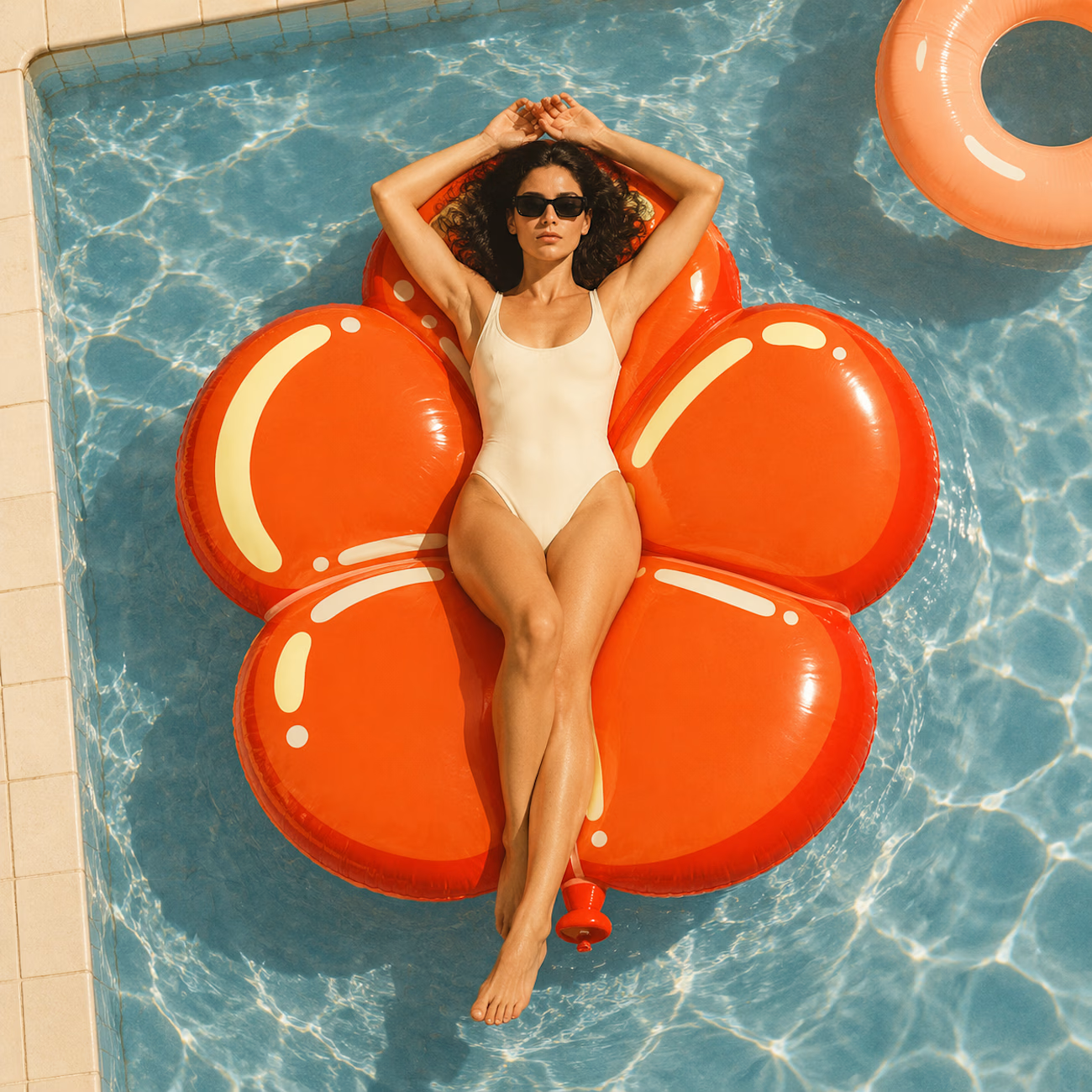

I'd open the box for sure! Inflated letters with a deadpan voice is such a fun mix.


A Recent Framer-Based Brand Experience for a Real Estate Company


Super clean brand system! 🤌 Love the mint on dark contrast and how the mark works across touchpoints - that ID card mockup is chef's kiss. Great Framer execution for real estate!


