The network for creativity
Join 1.25M professional creatives like you
Connect with clients, get discovered, and run your business 100% commission-free
Creatives on Contra have earned over $150M and we are just getting started
Back to feedPost

I love this project because it shows what really happens in professional copywriting: the same product, three completely different stories. This is a standing desk converter, and I wrote three variations for paid social ads targeting different buyers.
The first one speaks to anyone who's felt back pain at their desk — it leads with the problem and shows the solution. The second variation is for the specs-obsessed buyer who needs to know exactly what they're getting: weight capacity, dimensions, shipping time, everything. The third takes a lifestyle angle — it's for the person who loves their current desk but just needs an upgrade.
What makes this meaningful is that none of these are generic. Each one uses different psychological triggers, different word choices, different rhythms. Variation A is empathetic. Variation B is reassuring with authority. Variation C is warm and relatable.
This is what clients actually need: not one ad copy, but the ability to write the same product three ways so they can test which message resonates with which audience segment. A/B testing is everything in paid ads, and copywriting that can shift angles like this is what moves revenue.
The network for creativity
Join 1.25M professional creatives like you
Connect with clients, get discovered, and run your business 100% commission-free
Creatives on Contra have earned over $150M and we are just getting started





Related posts


Collage

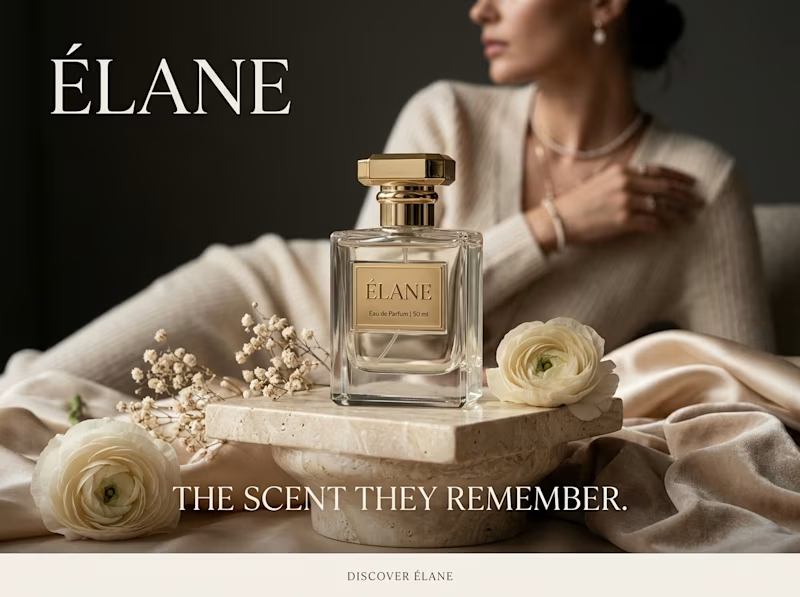
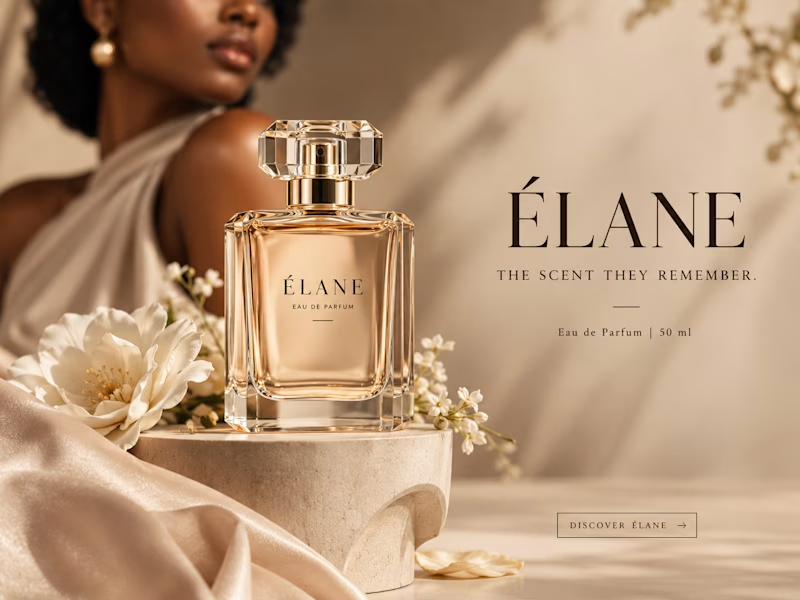
Same prompt. Same concept. Two AI tools. 👀
I gave ChatGPT and Gemini the exact same prompt to create a luxury perfume ad creative.
No changes. No extra instructions.
Now I want to know what YOU think:
Which creative did it better?
🔵 A— Gemini
🟣 B— ChatGPT
Look at the overall concept, visual quality, composition, typography, and how “ad-ready” it feels.
Who wins this round? 👀
Vote below and tell me what made you choose your answer.
#AIContent #AIAdvertising #AdCreative #CreativeStrategy #ChatGPT #Gemini #SocialMediaManager #SocialMediaStrategy #SocialMediaMarketing #MarketingStrategy #DigitalMarketing #ContentCreation

11 voted
39%
17 voted
61%
28 votes
Closed

I will go with Chatgpt on this.
It looks more luxurious and eye catching 🔥

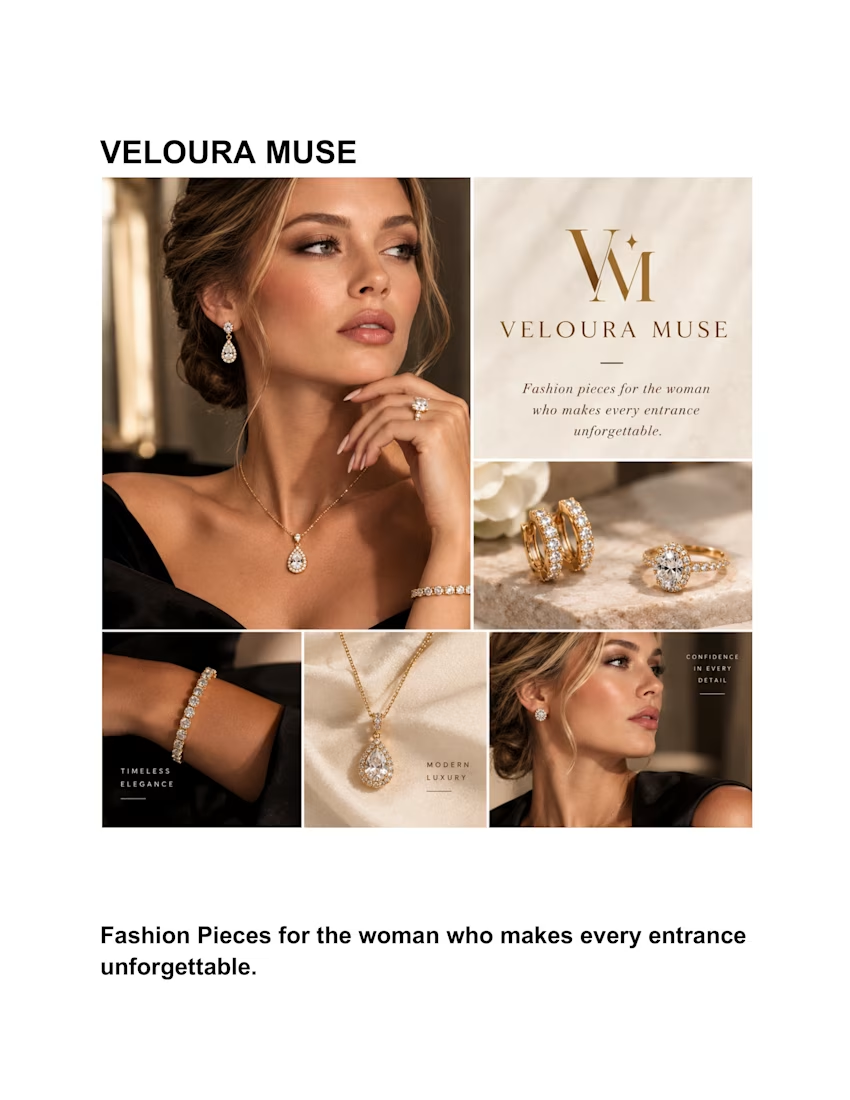
Veloura Muse is a jewelry/fashion-accessories brand concept I created around the idea of confidence, elegance, and unforgettable presence.



Timeless aesthetic, stunning work! 🔥