The network for creativity
Join 1.25M professional creatives like you
Connect with clients, get discovered, and run your business 100% commission-free
Creatives on Contra have earned over $150M and we are just getting started
Back to feedPost

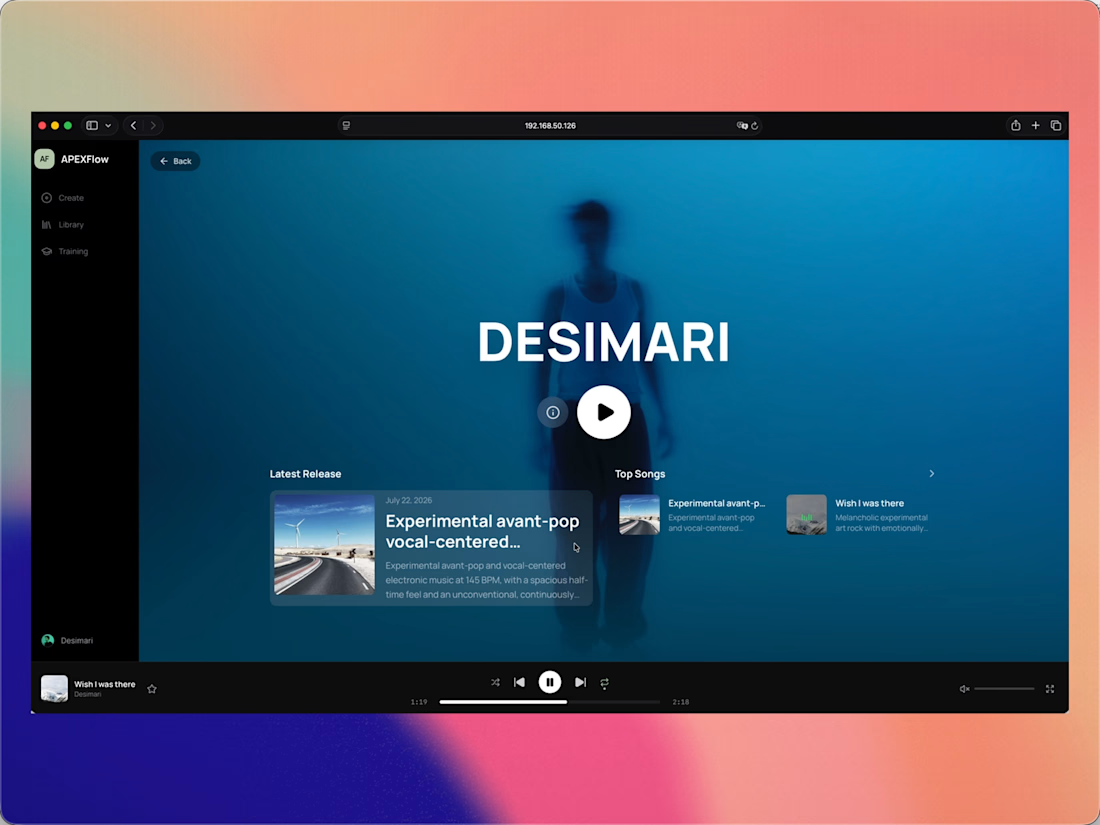
I started APEXFlow after running into a few limitations while using the original ACE-Step UI.
In its Python fallback workflow, ACE-Step 1.5 Turbo was hard-wired, which meant there was no real way to switch between models. LRC not support , and the lyric experience was fairly basic. Generation progress was shown as a simple progress bar with no indication of what the model was actually doing, and the Spotify-inspired profile page felt more like a placeholder than a finished part of the product.
I originally planned to fix those specific issues, but the project gradually grew into a broader rebuild. I added model selection, clearer generation stages and status messages, synced lyrics, a more complete artist profile, and several new features around playback and local music management.
APEXFlow is still based on the original open-source project, but it now reflects the way I actually want to generate, review, and organize music locally.
I’ve just published the full walkthrough and source code below. 🎧
The network for creativity
Join 1.25M professional creatives like you
Connect with clients, get discovered, and run your business 100% commission-free
Creatives on Contra have earned over $150M and we are just getting started






Related posts


Turning complex AI workflows into a calm, monochrome experience, brought to life with motion. We'd love to hear your thoughts!


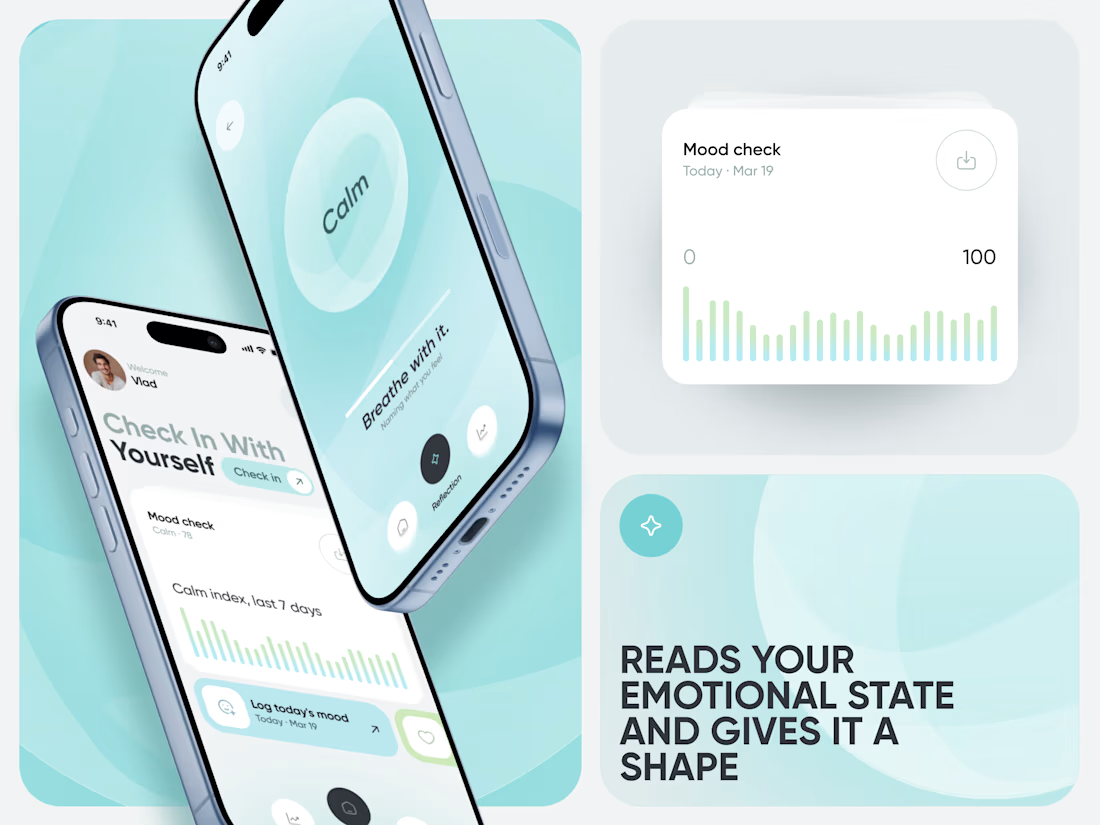
Our latest case study is live! 🌿
Meet Calm, an AI-powered wellness app designed to make mood tracking, emotional insights, and healthier daily habits feel simple and approachable.


That's great case study that's really a great job 🎉🎉🔥🔥

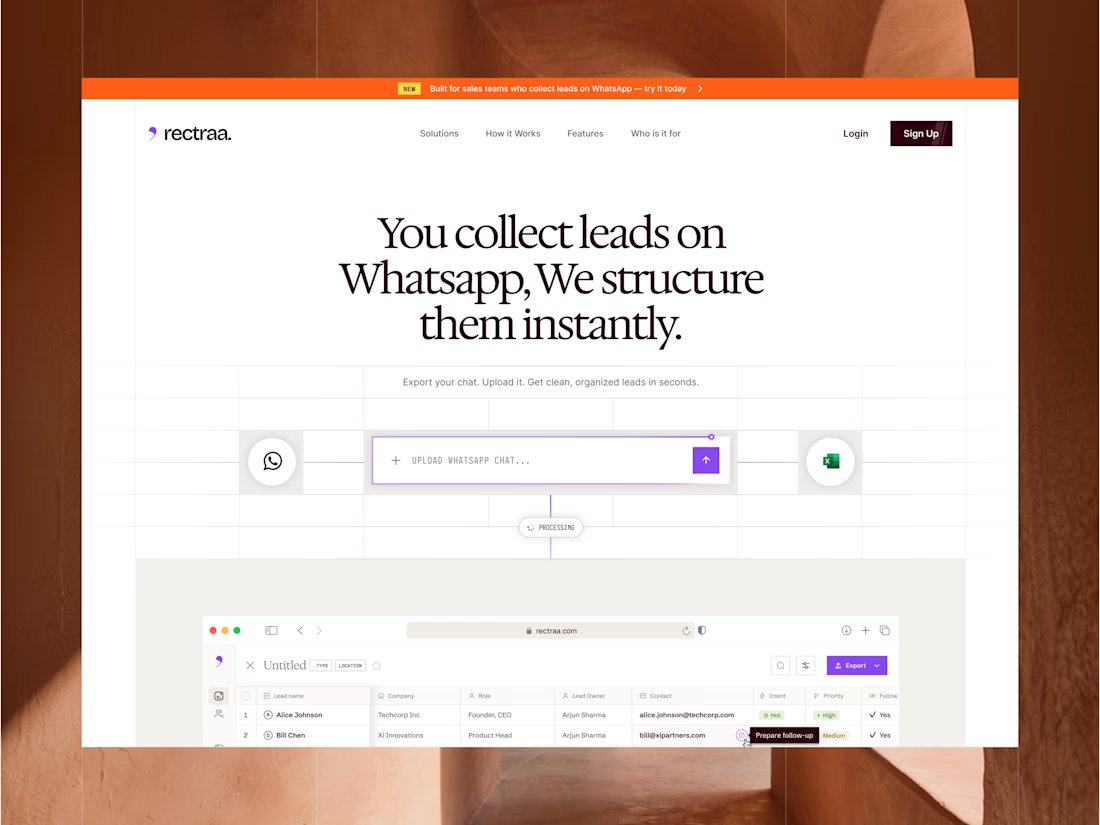
Rectraa helps sales teams extract, classify and organize leads collected through WhatsApp. I designed and developed its marketing website to explain the product clearly, demonstrate its workflow and encourage visitors to try it.
Project information:
Role: Website Designer & Framer Developer
Scope: Website strategy, UI design, responsive design and development
Tools: Figma and Framer
Deliverable: Responsive SaaS marketing website


High end design