The network for creativity
Join 1.25M professional creatives like you
Connect with clients, get discovered, and run your business 100% commission-free
Creatives on Contra have earned over $150M and we are just getting started
Back to feedPost

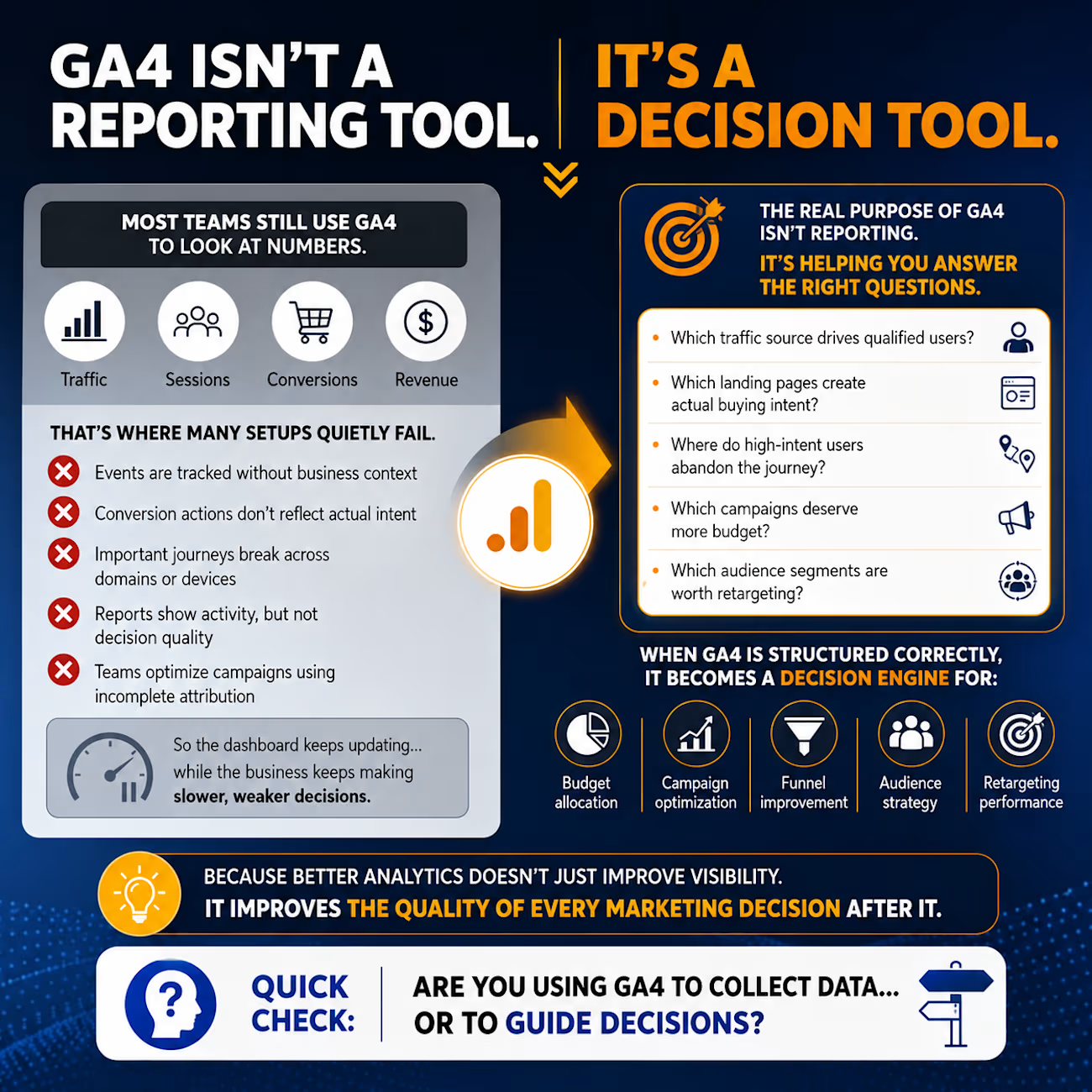
GA4 isn't a reporting tool.
It's a decision tool.
⇣
Most teams still use GA4 to look at numbers.
Traffic.
Sessions.
Conversions.
Revenue.
But GA4 becomes truly valuable when it starts influencing decisions.
That’s where many setups quietly fail.
⨭ Events are tracked without business context
⨭ Conversion actions don’t reflect actual intent
⨭ Important journeys break across domains or devices
⨭ Reports show activity, but not decision quality
⨭ Teams optimize campaigns using incomplete attribution
So the dashboard keeps updating…
while the business keeps making slower, weaker decisions.
The real purpose of GA4 isn’t reporting.
It’s helping you answer questions like:
• Which traffic source drives qualified users?
• Which landing pages create actual buying intent?
• Where do high-intent users abandon the journey?
• Which campaigns deserve more budget?
• Which audience segments are worth retargeting?
When GA4 is structured correctly,
it becomes a decision engine for:
• Budget allocation
• Campaign optimization
• Funnel improvement
• Audience strategy
• Retargeting performance
Because better analytics doesn’t just improve visibility.
It improves the quality of every marketing decision after it.
Quick check:
Are you using GA4 to collect data…
Or to guide decisions?

The network for creativity
Join 1.25M professional creatives like you
Connect with clients, get discovered, and run your business 100% commission-free
Creatives on Contra have earned over $150M and we are just getting started





Related posts

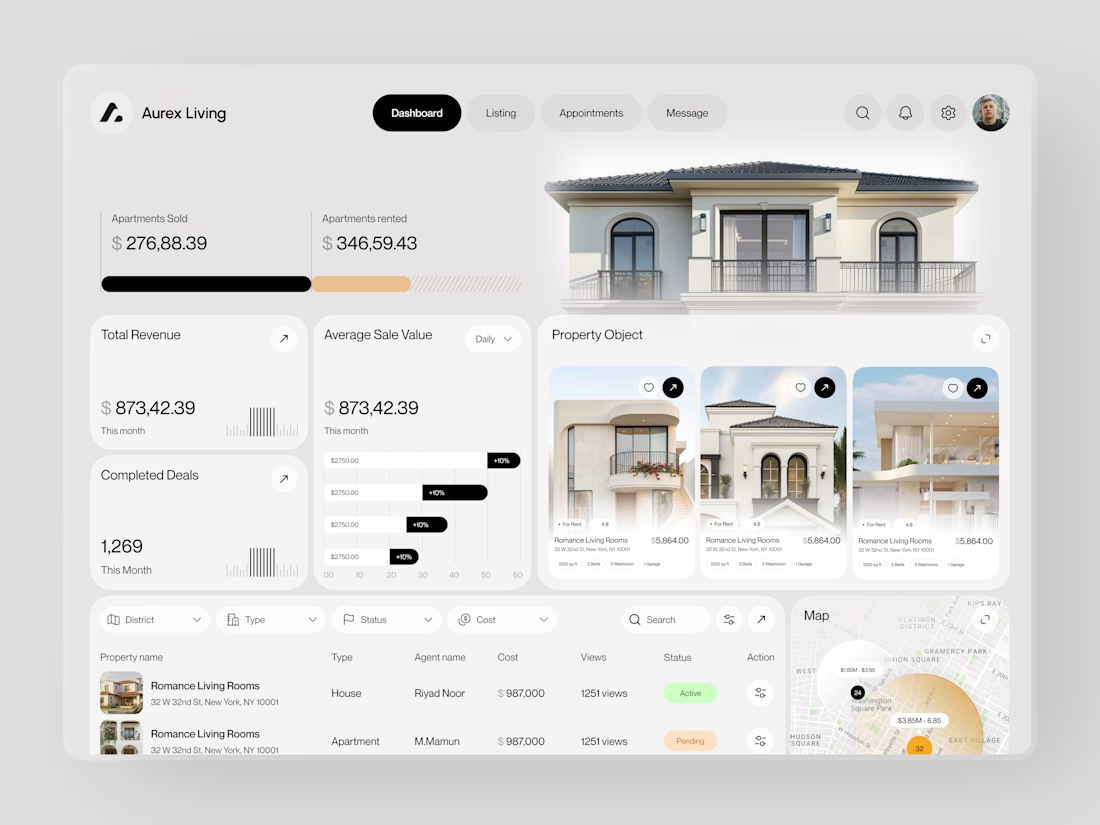
Real estate dashboards are usually built for data entry. Aurex Living was built for decision-making.
$873,42.39 total revenue. 1,269 completed deals this month. $276K sold, $346K rented. Property cards, agent tracking, map view, average sale value trending +10% - every number a real estate operator actually needs, on one clean white canvas.


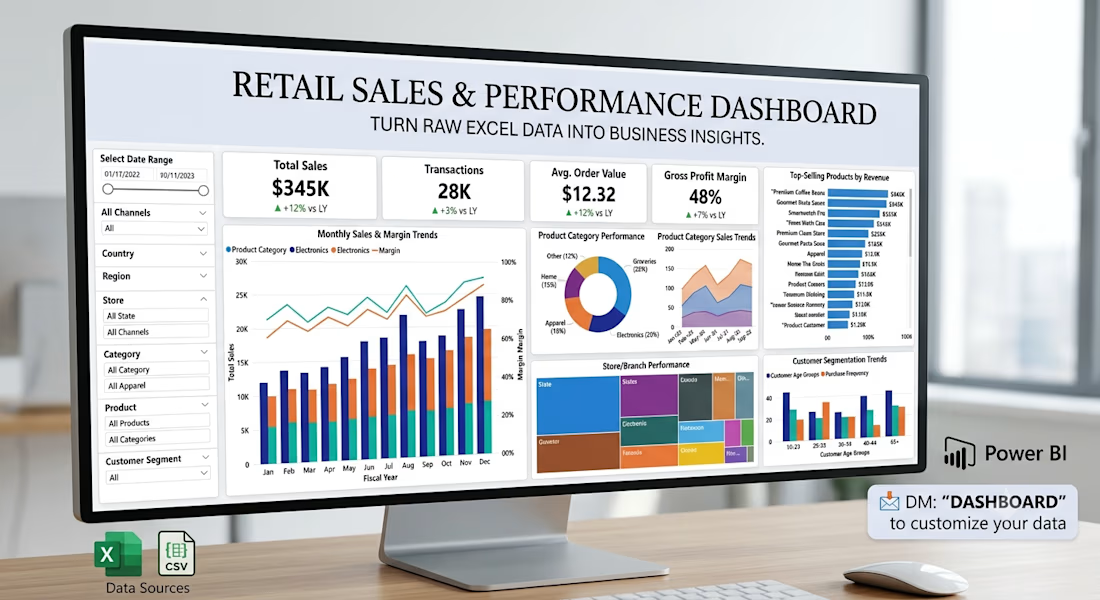
📊 Turn Your Excel Data Into a Clear Business Dashboard
Still managing your business reports in Excel and spending hours trying to understand your numbers?
I help small businesses turn their existing Excel/CSV data into simple, interactive Power BI dashboards.
With a dashboard, you can quickly track:
• 📈 Sales performance
• 🏆 Top-selling products
• 👥 Customer trends
• 🏪 Store/branch performance
• 📦 Product performance
• 🎯 KPIs and monthly targets
I recently built a retail analytics dashboard using Power BI, with data cleaning and transformation using Excel/Power Query.
I'm currently looking to work with small businesses, retailers, and growing teams that want their data to be easier to understand and use.
💬 If you already maintain your business data in Excel, feel free to message me. I'd be happy to show you what a dashboard could look like for your business.



Designed and built an AI operations dashboard that brings projects, decisions, tasks, research, connected tools, and voice interaction into one clear workspace. The goal is to turn complex workflows into a simple, usable system that helps people see what matters and act faster.




Seeing the voice interaction layer pull data from Supabase into the dashboard cuts down on manual context switching.