
Rajeshri Kute
Journalist I Writer I Canva designer I News Anchor
New to Contra
Rajeshri is building their profile!
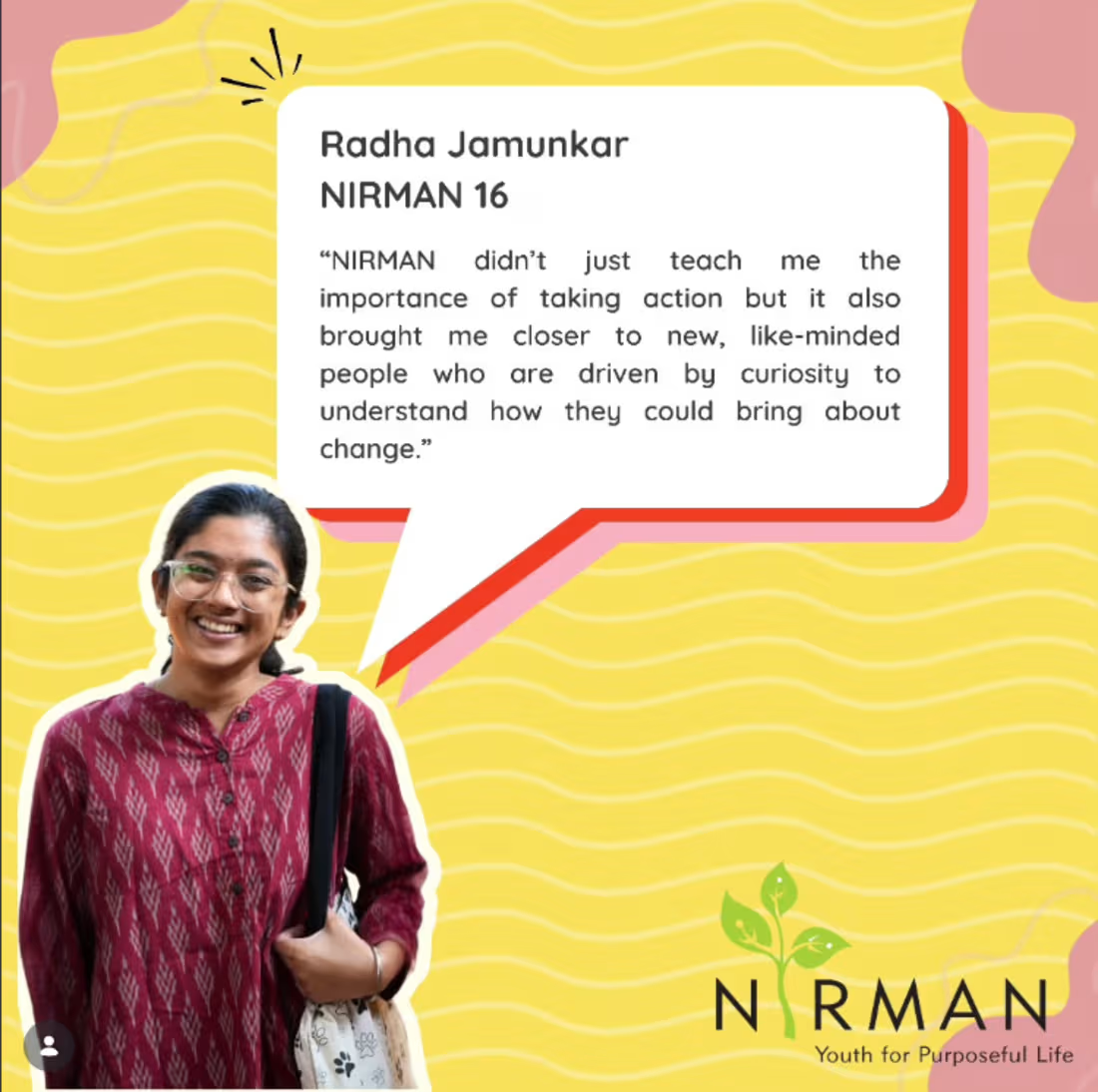
Feedback Instagram Post for an NGO.
0
20
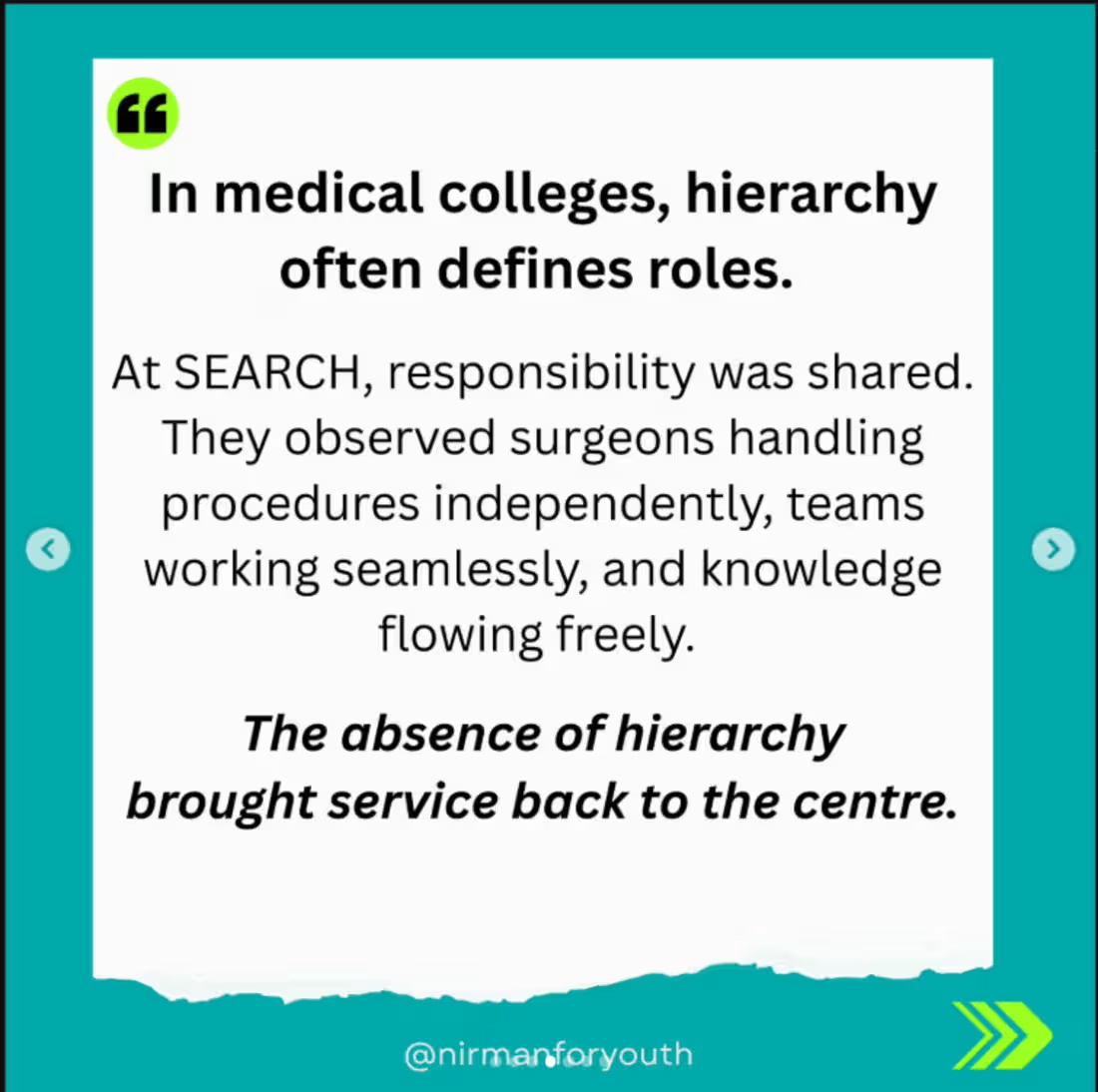
Instagram carousal post design for an NGO
0
42
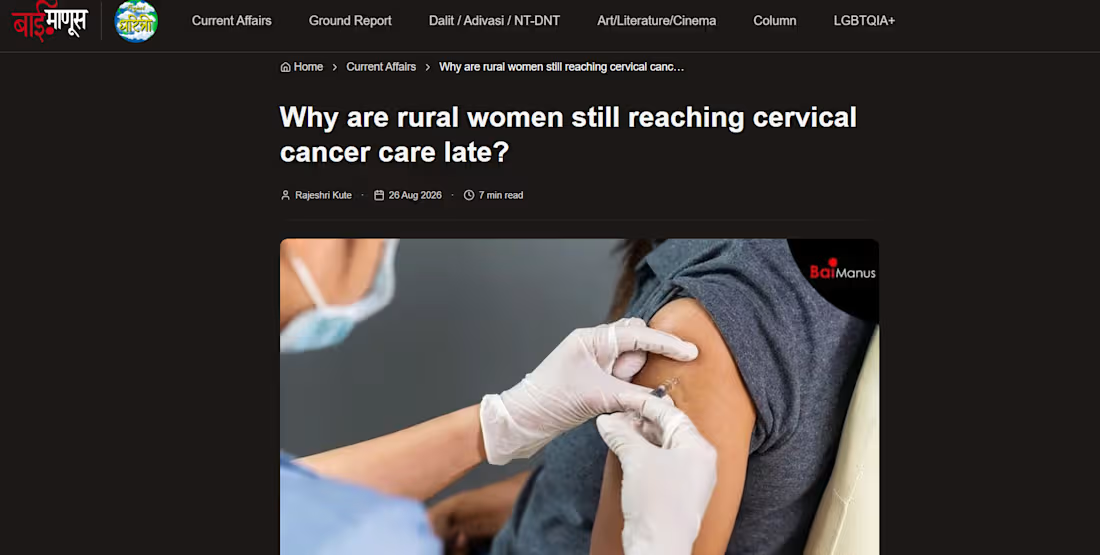
Desk Report: Why are rural women still reaching cervical cancer care late?
- Many women in India, especially in rural areas, still do not openly talk about reproductive health problems, from menstruation to abnormal bleeding. Sometimes, they do not know whether what they are experiencing is normal or something that requires medical attention.
- Even though cervical cancer is largely preventable, its condition in India needs to be studied and understood. Globally, cervical cancer remains a major public health problem. WHO estimates that around 604,000 women were diagnosed with cervical cancer and around 280,000 died from it in 2024.
- Surekha's story began with a symptom she did not understand. “I suddenly started bleeding and did not know from where and how to seek help.” By the time she received her diagnosis, she had already spent months moving between hospitals, taking medicines and saline, while continuing to worry about her children and whether she would be able to work.
1
42
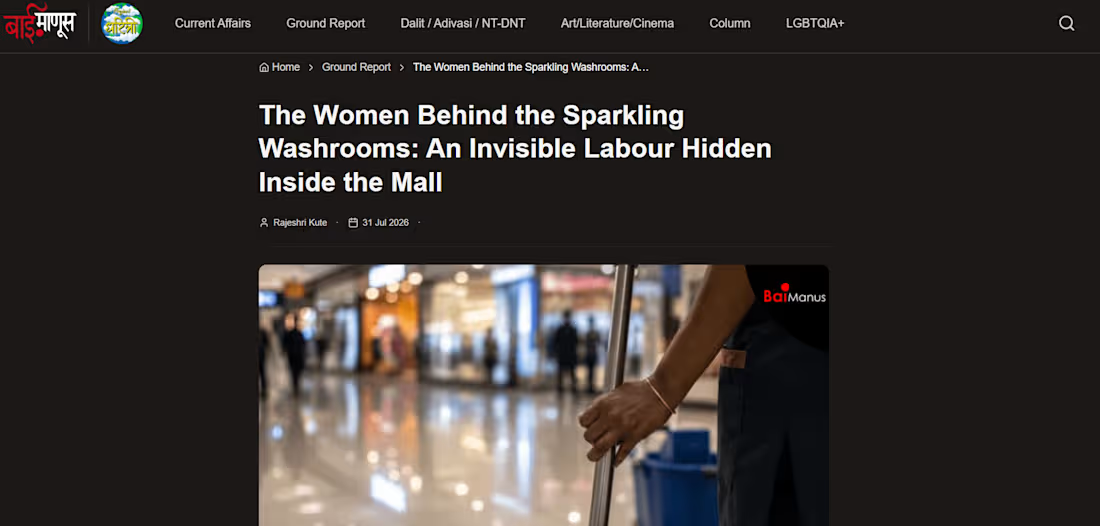
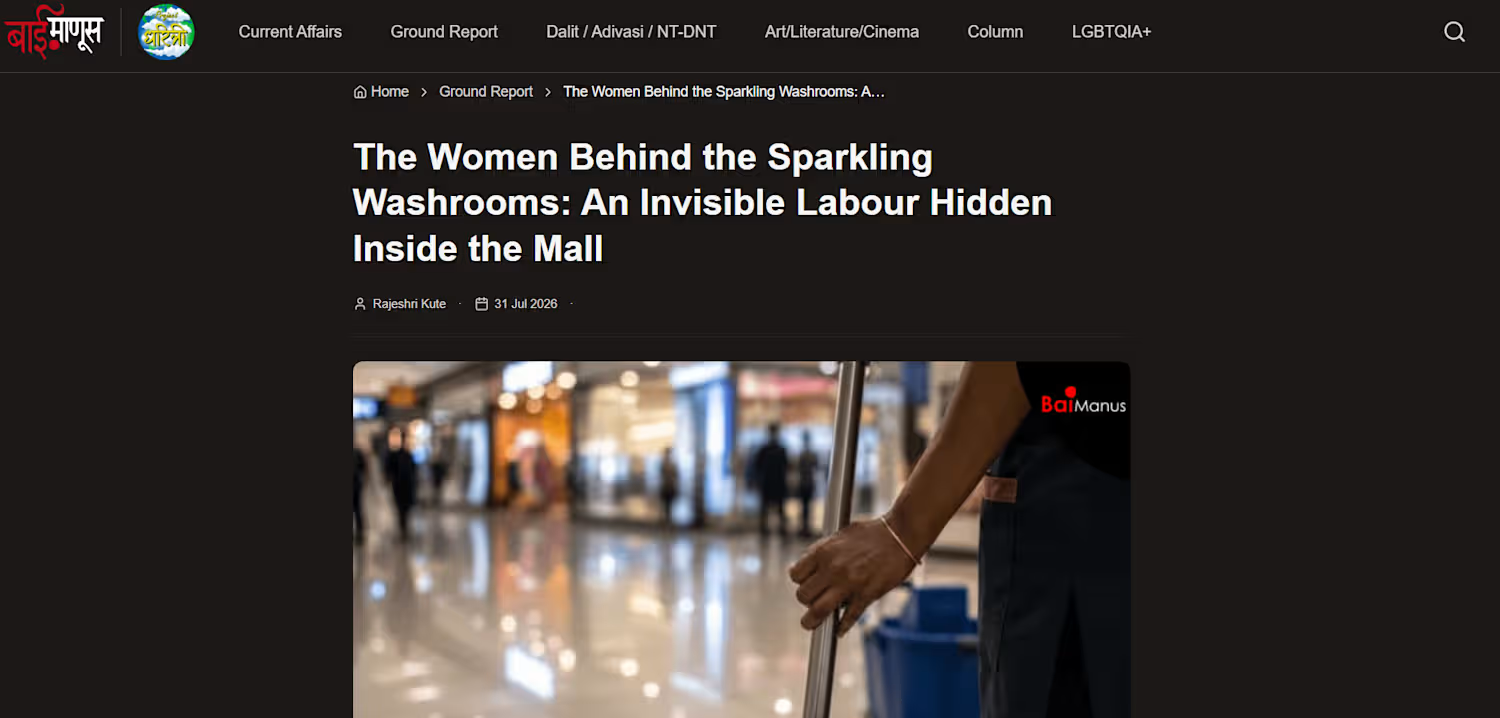
Ground Report: Life of a female toilet cleaner at a mall through Ankita's story
- Behind the spotless washrooms of a bustling mall are women cleaners who spend eight to nine hours every day cleaning toilets, lifting heavy buckets, handling sanitary waste and maintaining hygiene, yet remain largely invisible to visitors.
- Through the story of Ankita Tai (name changed), this ground report explores the physical strain, low wages, long working hours, lack of seating, and the double burden of paid work and household responsibilities carried by many women cleaners.
- As families enjoy their weekends at the mall, these women face their busiest days of the week. Their stories reveal the unseen labour that keeps public spaces clean while raising important questions about dignity, working conditions and the value of essential work.
0
59