
Qadeer Ahmed
QA engineer who finds the bugs your users would find first
- 1
- Followers

Autonomous QA Agent That Finds and Proves Real Bugs
0
2
I designed, deployed and maintain two self-hosted AI-agent automations on my own VPS (n8n + PM2 + nginx + SSL), both built on the same reusable pattern: source targeted contacts, personalize outreach with AI, send it, and never contact the same person twice.
Automation 1 — Cold outreach for a SaaS product:
Pulls fresh leads from the Apollo.io (http://Apollo.io) API (filtered by role, company size, industry), with pagination so it never re-fetches the same pool
Reveals verified emails via Apollo's bulk enrichment API, batched to respect rate limits
Generates a personalized email per lead with the OpenAI API, referencing each company's actual context
Sends from a dedicated subdomain (SPF/DKIM/DMARC configured) to protect the main domain's reputation
Automation 2 — Targeted outreach with a document attachment:
Same sourcing/personalization pattern, extended to attach a file per recipient (resume/proposal) and send via Gmail/SMTP
Runs on a fixed weekly schedule without manual intervention
Shared infrastructure across both:
Persistent, file-based deduplication so no contact is ever emailed twice, even across scheduled runs
Rate-limited, chunked API calls to stay within provider limits
Full VPS deployment and DNS/SPF/DKIM setup, done myself
Debugged real production issues along the way: rate limits, JSON-templating edge cases in n8n, and an index-alignment bug between async AI output and source data — the kind of reliability problems that actually show up once an "AI agent" runs unattended.
0
26
Autonomous QA exploration with BugSnap AI: it explores a staging app on its own, re-confirms every candidate bug before reporting, and ships evidence, not guesses.
0
33
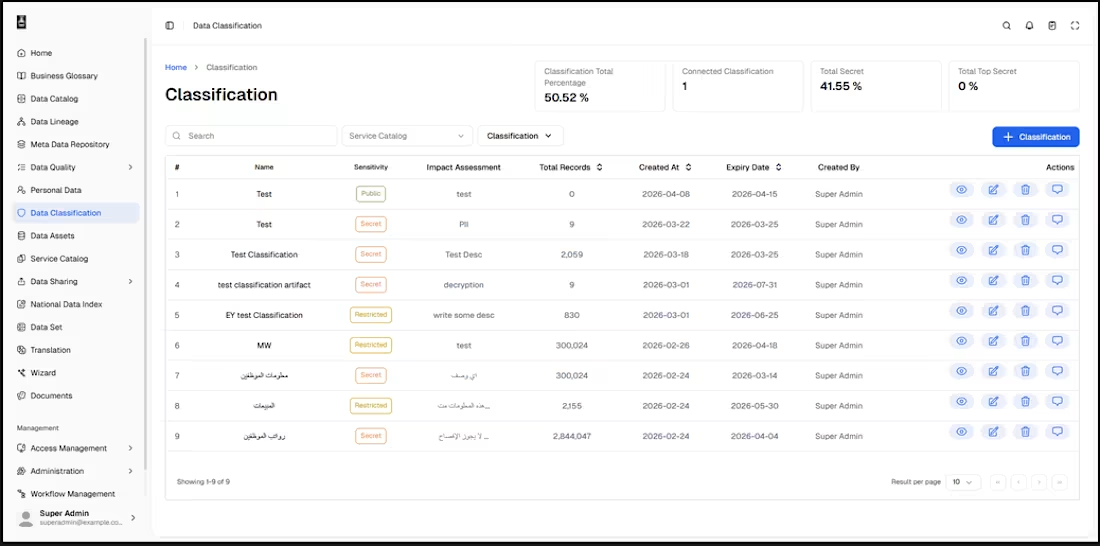
Worked as a Sr QA Engineer/Lead on a complex Data Governance platform handling modules like Data Catalog, Data Classification, Access Management, and National Data Index. Performed end-to-end testing of workflows, role-based access, and data validation across multiple modules. Identified critical bugs, ensured system stability, and improved overall product quality through structured testing and detailed reporting.
0
37