Built with Framer
How I designed my own Brand & Website

Sara Gonz • The Yoga Designer


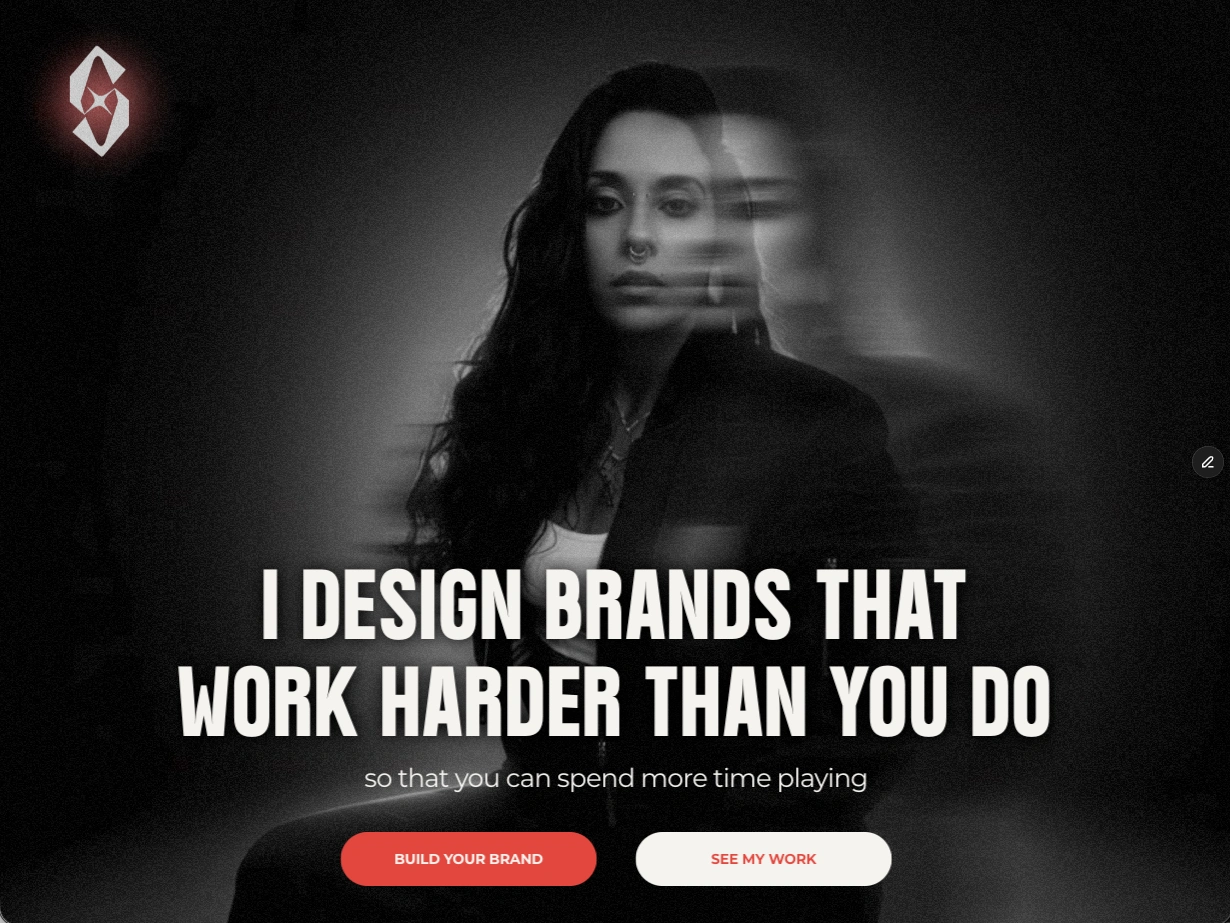
Designing My Own Brand and Website
I designed my own brand and website to solve a paradox: I was a brand and web designer without a brand or website of my own. This project became both a strategic positioning exercise and a personal design laboratory where identity, psychology, and conversion-focused design intersect.
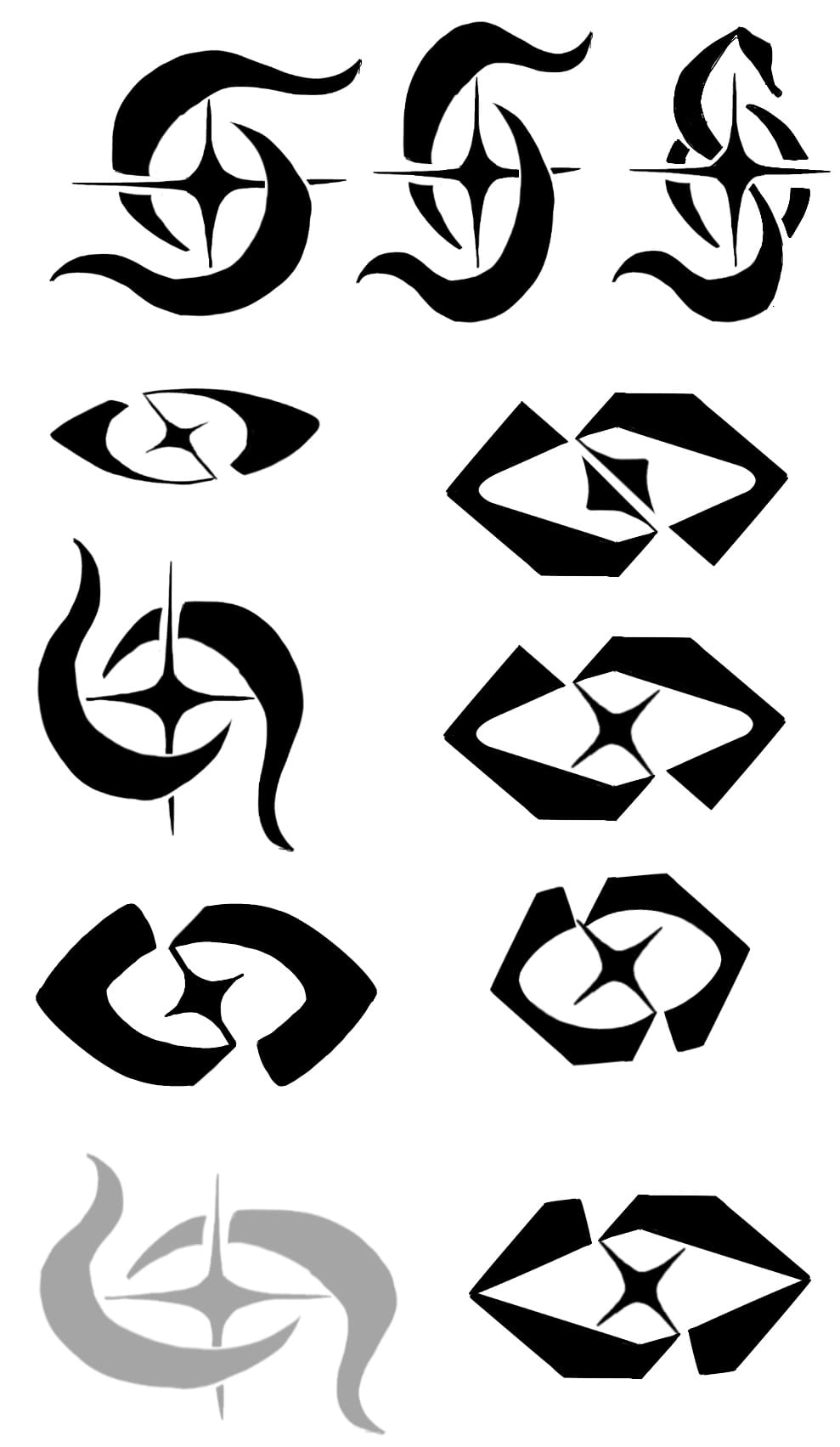
Page 1 | Sketches I drew while developing my own brand identity
The Problem
Visual identity in the design industry often imitates trends instead of reflecting the underlying psychology and context of a brand. The result is a sea of lookalike portfolios: visually polished but strategically hollow.
I was already getting clients, but my positioning lacked coherence. Without a clear brand system, I couldn’t fully communicate the depth of my thinking or attract the kind of premium, aligned clients I wanted to work with.
The Designer Paradox: A brand designer without a brand is still a designer. But not a positioned one.
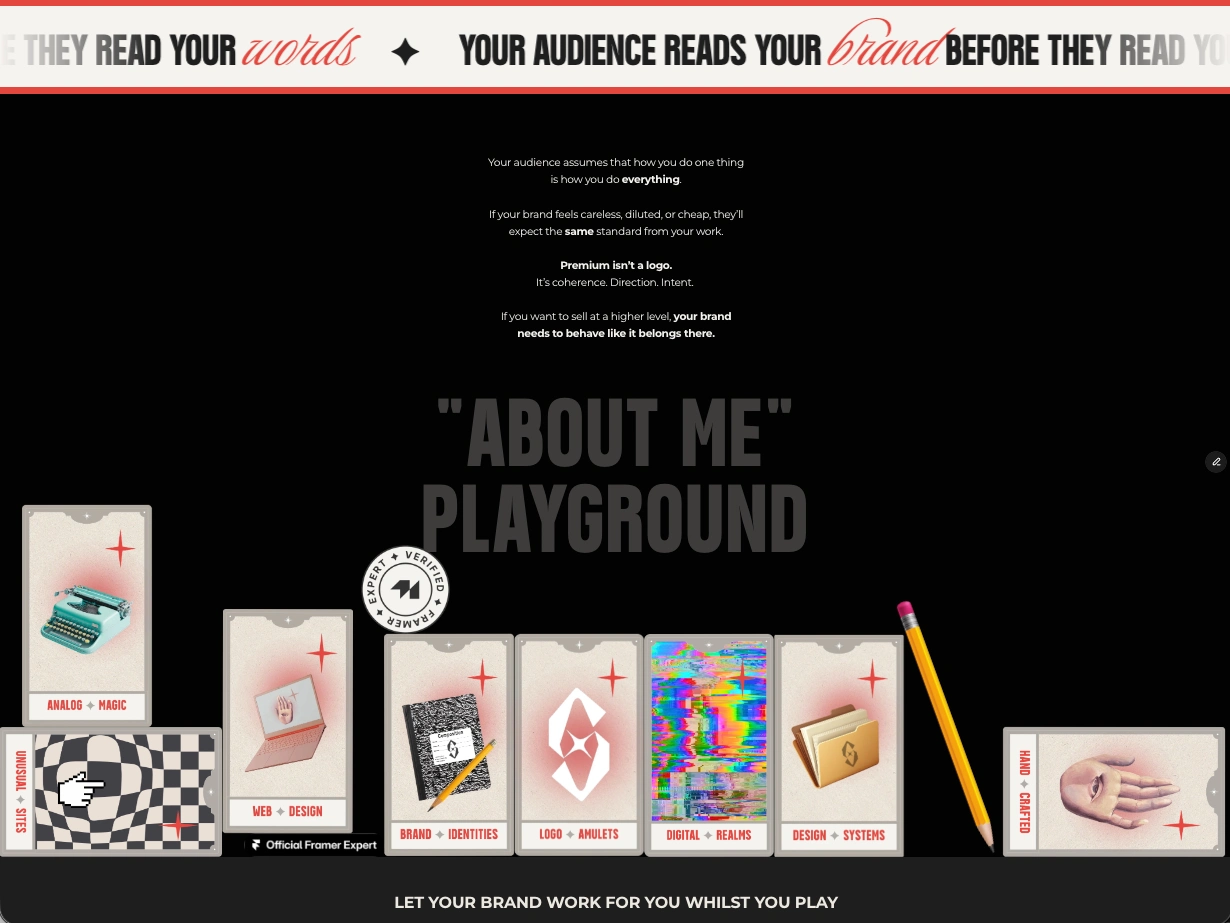
The Objective
The goal was to position myself as a premium strategic brand and web designer, and to filter out misaligned clients who don’t understand the impact of professional design.
The website needed to function as:
A portfolio that proves strategic depth
A conversion engine for discovery calls and enquiries
A positioning tool that signals authority, difference, and expertise
The Insight
Visual identity fails when it imitates trends instead of reflecting the underlying psychology and context of a brand.
Great design doesn’t add decoration, it clarifies perception. My brand needed to demonstrate that philosophy in its structure, visuals, and messaging.
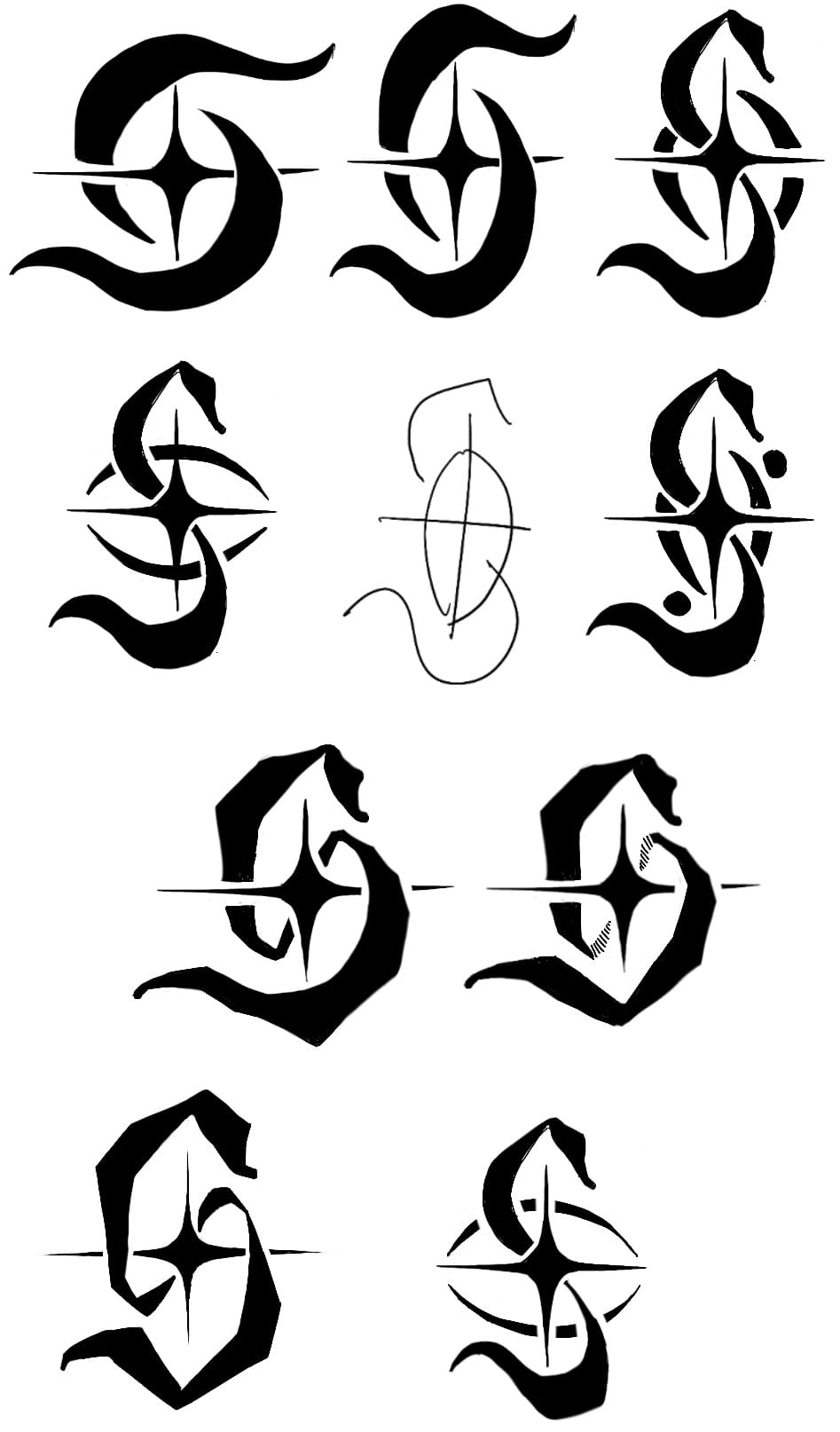
Page 2 | Sketches I drew while developing my own brand identity
The Position
I design brands and websites for people who sell premium services so that they can get paid what they’re worth.
The audience: artists, wellness founders, and content creators who are excellent at what they do but appear cheap or unclear because their brand doesn’t reflect their true value.
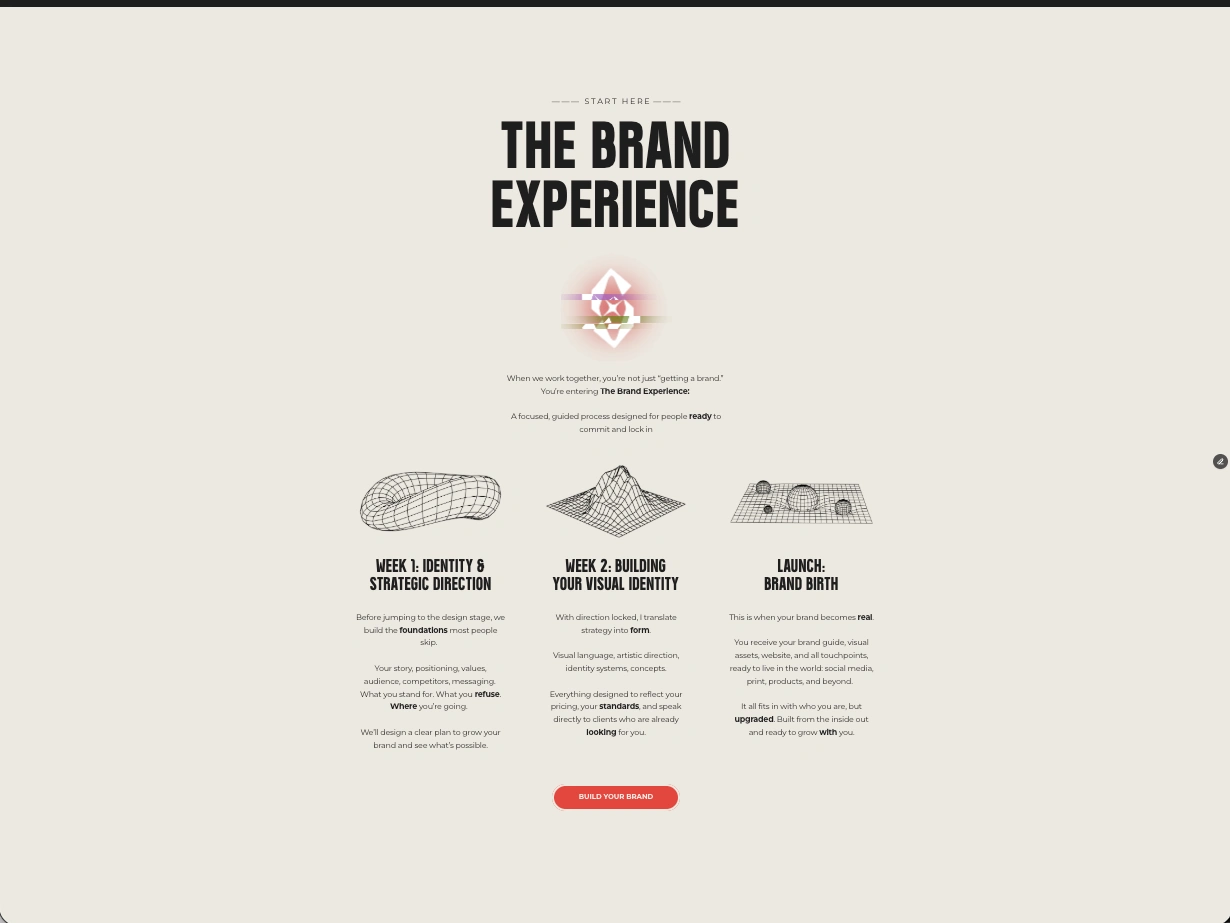
Visual Direction: Analog Meets Digital
The visual system is built on contrast between analog textures and clean digital structures, creating tension between raw human expression and precise digital systems.
The identity uses:
Tangible, imperfect textures in digital layouts
Playful, out-of-the-box compositions
Unexpected design journeys that challenge rigid design conventions
A system that speaks directly to the audience without sacrificing my own identity
This approach rejects trend templates and treats identity as a living psychological system rather than a static aesthetic.
Identity as Interface. A brand is the UI between a person and perception
Website Strategy and Architecture
The website hierarchy prioritizes proof and action:
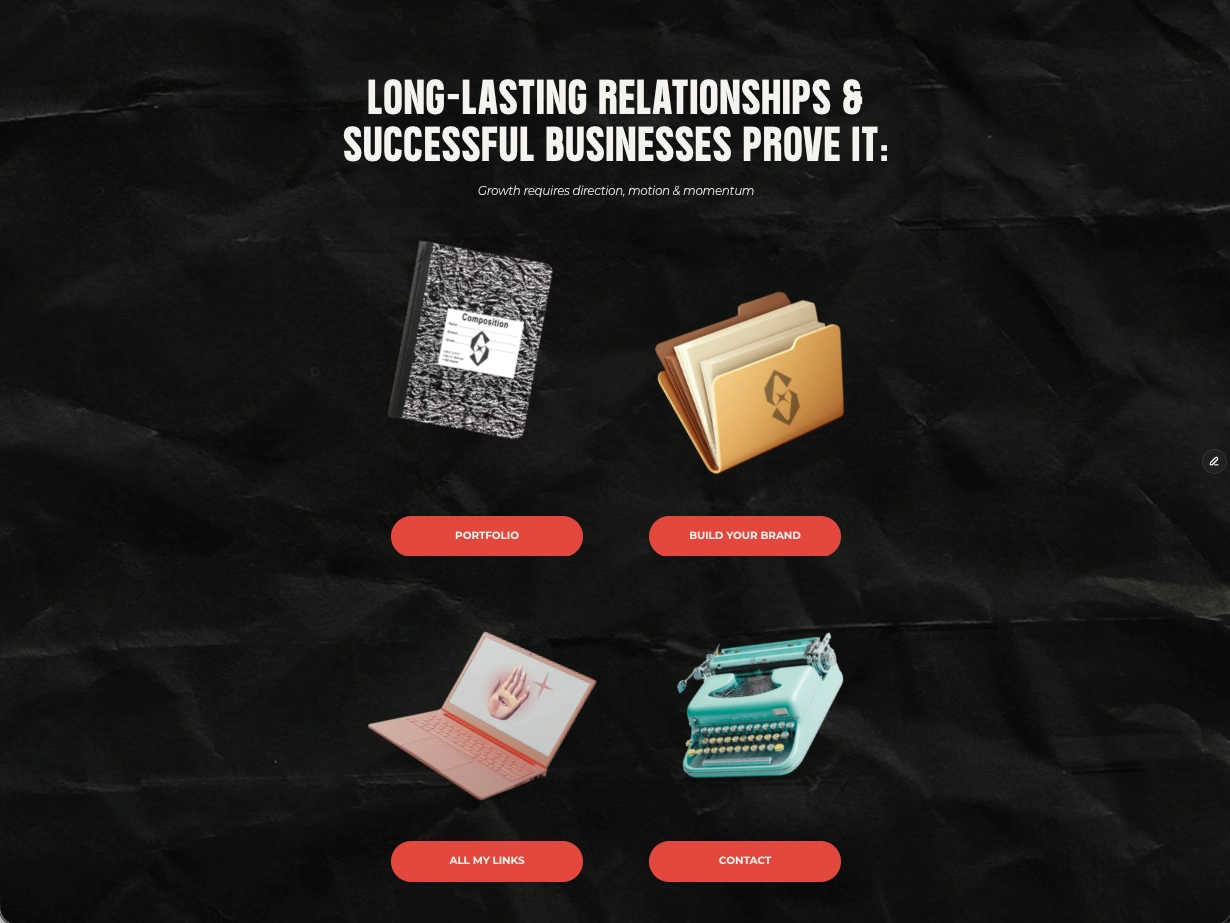
Portfolio (credibility)
Enquiry / booking (conversion)
About Playground (interaction, exploration and personality)
The primary CTA drives visitors to view my work and submit an enquiry, aligning with the goal of attracting high-ticket clients.
Why Framer
I chose Framer because it merges visual design with production-level web architecture. It outputs fast static pages for performance and SEO, uses a component-based system for scalable design, and deploys via a global CDN for low latency. It’s designer-first without compromising technical quality, aligning with my goal to treat design and engineering as one integrated system rather than separate disciplines.
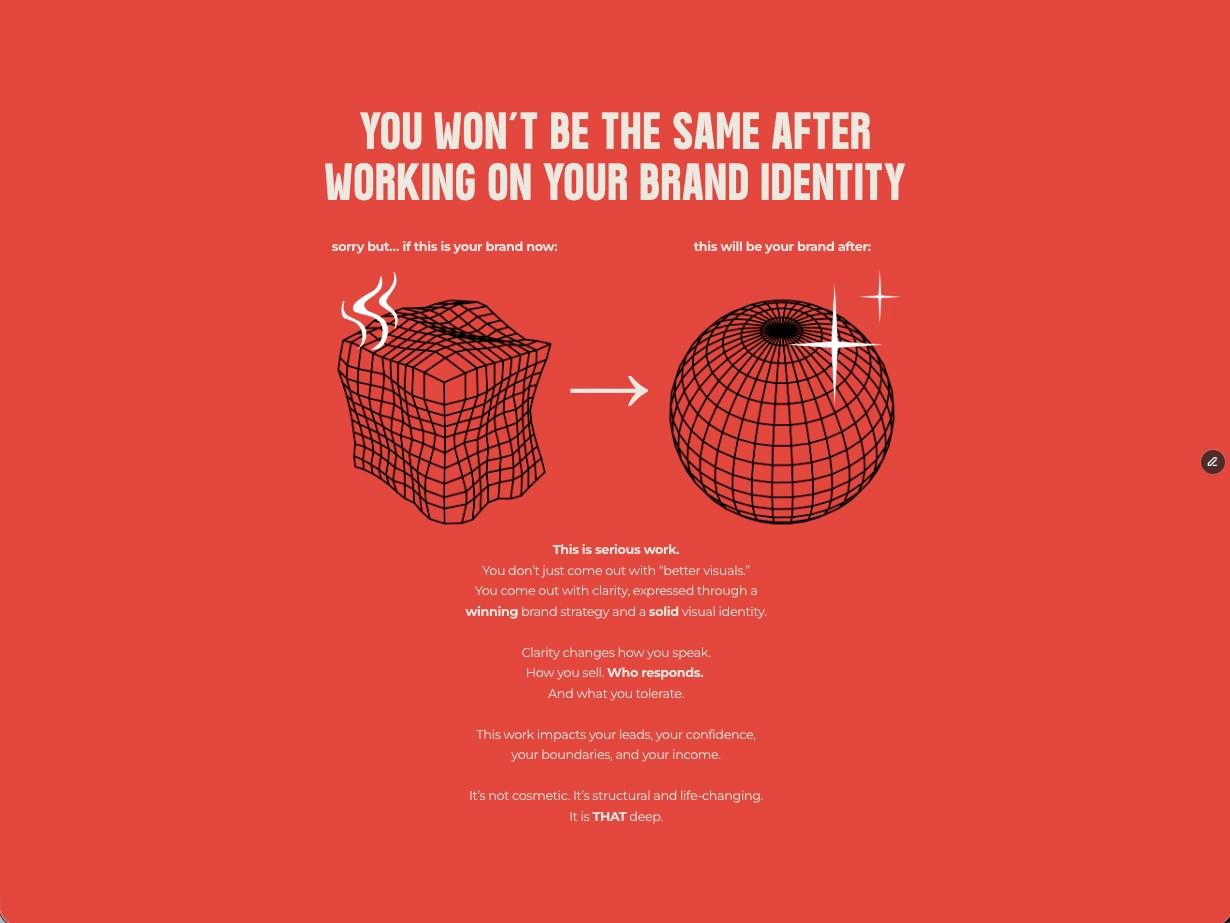
Messaging Strategy
The copy focuses on amplifying a brand’s existing identity rather than imposing a template style. It is direct, educational, and strategic, positioning design as a tool for clarity, authority, and commercial impact.
Personal Reflection
Designing my own brand forced me to confront uncertainty about my identity and visual voice. I explored radically different styles and became my most demanding client. This process fundamentally changed how I approach client work, confidence, and pricing by removing the friction that overthinking generates.
What This Project Demonstrates
Strategic self-positioning as a premium brand and web designer
Identity design rooted in psychology and context, not trends
Conversion-focused website architecture
A scalable visual system built on contrast and tension
A philosophical approach to design as meaning, context, and perception
The System Thinks for You. A good identity removes decisions, not adds them.
The Takeaway
Design is identity made visible. Information, context, and emotion translated into visual decisions that shape perception and behaviour.
This project wasn’t just about building a brand.
It was about designing a system that thinks.
What I learned
Self-branding exposes blind spots faster than client work
Designing my own brand revealed gaps in my positioning that client projects never exposed. Without an external brief, I had to confront assumptions about my identity, audience, and value proposition.
Visual identity is cognitive architecture, not decoration
I realised that design decisions are decisions about how people think, not just how things look. Typography, hierarchy, and layout structure perception before content is read.
Consistency is a psychological signal, not just a visual one
A coherent system signals competence, reliability, and premium value before any pricing conversation. Fragmented aesthetics signal fragmentation of thinking.
Constraints create identity
Exploring radically different styles clarified what wasn’t me. Identity emerged not from mood boards, but from eliminating directions that felt inauthentic.
Conversion is an information problem
People don’t book designers because they don’t understand the process, the outcome, or the risk. The website structure became an educational tool as much as a sales tool.
The designer is the brand’s first user
Becoming my most demanding client improved how I scope, price, and justify decisions. If the system works for me, it scales to clients.
This project reframed how I think about branding. Identity is not a style choice, but a cognitive system. Designing my own brand wasn’t only about aesthetics; it was about building a structure that communicates value before I speak.
You can visit my website and see this project live here: https://bysaralight.com/
Like this project
Posted Feb 8, 2026
I designed my own brand and website to solve a paradox: I was a brand and web designer without a brand or website of my own.
Likes
0
Views
25
Timeline
Jan 5, 2026 - Jan 15, 2026