Built with Framer
Founding Design at Bee Electric

Anton Radionov


The first Bee Electric project was a product website. Once it was finished, the team needed help preparing a crowdfunding campaign and deciding what should happen next. I got an opportunity to take the role of a founding designer and find out how far we could push the project.
My responsibility was to help Bee Electric reach a crowdfunding launch. That opened a much wider set of questions than I expected.
The role was wider than design
Before making anything, I had to think about who the product was for, where it belonged and why people should care.
Those questions shaped the brand, photography, video, content, partnerships and the next version of the website. A large part of the work was research, outreach and building relationships. The visual outputs came from that thinking.
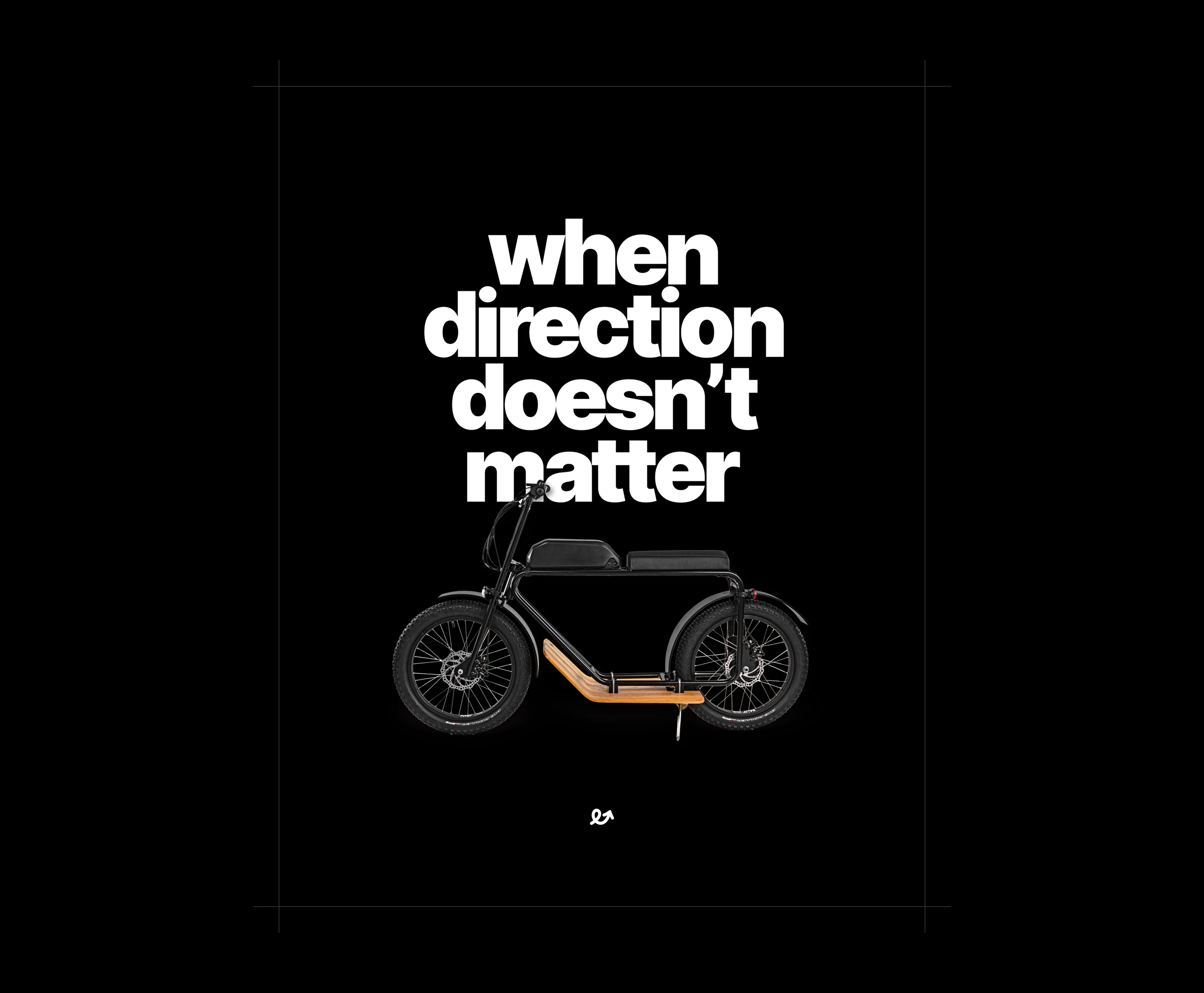
Bee Electric Poster
Fixing the logo
One of the first things I wanted to fix was the logo.
BEEELECTRIC contains a lot of repeating letters, and the existing logo made the name even harder to read. I am a bit dyslexic, and I genuinely struggled to understand how many E’s were there.
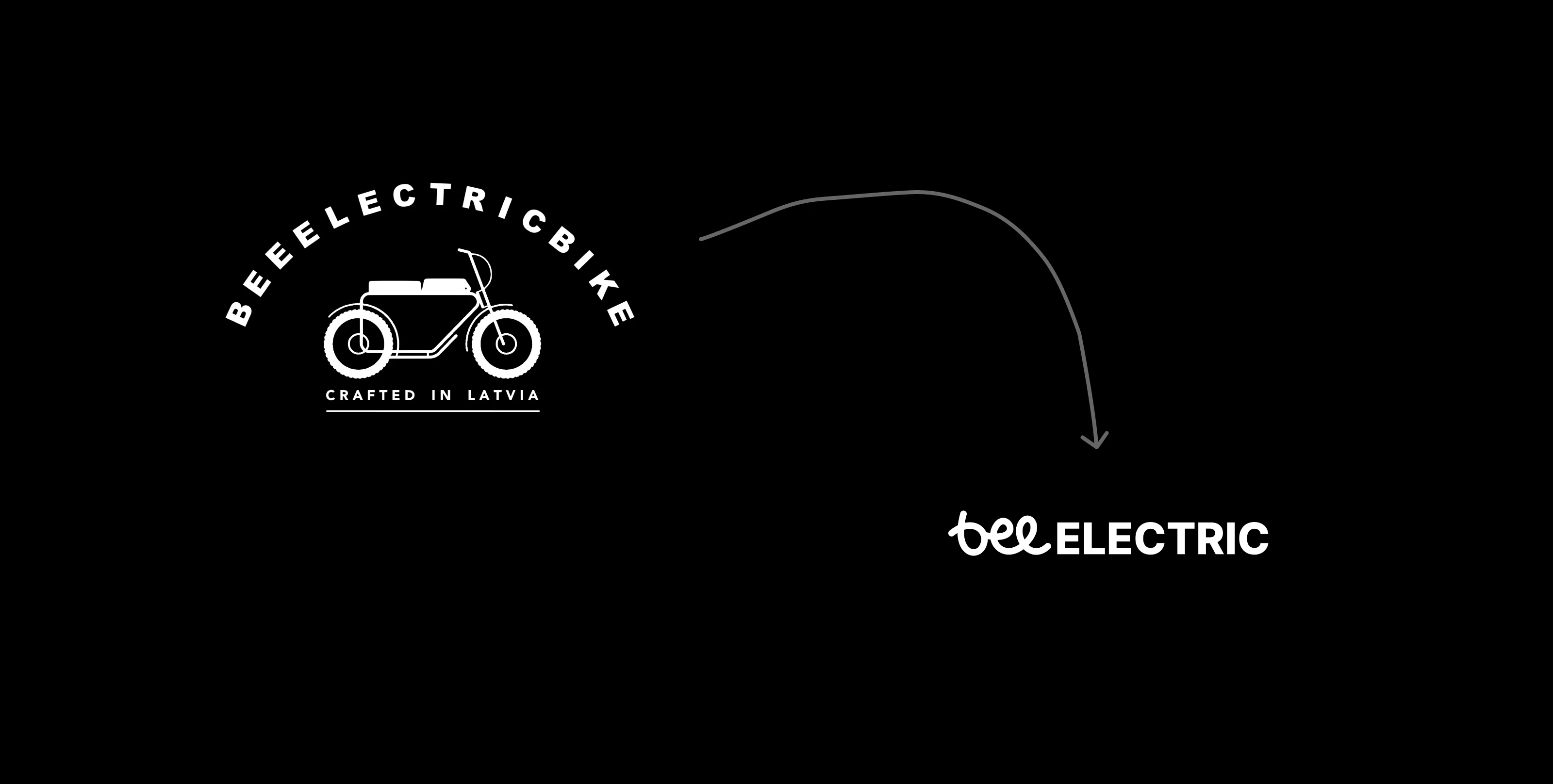
Bee Electric logo redesign
We improved the legibility of the wordmark and polished the icon.
Footer with fancy Bee icon
Finding where Bee fits
Bee sits somewhere between a bicycle and a moped, with influences from BMX and skateboarding. It is quiet, relatively light, easy to service and suitable for both city and countryside use.
I positioned it as a calm, practical vehicle for commuters, rural users, guesthouses, trails and people who wanted a predictable ride. The communication had to stay direct: show Bee on real surfaces, explain its materials, be honest about speed and range, and place different riders in believable situations.
This direction took us beyond brand design. We travelled to Ventspils to film Madars Apse and to Sigulda to film a couple riding in nature. We also explored a partnership with a Latvian tourism platform that could offer Bee on local trails and routes. It did not move forward, but it helped confirm that tourism and outdoor use were a natural fit for the product.
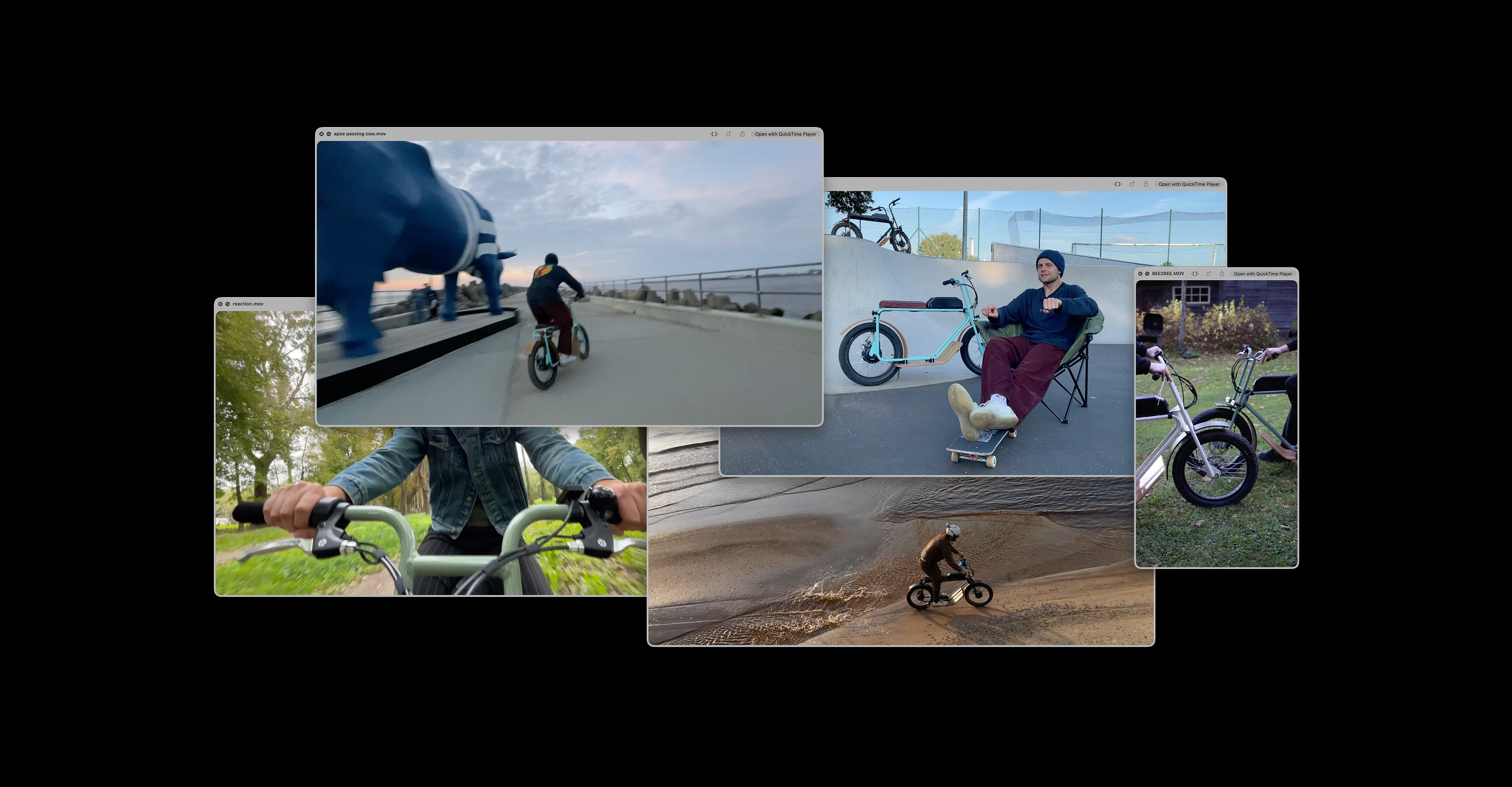
Clips from Bee Electric video archive
Preparing the campaign
Getting ready for crowdfunding meant bringing the whole story together. We built the Indiegogo pre-launch page, shaped the campaign story and rewards, wrote the founder’s letter and press release, and created the supporting visuals and content. The website changed alongside the campaign so everything pointed in the same direction.
The pre-launch page passed Indiegogo review. At the centre of the campaign was a practical goal: help Bee move from small-scale production towards a more repeatable manufacturing process.
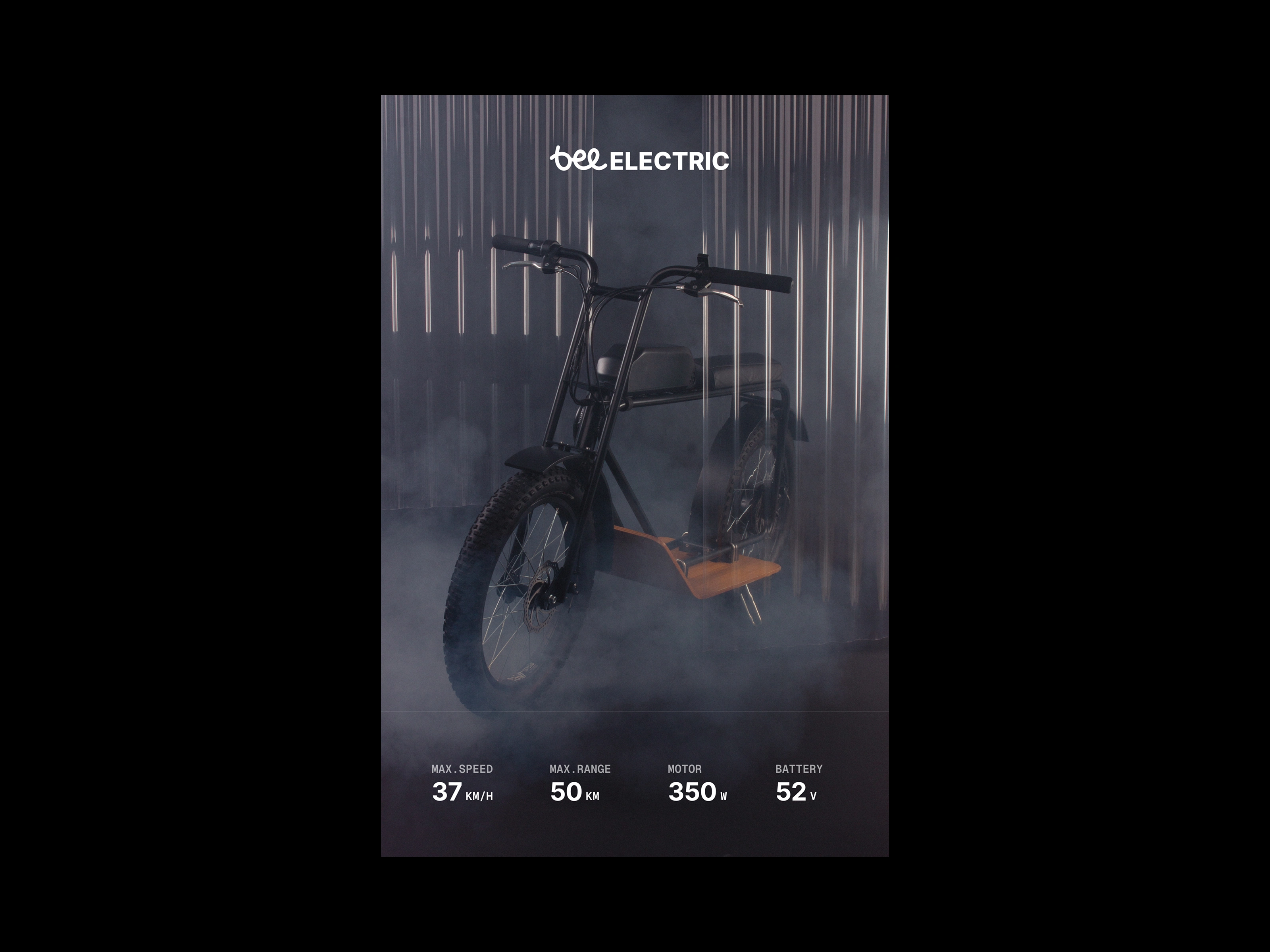
Product cover for Bee Electric crowdfunding campaign
Product photography
Crowdfunding needed a complete set of product images that could explain the vehicle and its specifications. We rented a studio and equipment and ran the shoot in-house.
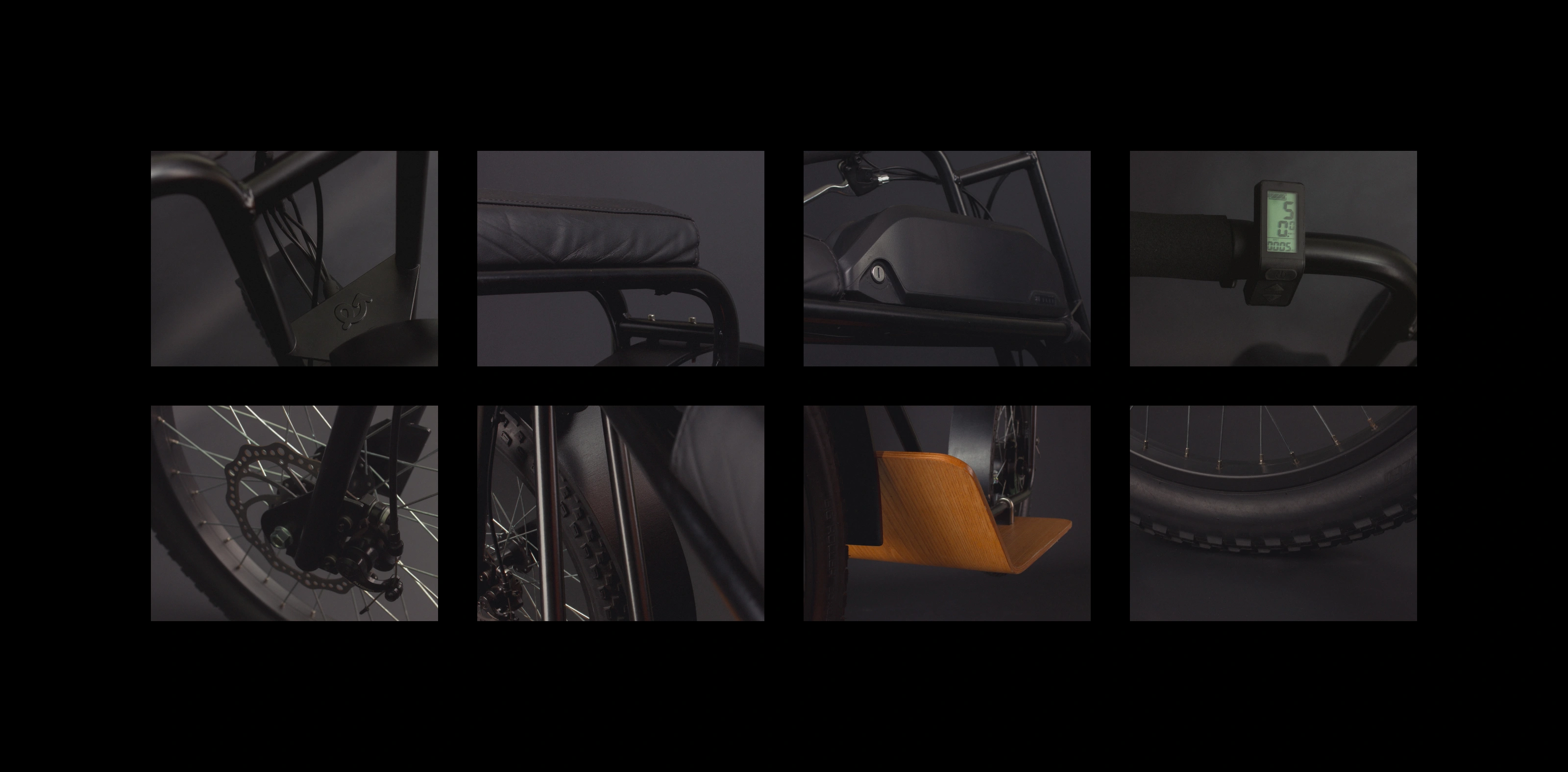
Bee Electric Product gallery
The focus was practical: clear angles, individual parts, materials and the details people would want to inspect before supporting the product.
Making the website about the story
The new website became the place where the campaign thinking came together.
The first version led with products, options and purchase. For the crowdfunding launch, that felt too early. We reduced the e-commerce feeling and gave more space to the founder, the design decisions and the reason Bee existed.
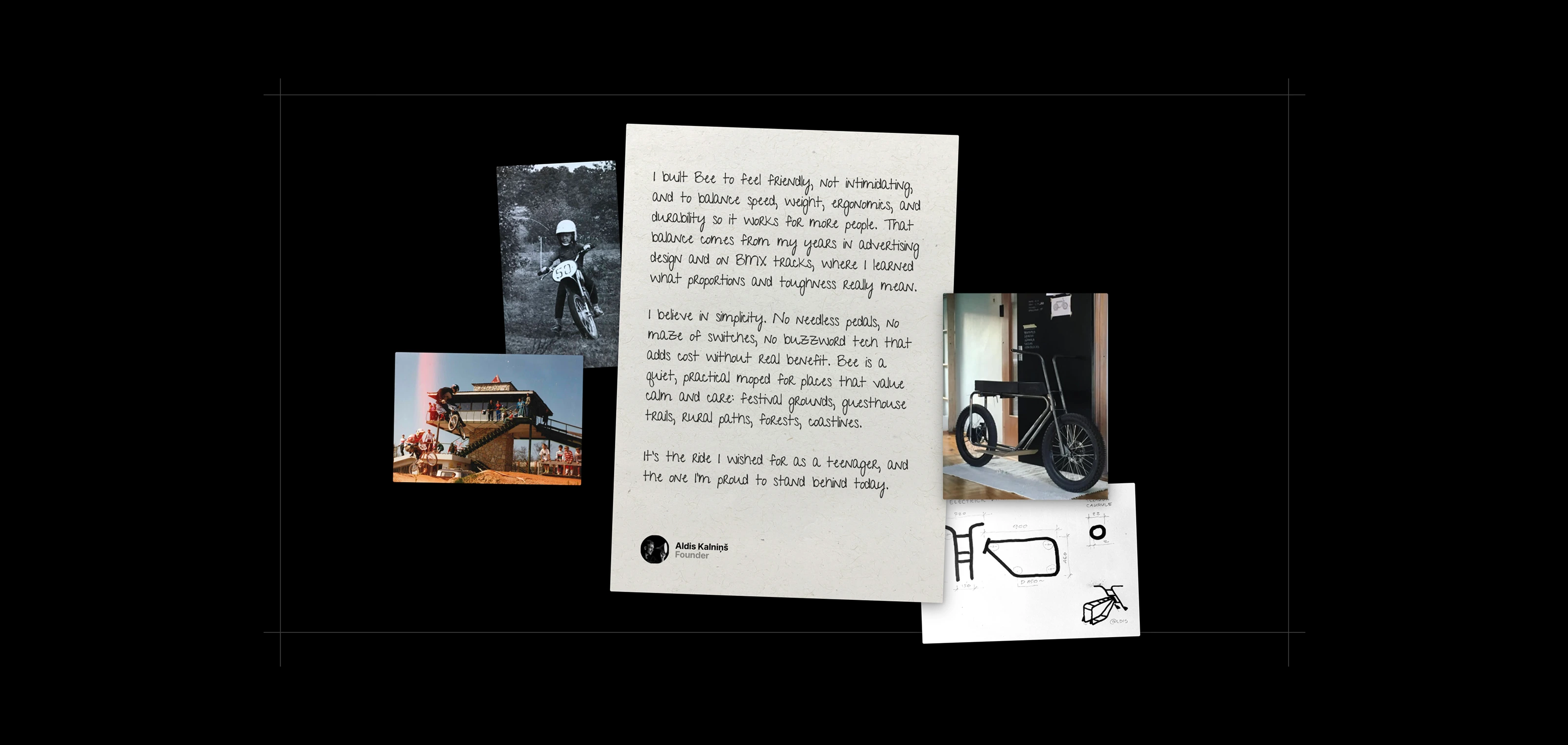
Story behind the Bee Electric, screenshot from website
Bee needed context that a static product image could not provide. Why is the battery placed where a fuel tank would normally be? Why use plywood? How does it handle different surfaces, and what is it like to own? I built a 10-week content direction around questions like these, covering real use, materials, repairability, care, manufacturing and the people around the product.
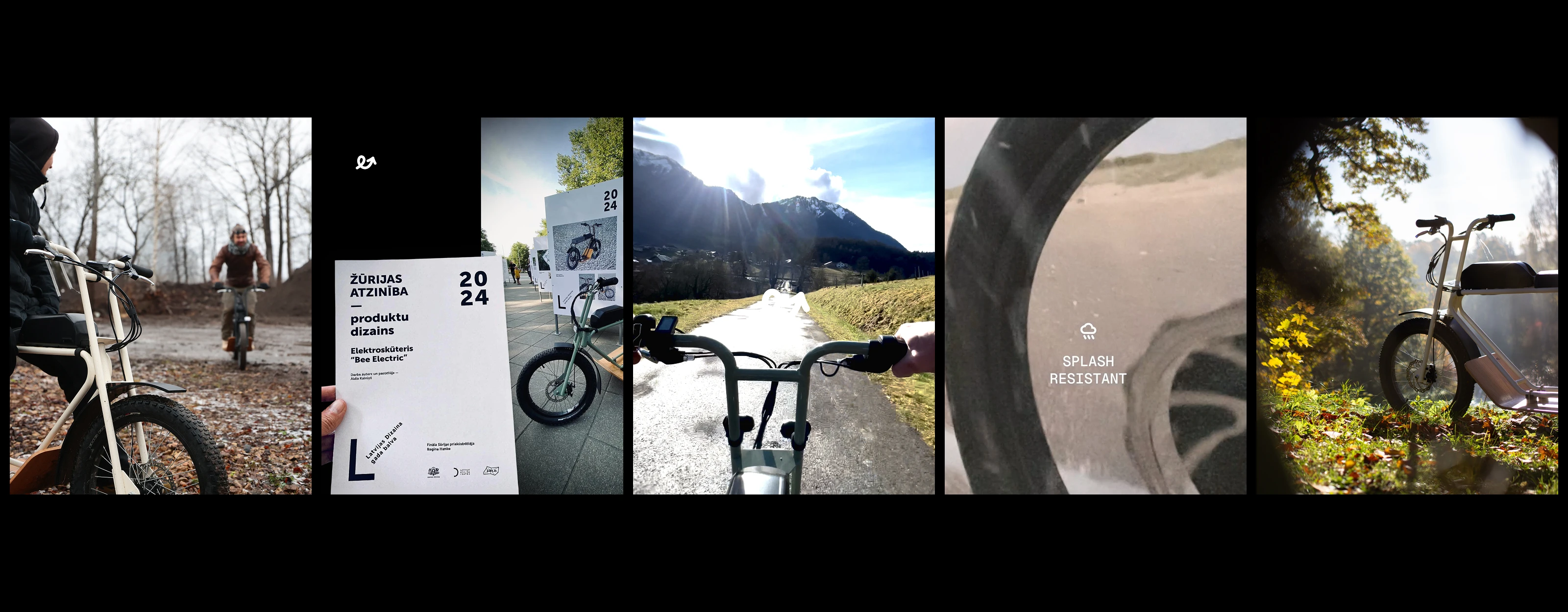
Content for Bee Electric social media accounts
A product film was meant to carry much of this story in the website header. We developed scripts, researched locations, prepared interviews and filmed material, but the final result did not reach the level we had aimed for. At that point, our job was to attract interest and help people understand Bee before asking them to buy.
Crowdfunding launch
The Indiegogo campaign launched and was featured by the platform. It attracted attention and useful feedback, but did not reach its funding goal.
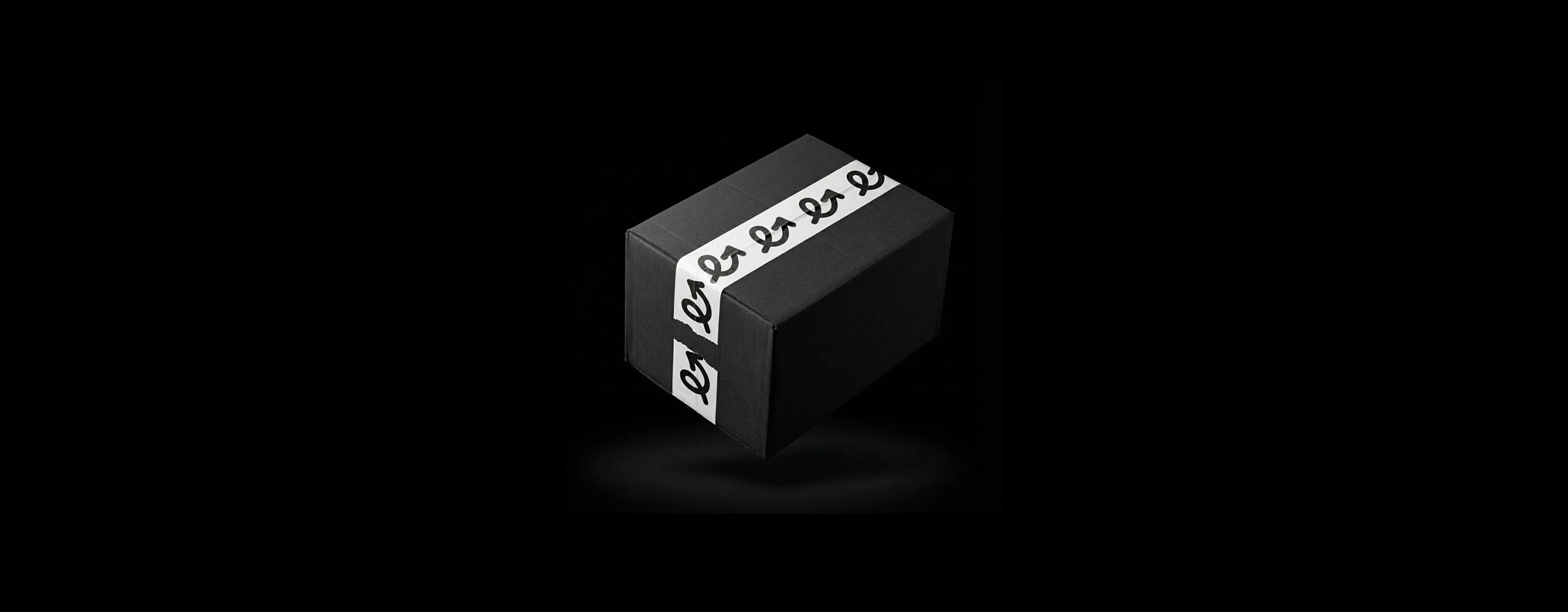
Bee Box
After the launch, we decided to finish the work. The commercial result was not what we hoped for. When the right opportunity appears later, much of this work can support another attempt.
Like this project
Posted Sep 18, 2026
Leading through Bee Electric’s crowdfunding campaign, covering positioning, brand refinement, photography, content and a new story-led website.