Built with Framer
Pulsepad Wellness Platform Development

Tolulope Amao


Pulsepad is a modern health and fitness tracking platform designed to help individuals build consistency, understand their bodies, and make better wellness decisions through clear data and simple routines. It’s built for people who want to improve their health without feeling overwhelmed by complex metrics, cluttered dashboards, or rigid fitness programs.
View Live Website https://pulsepad.framer.website
What It Does Well
Clear, Human-Centered Health Messaging
Pulsepad immediately positions itself around progress, clarity, and daily awareness rather than extreme fitness goals. The messaging focuses on helping users stay in tune with their body, track meaningful signals, and build sustainable habits over time. This makes the product feel approachable to everyday users, not just fitness enthusiasts.
Rather than pushing intensity, Pulsepad emphasizes balance — a strong differentiator in a crowded health-tech space.
Simplified Health Tracking Without Cognitive Overload
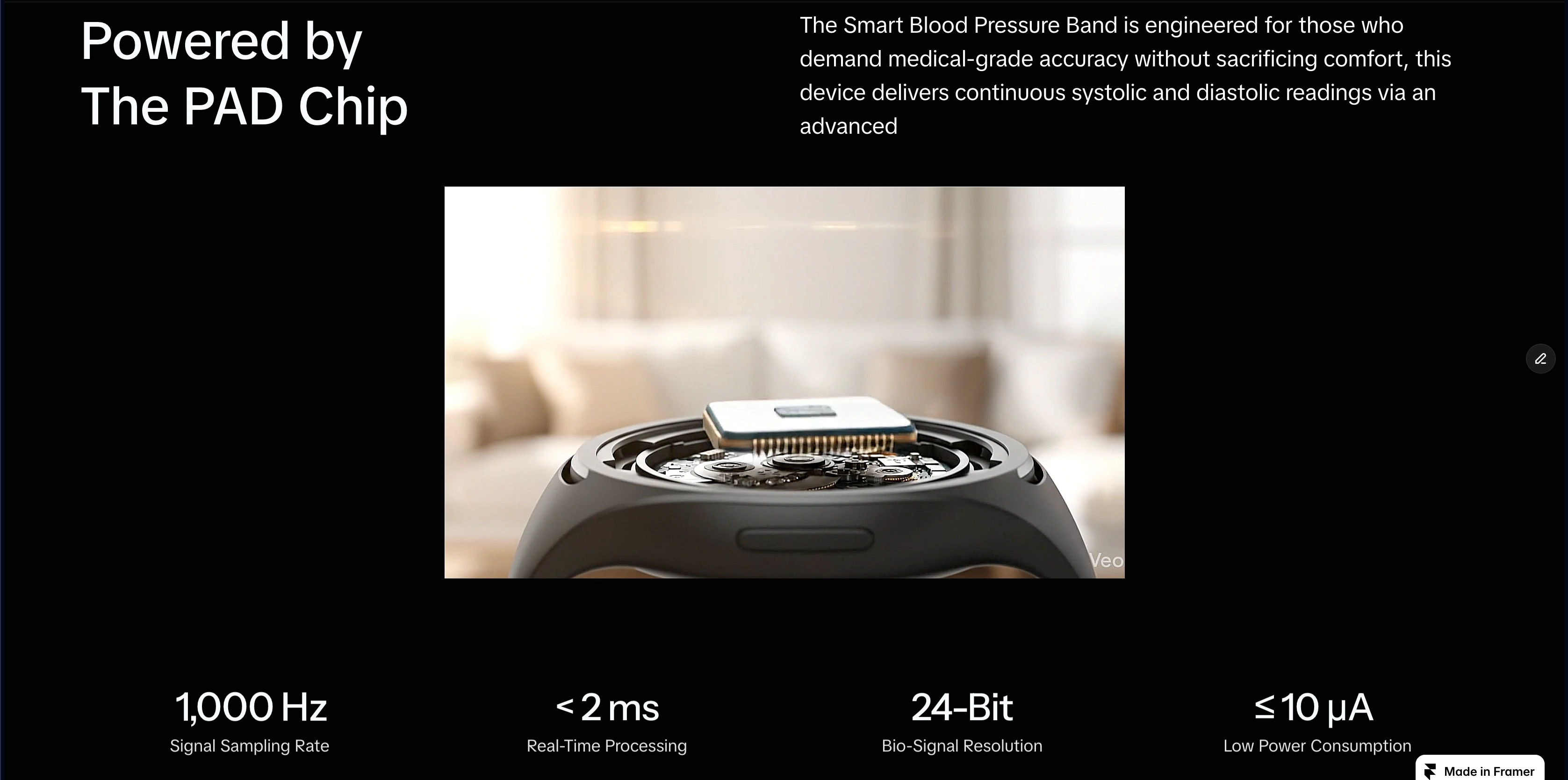
Pulsepad avoids the common pitfall of overwhelming users with too many metrics at once. Instead, it presents health data in a clean, digestible way that prioritizes what actually matters day to day: • Key wellness indicators at a glance • Simple progress visualization • Clear trends over time rather than raw numbers
This design choice lowers friction and helps users stay consistent, which is critical for long-term health behavior change.
Designed Around Habits, Not Just Data
Pulsepad doesn’t treat health tracking as passive data collection. The experience is built around daily check-ins, reflection, and gradual improvement. Each interaction encourages awareness and continuity, reinforcing the idea that health progress is cumulative, not instant.
By framing the product around habit-building instead of performance pressure, Pulsepad speaks to users who want realistic, sustainable results.
Calm, Trust-Building Visual Identity
The visual design supports the product’s emotional goal: calm focus. Generous spacing, soft contrast, and clear hierarchy make the interface feel safe, intentional, and non-judgmental — a crucial quality for wellness products.
The layout avoids unnecessary distractions, allowing users to focus on their health rather than navigating the interface.
Intuitive Flow With Minimal Learning Curve
Pulsepad’s user journey is straightforward and frictionless. From understanding the product to imagining daily use, the site guides users smoothly through: • What Pulsepad tracks • Why it matters • How it fits into everyday life
There’s no sense of complexity or setup anxiety, which increases adoption and retention potential.
Subtle, Confidence-Driven CTAs
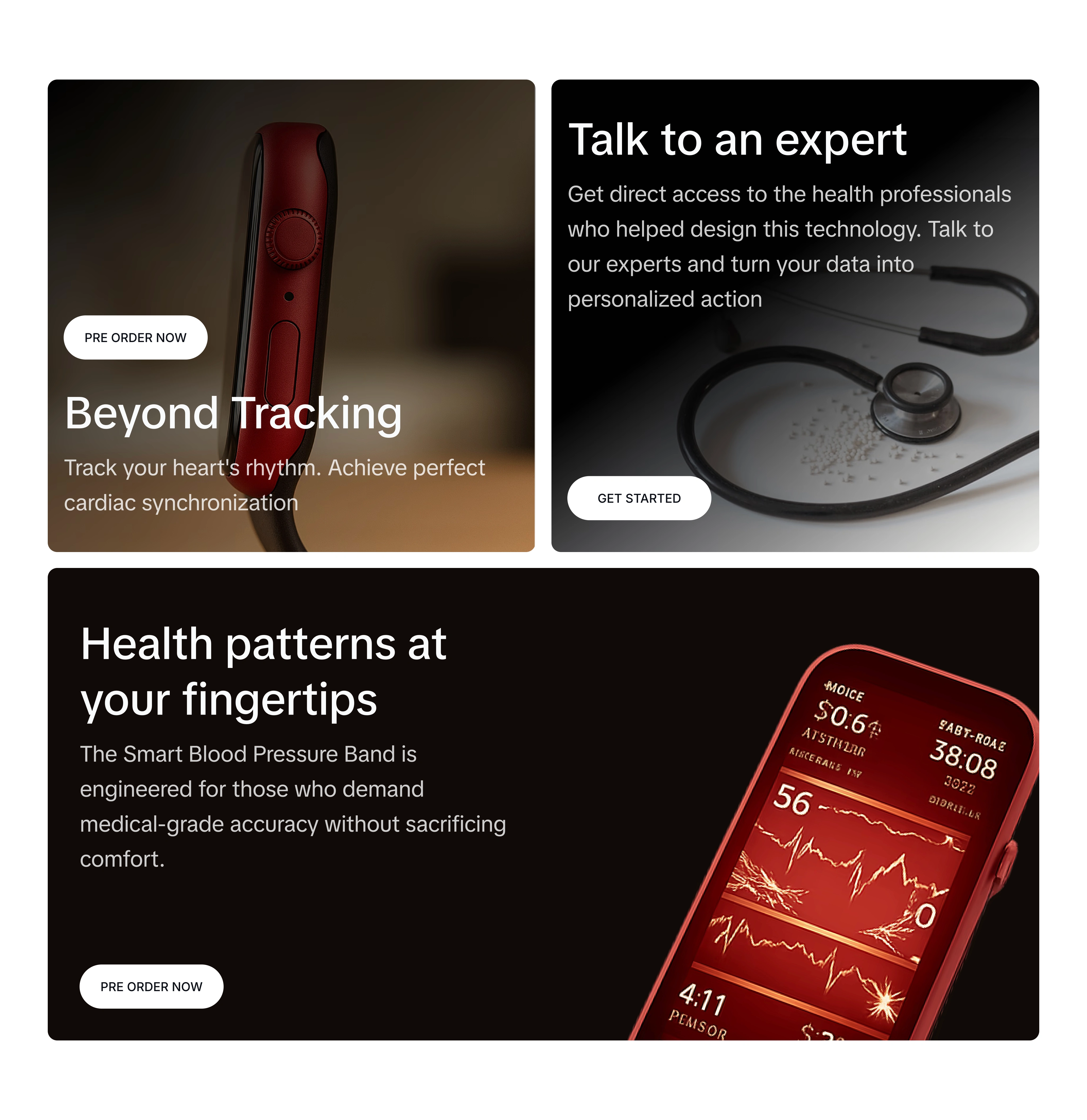
Calls to action are integrated naturally into the experience rather than aggressively pushed. This reinforces trust and aligns with the product’s supportive tone. Users feel invited to begin, not pressured to commit.
What Elevates It
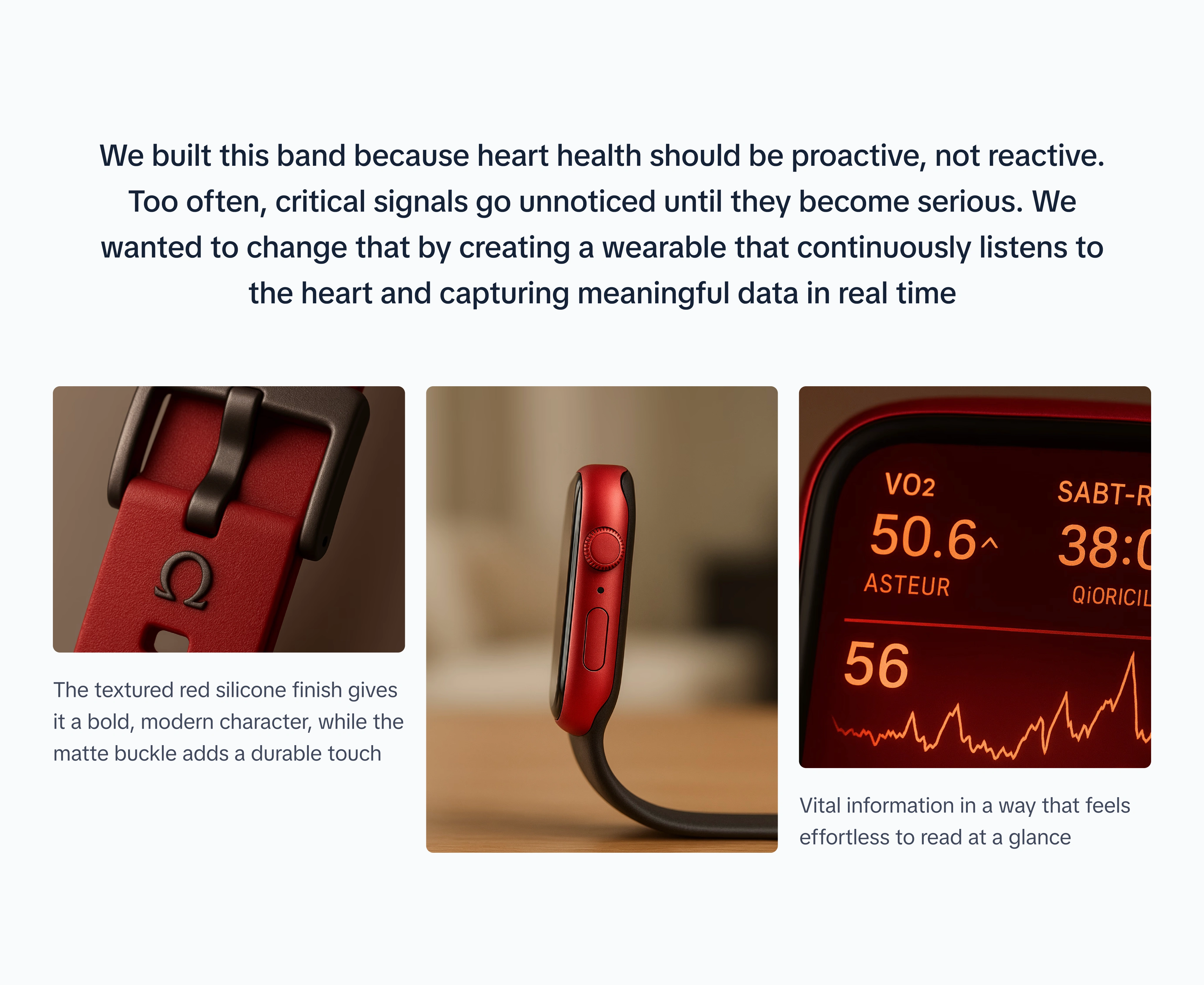
Pulsepad stands out by treating health tracking as an emotional experience, not just a technical one. It respects the user’s pace, mental load, and personal journey.
The product doesn’t promise instant transformation, it promises clarity, consistency, and self-awareness. That honesty builds credibility and long-term trust.
Polished Visual Experience
The site’s clean layout, subtle motion, and restrained typography give Pulsepad a premium yet approachable feel. Every design decision supports focus, reflection, and calm progress — exactly what users expect from a modern wellness tool.
Reliably Actionable Experience
Every section answers a silent user question: • Why should I track my health? • How does this help me daily? • Is this easy to maintain?
The site ensures users are never confused about the value or the next step, creating a smooth bridge from curiosity to adoption.
Like this project
Posted Jan 15, 2026
Pulsepad is a clean, human-centered health and fitness tracker designed to help users build consistent habits, and understand their body signals