Understanding and Managing Stress

Said Qabbaah


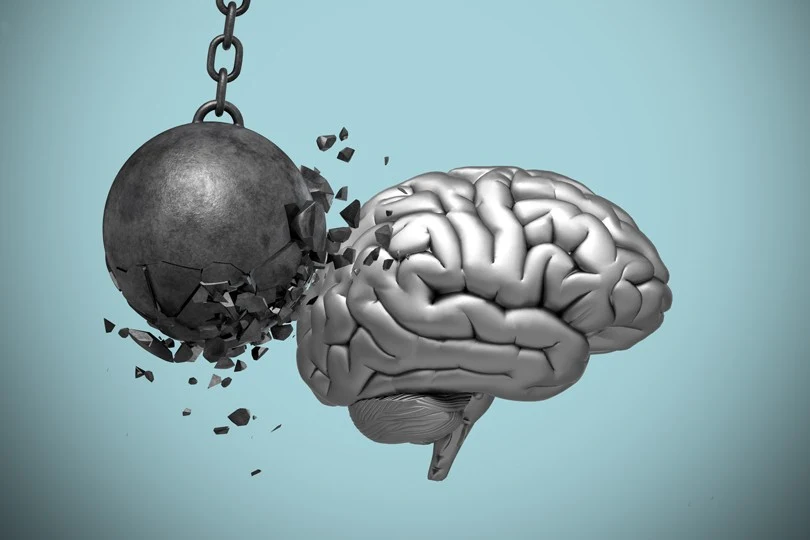
Stress is an inevitable part of life. As much as we try to make new changes or every time we turn to a new direction, it always seems to follow us and it feels quite impossible to get rid of it. While a small dose of it is considered completely normal and even somewhat beneficial, in the long term, stress can have a significant impact on us and can negatively affect our health and wellbeing.
What is Stress?
The concept of stress can be simply defined as:
A state of worry or mental tension caused by a difficult situation.
Stress is a natural human response that triggers a chain of thoughts and actions for addressing certain challenges and threats in life. It can be caused by a variety of events or situations over which we often have little control.
Stress is a common state of wellbeing that is experienced by all people. However, there are stark differences in the way each individual experiences stress - how it is manifested, dealt with, as well as the ability to cope with it. This largely depends on a multitude of innate and environmental factors including genetics, personality type, social and economic factors.
Physiology of Stress
An integrated definition of the the concept of stress that takes into consideration the natural physiological responses involved describes stress as:
A constellation of events, consisting of a stimulus (stressor), that precipitates a reaction in the brain (stress perception), that activates physiological fight or flight systems in the body (stress response).
Essentially, a stress response is caused when any stimuli from either a physical or a psychological origin disrupt homeostasis - the state of balance within all physical systems needed for a body to function properly and survive. The stimuli act as the stressor and the physiological changes involved in the reaction to a stressor is the stress response.
Response to stress involves a complex physiological process that is mediated by a sophisticated interaction of several systems including the nervous, endocrine, and immune systems with involvement of two principal systemic pathways depending on the duration of the stress response:
The sympathetic-adreno-medullar (SAM) pathway.
The hypothalamus-pituitary-adrenal (HPA) pathway.
Short-term (Acute) Vs. Long-term (Chronic) Stress
Short-term stress is a physiological response to acute stress that lasts for a period of minutes to hours, and is usually regulated via the sympathetic-adreno-medullar (SAM) pathway e.g. being suddenly frightened; whereas long-term stress is a physiological response to chronic stress that persists for days, weeks, months or even longer and is usually regulated via the hypothalamus-pituitary-adrenal (HPA) pathway e.g. long-standing financial difficulties.
The stress response starts off as a naturally adaptive process that prepares the body to deal with a stressor within the internal or external environment. This triggers a natural 'fight-or-flight' response which forms the fundamental survival mechanism that enables the best protection and performance under certain conditions.
The acute stress response involves the release of stress hormones - mainly adrenaline, noradrenaline and cortisol - from the adrenal gland into the bloodstream. This causes widespread effects on a number of bodily systems including the cardiovascular, respiratory, endocrine, gastrointestinal, neurological, muscular, reproductive and immune systems.
The result is a series of physiological processes that include:
Increased heart rate.
Elevated blood pressure.
Boosted energy supplies.
Increased blood glucose levels.
Increased cellular metabolism.
Increased muscle strength.
Improved mental activity.
Increased availability of certain substances used for tissue repair.
It is through this generalised physiological process that cognitive and physical performance is enhanced, in addition to boosting immune-protection, in order to best deal with the threat or challenge. Normally, following the disappearance of the perceived threat, the acute stress response ceases and the body returns to the pre-arousal usual state.
However, it is important to note that if the exposure to a stressor is prolonged or repetitive in frequent succession, the body will switch into adaptation mode by going through a state of sustained stress response where it maintains a constant level of alertness to a certain extent.
In addition to weakening the immune system as a result of the suppressive effects of stress hormones, this results in a variety of physical/ mental signs and symptoms, and can lead to a number of serious health conditions especially if the stressful state persists.
This means that the body's natural response to stress which is supposed to be beneficial by helping us in dealing with the stress as well as to protect us from it will actually become harmful by causing detrimental physical and mental effects on the body in the long term.
Effects of Stress
Stress can cause a range of physical and mental effects on the body - both in the short and long term, leading to a significant influence on an individual's health, emotions, actions, and behaviour. The common signs and symptoms of stress include:
Physical effects
Increased heart rate.
Rapid and difficult breathing.
Chest pain and a rise in blood pressure.
Muscle ache and headache.
Sleep disorder.
Visual problems e.g. blurred vision.
Indigestion and/ or heartburn.
Constipation or diarrhoea.
Dizziness and/ or lightheadedness.
Weight fluctuations.
Skin rashes or itchy skin.
Irregular menstrual cycle.
Worsening pre-existing physical health conditions.
Mental/ behavioural effects
Restlessness.
Impatience.
Feeling overwhelmed and tense.
Loss of sense of humour.
Loss of interest in life.
Constant worrying and a sense of dread.
Social withdrawal, isolation and loneliness.
Worsening pre-existing mental health conditions.
Difficulty in decision-making and concentration.
Memory problems.
Nail biting.
Teeth grinding and clenching jaw.
Decreased libido.
Unusual eating habits.
Developing unhealthy habits such as smoking, drinking alcohol (exceeding usual quantities) or using recreational drugs.
Unusual behaviours e.g. excessive spending, no/ excessive exercise, etc.
Besides the acknowledged benefits of the acute 'short-term' stress, it is also known for its rapid activation and deactivation of the physiological stress response. However, while the goal is the rapid restoration of homeostasis, chronic 'long-term' stress leads to a dysfunctional reaction because the physiological response either persists long after the stressor has ceased, or is activated repeatedly to result in an overall increased exposure to stress hormones and/or dysregulation of stress-related processes.
This causes a series of negative effects in the long run which can lead to a number of significant physical and mental health conditions as a result of a complex combination of physiological, hormonal, and behavioural factors. Therefore, the longer the individual experiences chronic stress, the higher the likelihood that there will be detrimental health effects in the long term.
Significant research has found a direct link between chronic stress and an increased risk of developing certain health conditions such as:
- Hypertension, ischaemic heart disease and stroke.
- Metabolic syndrome (a combination of high blood glucose, low levels of HDL cholesterol, high levels of triglycerides, increased waist circumference, and high blood pressure).
- Obesity.
- Type II diabetes mellitus.
- Asthma.
- GI disorders e.g. peptic ulcer disease, gastro-oesophageal reflux disease and Irritable Bowel Syndrome (IBS).
- Auto-immune disease e.g. Graves' disease and rheumatoid arthritis.
- Chronic headache e.g. migraine.
- Mental health disorders such as anxiety and depression.
- Recurrent upper respiratory tract infections.
- Insomnia.
- Exacerbation of pre-existing physical and mental health conditions.
- Increased predisposition to engage in negative actions and habits e.g. excessive alcohol, smoking, prescription and/ or recreational drugs, gambling, binge-eating, etc.
- Premature ageing and earlier death.
Stress Management
Although there is little that can be done to change the current situation that an individual is experiencing, there are plenty of effective strategies that can be followed for the healthy management of stress. These strategies follow a multifaceted approach to stress relief that consist of a combination of lifestyle and psycho-social factors. These include:
Being aware of the signs and symptoms of stress and when they start posing problems in order to start taking the necessary steps to address them early on.
Consuming a healthy diet with emphasis on quality and variety.
Engaging in regular moderate-intensity physical exercise.
Following good sleeping habits that focus on duration and quality.
Practising healthy relaxation techniques e.g. meditation, yoga, breathing exercises, etc.
Maintaining a positive mindset with particular emphasis on the expression of gratitude.
Practising self-care and allowing time for oneself to do the things that bring pleasure and joy e.g. reading, listening to music, doing a favourite hobby, etc.
Spending time in the outdoors, and increasing contact with nature and exposure to natural light.
Having meaningful social interactions, building strong connections, and developing healthy relationships.
Developing an attitude that encourages sense of humour and promotes happiness.
Engaging in actions that give a sense of purpose and feeling of being helpful e.g. volunteering, charity, offering help in general, etc.
Encouraging open communication through the sharing of problems with a trusted person, and/ or keeping a journal for writing the issues down to enable better visualisation and improve the ability to find more effective solutions for tackling them.
Improving time management, task prioritisation, and having a structure to the day, whether at work or at home.
Seeking professional help, if needed, to learn about developing certain coping strategies and mechanisms.
Avoiding unhealthy methods of managing stress e.g. excessive consumption of alcohol, tobacco, recreational drugs, binge-eating, etc.
Reducing stress-provoking actions or habits that may increase likelihood of triggering own negativity and stress e.g. excessive news-watching or social media.
Stress is a fact of life. In today's hectic society, stress can find its way through literally anything. While it may be impossible to eliminate it completely, we can change many aspects of our daily lives to reduce it.
We must be more aware of ourselves - our feelings, thoughts, actions and behaviours - for developing better self-control and taking appropriate measures to minimise chronic stress and stay healthy. We must allow ourselves time to recover from the stresses of daily life, and deal with stress effectively through self-help and help from others. We should not let chronic stress drain our psychological resources and negatively impact our physical and mental wellbeing.
An improved understanding of the concept of stress is crucial for helping us better understand ourselves; and with this valuable knowledge, we will be more able to conquer stress and better equipped to protect ourselves from it. Because, ultimately, we all have the same goal in life - to live happily and stress-free, whenever and wherever possible.
"Stress is not what happens to us. It is our response to what happens. And response is something we can choose". ~ M. Killoran
<Picture(s) credit to the rightful owner(s)>
Like this project
Posted Oct 12, 2025
An in-depth exploration of stress, its effects, and management strategies.
Likes
0
Views
12