Built with Webflow
Currentt — CleanTech Energy Platform, Made Accessible

Fahad Raee
Verified


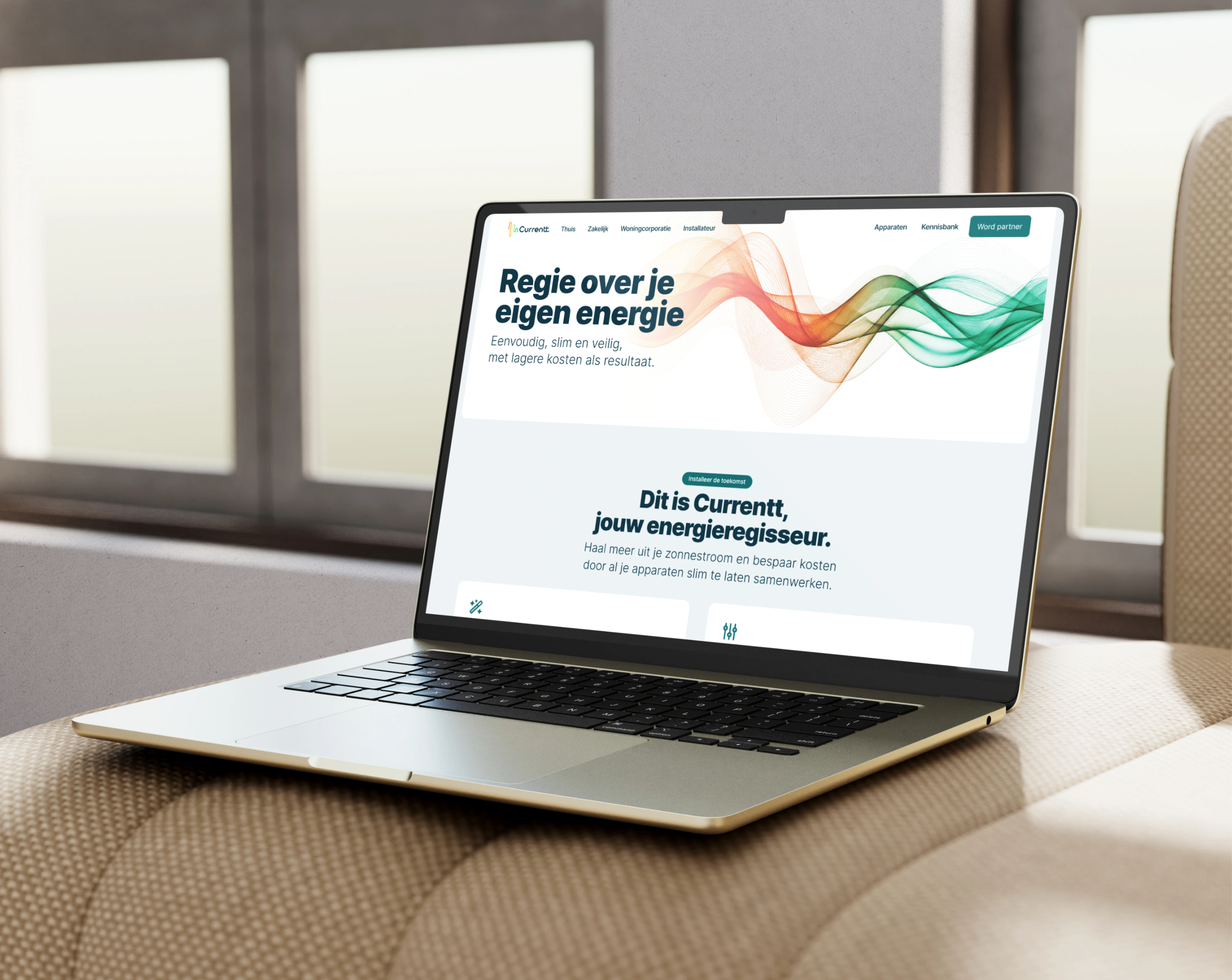
Overview
Website: currentt.nl
Industry: Energy Technology · Smart Energy Management · CleanTech
Services: Figma UI/UX Design · Webflow Development · CMS Architecture · Audience-Segmented UX
Currentt is a Dutch energy-tech company building a local-first energy management system (LEMS) that helps users optimise energy consumption across solar panels, EV chargers, heat pumps, and batteries all in one unified ecosystem.
The technology is sophisticated and locally-first: meaning it operates without constant cloud dependency, which is a genuine technical differentiator in the smart energy space. But that story was being lost in a website that read too much like an engineering specification.
The goal: build a digital experience that communicates innovation clearly, earns trust in a rapidly evolving market, and guides four distinct audience types toward action without overwhelming any of them.
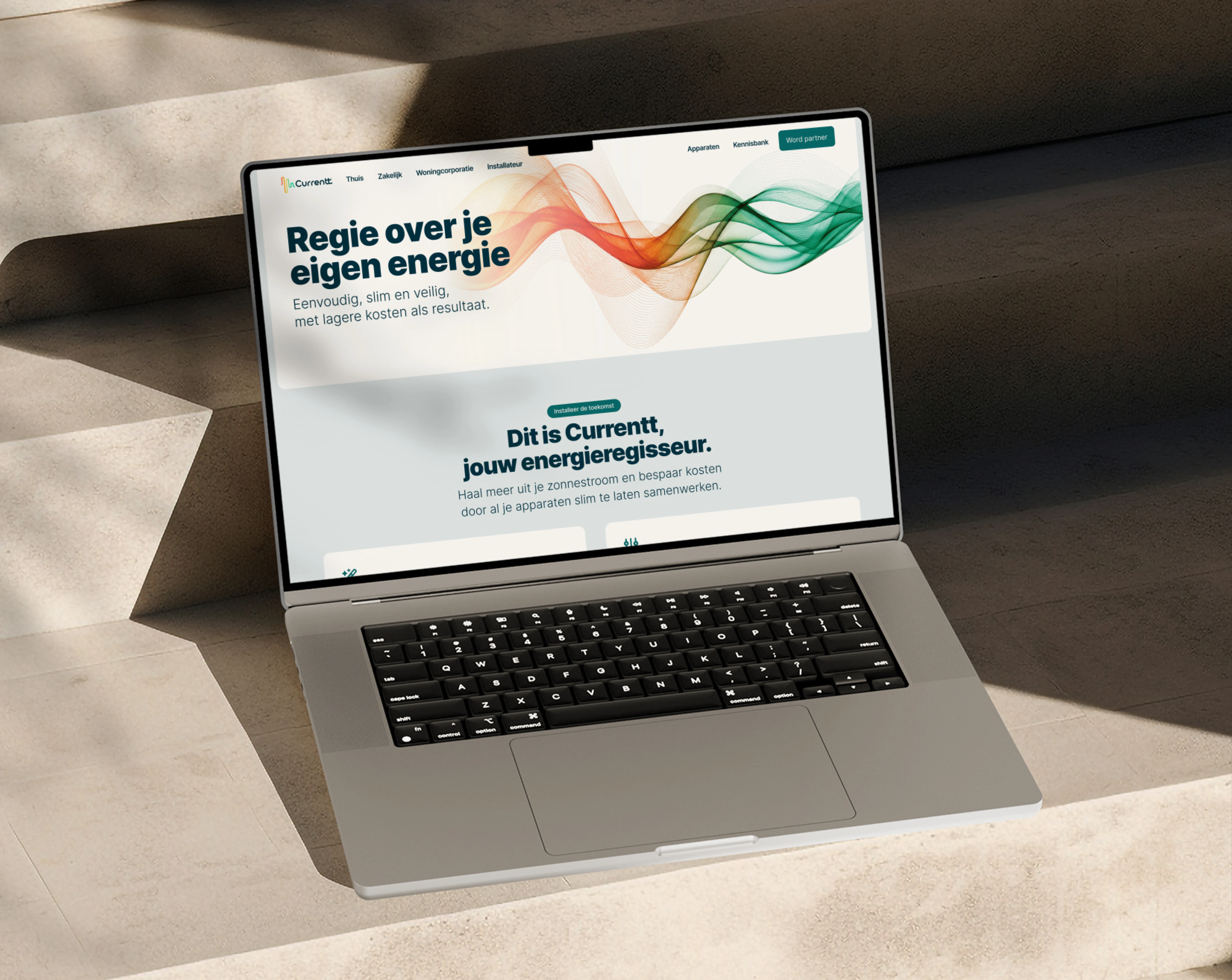
The Challenge
1. A Deeply Technical Product for Non-Technical Audiences
Most Currentt users, homeowners, and housing corporations don't care how the LEMS works. They care about lower bills, fewer failures, and simpler control. The site needed to lead with outcomes, not architecture.
2. Four Audiences With Different Decision Criteria
Homeowners, businesses, installers, and housing corporations each evaluate energy solutions differently. One homepage can't speak to all four equally without becoming vague for all four.
3. Cybersecurity and Local-First Messaging
Current's local-first infrastructure and cybersecurity credentials are genuine competitive advantages. Communicating them clearly without turning the page into a technical whitepaper required careful content structuring.
4. Avoiding Both Extremes of Energy-Tech Websites
Most energy-tech sites are either engineering-heavy (too dense for regular users) or generic green (too vague to be credible). Currently needed to sit in neither category.
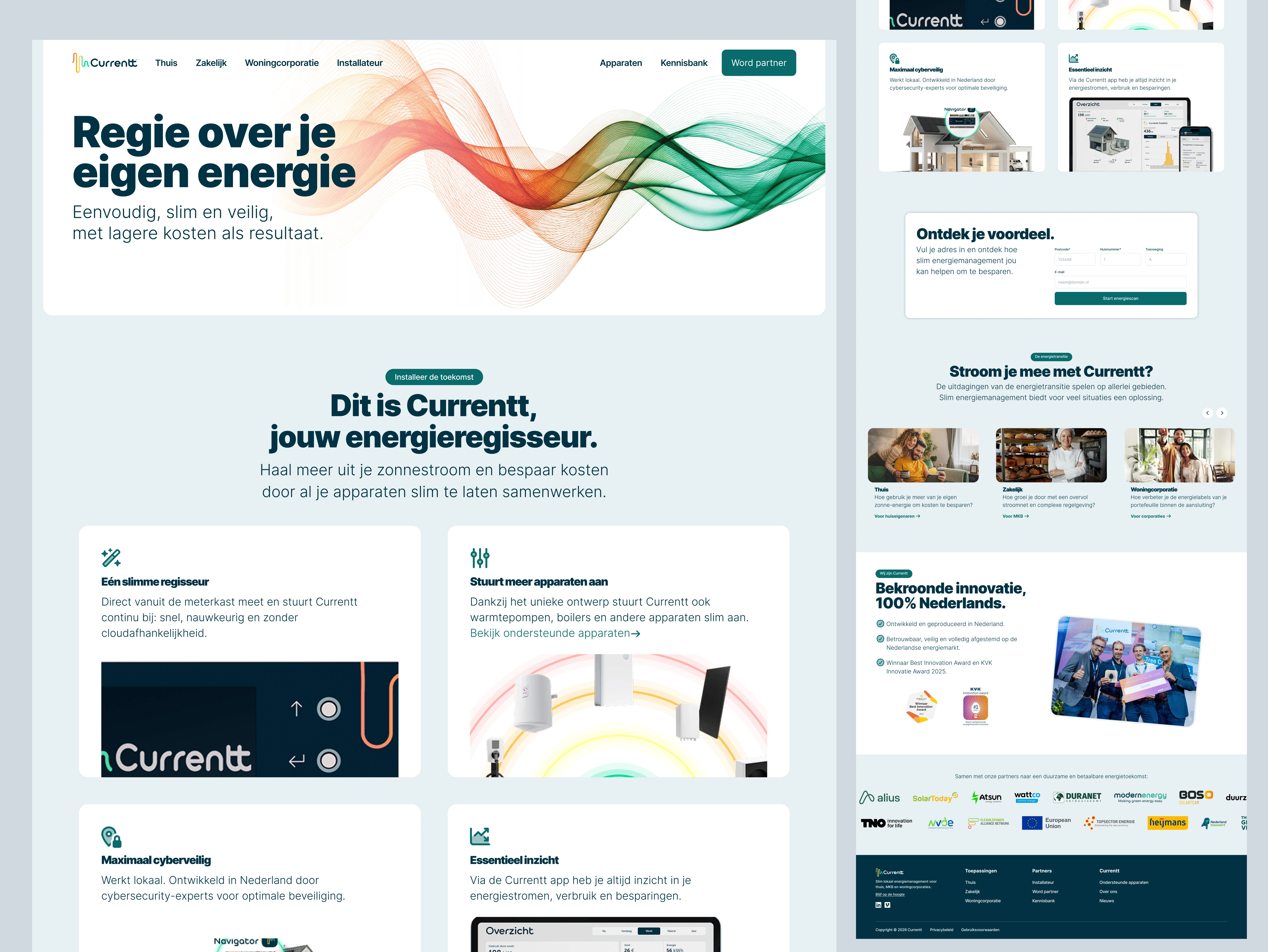
The Solution
Audience-Segmented Navigation and Content Pathways
Dedicated pathways for each user type homeowners, businesses, installers, and housing corporations, with messaging calibrated to each group's specific priorities and questions.
Outcome-Led Product Storytelling
Features are presented through the lens of what users gain: energy savings, fewer interruptions, simpler control, and measurable ROI, not through the lens of how the system is engineered.
Trust Architecture for a Credibility-Sensitive Market
Dutch engineering heritage, cybersecurity credentials, and local-first infrastructure are positioned as specific trust proof points throughout the experience, not saved for an About page.
A Design That Breaks Both Extremes
A structured, professional visual language that feels modern and forward-looking without being corporate, and grounded without being dull.
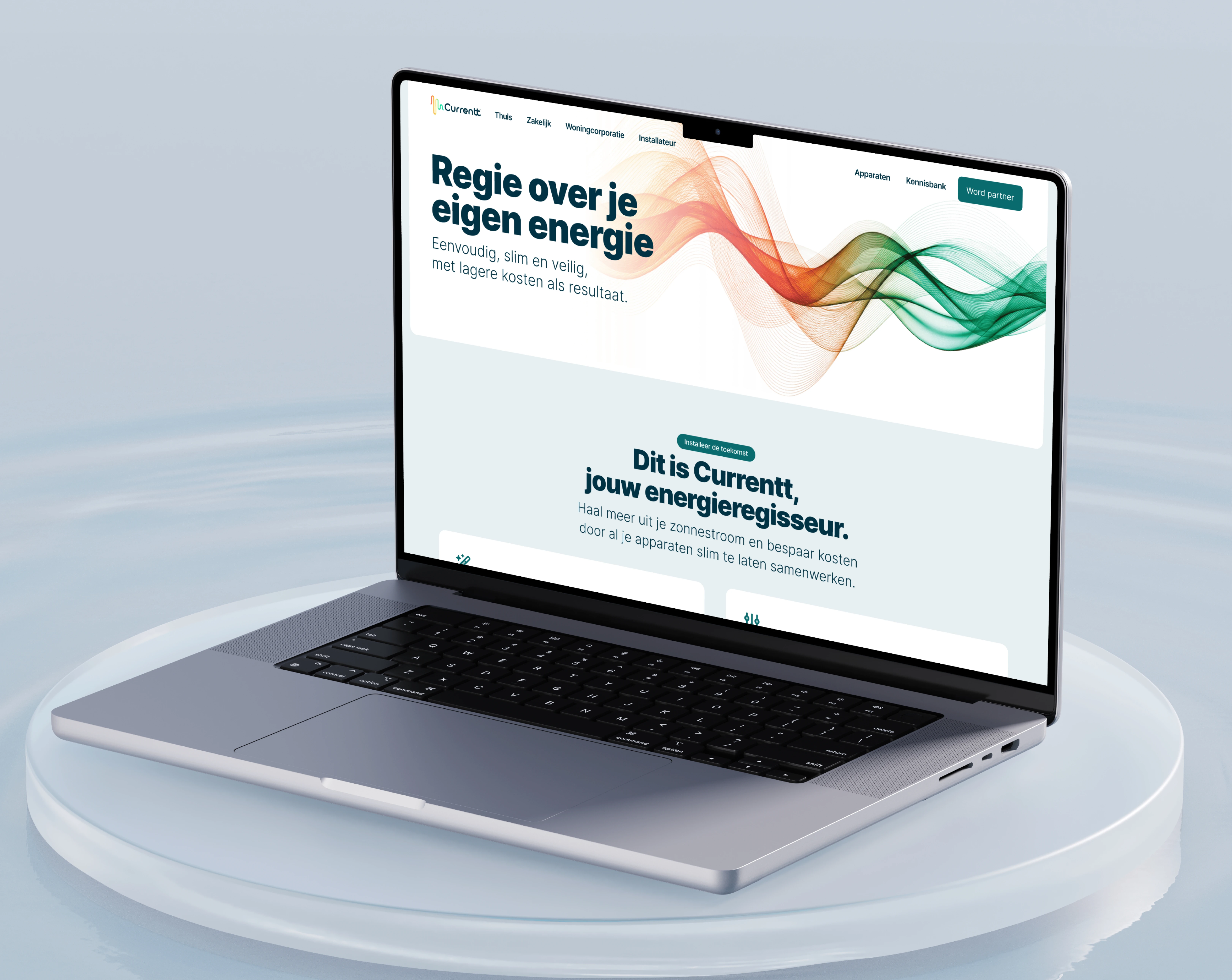
Deliverables
UI/UX Design (Figma)
Full website UI/UX design with responsive layouts
Clear service segmentation across all audience types
Improved typography hierarchy and CTA placement
Consistent, reusable design system
Webflow Development
Fully responsive build across all devices
CMS-ready architecture for knowledge base and product updates
Reusable component system for long-term scalability
Performance optimisation throughout
Pages Delivered: Homepage · Audience-specific sections · Services · About · Contact · CMS-ready expansion structure
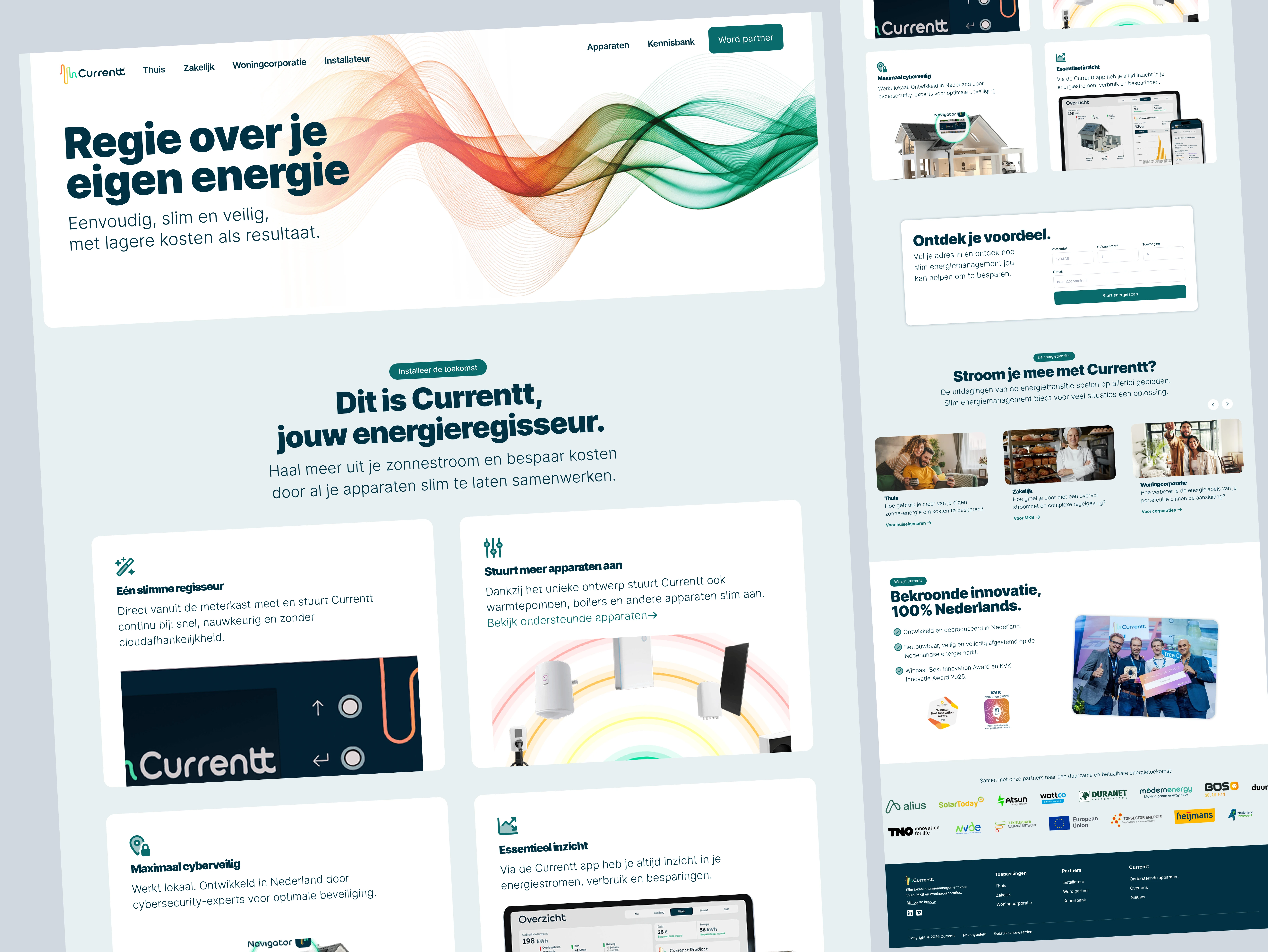
Outcome & Impact
Clarity across all four audiences. Each visitor type now finds messaging that speaks directly to their goals, rather than wading through content intended for someone else.
Stronger trust signals. Cybersecurity and local-first credentials are now prominent proof points throughout the site, not buried in a footnote section.
A scalable digital foundation. The CMS structure supports future content expansion, including energy education resources, product updates, and knowledge base articles.
CleanTech products solve real problems. But if your website speaks to engineers when your buyers are homeowners, you're losing adoption at the awareness stage.
I build clear, audience-focused websites for complex technology products.
→ View my full portfolio: contra.com/fahadraee
Like this project
Posted May 9, 2026
Currentt's CleanTech energy system was technically complex with multiple audience segments. I designed and built a Webflow site that gives each audience a clear entry point, translating dense energy concepts into visual, scannable content.