
Overview
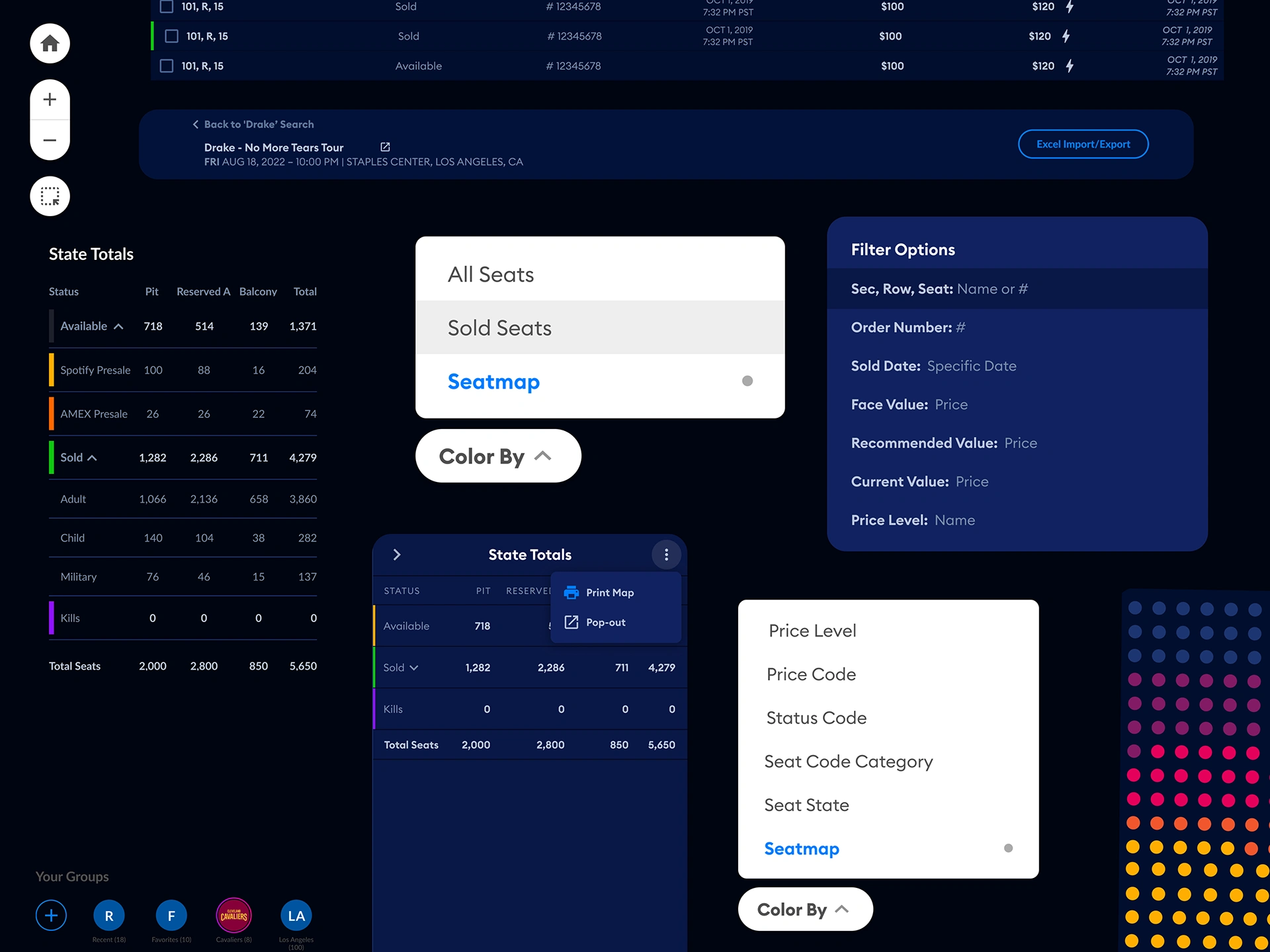
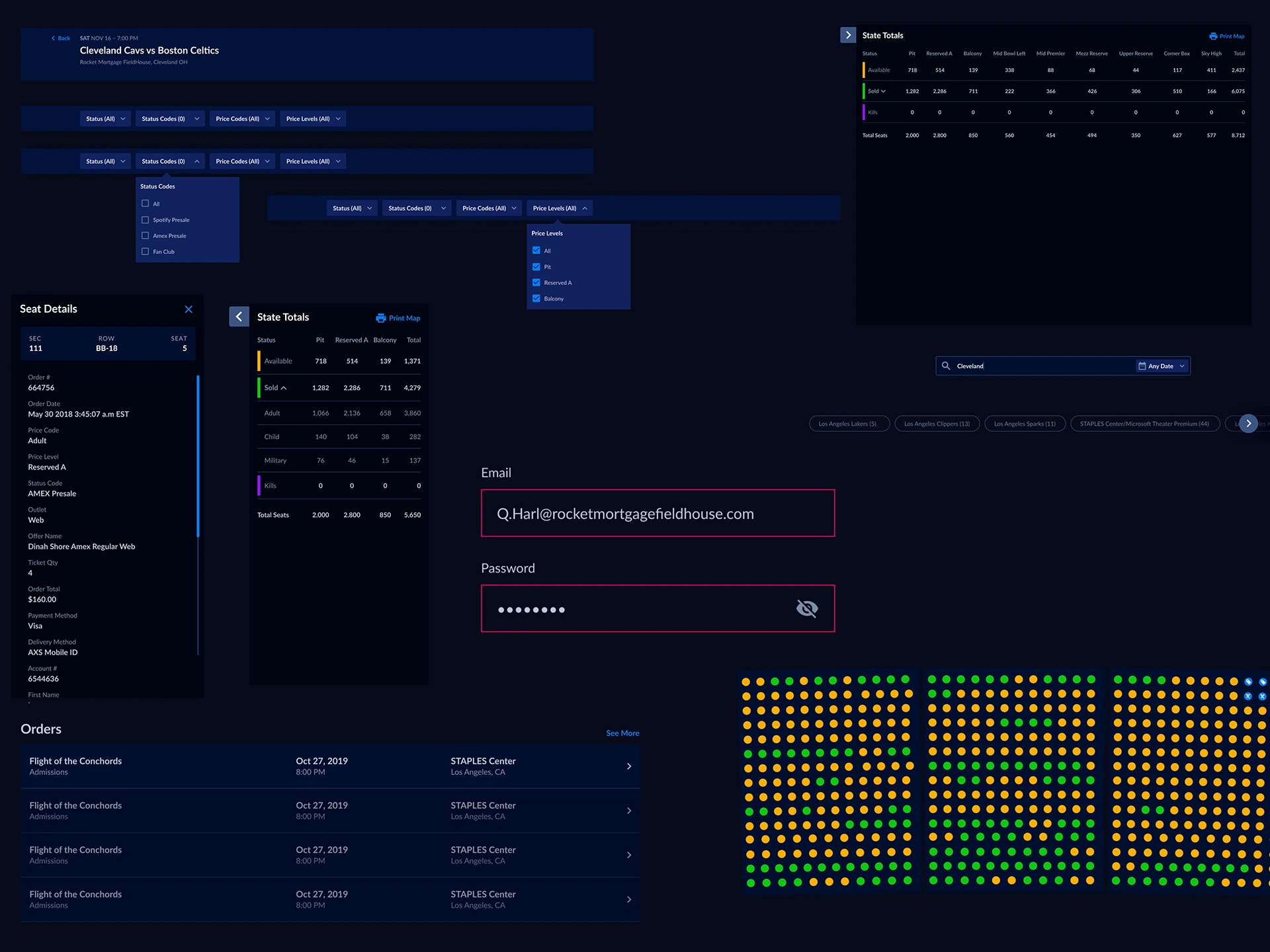
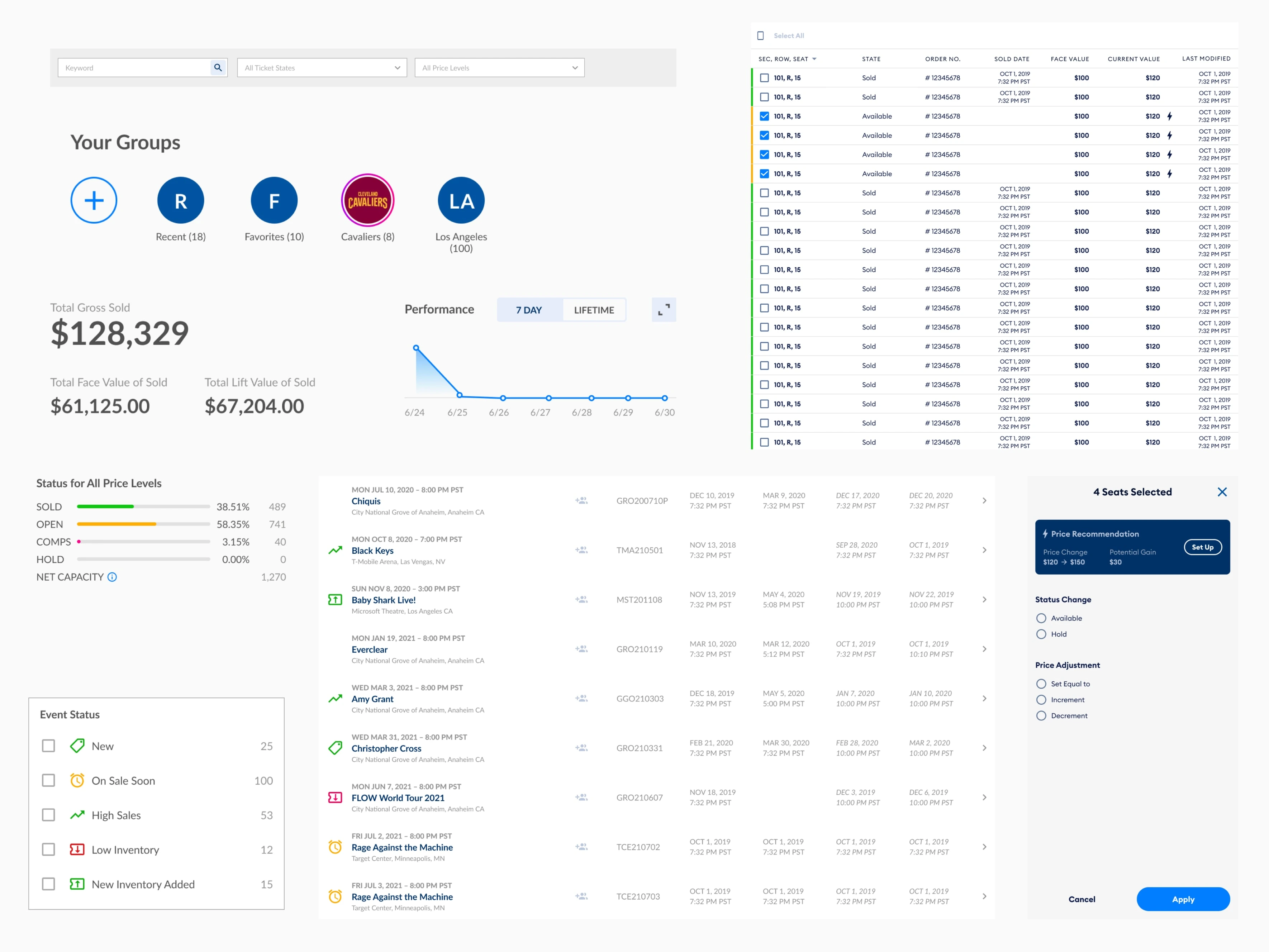
AXSis a leading ticketing platform for live events. Their b2b product allows event organizers to sell tickets to their events online. The design system I created for AXS provides a consistent and reusable set of components that can be used to create a variety of different pages and layouts for the b2b product.
Problem Statement
Before I created the design system, the b2b product had a number of problems:
The design was inconsistent across different pages and layouts.
There was no way to reuse components easily.
It was difficult to maintain the design of the product as it evolved.
Users and Audience
The target users for the design system are the designers and developers who work on the AXS b2b product. The design system should make it easier for them to create a consistent and user-friendly experience for event organizers.
Roles and Responsibilities
I was one of the UX designers on this project. I worked with the product manager and developers to define the requirements for the design system and to create the final designs.
Scope and Constraints
The scope of the project was to create a design system that would provide a consistent and reusable set of components for the AXS b2b product. The constraints on the project were the time and budget available.
The Working Process and Actions Taken
The working process for this project involved the following steps:
Define the requirements. I worked with the product manager to define the requirements for the design system. This included identifying the different types of components that would be needed, as well as the desired look and feel of the design system.
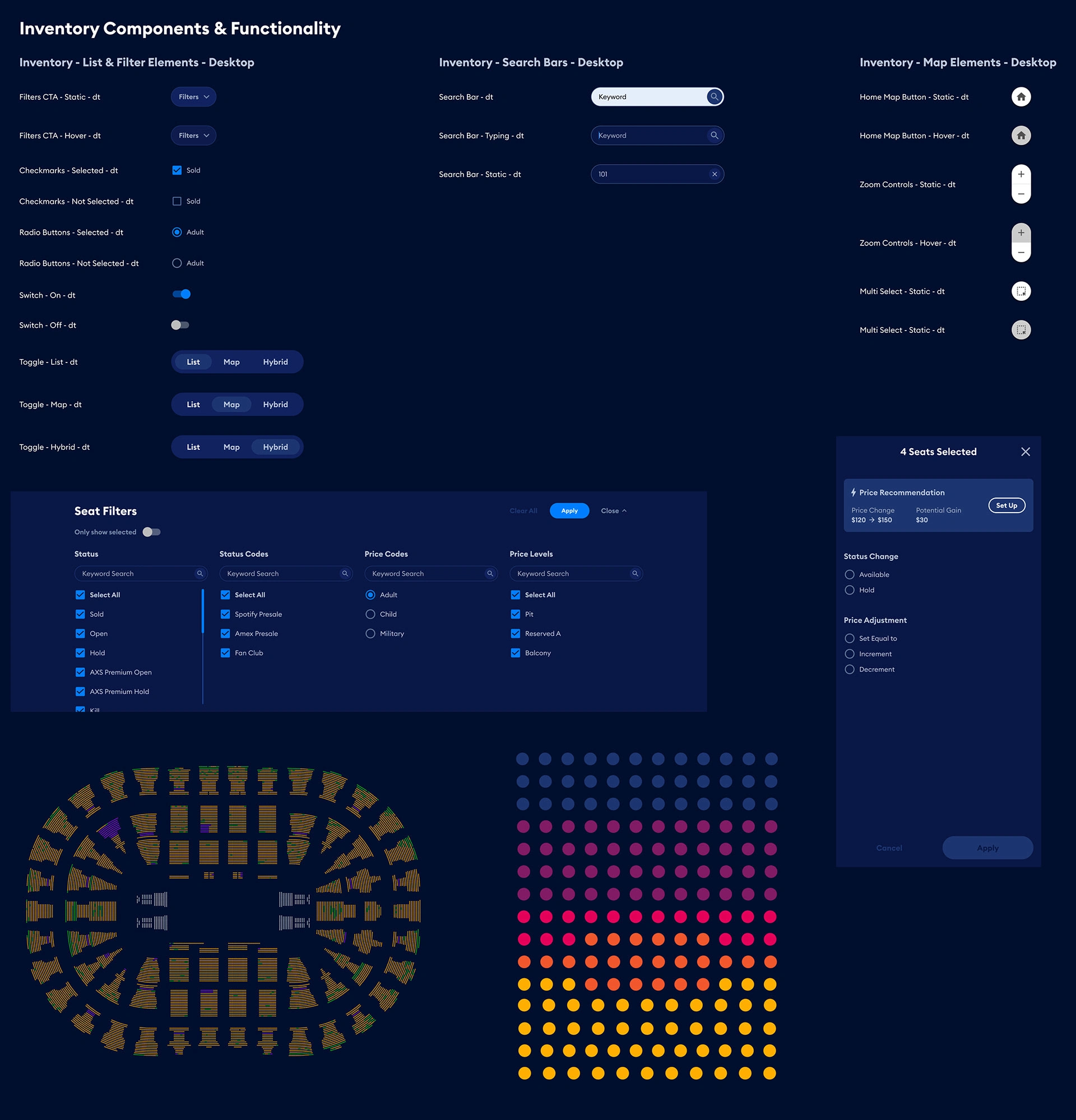
Create the initial designs. Once the requirements were defined, I created the initial designs for the design system. This involved creating a library of components that could be used to create a variety of different pages and layouts.
Get feedback. I shared the initial designs with the product manager and developers to get feedback. This feedback was used to refine the designs before they were finalized.
Create the documentation. Once the designs were finalized, I created the documentation for the design system. This documentation included information on how to use the components, as well as examples of how they could be used to create different pages and layouts. We placed all of this documentation into Zeroheight.
Outcomes and Takeaways
The outcomes of this project were the following:
A design system that provides a consistent and reusable set of components for the AXS b2b product.
A more efficient and effective design process for the AXS b2b product team.
A more user-friendly experience for event organizers who use the AXS b2b product.
The takeaways from this project are the following:
The importance of having a consistent design system for a complex product.
The benefits of using a design system to improve the efficiency and effectiveness of the design process.
The importance of getting feedback from users and stakeholders early and often in the design process.
Conclusion
The design system I created for AXS has helped to improve the consistency, efficiency, and user-friendliness of the b2b product. I am confident that this design system will continue to be a valuable resource for the AXS b2b product team for years to come.
1 like · 48 views · Nov 4, 2025
Created a design system for a b2b product, enhancing design consistency and efficiency.
