Spotlight on Lowkey.club

Matthew Dix


How it all began
The Vision
Lowkey.Club started as a visual experiment exploring the intersection between cinematic branding, modular interfaces, and AI-assisted production workflows. The project evolved into a functioning “digital chop shop” built for founders, creators, and emerging brands that need more than templates or surface-level design.
The intention was simple: create a production engine capable of turning raw ideas into launch-ready systems with speed, clarity, and aesthetic precision.
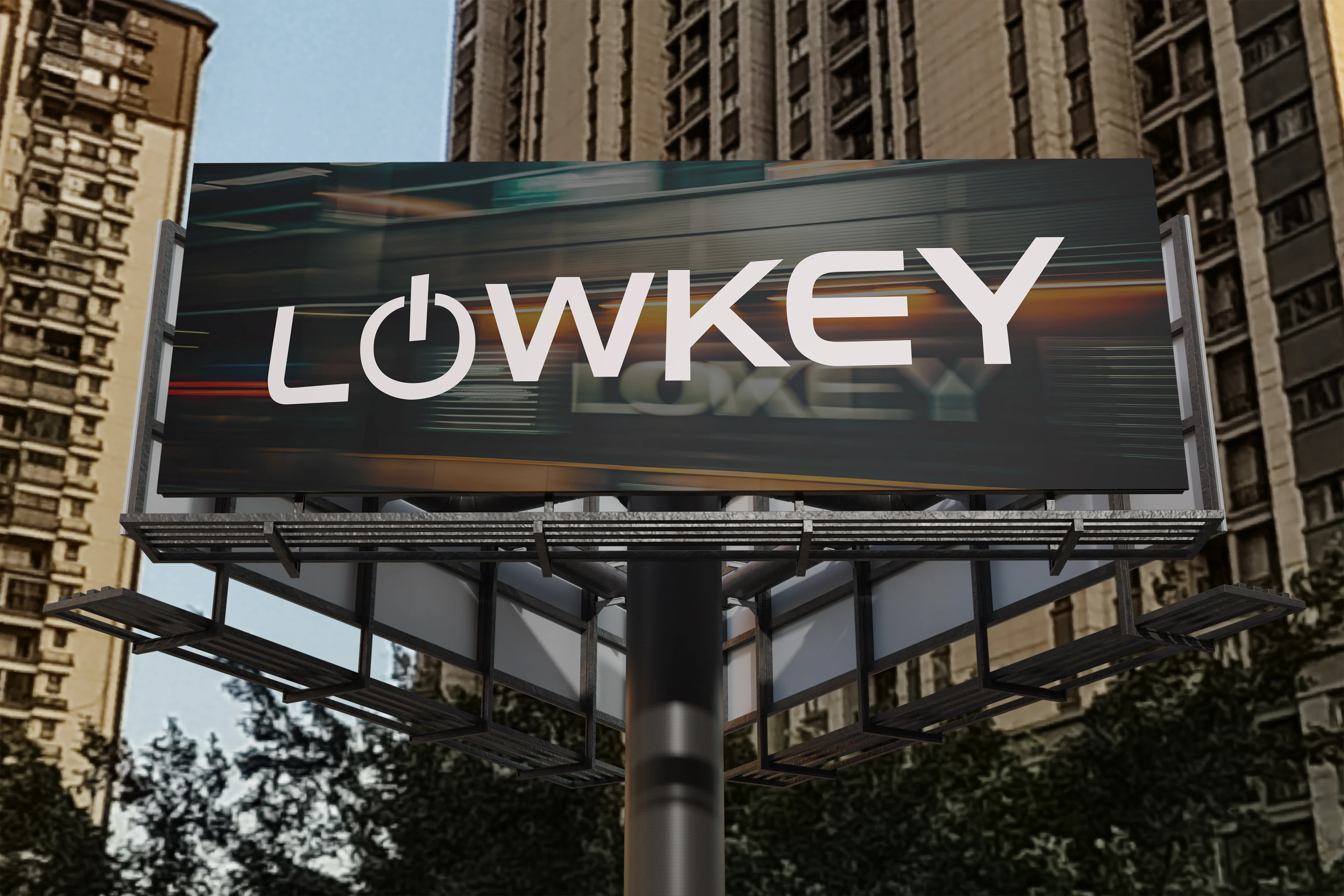
For me, that city is about movement and activation.
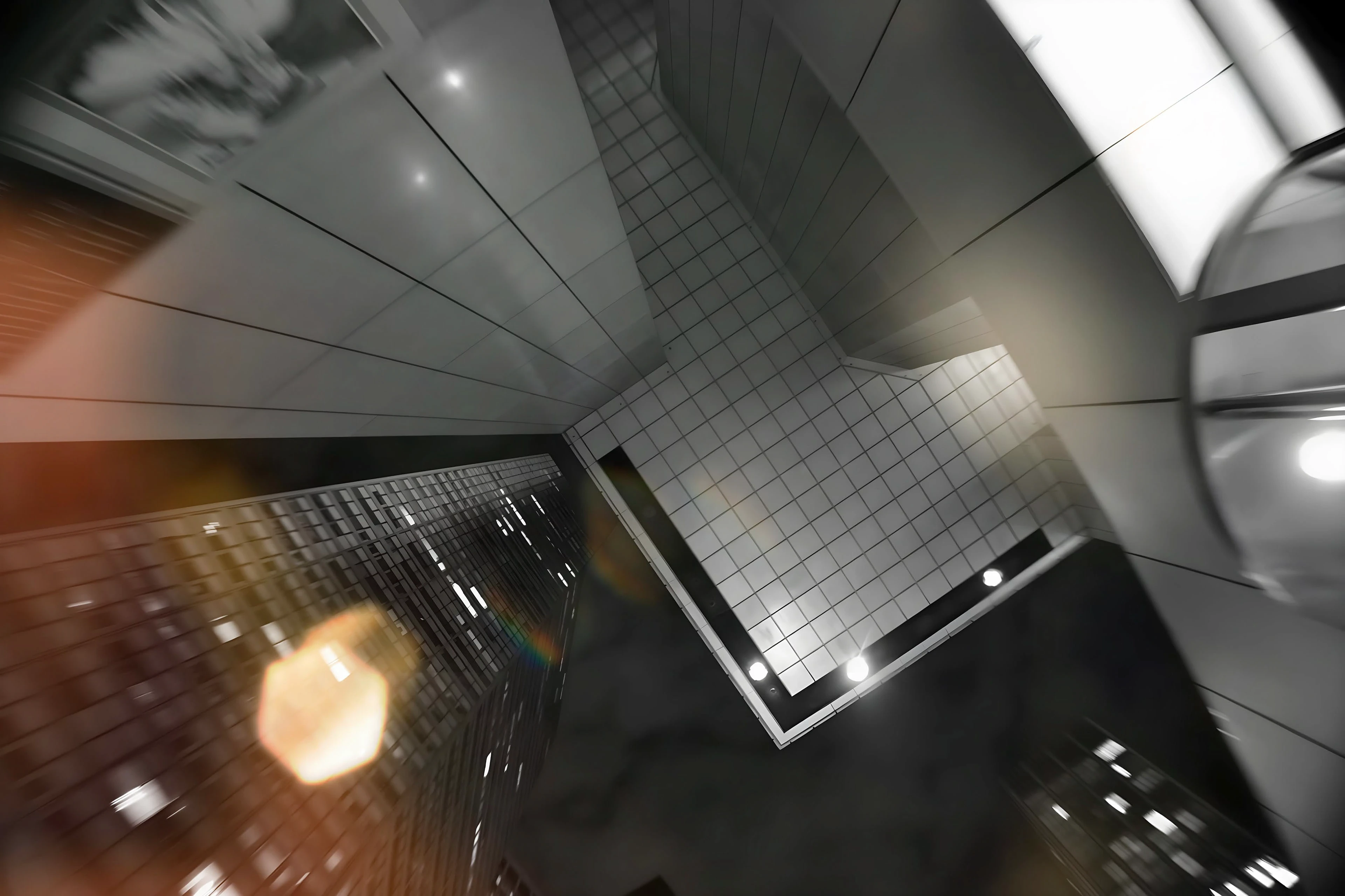
Lowkey.club was mostly inspired while working as a street photographer in NYC.
Machines of Tomorrow
A recurring theme throughout the work is the idea of Machines of Tomorrow — a visual and strategic language inspired by industrial design, neon-lit city infrastructure, motorcycles, robotics, and performance engineering.
Rather than presenting design as decoration, the project reframes branding as machinery: systems that should move, convert, adapt, and scale.
This direction informed everything from the colour grading and typography to the landing page flows and product architecture. The result is a cinematic identity system that feels somewhere between a boutique creative studio and a futuristic fabrication lab.
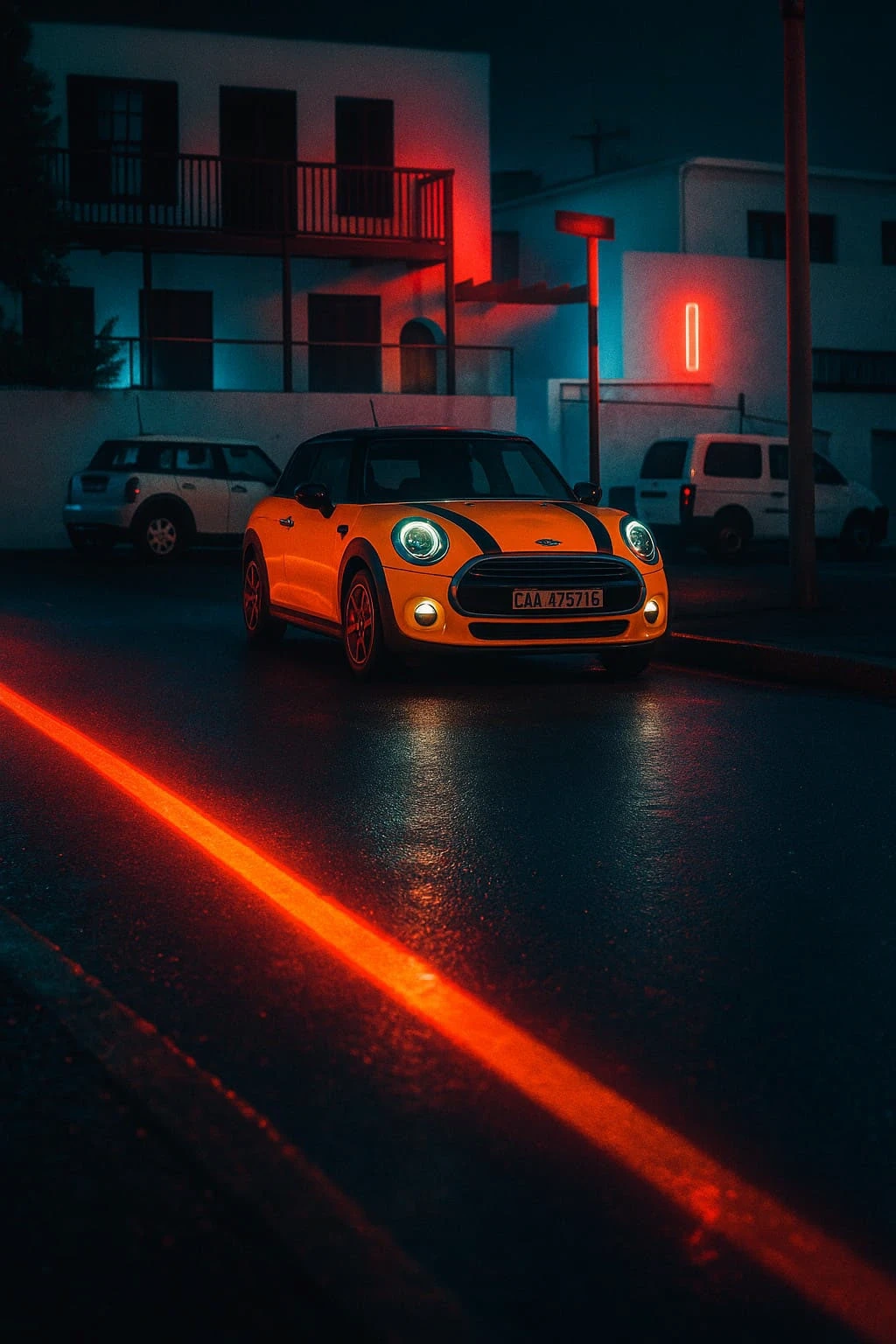
When I returned to Cape Town, I tried to compose unique street scenes with argmented lenses.
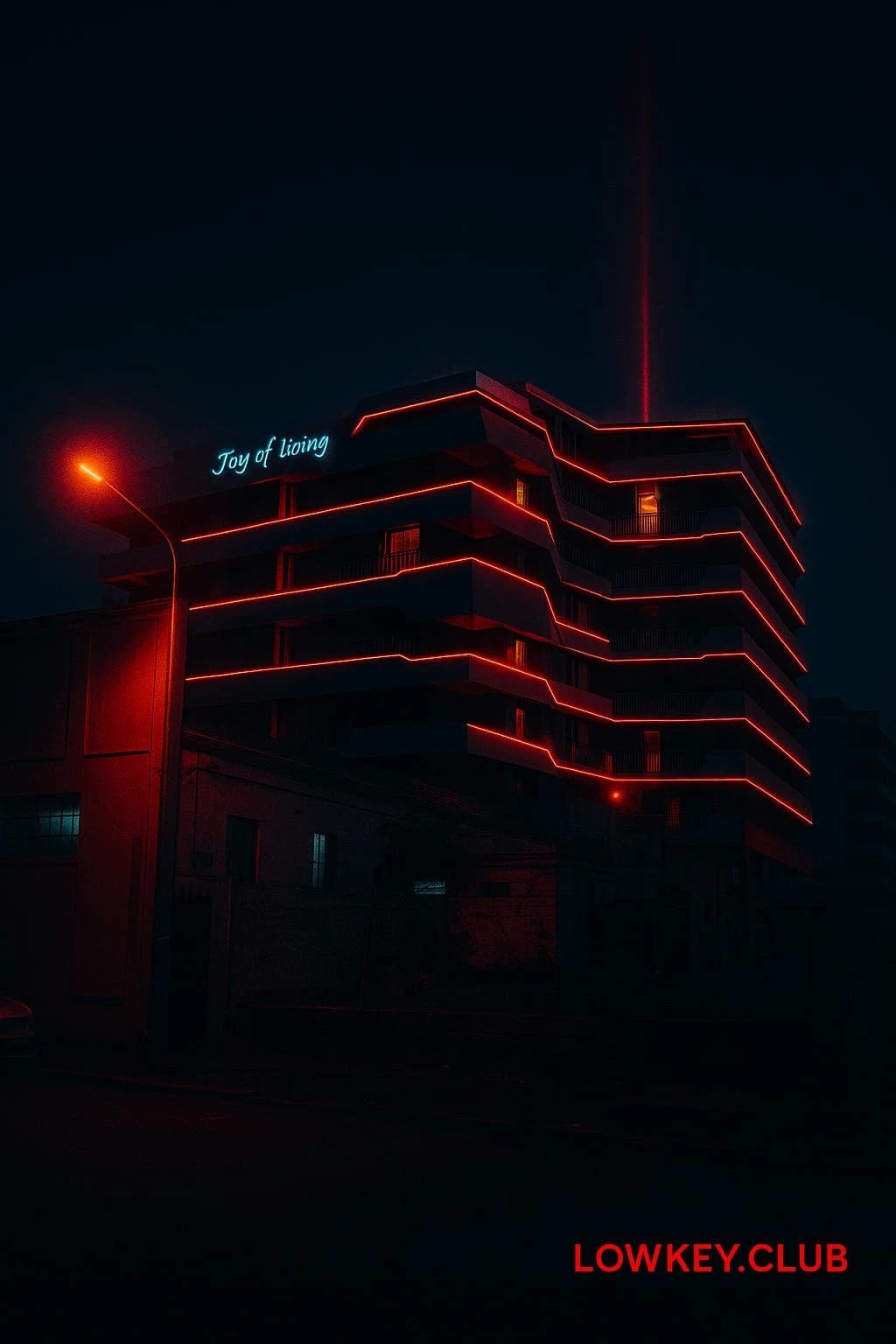
Neon Pulse set the tone.
A visual system built around the idea of Lowkey as a production engine, creating the machines of tomorrow.
The vehicle reference became a necessary anchor, giving the brand a sense of movement, engineering, speed, and future intent.
Less “car design”, more creative engine.
Less decoration, more propulsion.
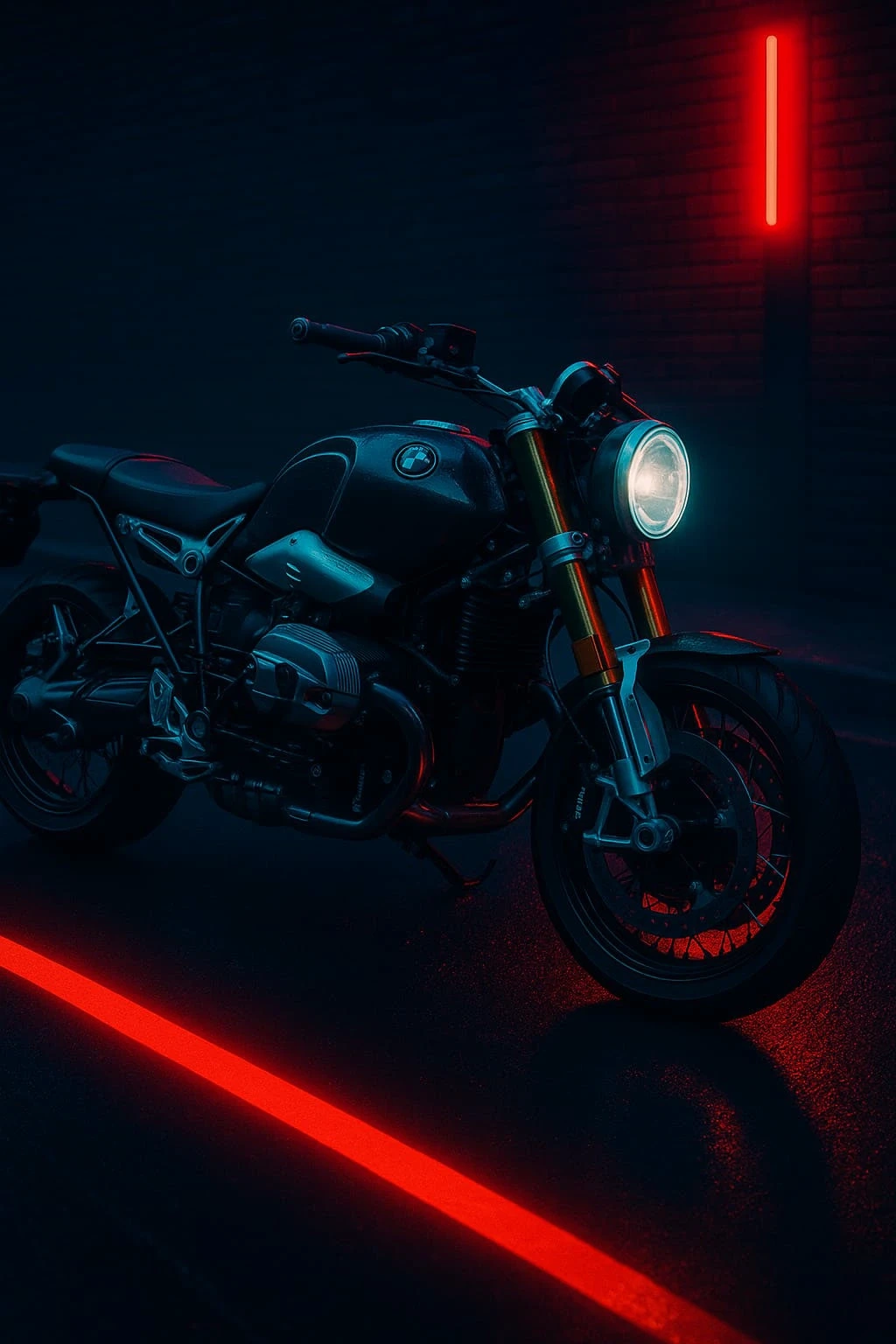
a shot key-visual as this motorbike scene was the inspiration for our cyber bike chop shop concept
Next, it was time to explore Movement <3
The Funnel Architecture
This case study also represents the development of a real multi-platform lead generation ecosystem.
Lowkey.Club currently operates across several interconnected touchpoints including LinkedIn, Behance, Contra, Carrd, and custom landing pages. Each platform serves a specific role within the funnel:
LinkedIn establishes authority and visibility
Behance acts as proof-of-work and SEO discovery
Carrd functions as a lightweight teaser and qualification layer
Lowkey.club delivers the deeper brand narrative
Contra handles service packaging and conversion
Other expressions of the core include: brandtarot.help | mylowkey.info | & mylowkey.store
Behind the scenes, I rcreated and un my own CRM tool-based operating system whoch tracks projects, ideas, leads, and future work + handles all estimates + invoices.
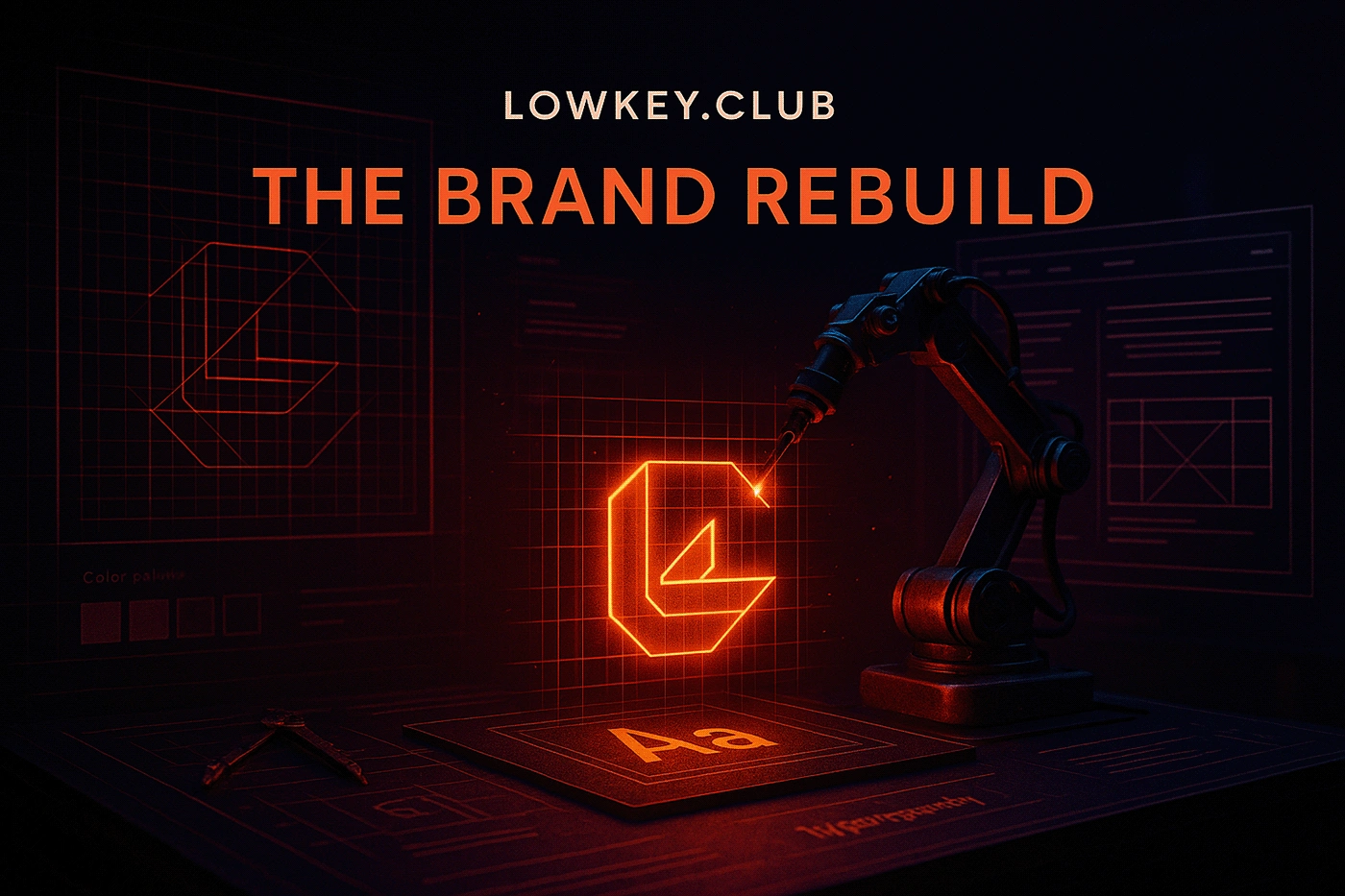
BRANDING IS AWLAYS A GOOD PLACE TO START.

followed BY A WEBSITE OVERHAUL. NEW LOOK, NEW BANK, NEW WAY TO DO BUSINESS
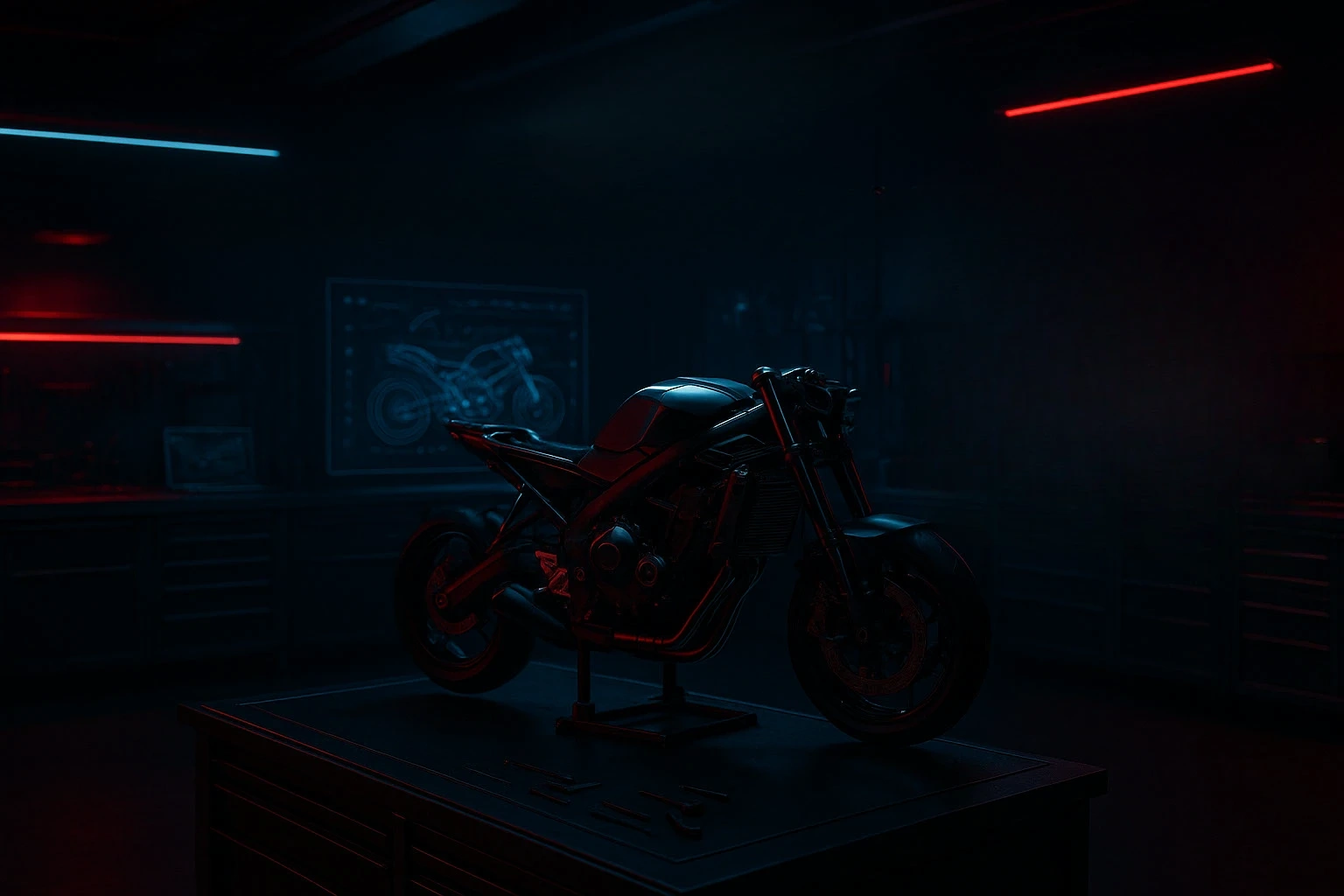
The cyber garage was a look a could not let go and so I implemented a few UI related screens as parallels of custom design work.
The cyber garage is where the MACHINES of TOMORROW get built at Lowkey.Club
The Brand Rebuild
“The Brand Rebuild” became one of the first formalised service products to emerge from the ecosystem.
The concept was designed to help founders rethink their identity from the ground up, not just visually, but structurally. This includes messaging, interfaces, motion systems, landing pages, visual consistency, and conversion pathways.
Instead of treating branding and UX as separate disciplines, the process merges them into a single operational system focused on traction and scalability.
Outcome
What began as exploratory visuals evolved into:
a functioning service business
a modular sales funnel
a scalable creative operating system
multiple launch-ready service products
and a recognisable visual language tied directly to business positioning
The project continues to evolve as an ongoing experiment in creative infrastructure, AI-native workflows, and high-performance digital branding.
Like this project
Posted Jan 2, 2026
Visual identity for Lowkey.Club built on AI-generated imagery (OpenAI), curated through structured creative review. Images were evaluated against a Lowkey mood.
Likes
0
Views
18