Trufl Partner & Manager App

Howie Y

Trufl Partner & Manager App
Table management that turns seats into revenue.
A hospitality platform that helps restaurants move beyond one-time transactions by turning reservations, waitlists, and guest data into long-term customer revenue.
Role
Lead UI/UX Designer
Type
SaaS · Mobile · Tablet
Year
2023
Deliverables
Product Design · UI/UX · Product Strategy · Design System
01 Brief
A revenue suite for full-service restaurants
Full-service restaurants run on their tables — the most valuable, most perishable inventory they have. Trufl was built to help operators get more out of every seat, from casual spots to fine dining.
Revenue, not just covers
Dynamic F&B minimums and guaranteed-seating commitments shift the model from 4-wall revenue to customer revenue.
Hospitality first
Waitlists, reservations, and customizable floor plans raise the level of service on every shift.
One operator suite
A single toolset to maximize revenue, increase profit, and run the floor end to end.
02 Problem
Restaurants leave money on the table
The current model doesn't understand a restaurant's most valuable customers — or maximize its most valuable hours.
An ancient booking model
Built for a time when guests frequented neighborhood restaurants run by people in their community.
Peak hours, flat pricing
Restaurants have peak hours and high-value customers but don't maximize revenue based on guest profile.

No view of guest LTV
Little understanding of how guest lifetime value can or should shape the booking process.
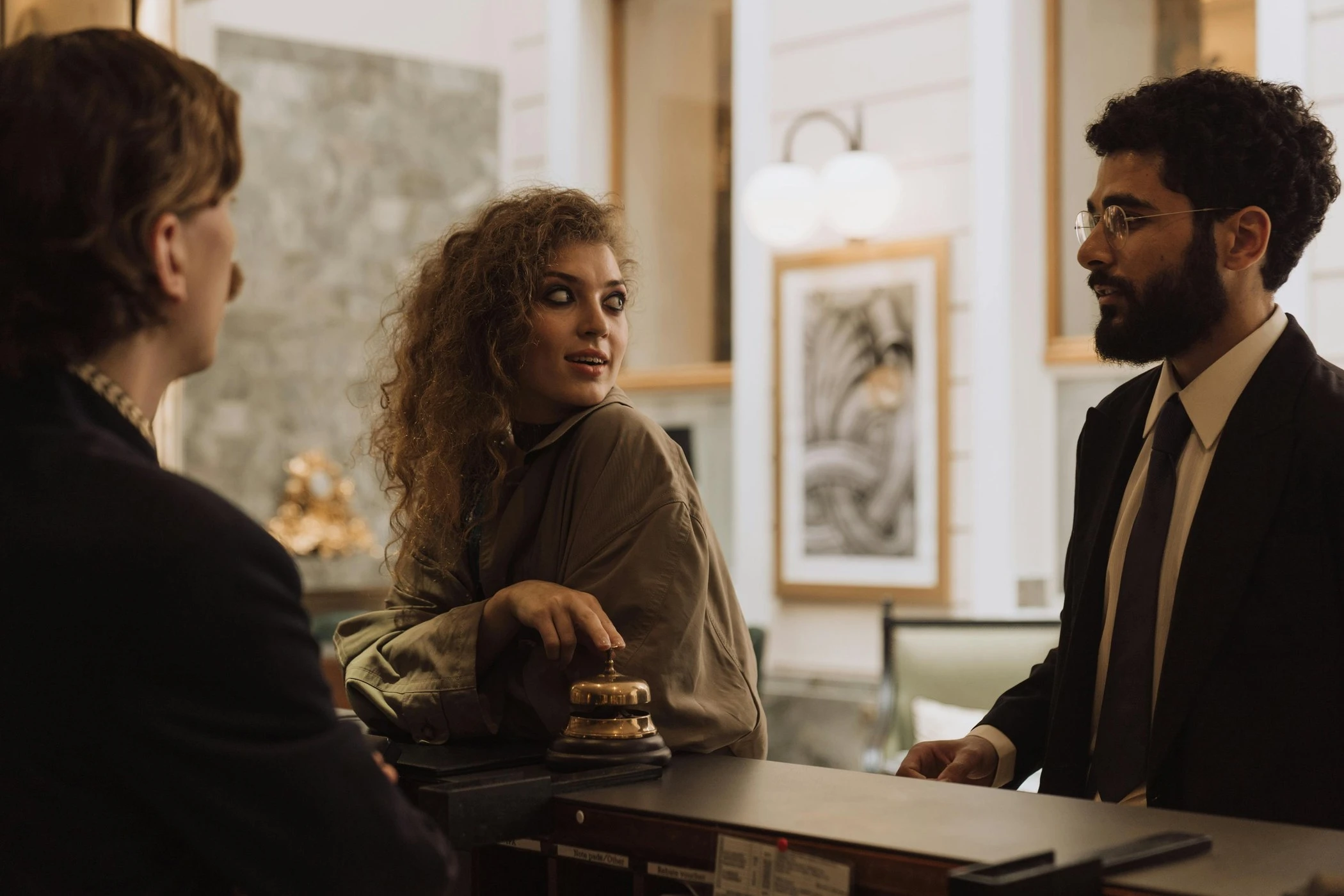
Guests want more
Diners want secured seating, a tailored experience, and rewards for their dining activity.
03 Insight
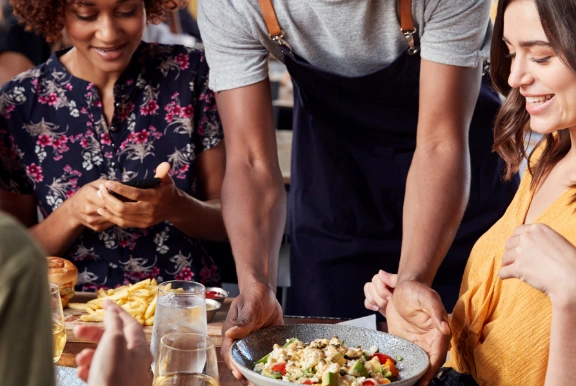
Trufl changes the industry's focus from 4-wall revenue to customer revenue.
Identify high-value guests on the first visit, build strong follow-on incentives, and grow guest lifetime value — instead of treating every seat the same.
04 Opportunity
Increase per-seat revenue, like a hotel
Yield management for the dining room: make more revenue during peak times using dynamic food and beverage minimums, increasing per-seat revenue based on demand the way a hotel prices its rooms.
05 Goal
From covers to customer value
Success was defined across three lenses — what guests needed, what the business needed, and what the design team had to build to get there.
User goals
Streamline reservations and waitlist management
Enhance staff scheduling for seamless shift management
Enhance guest experience and satisfaction
Strengthen customer engagement and loyalty
Increase revenue
Business goals
Simplify dining reservations and enhance restaurant visibility
Drive restaurant revenue and optimization
Increase operational efficiency and restaurant satisfaction
Increase contracts and subscriptions
Design goals
Improve overall product usability
Improve brand consistency & recognition
Drive cross-team collaboration
06 Solution
One suite to run the floor and grow revenue
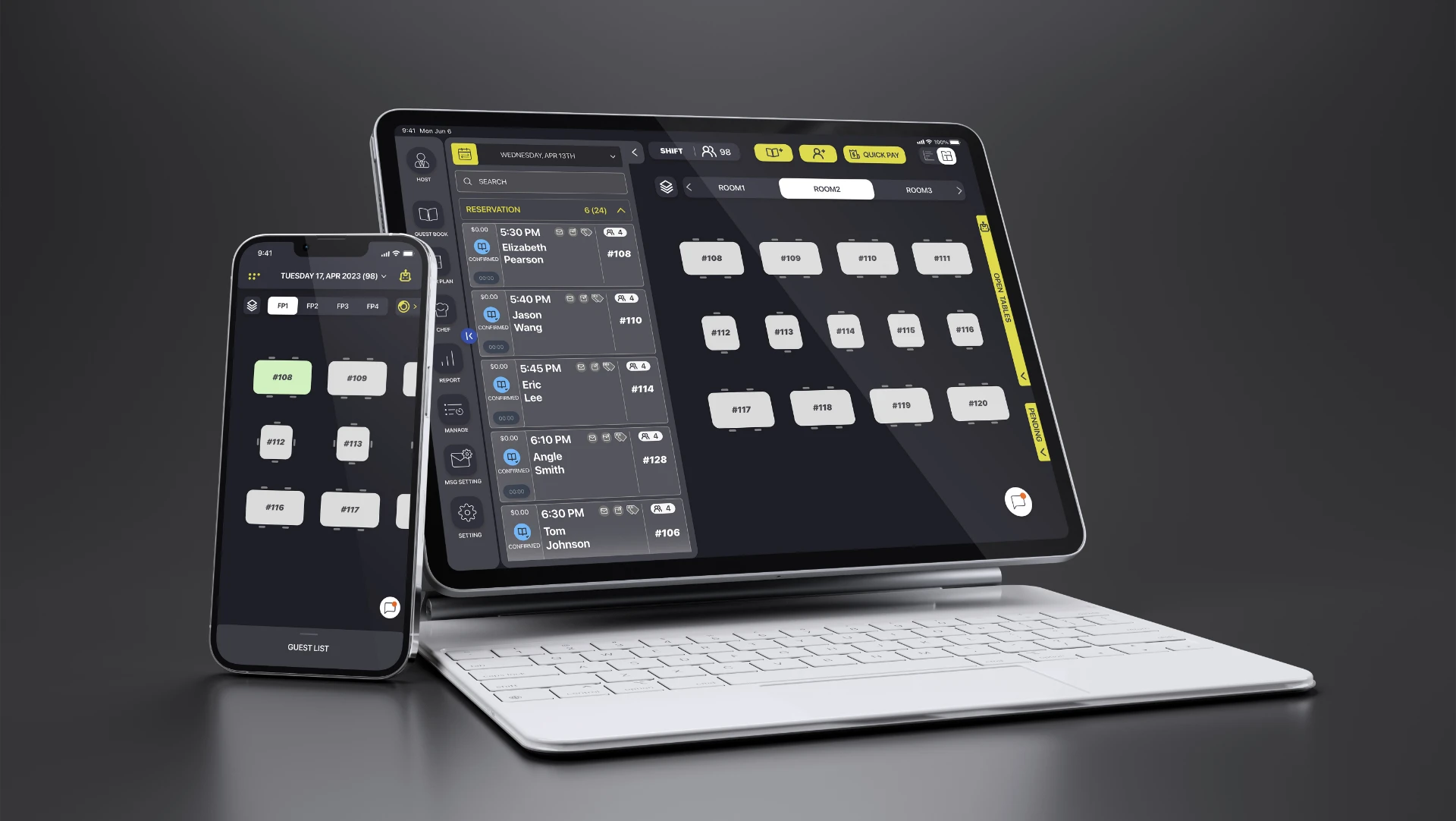
The Trufl Partner & Manager apps are a comprehensive hub that helps restaurants optimize seating capacity and service efficiency through innovative table-management tools — boosting return on every shift.
Faster table turnover
Smooth control over waitlists and reservations streamlines turnover and reduces guest wait times in the front of house.
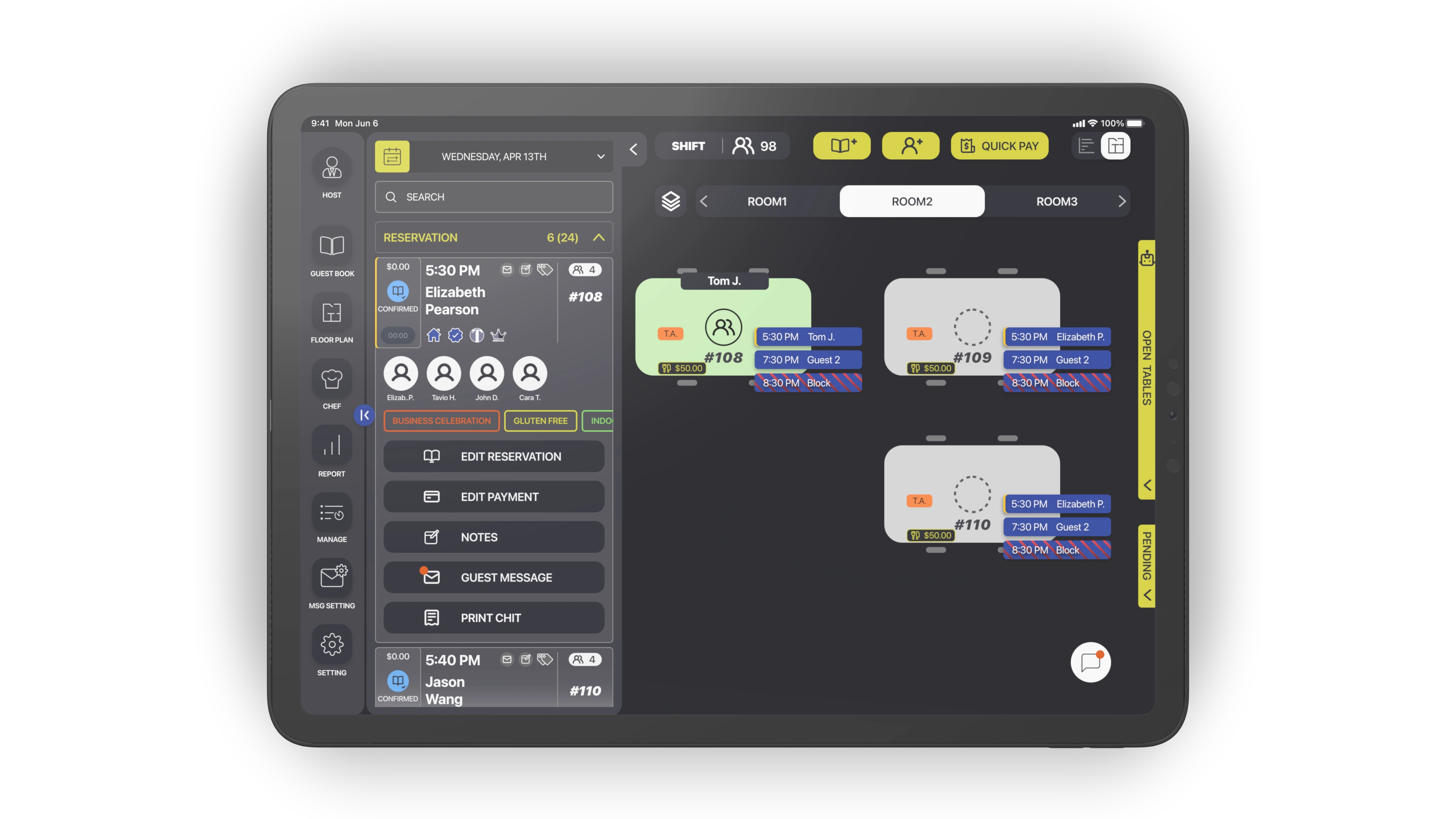
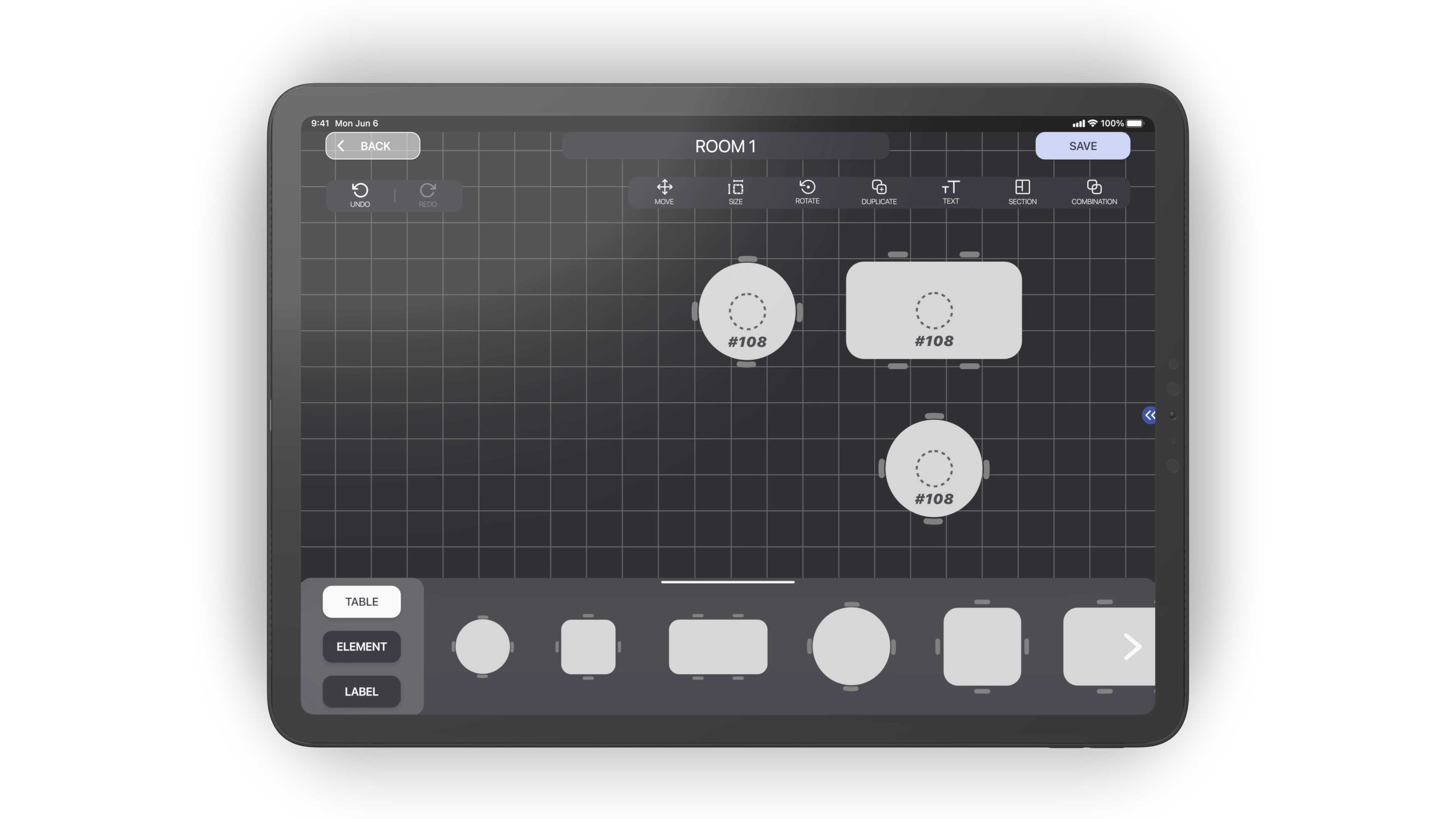
Floor plan customization
Operators easily customize floor plans, optimizing seating to maximize capacity and the dining experience.
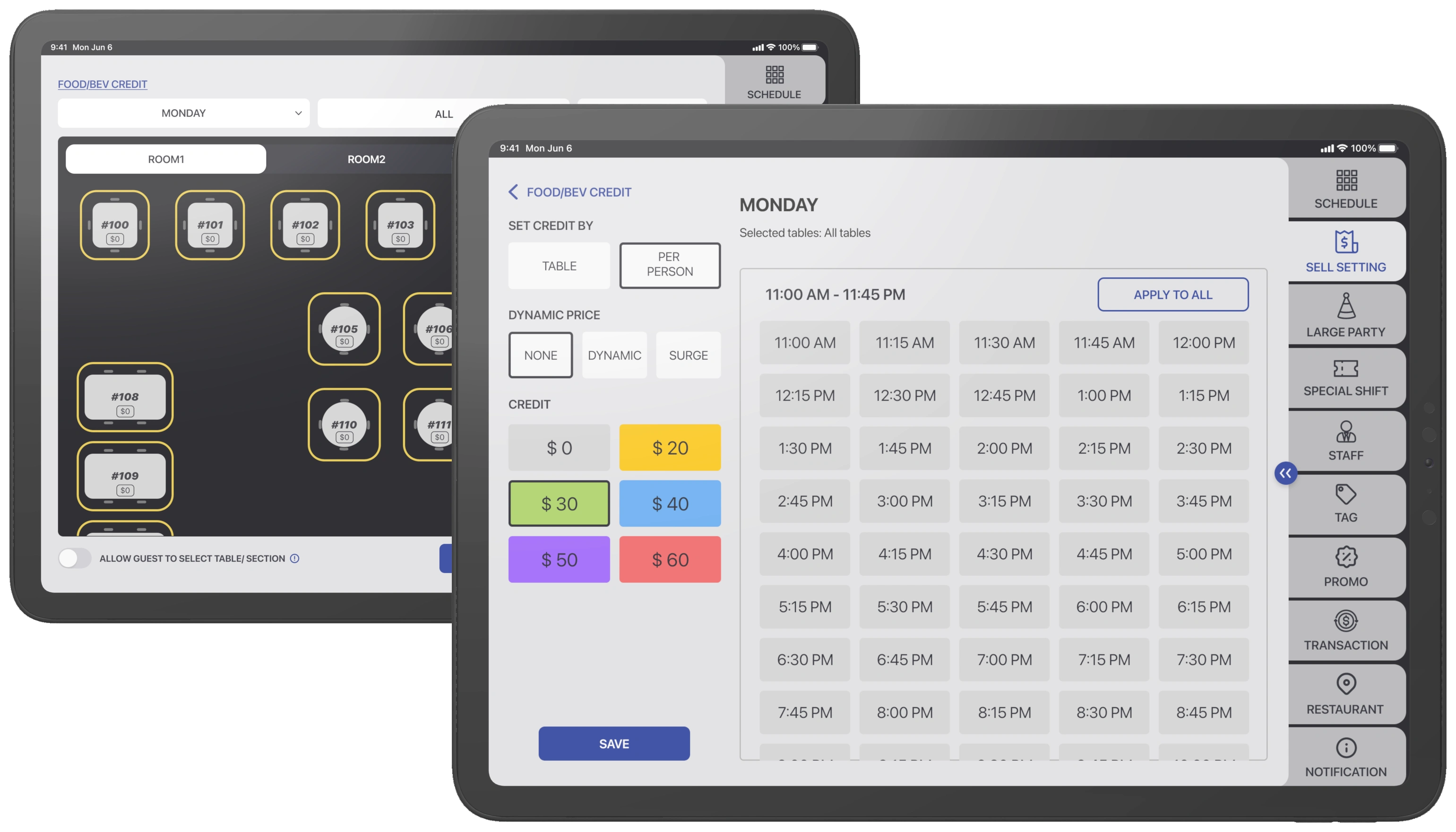
Revenue maximization
Dynamic pricing and minimum-spend options for food and beverage capture demand strategically.
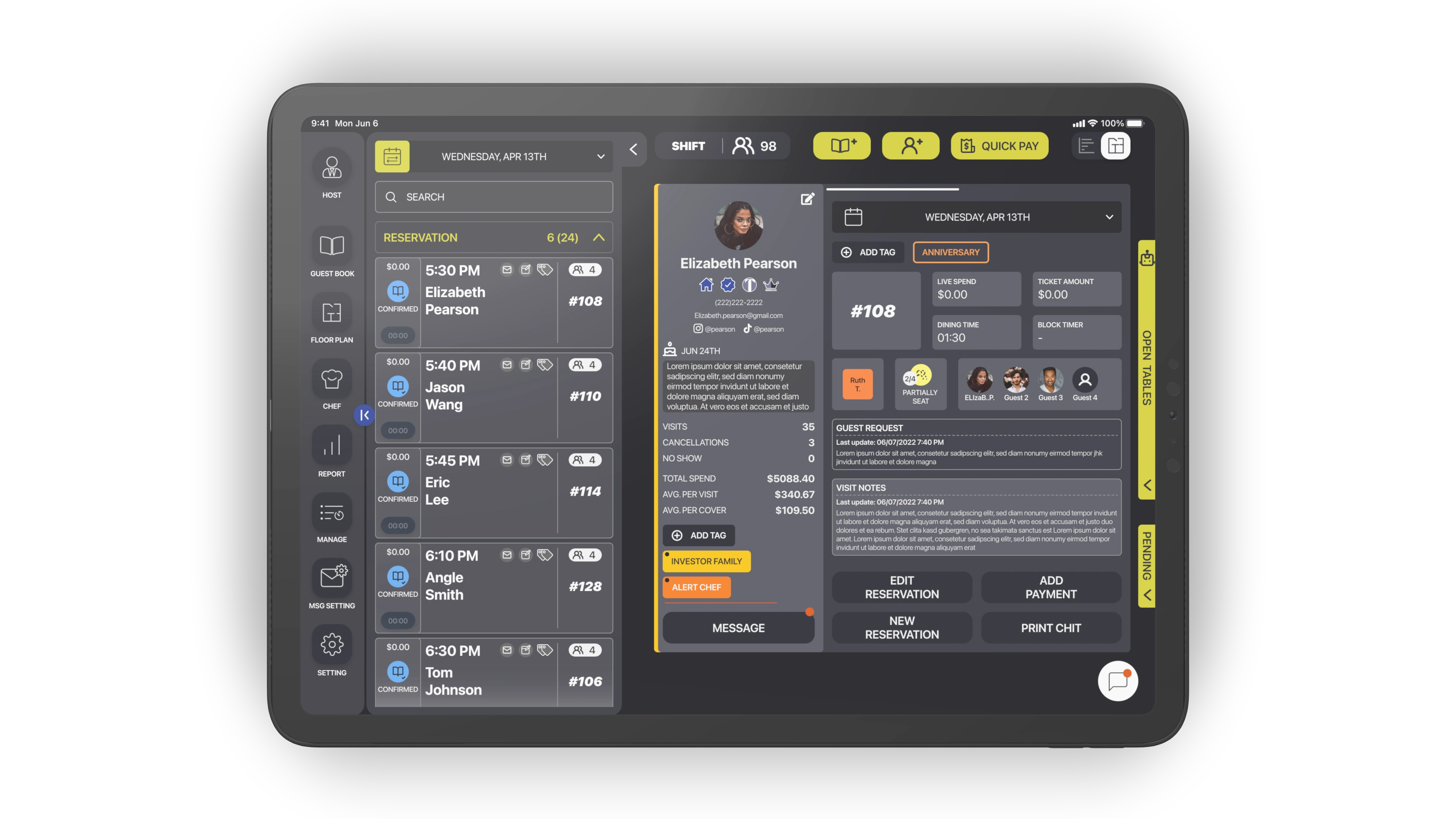
Enhanced guest experience
Efficient waitlist and reservation management, personalized service, and optimized seating.
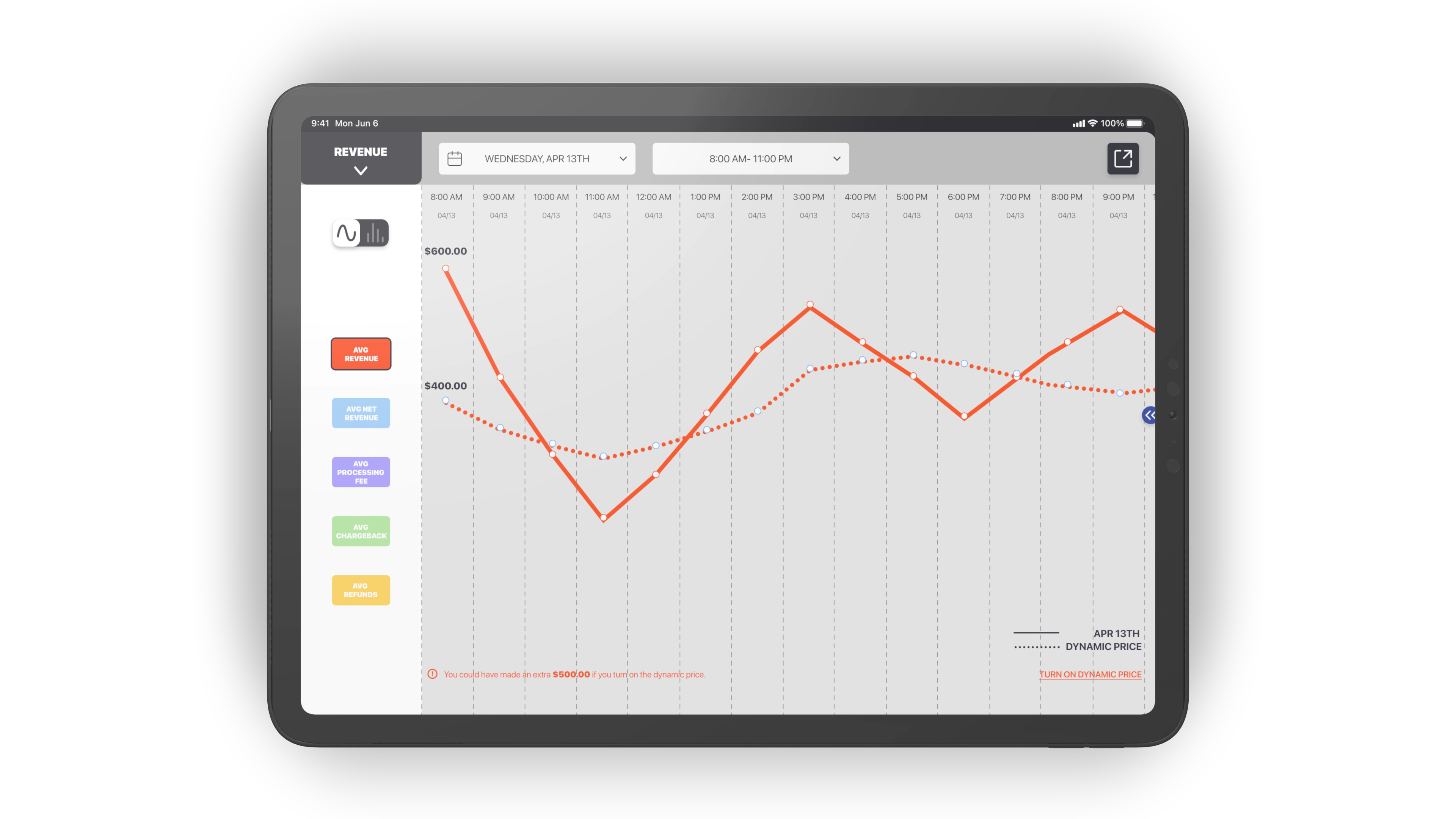
Data-driven insights
Oversee and expand the business at every phase, guided by data and top-tier support.
Establish new revenue streams
Offer a range of ticketing options, curate additional items for purchase, and introduce special shifts to enhance revenue generation.
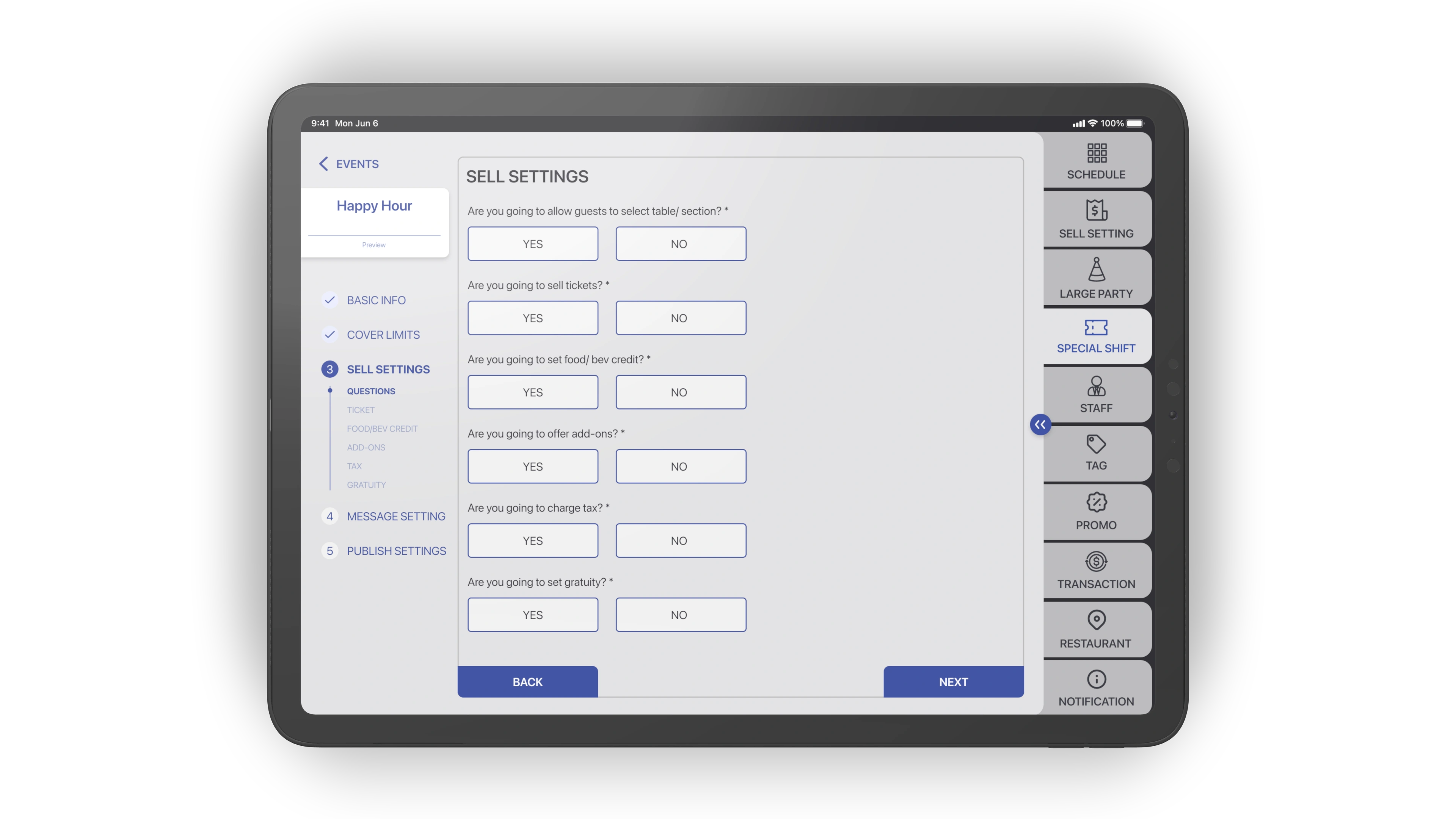
Real-time monitoring
Track restaurant activity and reservation spend from anywhere, at any time, to make informed decisions on the move.
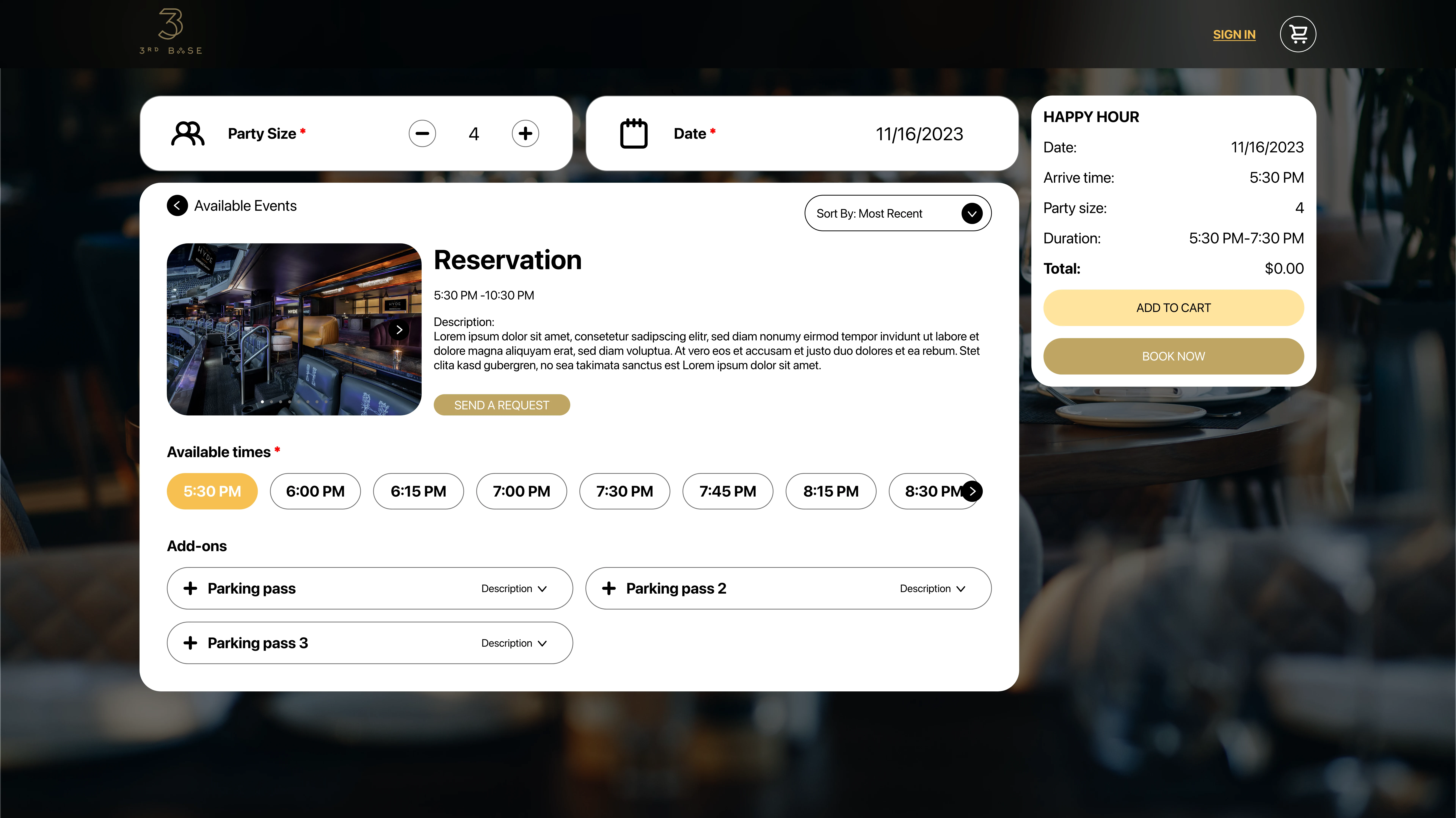
Guest-facing booking
Diners pick party size, date, and time, browse available events, add extras, and book in a few taps — with a clear cart and transparent pricing.
07 Design process
The thinking behind the experience
Behind every screen is a series of interconnected decisions. This section explores how customer needs, business goals, booking mechanics, brand principles, and system design worked together to shape a cohesive and scalable product experience.
Guest experience
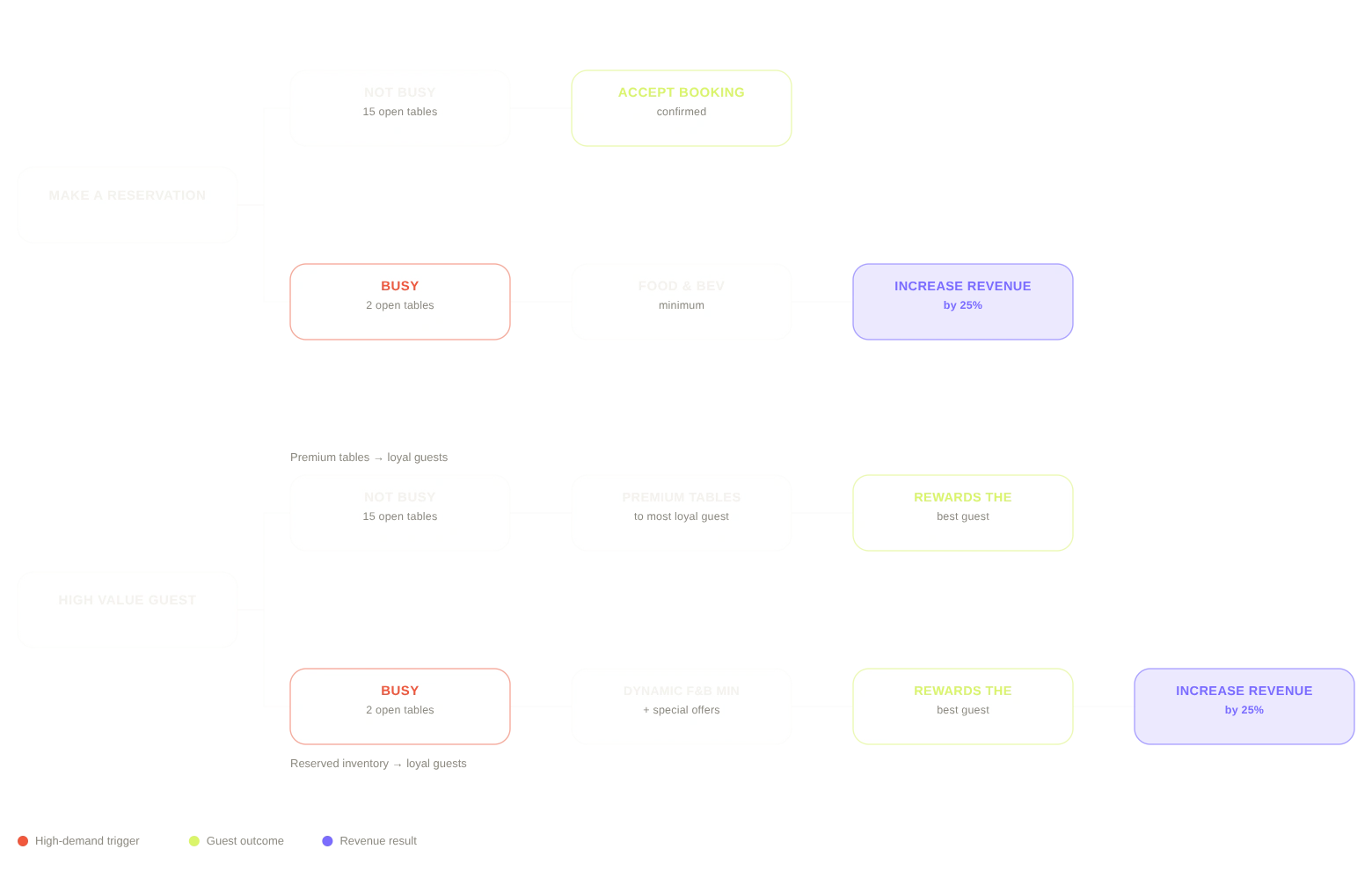
The booking flow adapts to demand and to how valuable a guest is. When a restaurant isn't busy, reservations are simply accepted; when only a couple of tables remain, dynamic food & beverage minimums convert scarce inventory into roughly 25% more revenue per seat. High-value, loyal guests get premium tables and reserved inventory plus rewards — protecting peak-hour yield while making the best customers feel recognized.
Market research
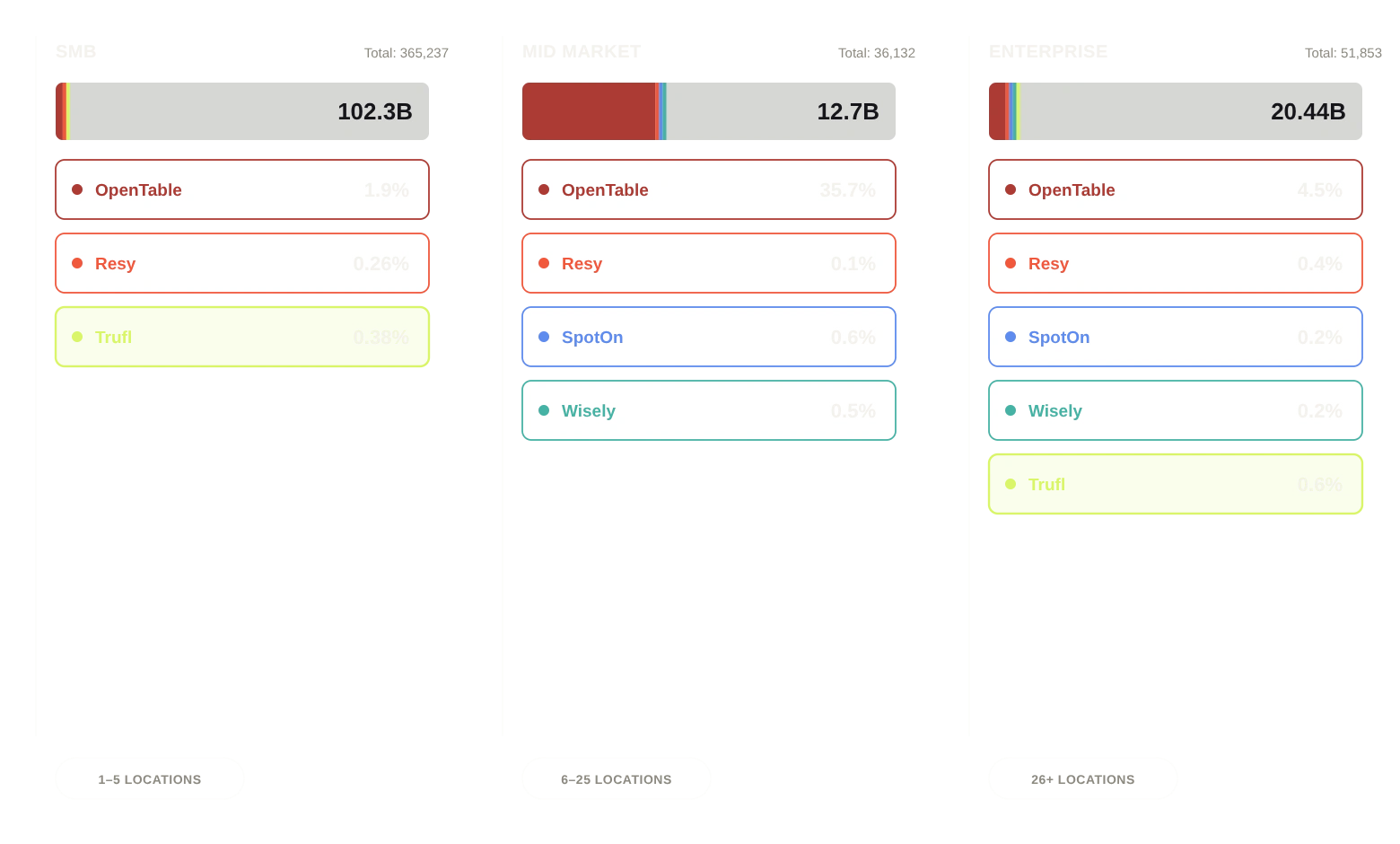
Trufl's customers are SMB and enterprise restaurants, most of whom had never used booking software. Incumbents like OpenTable and Resy dominate only the mid-market — roughly 36% of the smallest slice — while SMB (365K+ venues) and enterprise (51K+ venues) remain near-empty white space. Their go-to-market was driven by who would pay SaaS, not by opportunity size, so the way in is business-model innovation rather than feature parity. (Projection based on Q2 2023 Google data.)
Revenue model
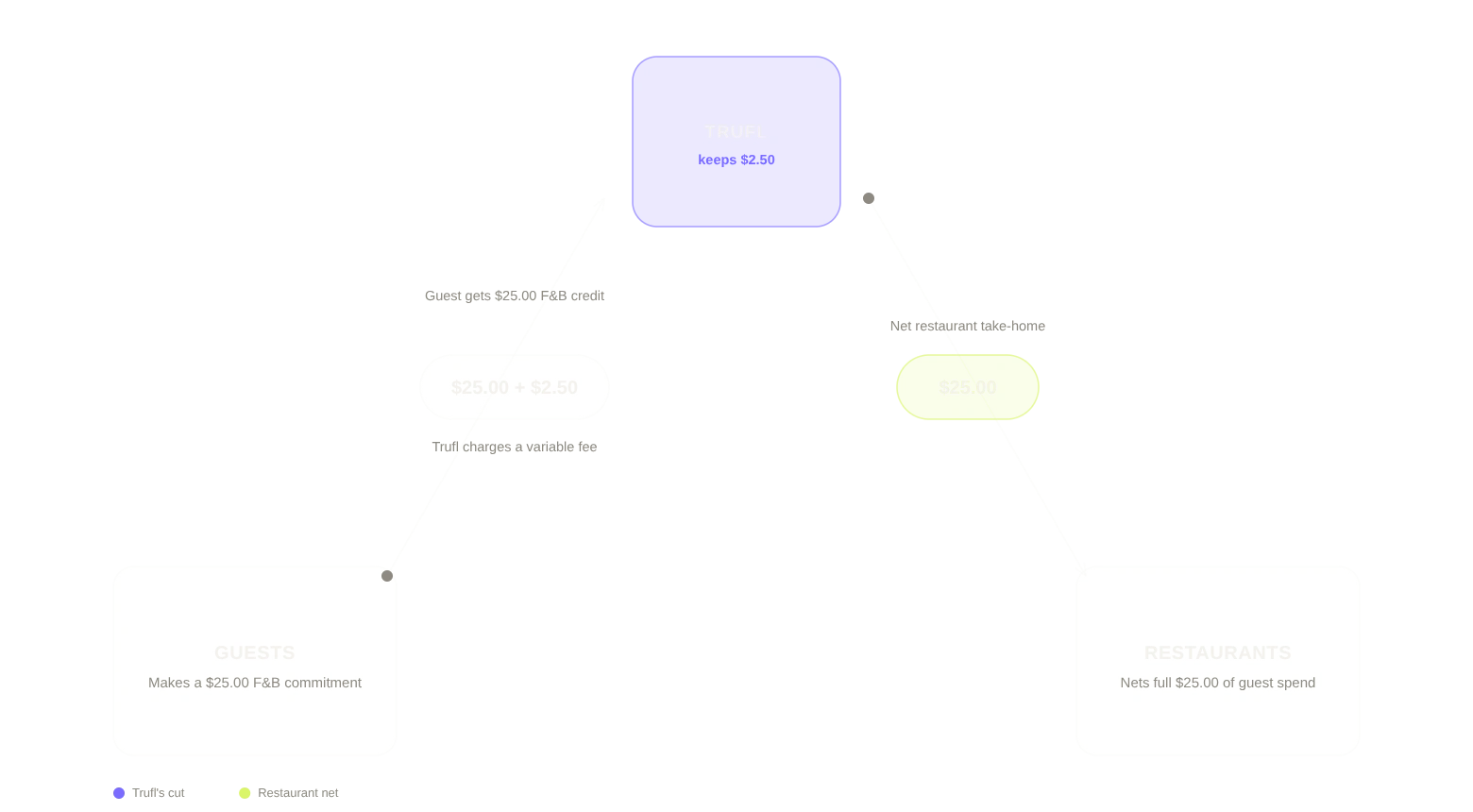
A two-sided model that aligns everyone. A guest makes a $25 food & beverage commitment; Trufl charges a small variable transaction fee, keeping $2.50, while the restaurant nets the full $25 of guest spend. Diners get credit they'd spend anyway, restaurants capture committed demand, and Trufl earns on every transaction instead of a flat subscription.
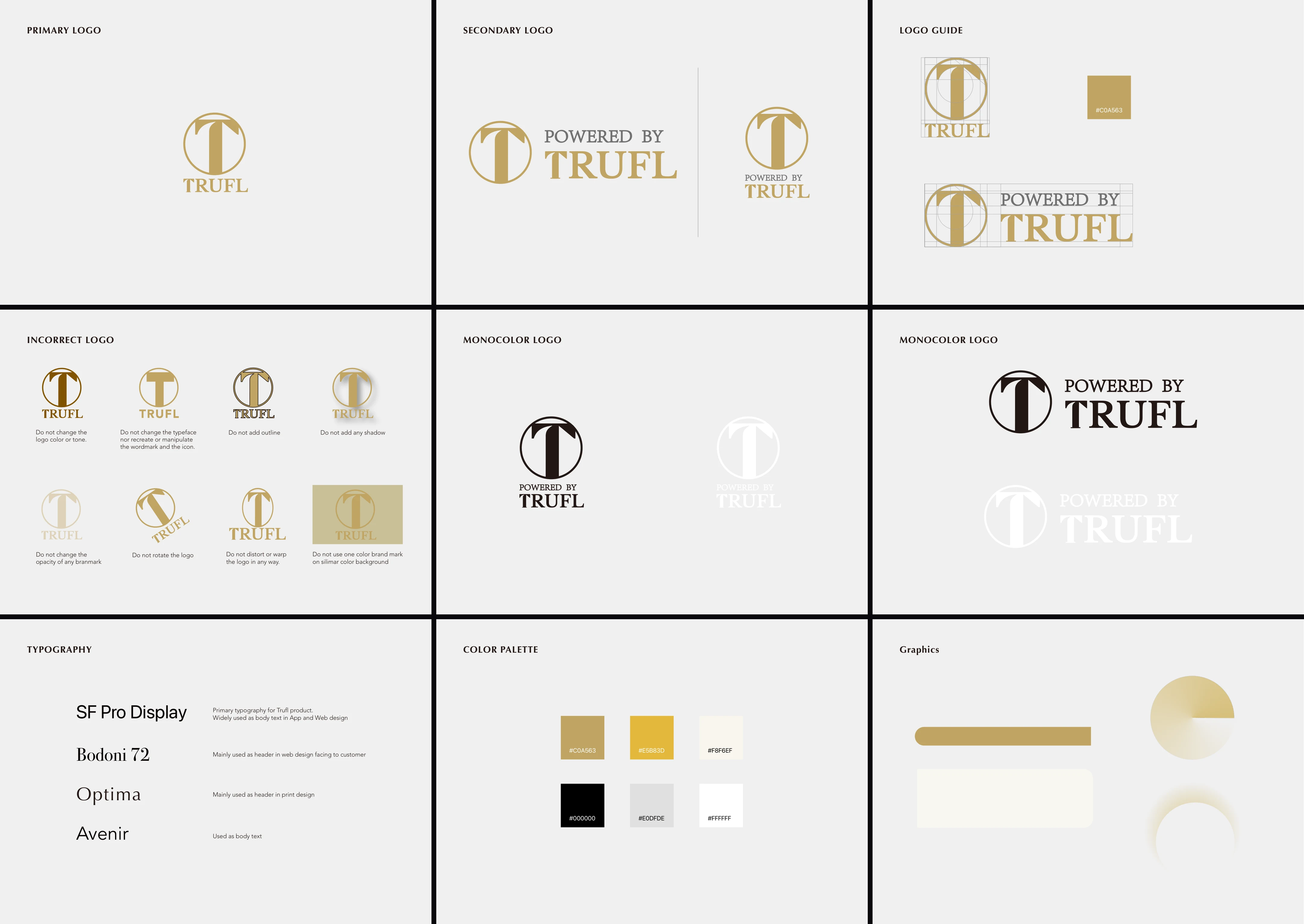
Trufl style guide
A brand foundation covering logo usage, typography, and color. SF Pro Display carries product UI, Bodoni 72 anchors customer-facing headers, with Optima and Avenir for print — paired with a tight palette built around the gold #C0A563, black, and warm neutrals. Clear misuse rules keep the wordmark and brand mark consistent across product, web, and print.
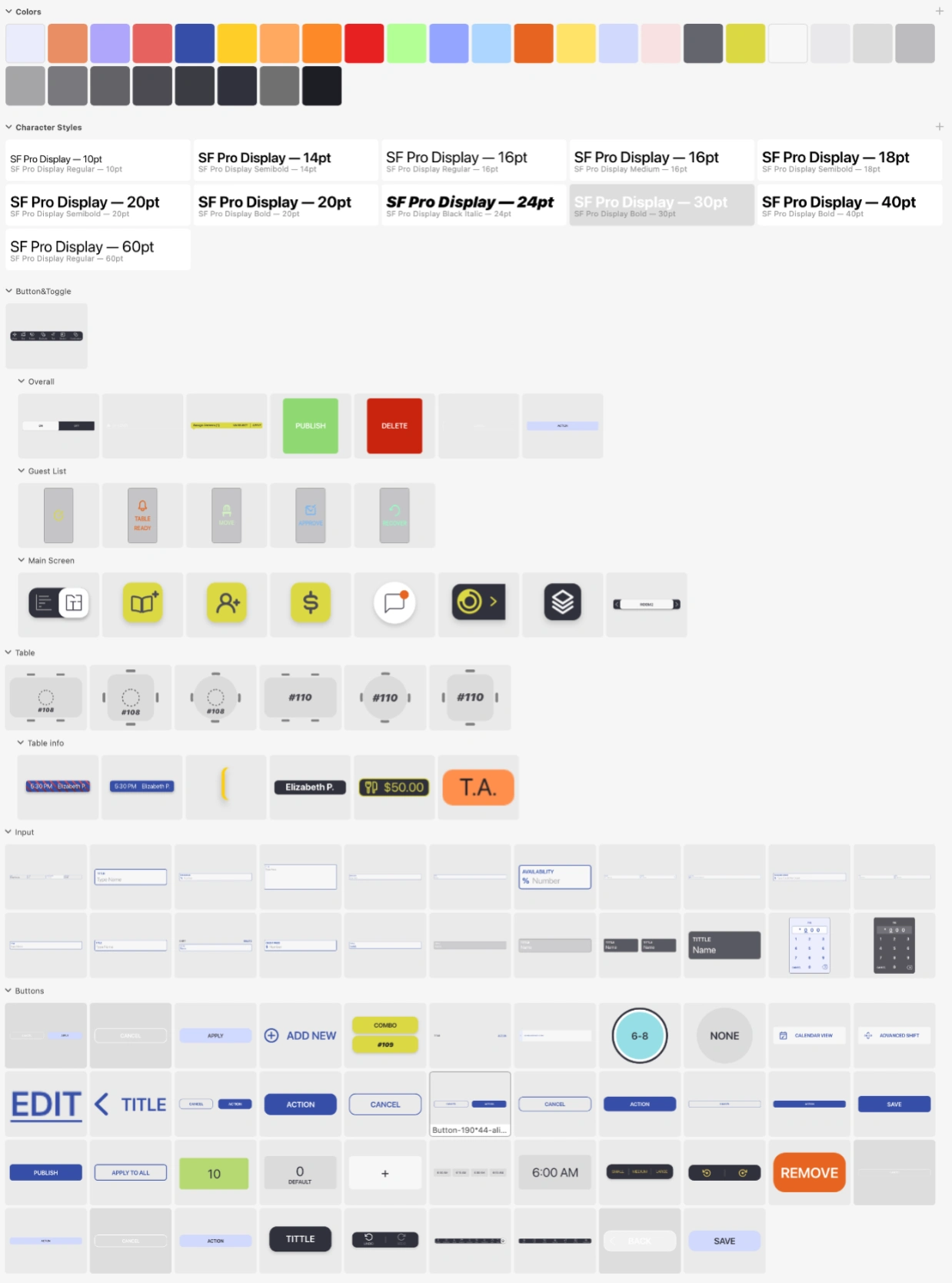
Design system
A comprehensive component library built in Figma: color tokens, SF Pro Display type styles, and an extensive icon and tag set. It scales from mini cards, guest states, and table objects to containers, inputs, buttons, and toggles — so the Partner and Manager apps stay consistent and fast to build across every screen and state.
Usability test
A full round of testing: a pre-session survey on background and prior software, a recorded usability test measuring completion, time on task, and error rates, and a post-session survey across eight participants. Synthesizing video, notes, and ratings surfaced friction — too many ways to assign tables, small tap targets, swipe confusion — which drove concrete refinements like adding table-group and duplicate actions, clearer hierarchy, a publish button, and a darker floor-plan background.
Like this project
Posted Jun 9, 2026
A comprehensive hospitality platform enhancing restaurant revenue through customer engagement strategies.
Likes
0
Views
5
Tags