
SLIXEL: Product Design Portfolio Built in Framer
SLIXEL is my personal product design portfolio, designed and built from the ground up to combine product work, interactive storytelling, real-time 3D, and experimental web interactions in one system.
The site was designed in Figma and built in Framer, with custom WebGL experiences created using Three.js and React Three Fiber. 3D assets and character animation were prepared in Blender and integrated into the site as optimized GLB models. Custom code components handle animation, media, interaction states, and performance across desktop and mobile.
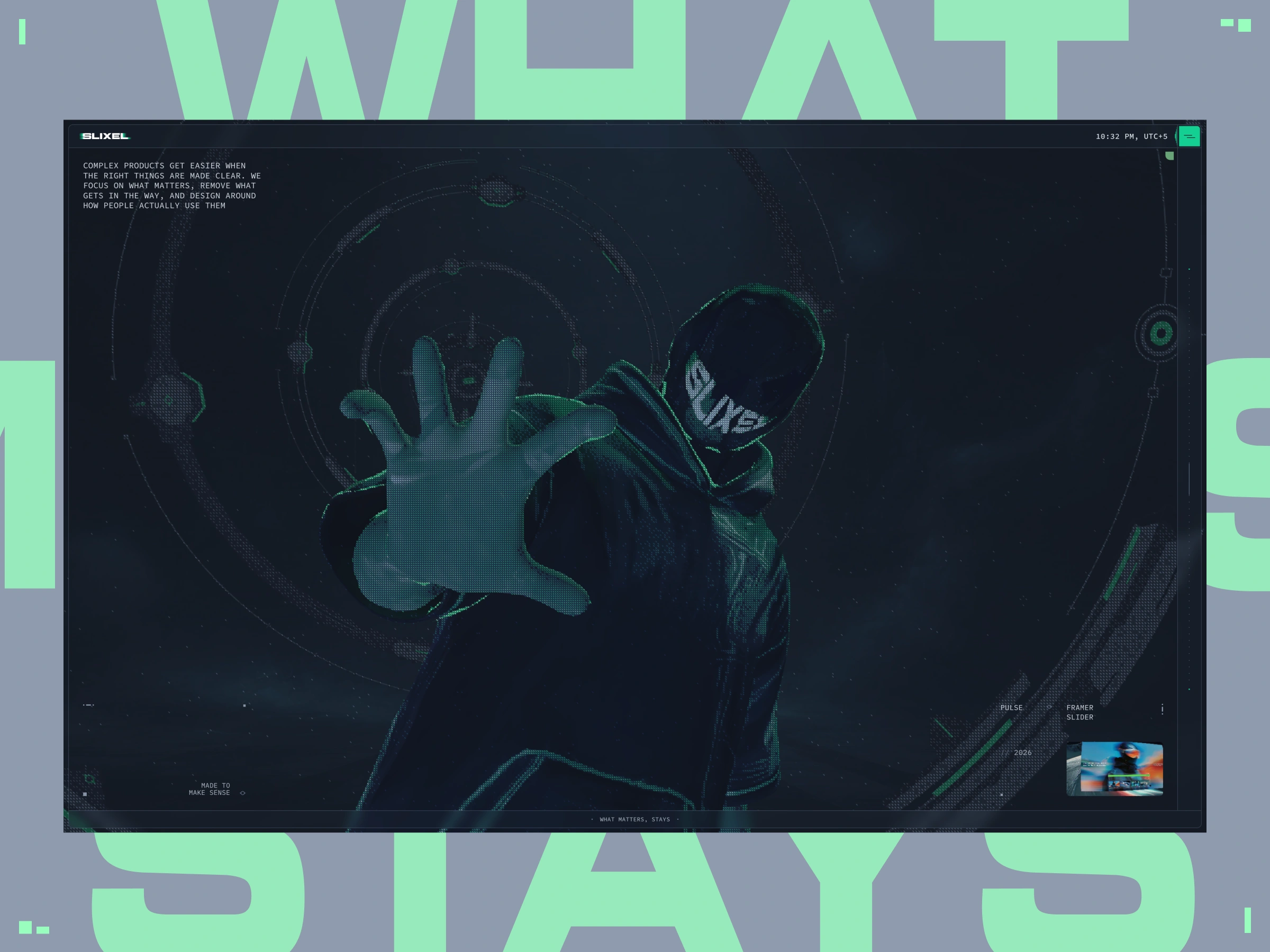
A real-time 3D hero built for interaction
The homepage hero uses a custom WebGL scene with an animated 3D character, procedural HUD graphics, lighting, particles, and interaction states. The scene is rendered with Three.js / React Three Fiber and controlled directly inside Framer through custom code components.
The character was prepared and animated in Blender, exported as GLB, and optimized for browser rendering. Different poses, camera states, and visual effects are triggered through scroll and interface interactions rather than playing as a pre-rendered video.
Scroll-driven 3D transitions
The hero moves between character poses and visual states inside the same WebGL scene. Animation, camera behavior, lighting, blur, and HUD layers are coordinated to keep the transition continuous without reloading the 3D environment.
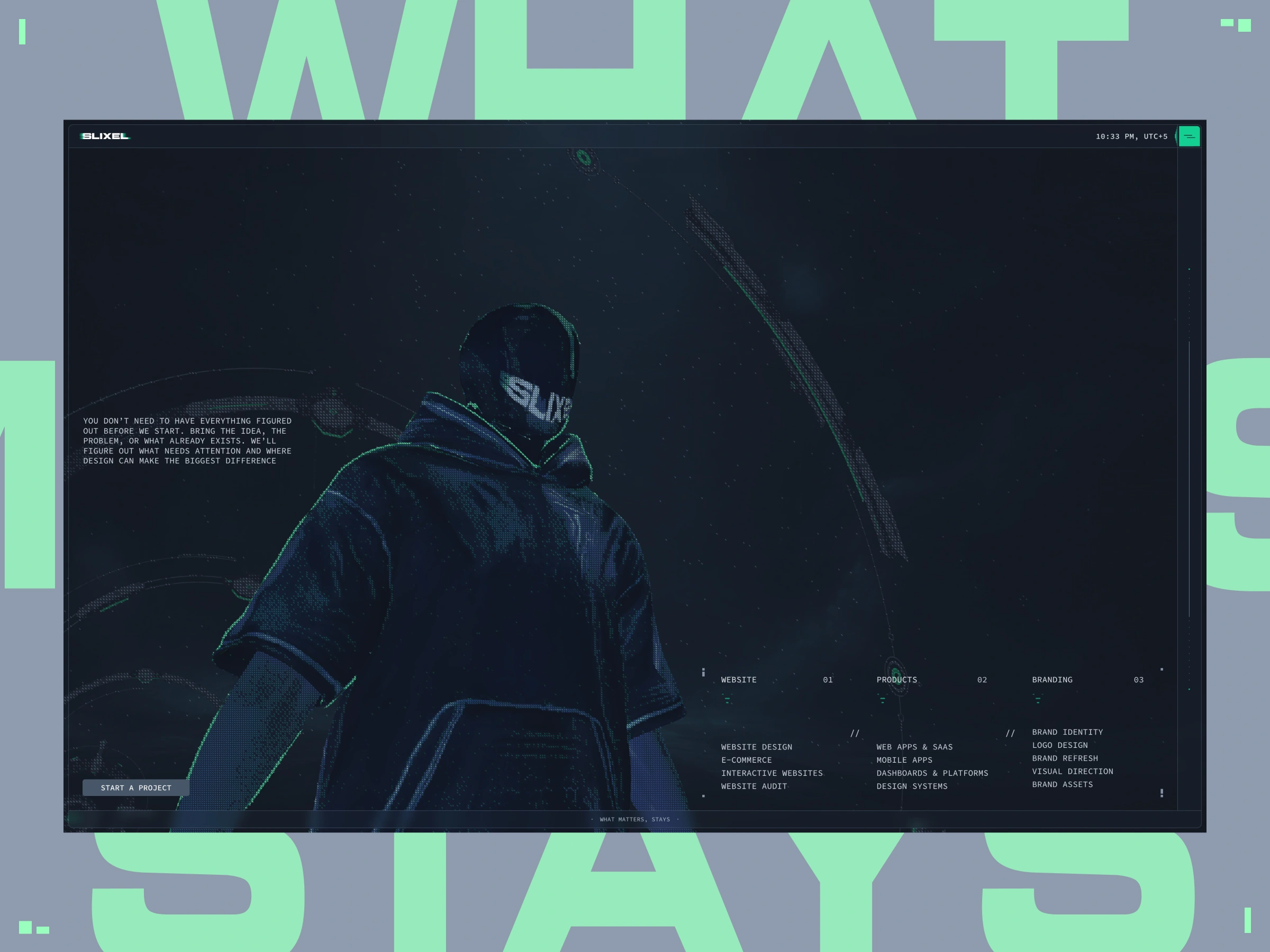
One 3D system, multiple visual states
The main 3D scene was designed to support multiple poses and visual configurations without loading separate scenes. Character states, background graphics, lighting, blur, and motion parameters are reused and switched dynamically.
This keeps the experience visually rich while reducing unnecessary WebGL overhead and duplicated assets.
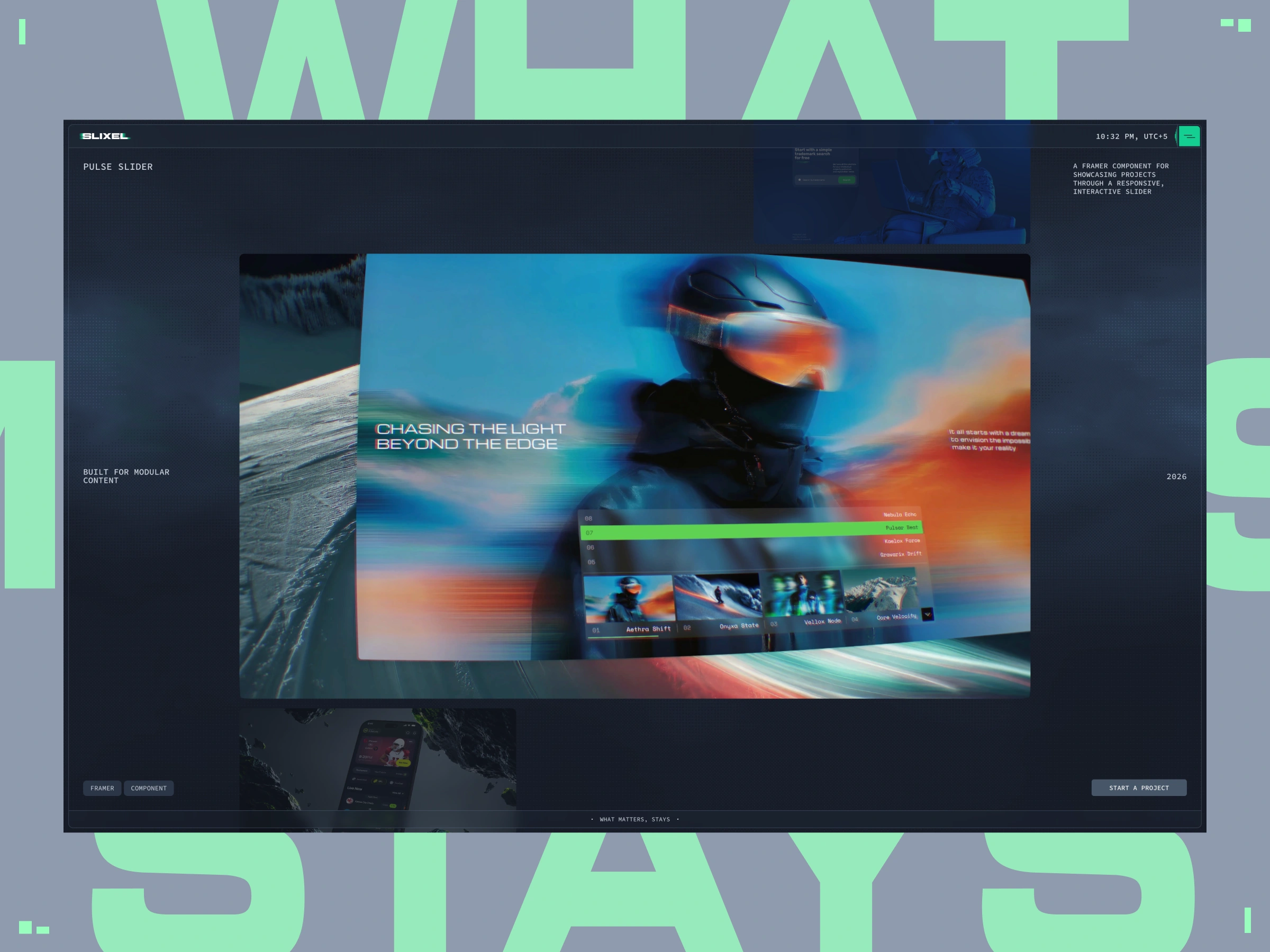
Case studies connected to the same visual language
Project pages and previews were designed as part of the same system rather than separate templates. Typography, spacing, media treatment, transitions, and interaction patterns stay consistent while each project keeps its own visual identity.
Framer CMS is used for structured project content, while custom components handle richer media, video, and interactive presentation where the native layout is not enough.
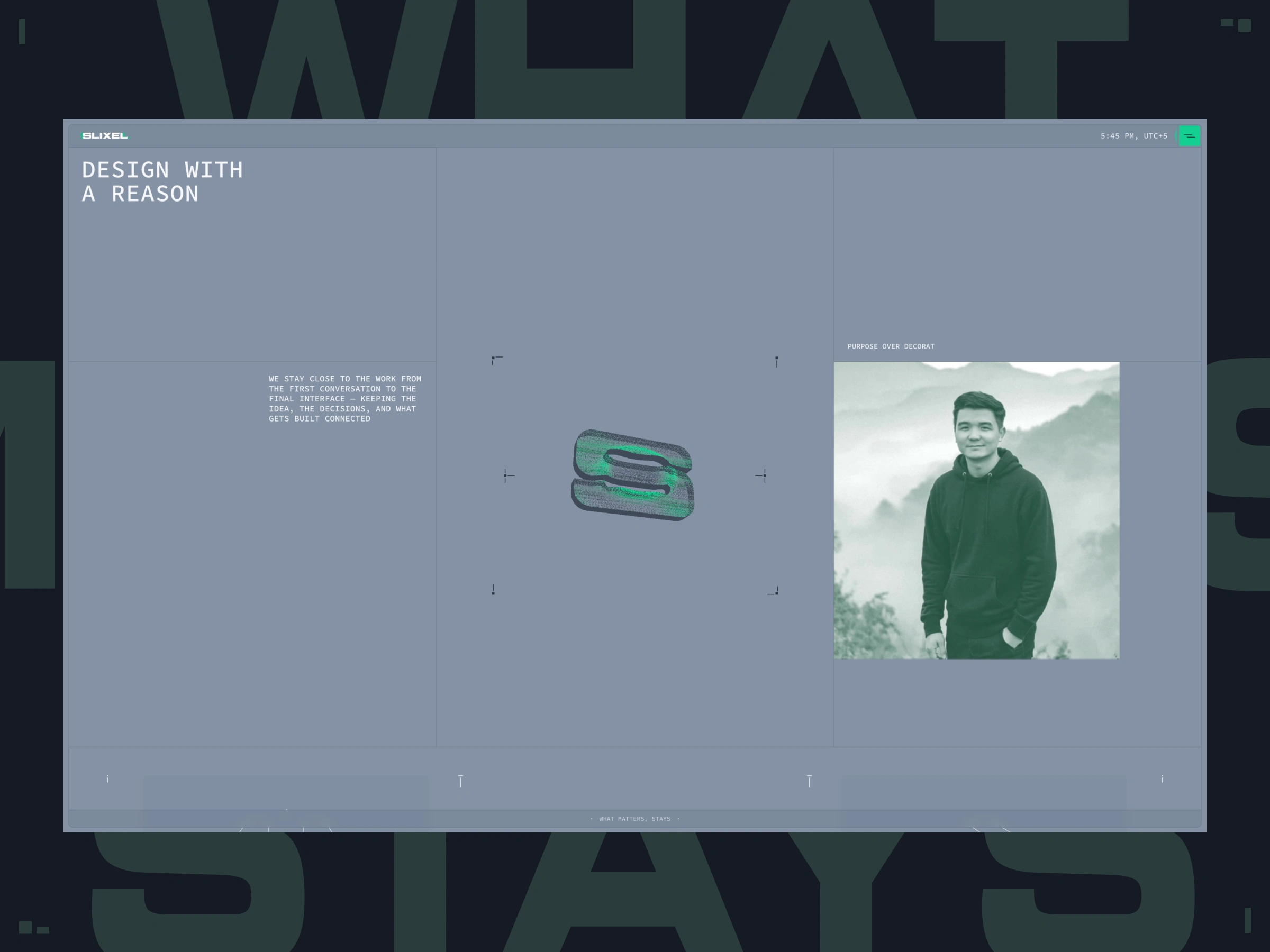
Editorial structure outside the dark visual system
The About experience uses a lighter editorial direction to separate personal information from the darker portfolio sections while keeping the same typography, spacing logic, and interaction language.
The page combines structured content, custom graphics, and responsive layouts without turning the portfolio into a purely decorative experience.
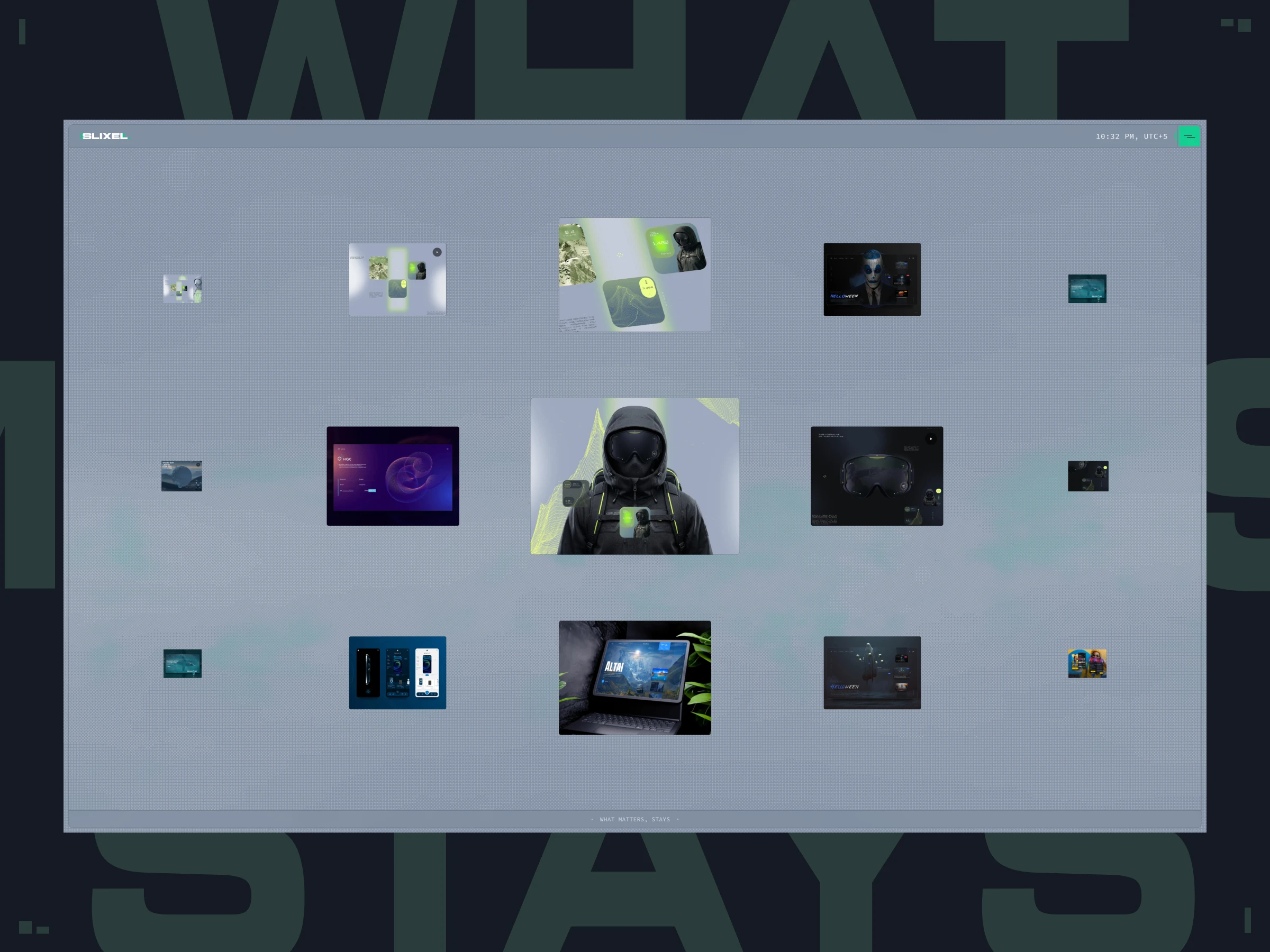
Projects presented as a spatial system
The work section was designed as more than a standard project grid. Projects are placed inside a spatial interactive environment where scale, perspective, motion, and navigation help create a stronger sense of depth while keeping access to the portfolio simple.
Custom interaction logic controls movement, hover states, media loading, and transitions. The visual layer is designed to feel experimental, while the underlying navigation remains predictable and usable.
0 likes · 6 views · Oct 5, 2026
Designed and built a product design portfolio using Framer and WebGL.


