Design Sprint for Meta

Denis Lesak
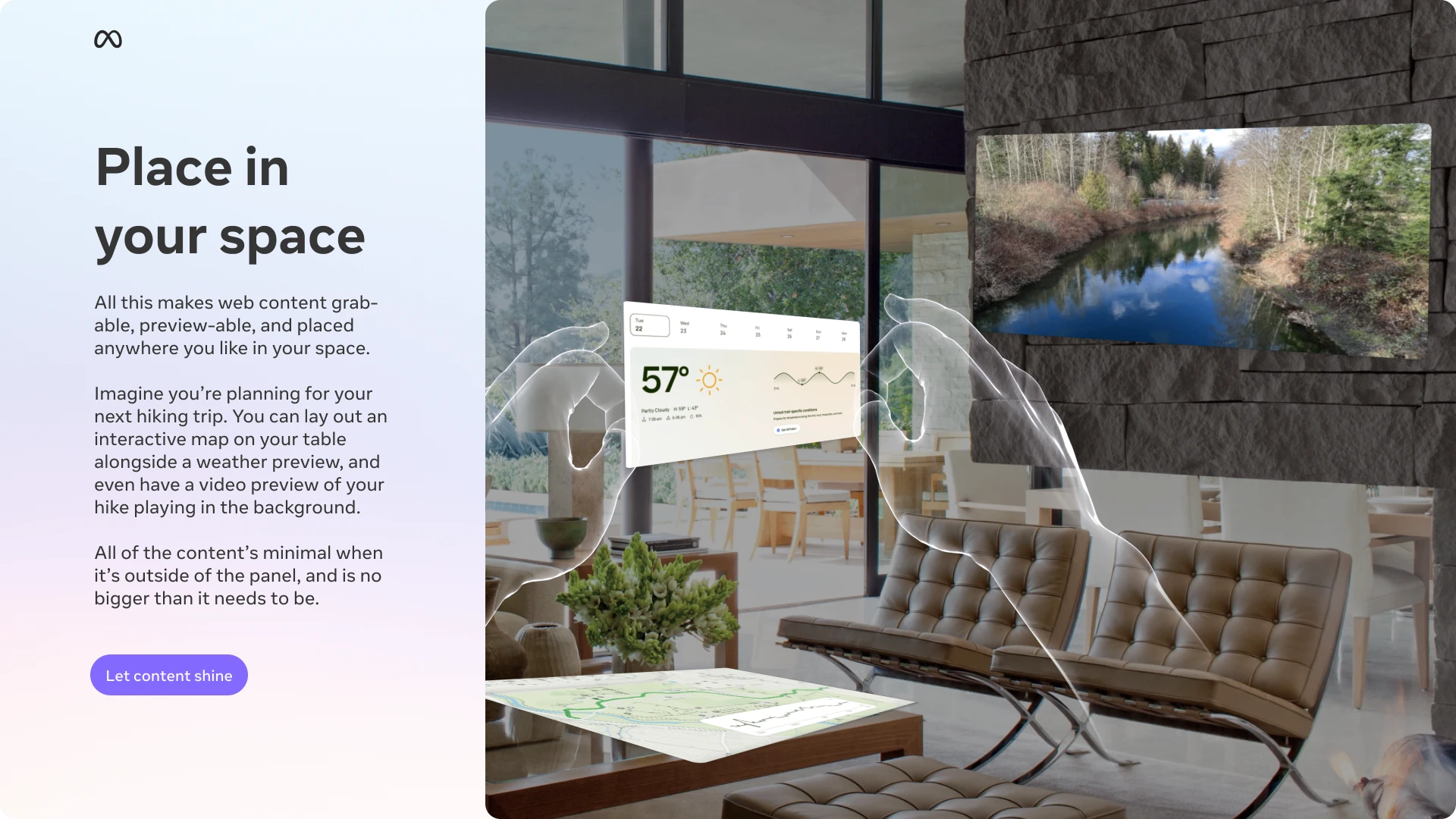
Shaping 2025 product strategy through a design-led sprint.
I planned and facilitated a cross-functional design sprint that produced the vision deck used to align leadership, prioritize 2025 investments, and secure greater-than-expected funding for the team.
Role
Design lead · Sprint facilitator
Company
Meta
Years
2024
Tags
Design Leadership, Strategy, Facilitation, Storytelling
Measured impact
2025 Product roadmap influenced
Plan
Funding secured vs. ask
1 deck
Cross-functional narrative
01 — Problem
Problem
Every year, Meta runs a rigorous product planning cycle that decides where teams invest the following year. Heading into 2025 planning, our team needed a sharper, more compelling point of view — one grounded in user needs but framed in a way leadership could fund.
The opening was clear: rather than let priorities emerge from disconnected docs and 1:1s, run a design-led sprint that produced a single, defensible vision the whole org could rally behind.
02 — Operational friction
Operational friction
Planning conversations were fragmented across PMs, designers, researchers, content, and data — each surfacing valid concerns but in different formats and at different altitudes. Without a shared narrative, good ideas were getting flattened into bullet lists and losing their strategic weight.
The team also needed to feel ownership of the outcome. A deck handed down from leadership would not have generated the same momentum as one the cross-functional group helped shape.
03 — Systems thinking
Systems thinking
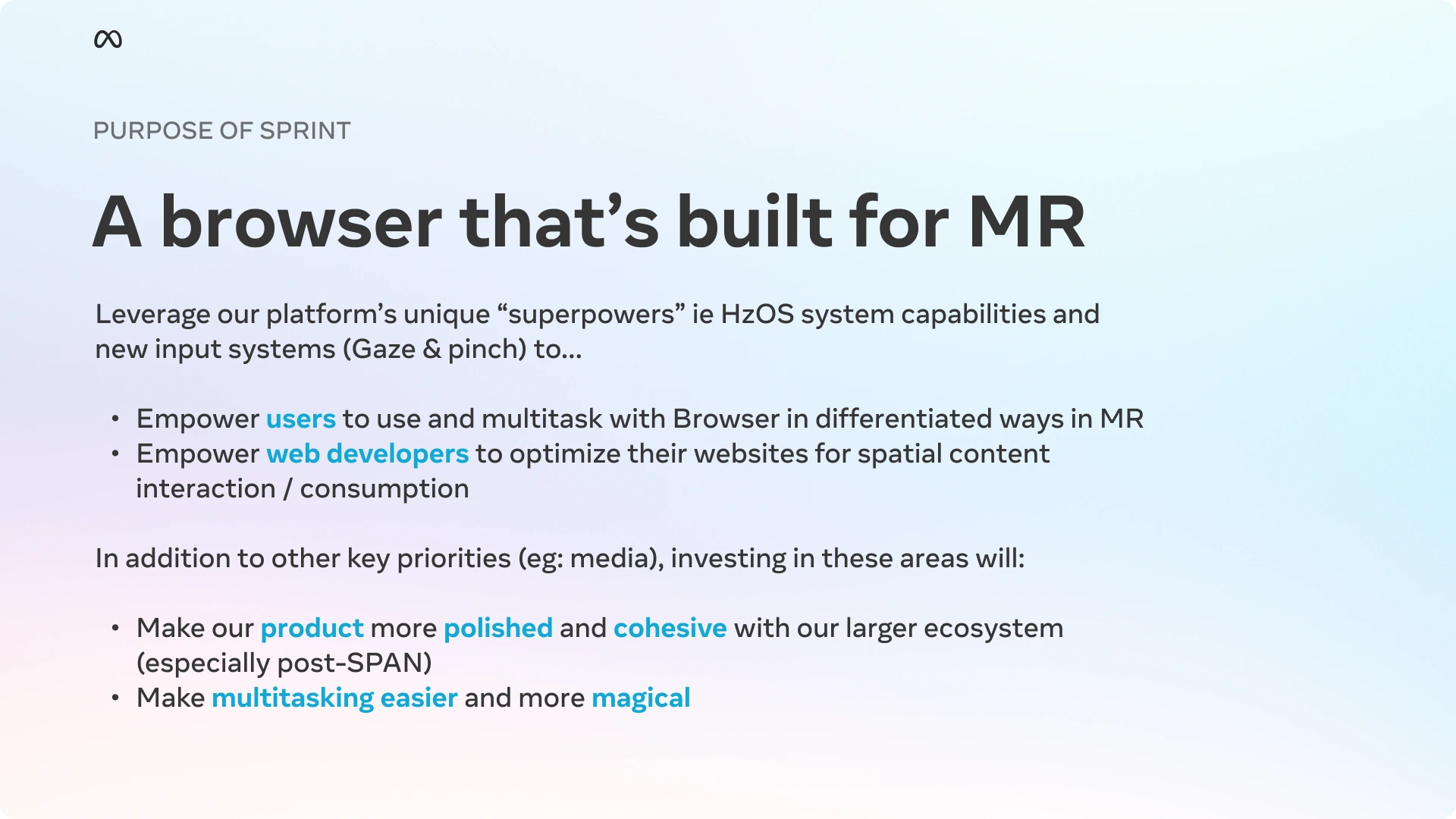
I treated the sprint itself as the product. The deliverable was a vision deck, but the real system was the two-month process: how ideas were generated, how they were prioritized, how leadership was looped in, and how the final narrative was constructed so non-designers could carry it forward.
The framing I built around the work — clarity, opportunity, long-term impact — gave every concept a consistent place to live, and made it easier for leadership to evaluate trade-offs rather than individual features.
04 — Key decisions
Key decisions
Run an inclusive offsite, not a leadership readout
Anchor the deck in a narrative, not a feature list
Make the methodology visible
Invest in the polish of the final artifact
05 — Workflow architecture
Workflow architecture
The two-month sprint moved through four stages, in parallel with my in-flight design delivery work:
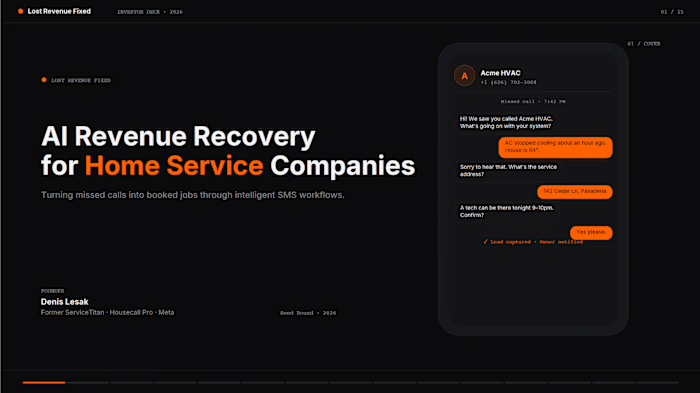
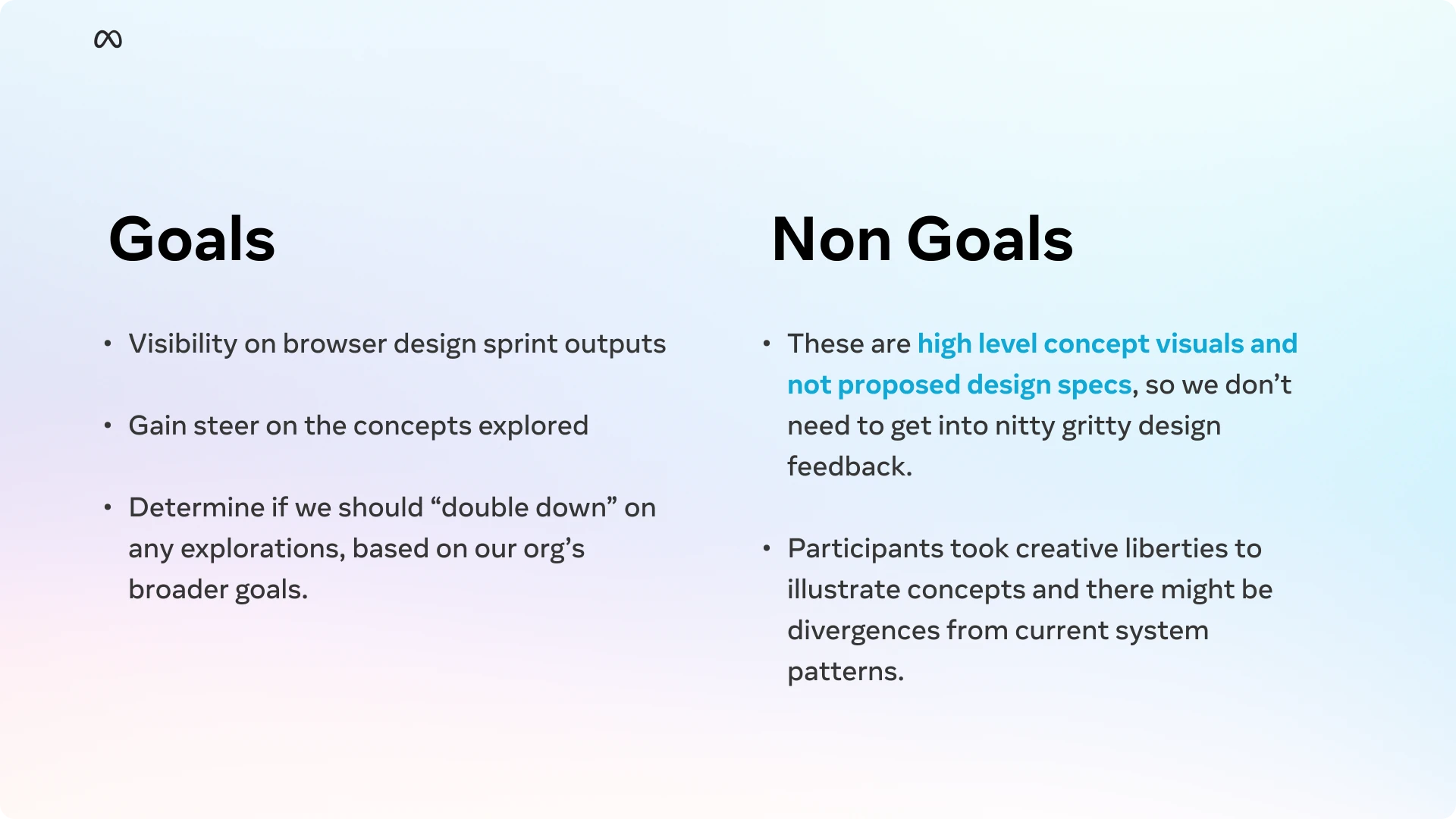
1. Framing. I drafted the overarching narrative that the deck would carry into leadership — a structure that connected user needs, team strengths, and broader Meta objectives so every later idea had a place to land.
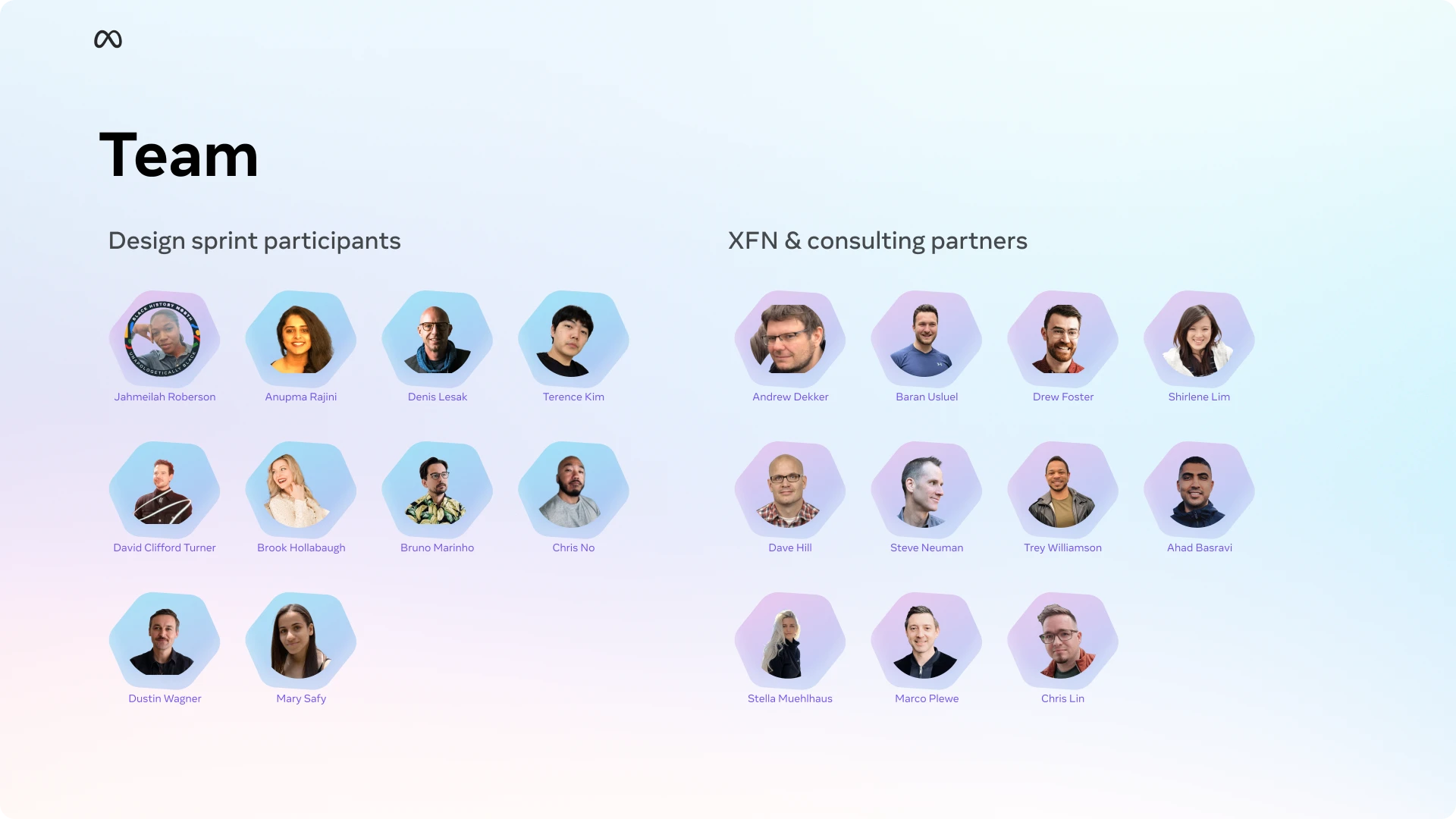
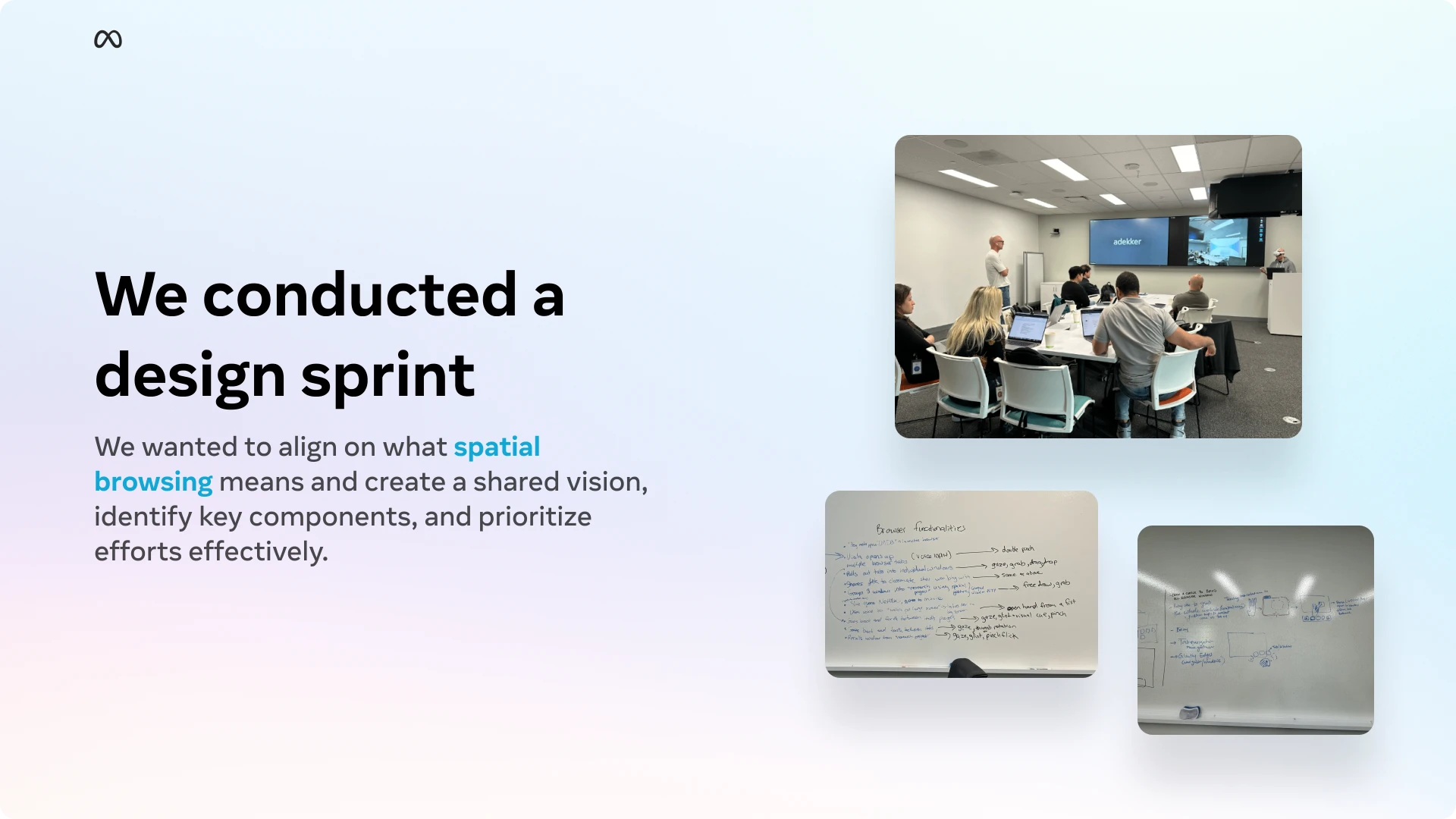
2. Sprint process. I planned and facilitated brainstorming sessions and a cross-functional offsite, then created slides that walked stakeholders through the methodology so non-designers understood the 'why' behind the approach.
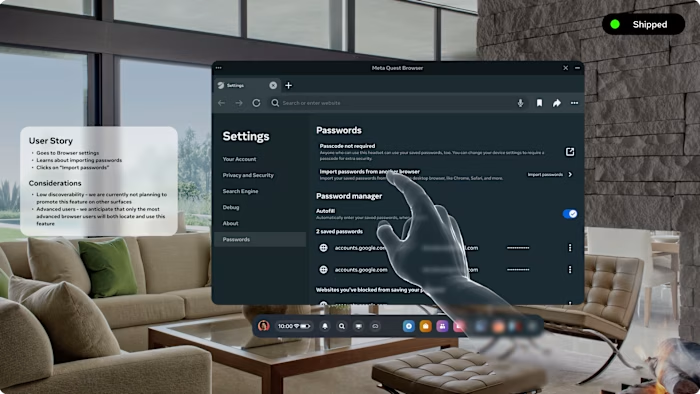
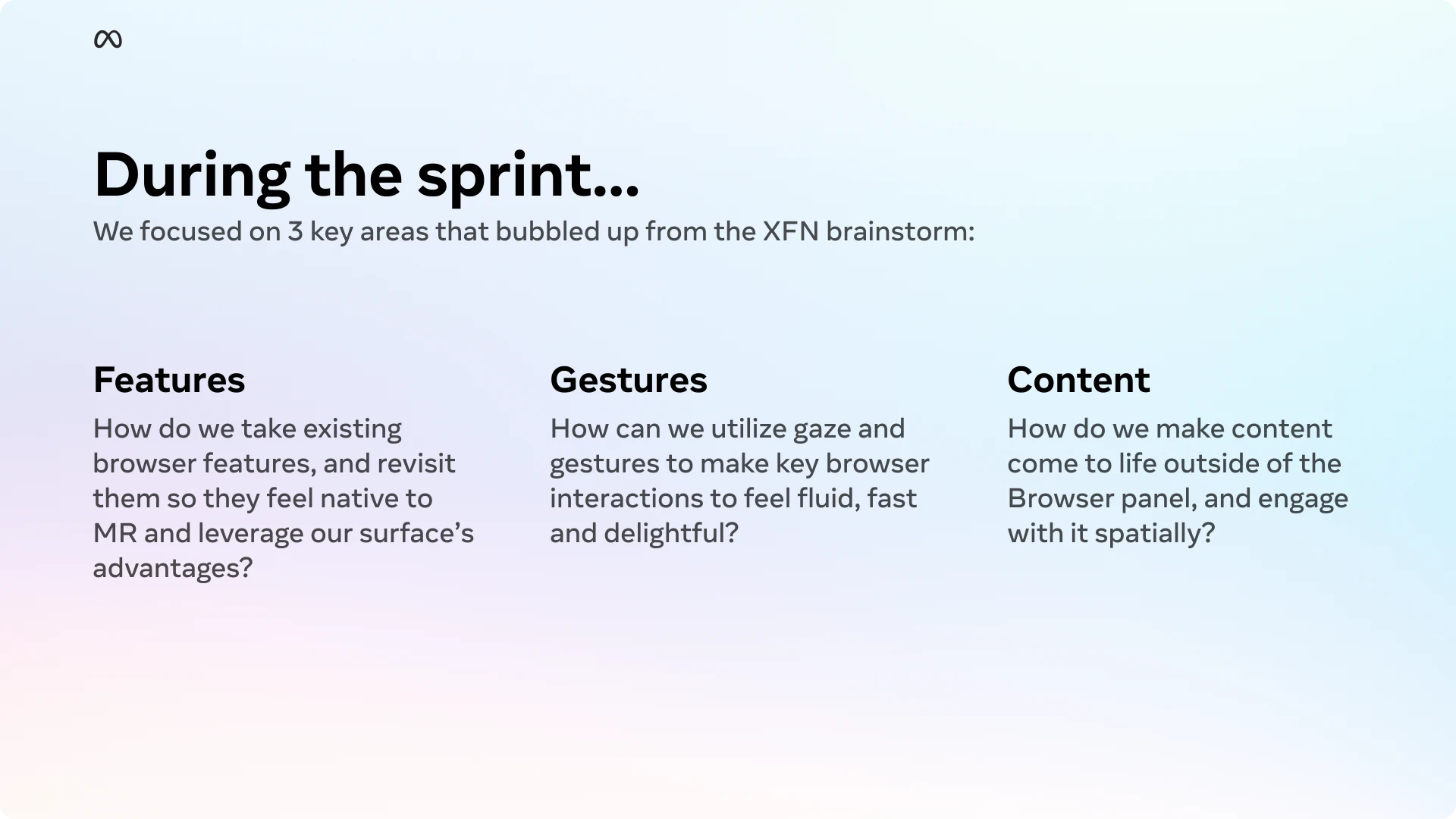
3. Concept development. Working closely with design leadership, I ran prioritization exercises to identify the strongest concepts, then partnered with the team to turn them into refined artifacts ready for strategic discussion.
4. Final deck. I directed the polish on the vision deck used by the product team to align stakeholders and secure 2025 funding.
06 — Outcome
Outcome & metrics
The sprint landed on multiple levels. Stakeholders responded to both the inclusivity of the process and the polish of the final deliverables — designers and non-designers alike felt heard, and the deck became the central artifact used to advocate for funding.
Most notably, the team received more funding than expected for 2025, in large part because of the clarity of the product vision and the strength of the supporting materials. The work stands as a clear example of how design leadership and storytelling can move strategy — not just ship features.
Systems insight
The deck is the product
When the artifact is the instrument leadership uses to make investment decisions, treating it as a real design deliverable changes outcomes.
Observation
Inclusivity compounds into buy-in
Bringing the full cross-functional group into the sprint produced both better ideas and the political support needed to fund them.
Business impact
Narrative beats feature lists
A clear story about clarity, opportunity, and impact gave every concept somewhere to land — and gave leadership a frame they could fund against.
Supporting artifacts
Selected artifacts
Framing
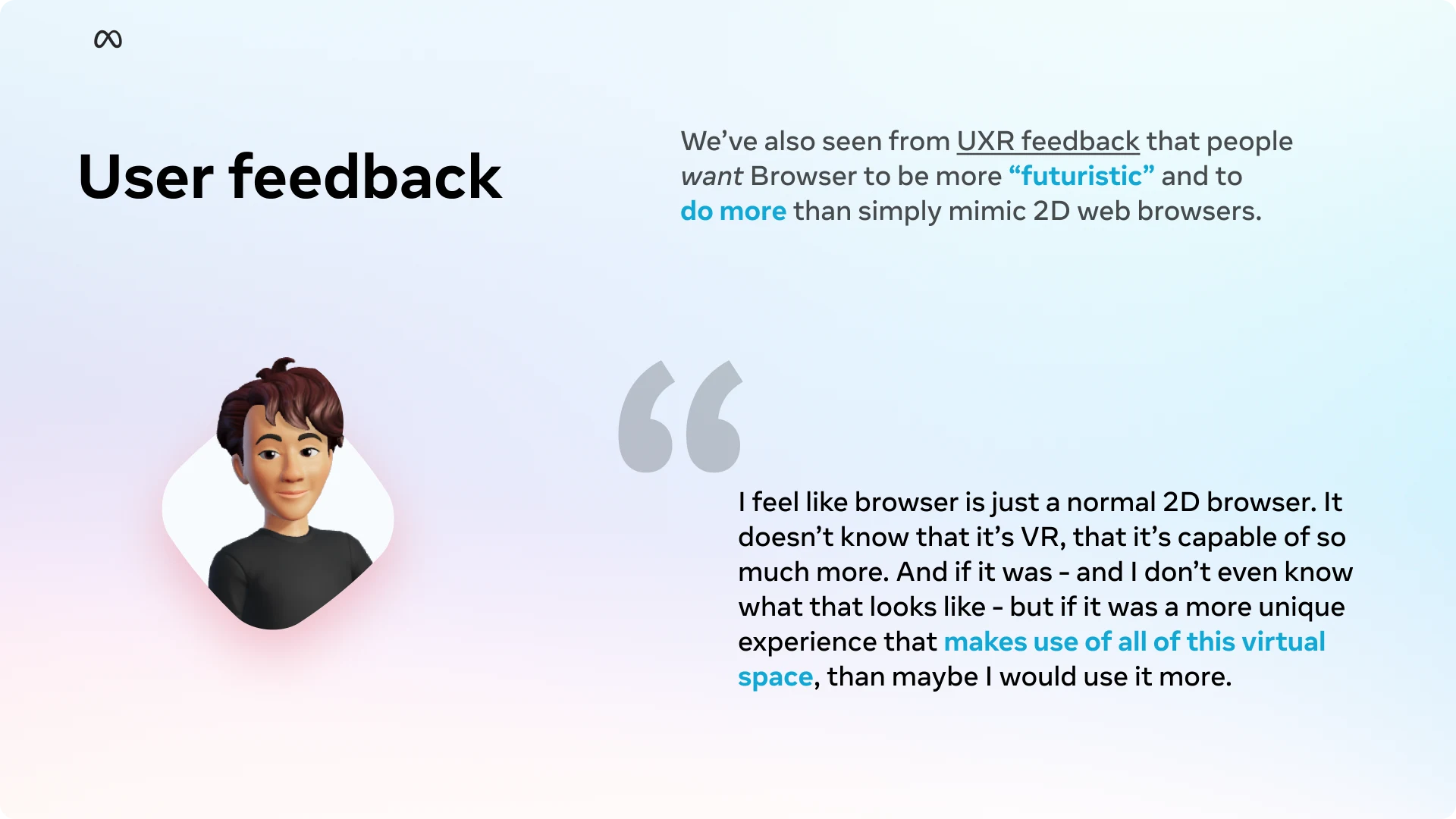
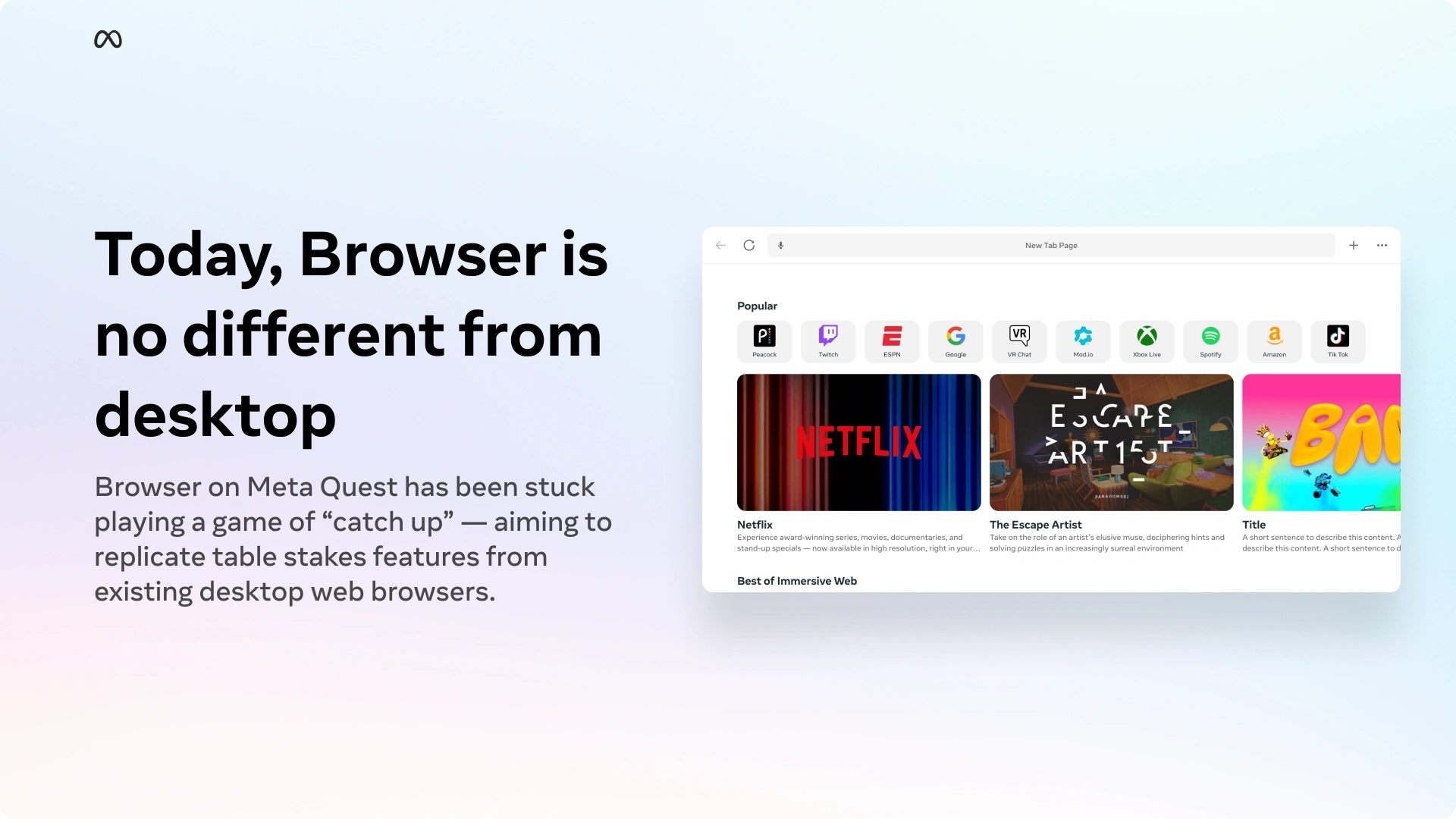
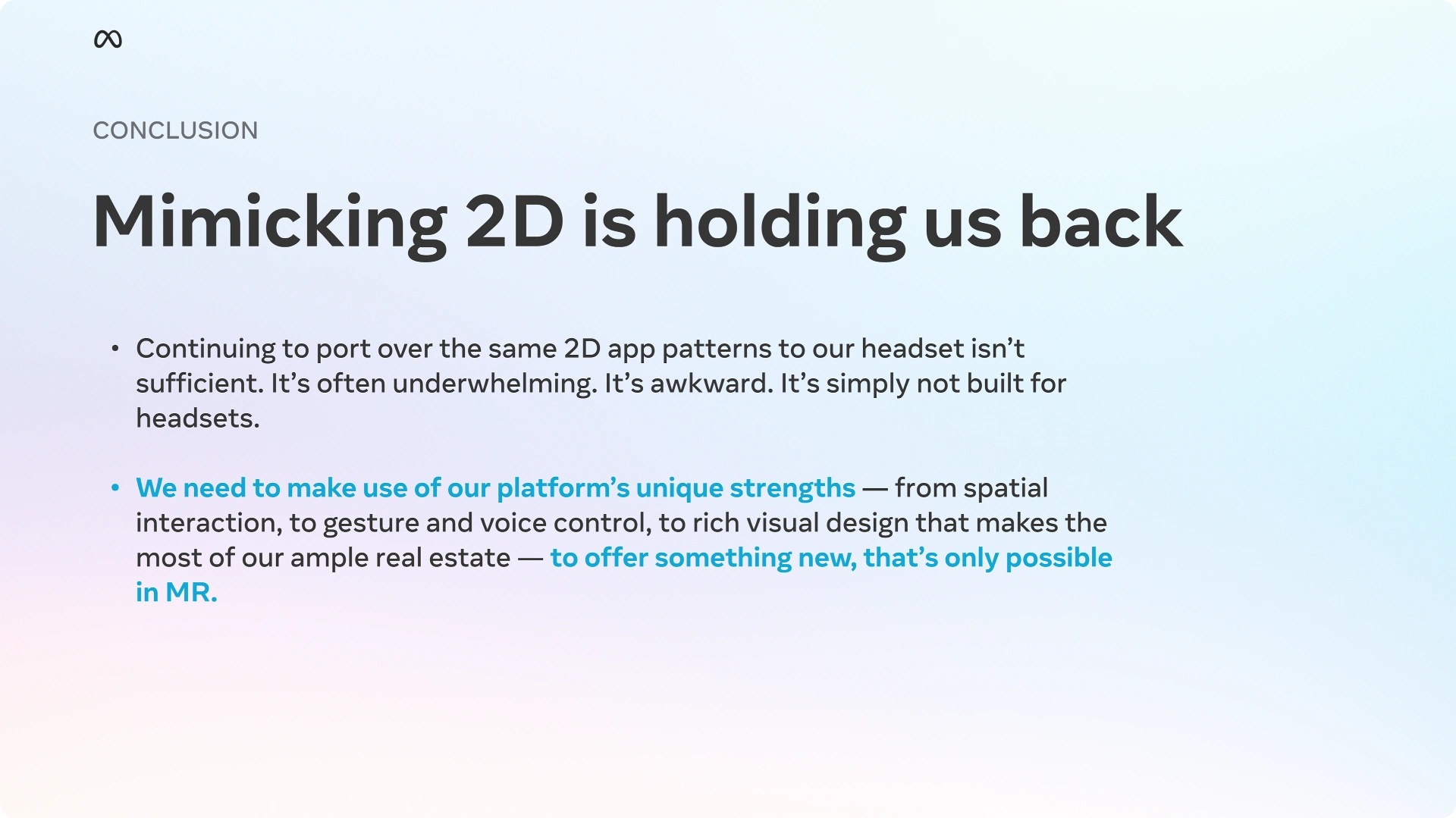
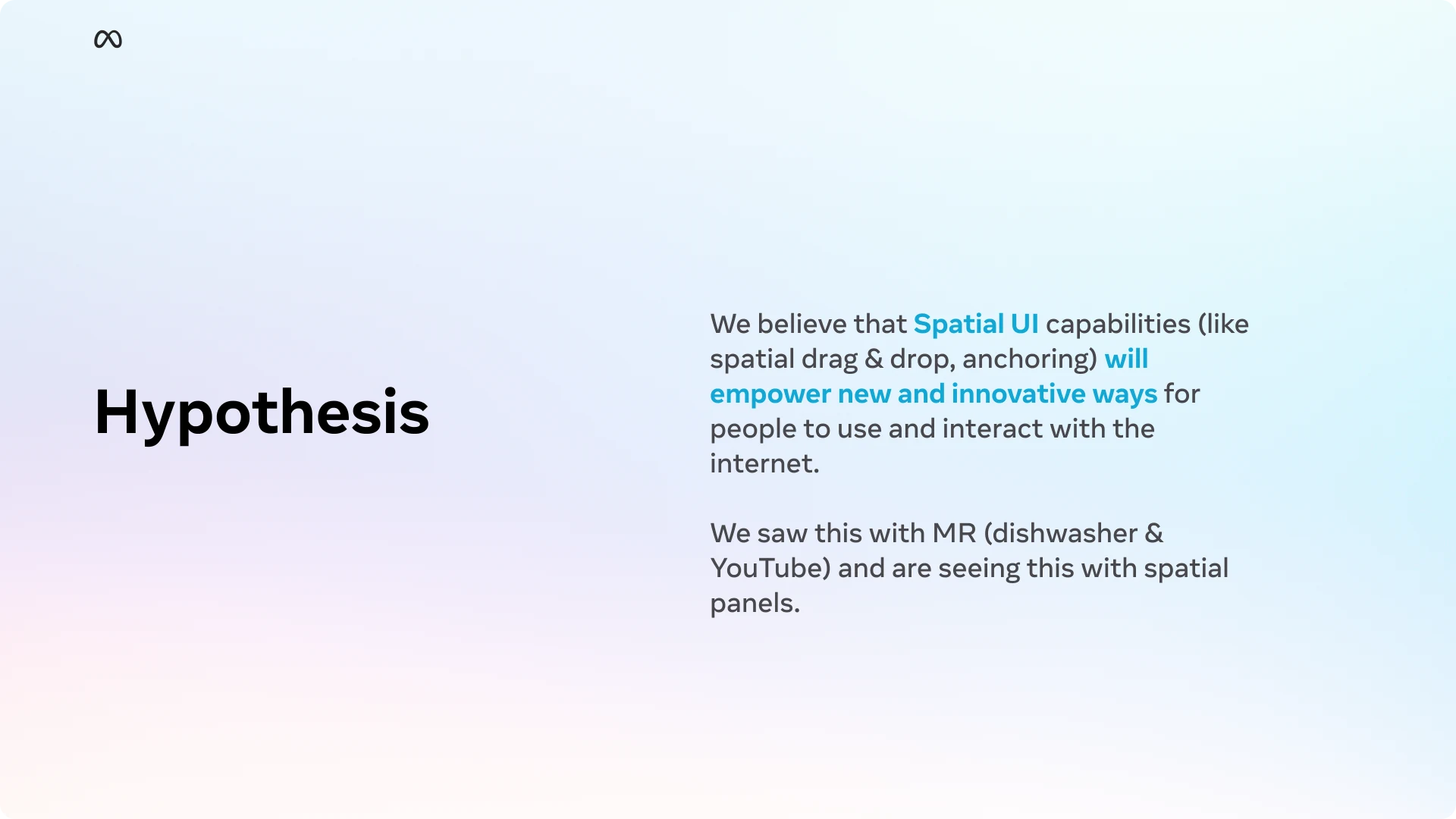
Process

Concepts
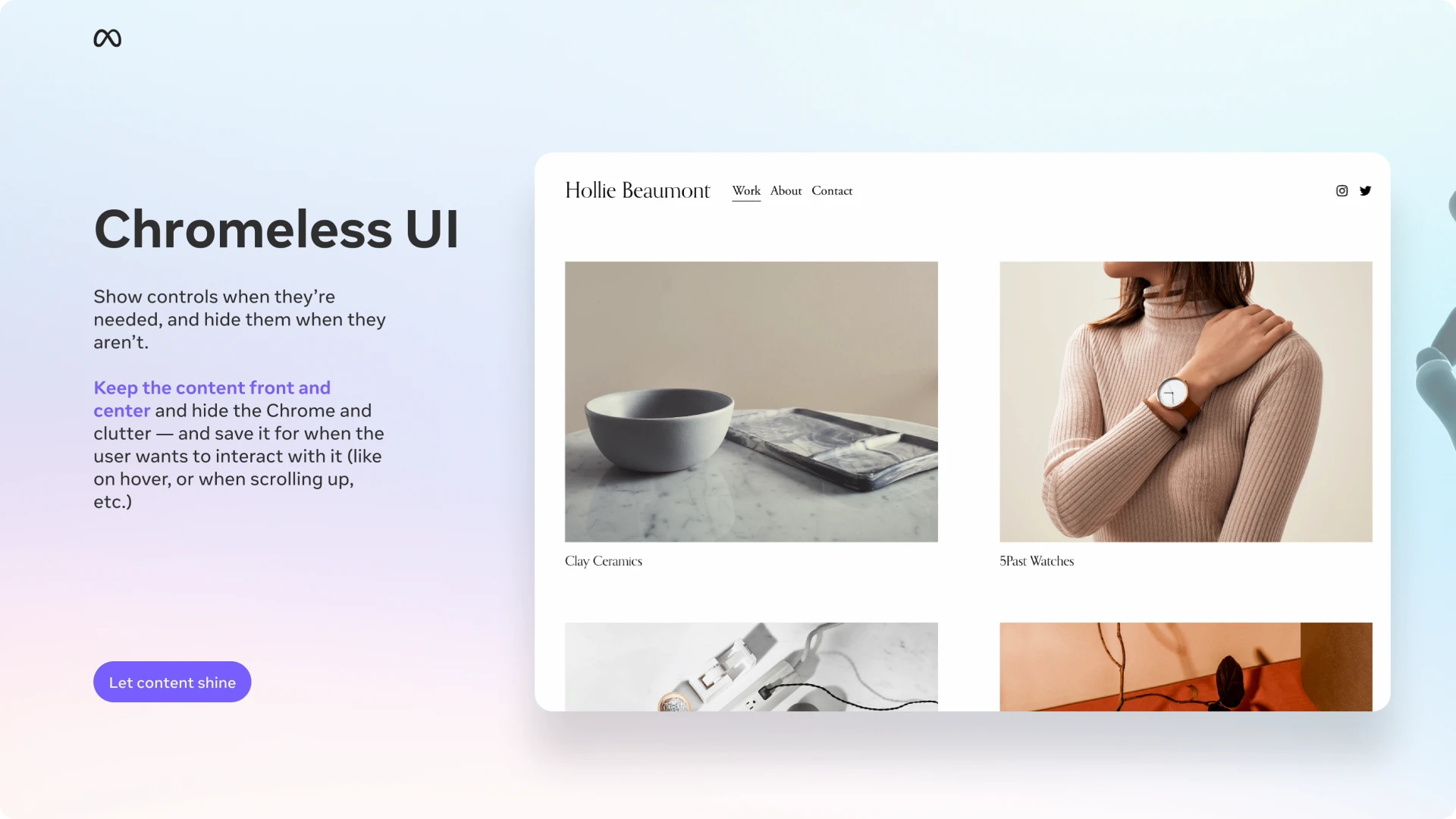
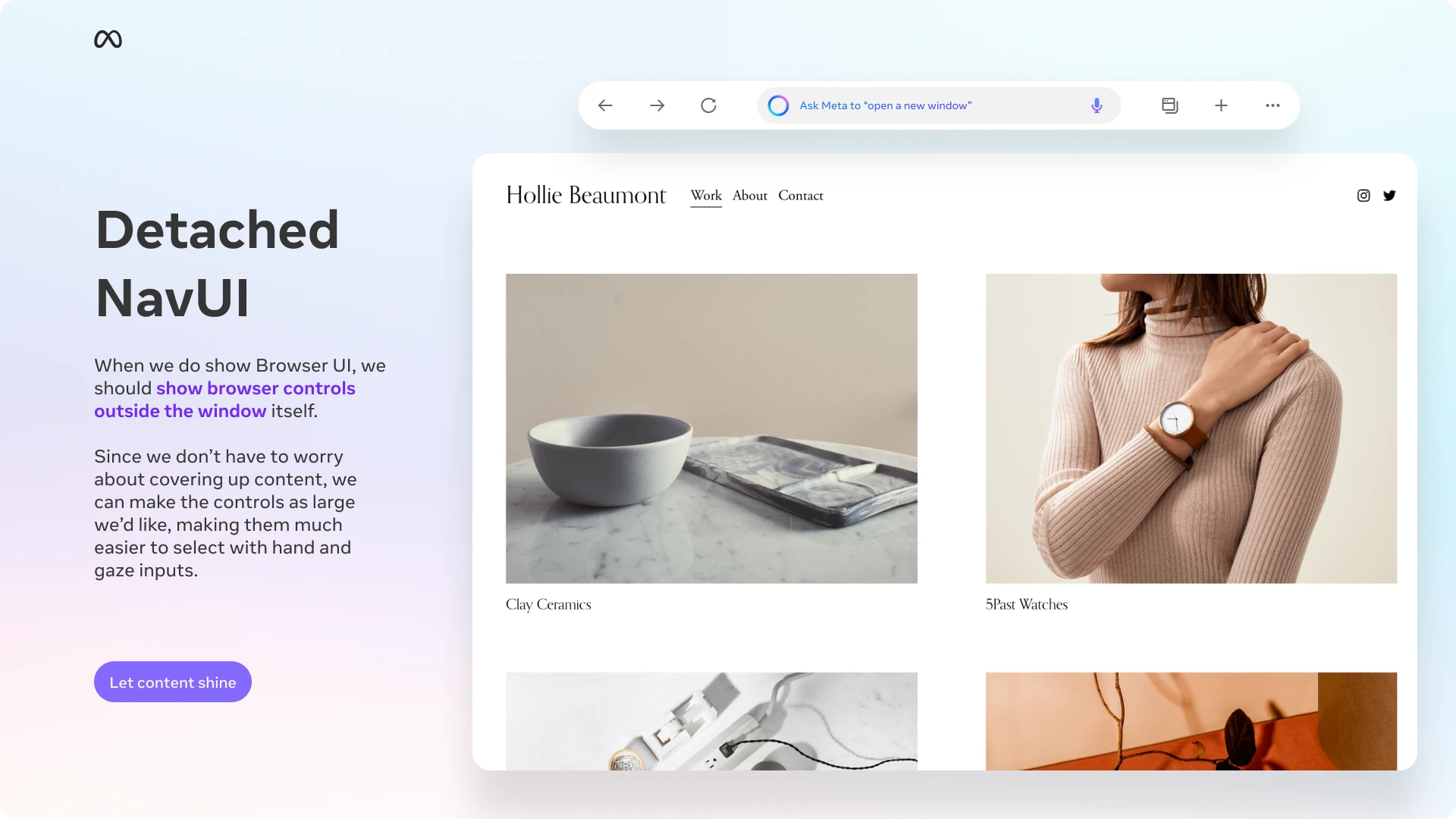
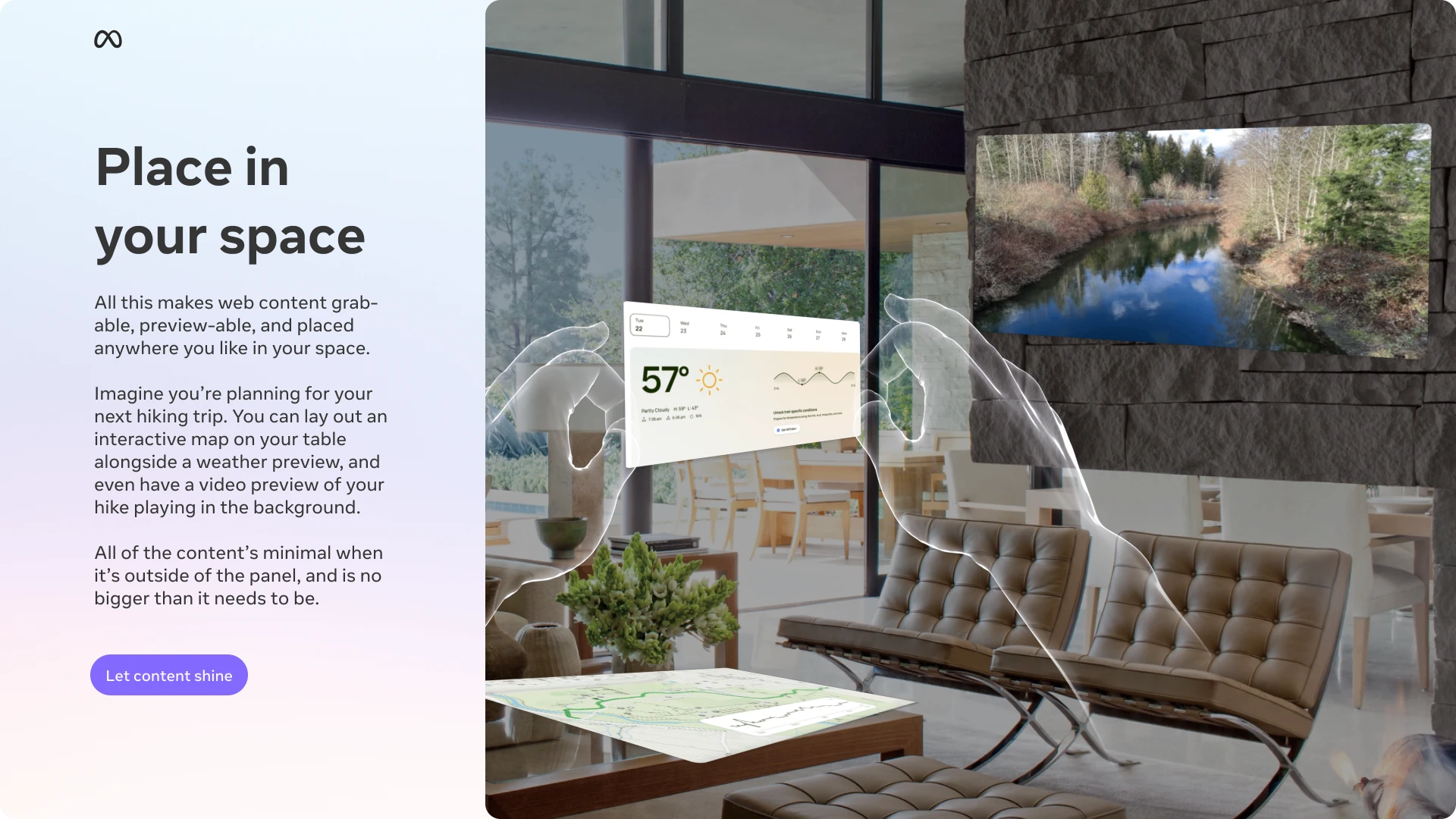

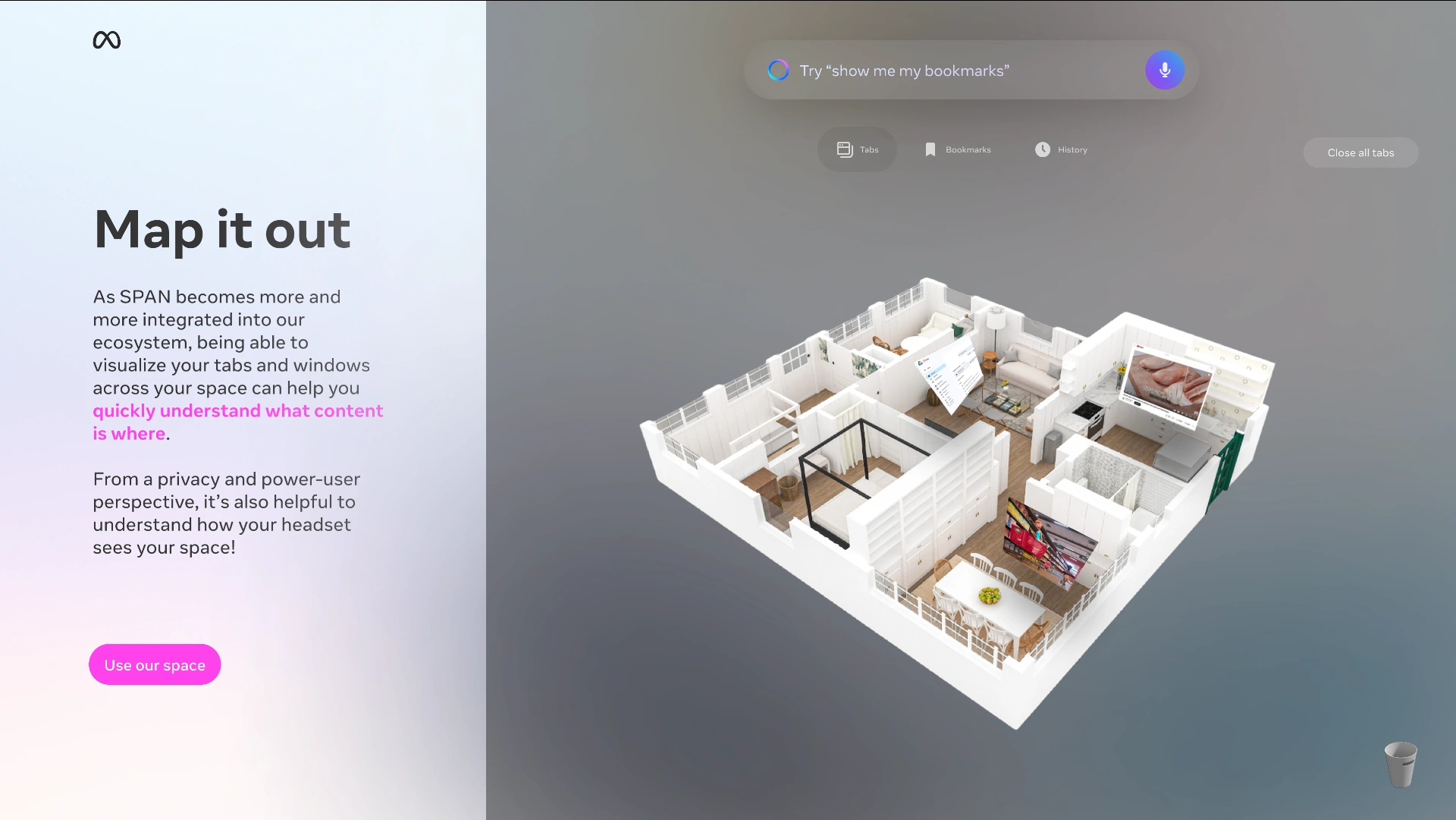
Omnibox. A gentle UI motion that exposes a dedicated canvas for in-browser web search.
Like this project
Posted Jun 26, 2026
Led a design sprint for Meta to align product strategy and secure funding for 2025.
Likes
0
Views
5
Tags