
The Brief
The Evergreen HKLSS commissioned this motion piece to deconstruct the psychological link between trauma, polyvagal theory, and drug addiction. Moving away from typical anti-drug scare tactics, the goal was to deliver a clinical yet deeply empathetic explanation of how the instinctual brain defaults to addiction when severed from human connection.
The Motion
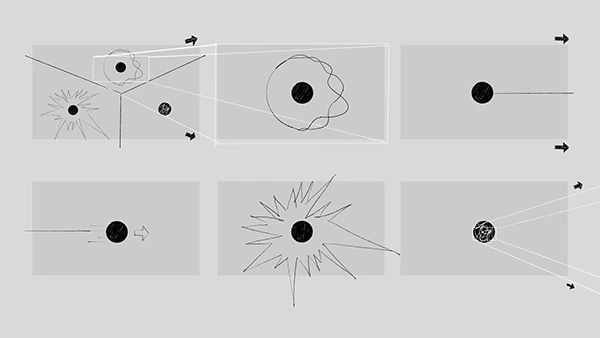
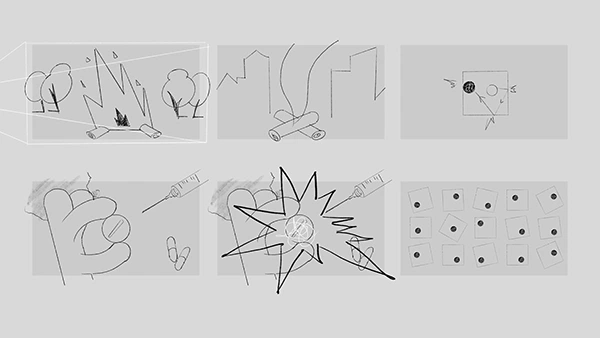
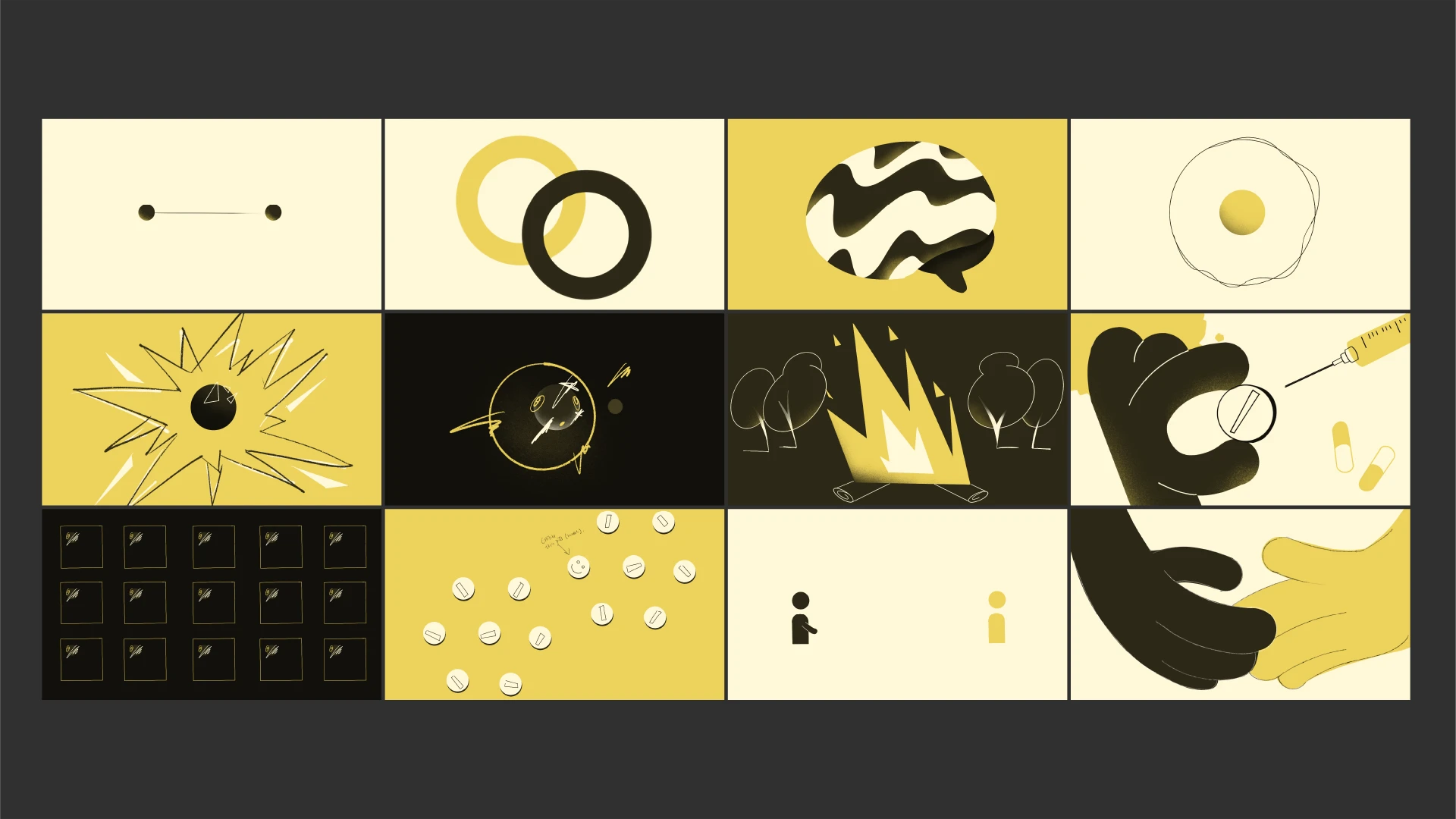
The short relies on three distinct visual motifs to represent the states of the polyvagal theory. For "Safe," we used fluid typography and open, interconnected shapes to evoke a sense of security. "Danger" shifts into rigid, chaotic motion patterns with rising chromatic tension to simulate a fight-or-flight response. Finally, "Despair" drops into a static, heavy layout with sudden, jarring cuts to visualize the brain entering shutdown mode.
Post-Mortem
Balancing dense medical theory with sensitive human subject matter required strict visual discipline. The challenge was keeping the geometry abstract enough to look clean, while ensuring the underlying human story didn't feel cold or detached. It was a rewarding exercise in using motion design to simplify heavy data without stripping away its emotional weight.
Credits
Animated by: Samuel Lee
Voice over: Vianna Tang
0 likes · 14 views · Jun 16, 2026
An educational animated short for the Evergreen HKLSS. The video details the brain's three survival states—safety, danger, and despair.

