DataCops: A SaaS Product Design Case Study

Simul Sarker


From Data Chaos to Business Clarity: A SaaS Product Design Case Study
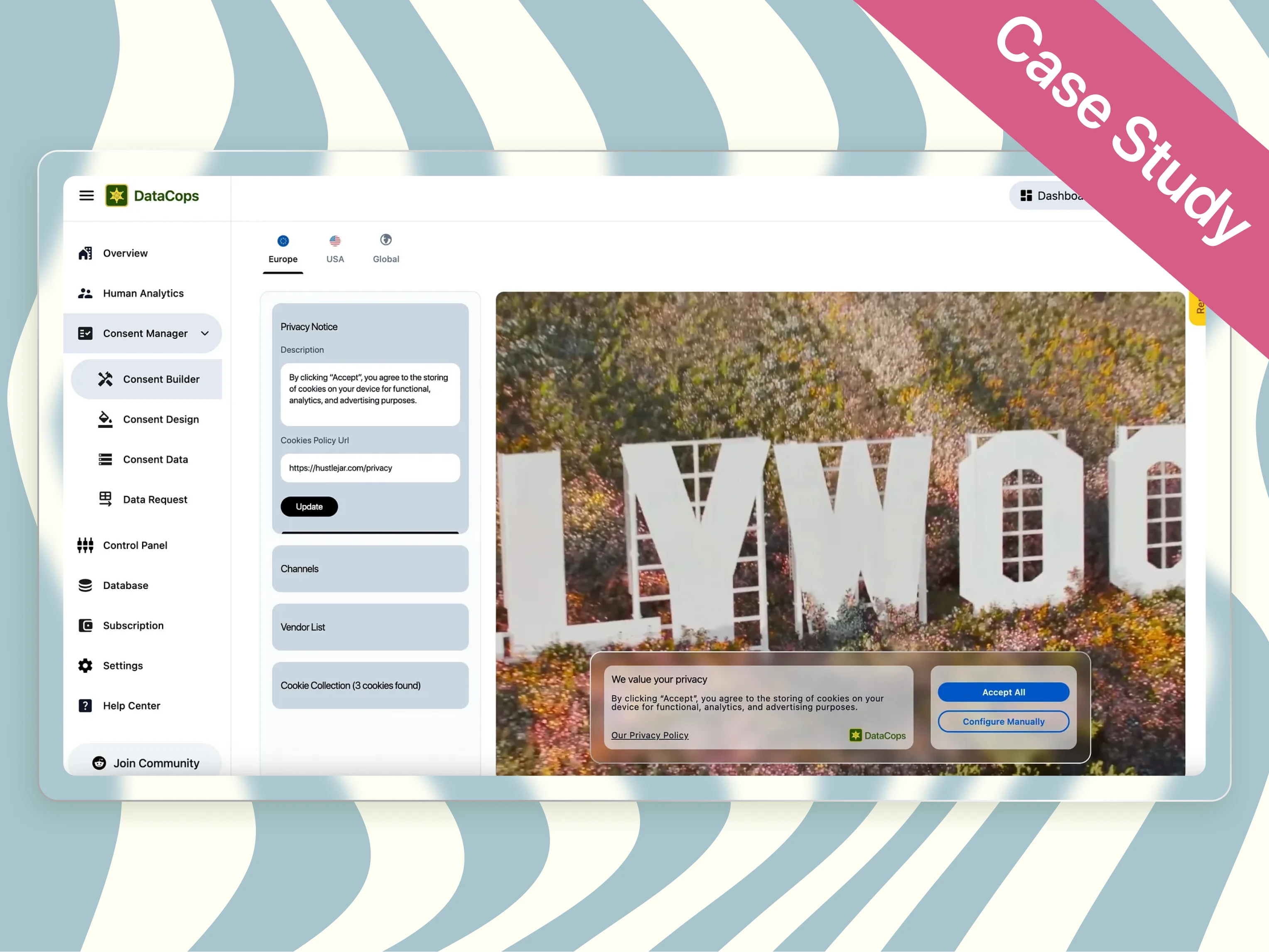
Project: DataCops, a First-Party SaaS Analytics Platform
My Role: Lead Product Designer
The Challenge: Businesses are blind. With 30–40% of web traffic invisible and visible data, 20–40% being junk bots mixed out, trust in data has completely broken down.
The Solution: An analytics platform architected from the ground up to restore trust by unifying resilient data capture, consent management, and fraud detection into a single source of truth.
In the new age of digital privacy, the web analytics playbook hasn’t just been rewritten it’s been set on fire.
This is the end-to-end design story of DataCops. I’ll dissect how we forged a solution to resurrect trust from the ashes of a broken data ecosystem.
The Problem: The Great Analytics Blackout
A terrifying reality has set in for any business operating online.
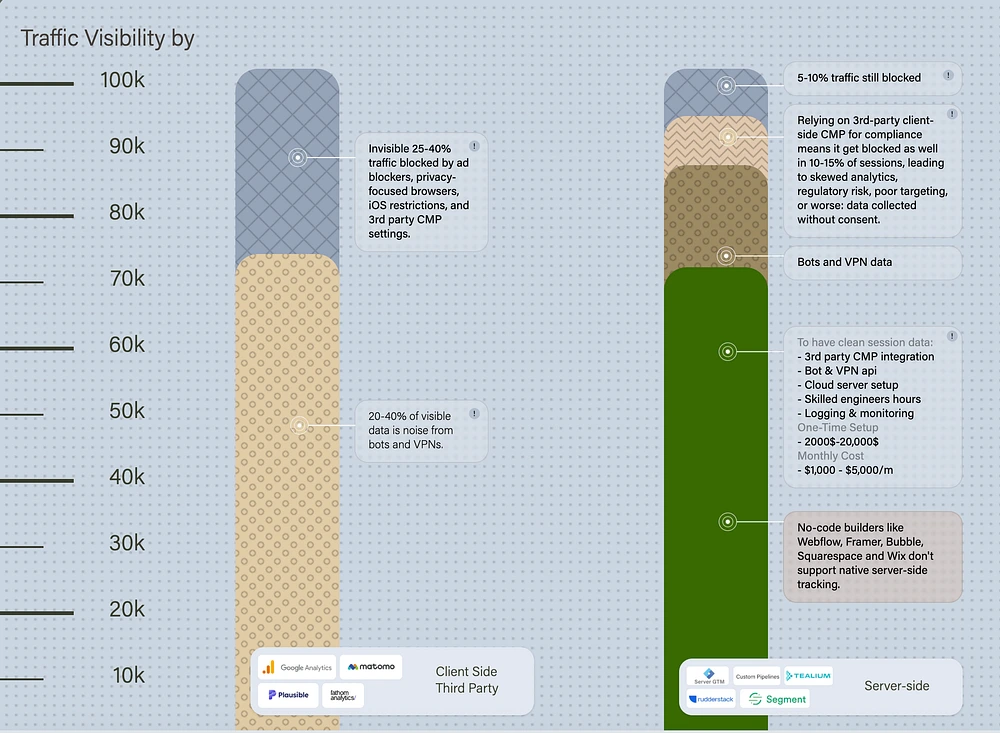
A staggering 30–40% of all website traffic is now completely invisible to traditional platforms like Google Analytics.
This isn’t a bug; it’s a feature of the modern web, driven by ad blockers, privacy-first browsers, and iron-clad legislation like GDPR.
But the nightmare doesn’t stop there. Of the fragmented data that does trickle through, another 20–40% is pure junk non-human traffic from bots and scrapers.
This has triggered a full-blown crisis of confidence. Businesses are:
Hemorrhaging millions on ad campaigns targeting phantom users.
Building products on a foundation of skewed, ghost data.
Staring down the barrel of crippling fines for compliance breaches they can’t even see.
The tools we were taught to trust are fundamentally broken.
The Target Audience: Who Bleeds When Data Lies?
My design process was anchored to the people living in the epicenter of this crisis.
The ROI-Driven Marketing & Growth Leader
They are under immense pressure to prove ROI, but their attribution models are crumbling. They need data that is defensible, clear, and unshakeable.
The High-Stakes Business & Product Leader
They are making strategic bets that will define their company’s future, but they’re being asked to do it blindfolded. They fear the colossal cost of being wrong.
The Agency Owner & Web Developer
They are the builders on the front lines, juggling dozens of clients. They need a ruthlessly efficient solution that deploys flawlessly everywhere, from custom builds to Webflow and Framer.
My Role & The Antidote: Architecting Clarity
As the Lead Product Designer, my challenge was not merely to present data beautifully. It was to re-architect trust from the ground up.
The solution is DataCops, a platform engineered to be immune to the blackout.
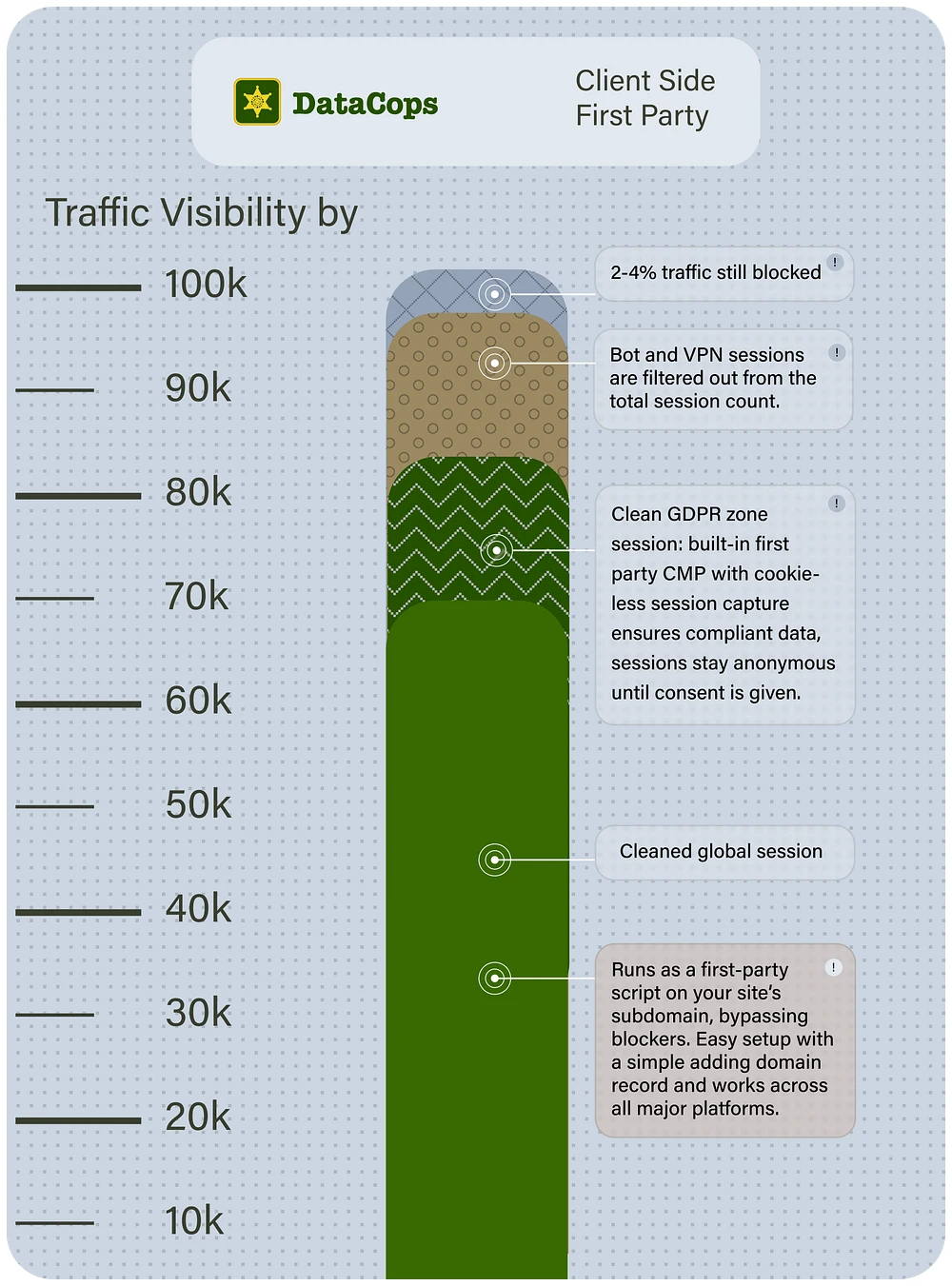
By operating as a first-party script from the user’s own domain, it becomes an integral part of the website itself, rendering it invisible to the blockers that cripple other tools.
We designed a holistic system that unifies three critical pillars into one source of truth:
Resilient Analytics
Built-in Consent Management
Automated Fraud-Filtering
This is how we empower businesses to finally see the complete picture, compliantly and with absolute confidence.
The First Hurdle: Designing a Deceptively Simple Onboarding
My primary design goal for the DataCops onboarding was absolute simplicity.
Users are conditioned by the “copy, paste, and go” setup of legacy tools. My mission was to honor that effortless experience on the surface, while running a far more sophisticated operation underneath. The challenge was to make deploying a next-generation analytics suite feel as easy as adding a single line of code.
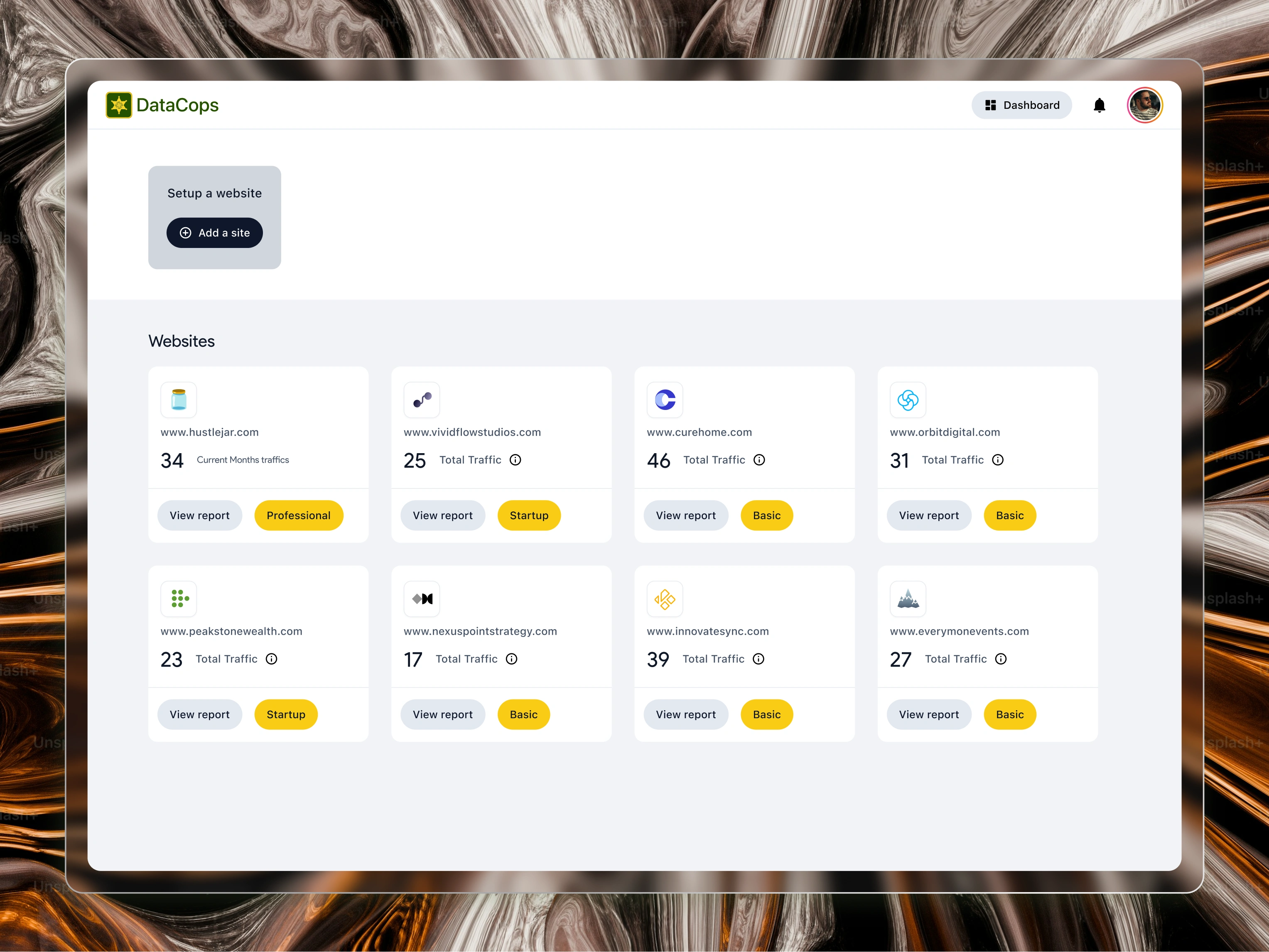
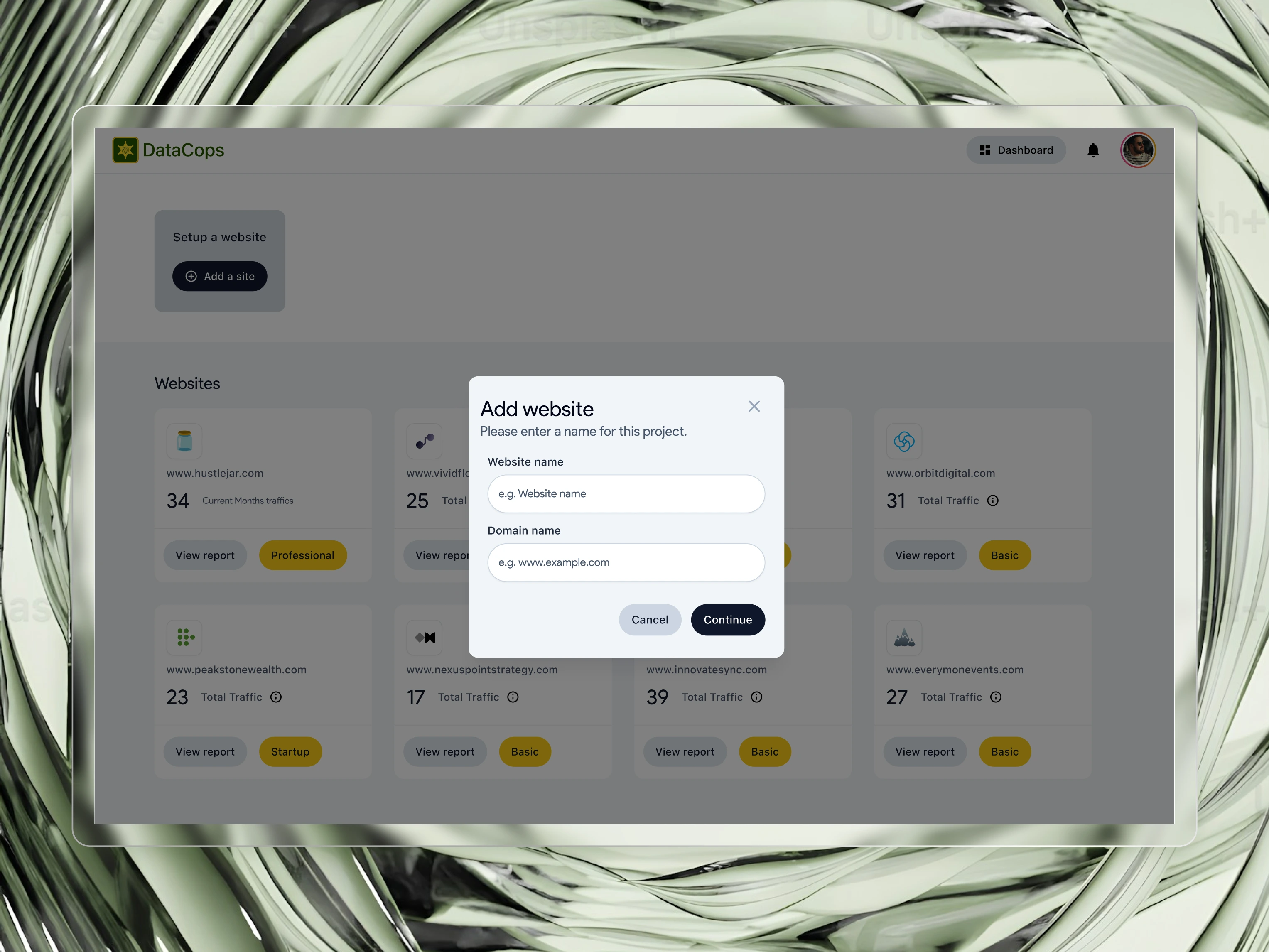
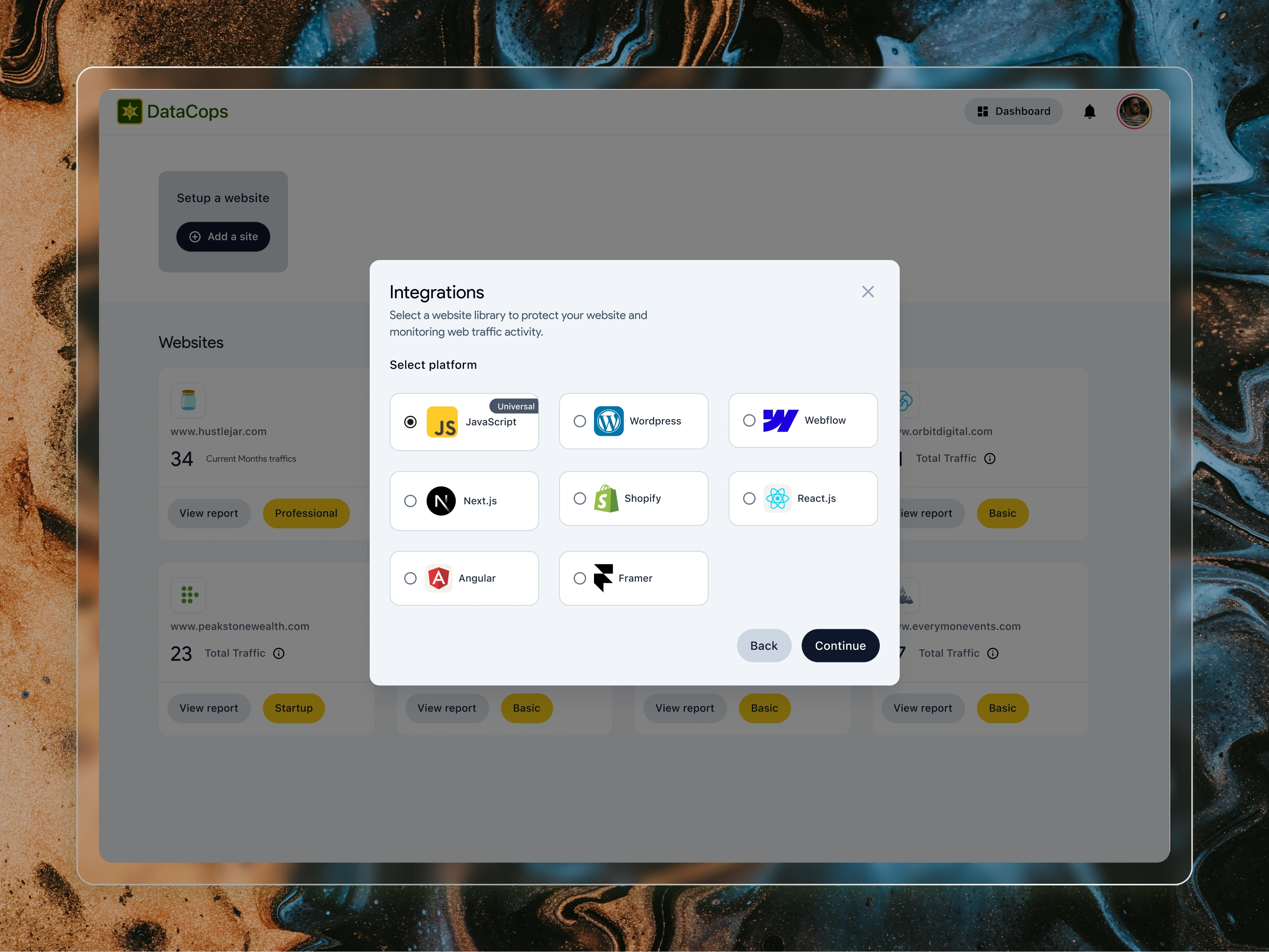
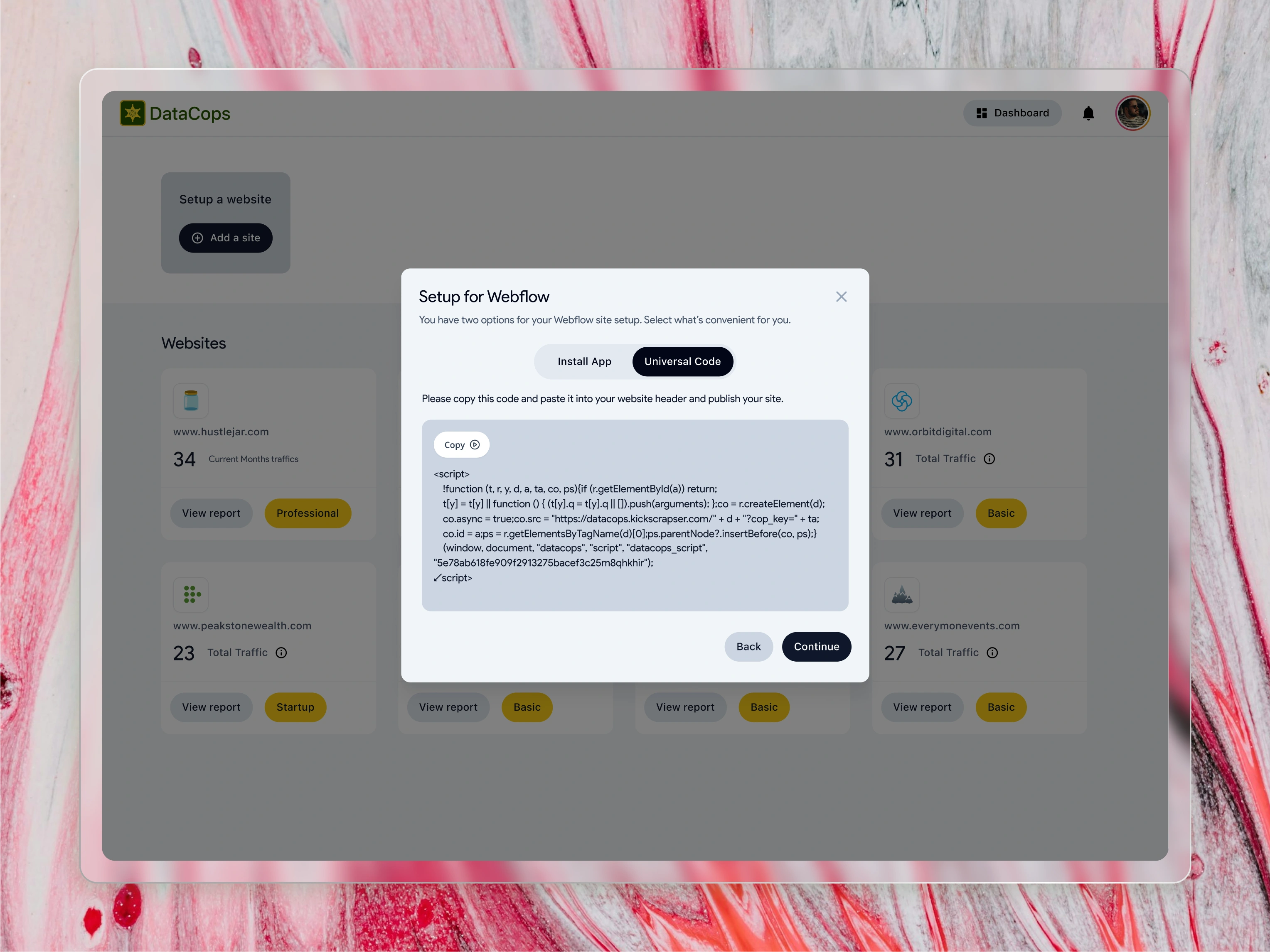
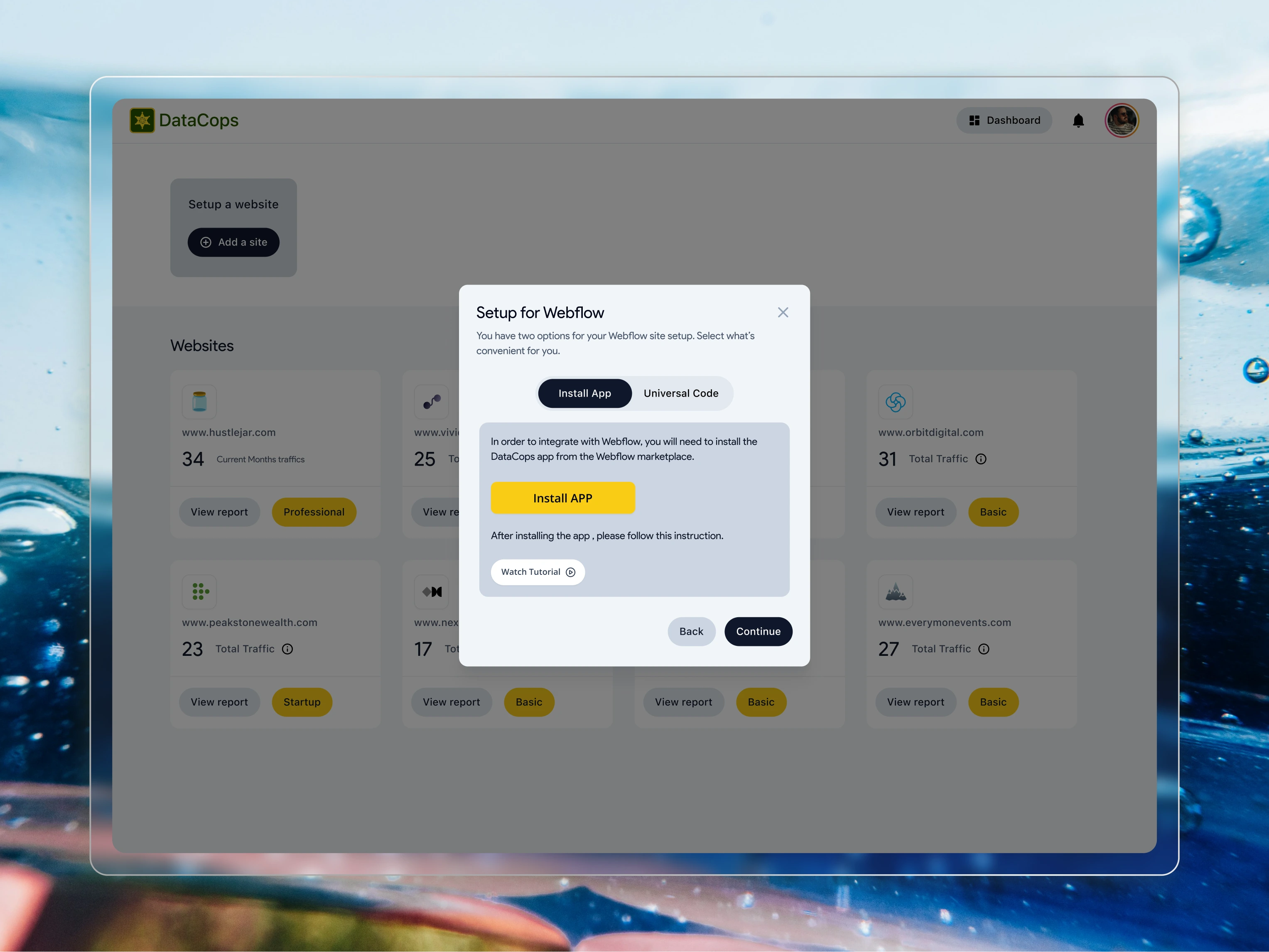
The Core Conflict: Simplicity vs. Power
My goal was a simple “copy, paste, and go” setup. But we discovered a fatal flaw: that approach would make us just another third-party tool, doomed to be blocked by the very privacy features our users rely on.
True, first-party power was non-negotiable. The engineering reality required two steps:
Add the script to the website.
Add a DNS record to the domain provider.
And there it was: the UX chasm.
The second step forced our non-technical users to leave our platform and perform a technical task far outside their comfort zone. This friction point was a direct threat to our activation rate.
The design challenge became crystal clear: How do we make a complex, two-platform process feel as simple and safe as a single copy-paste?
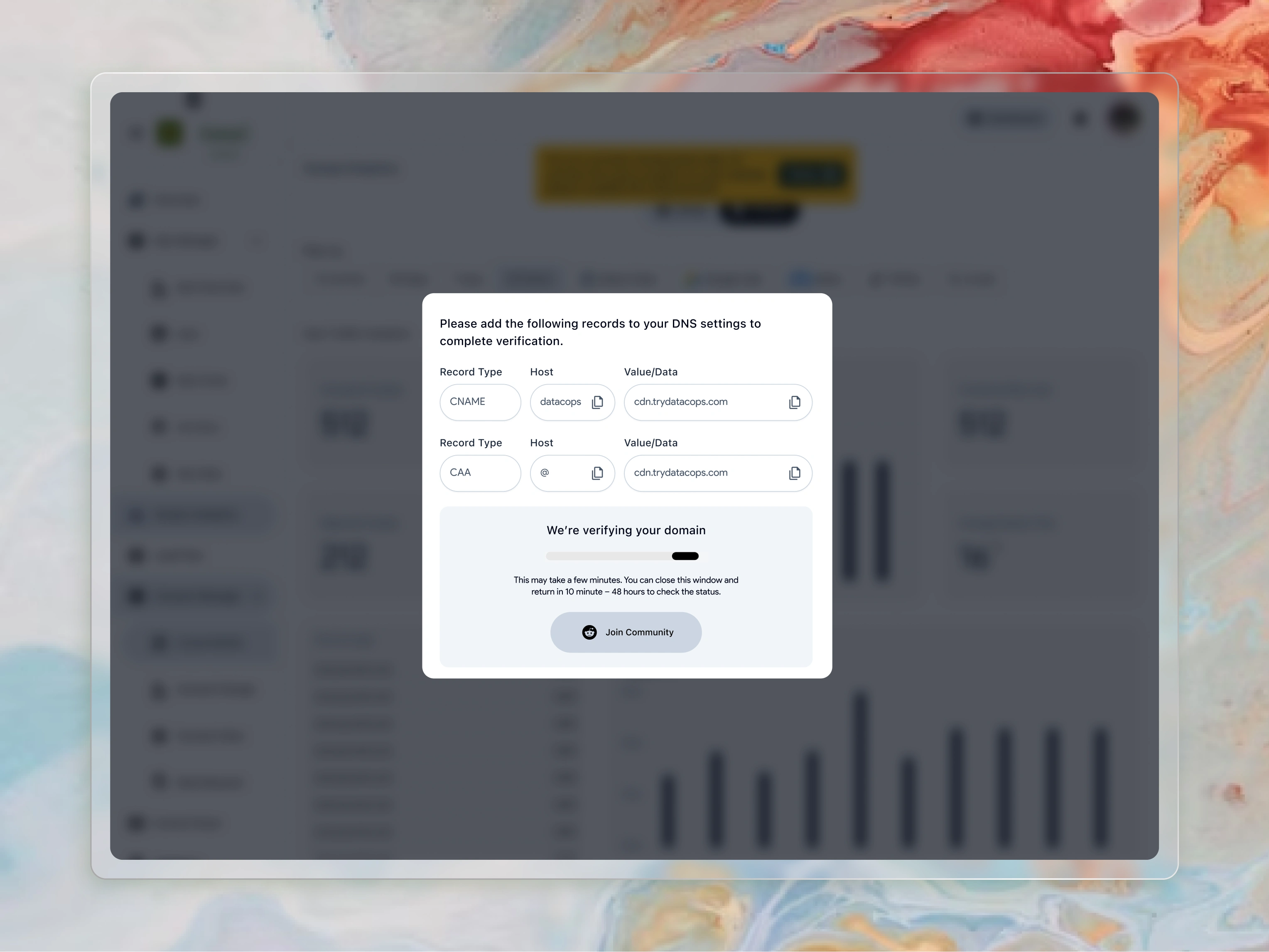
Designing for the Waiting Game
After a technical step like DNS setup, user anxiety is at its peak. A generic loading spinner here is a trust-killer. My design focused on transforming this anxious wait into a moment of reassurance and connection.
From Uncertainty to Clarity
We replaced the ambiguous spinner with transparent feedback. The design gives a clear status and manages expectations with precise copy:
“We’re verifying your domain… This can take up to 48 hours. Feel free to close this window; we’ll email you when it’s done.”
This eliminates confusion and reduces cognitive load by giving users explicit permission to disengage.
From Dead Time to Connection
Why just reassure when you can engage? This waiting period is a strategic asset.
I added a secondary call-to-action “Join Our Community” to pivot the user’s focus from waiting to belonging, welcoming them into our ecosystem while the technical verification happens in the background.
Closing the Loop: Proactive Notifications
To eliminate any remaining uncertainty, the final step is a proactive notification system that closes the loop.
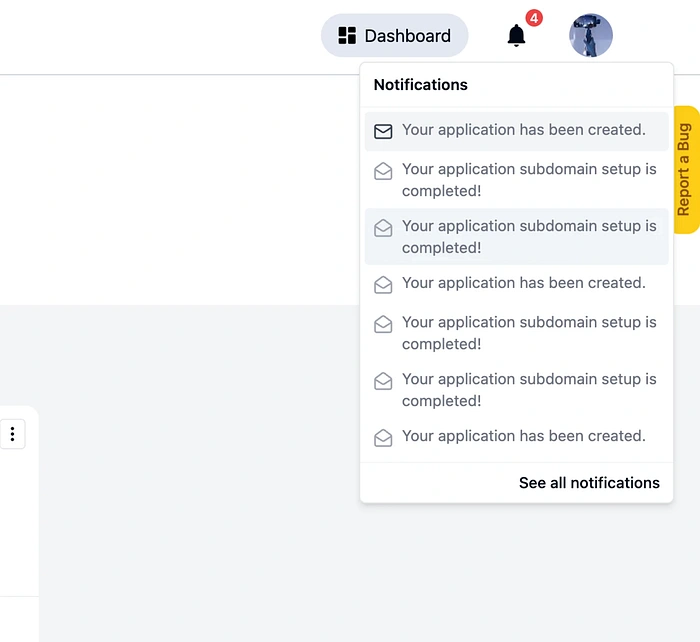
The moment DNS verification succeeds, we notify the user via both an in-app alert and a welcome email.
This email is the final, crucial call-to-action, inviting the user back to their now-active dashboard to witness their first-party data flowing in the ultimate payoff for their trust.
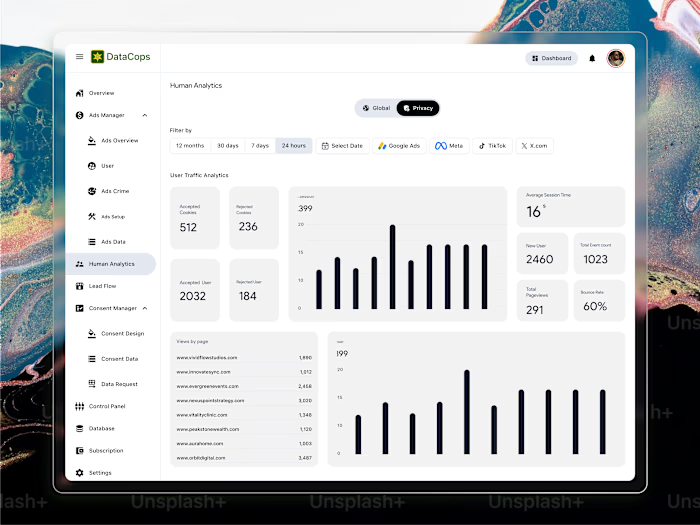
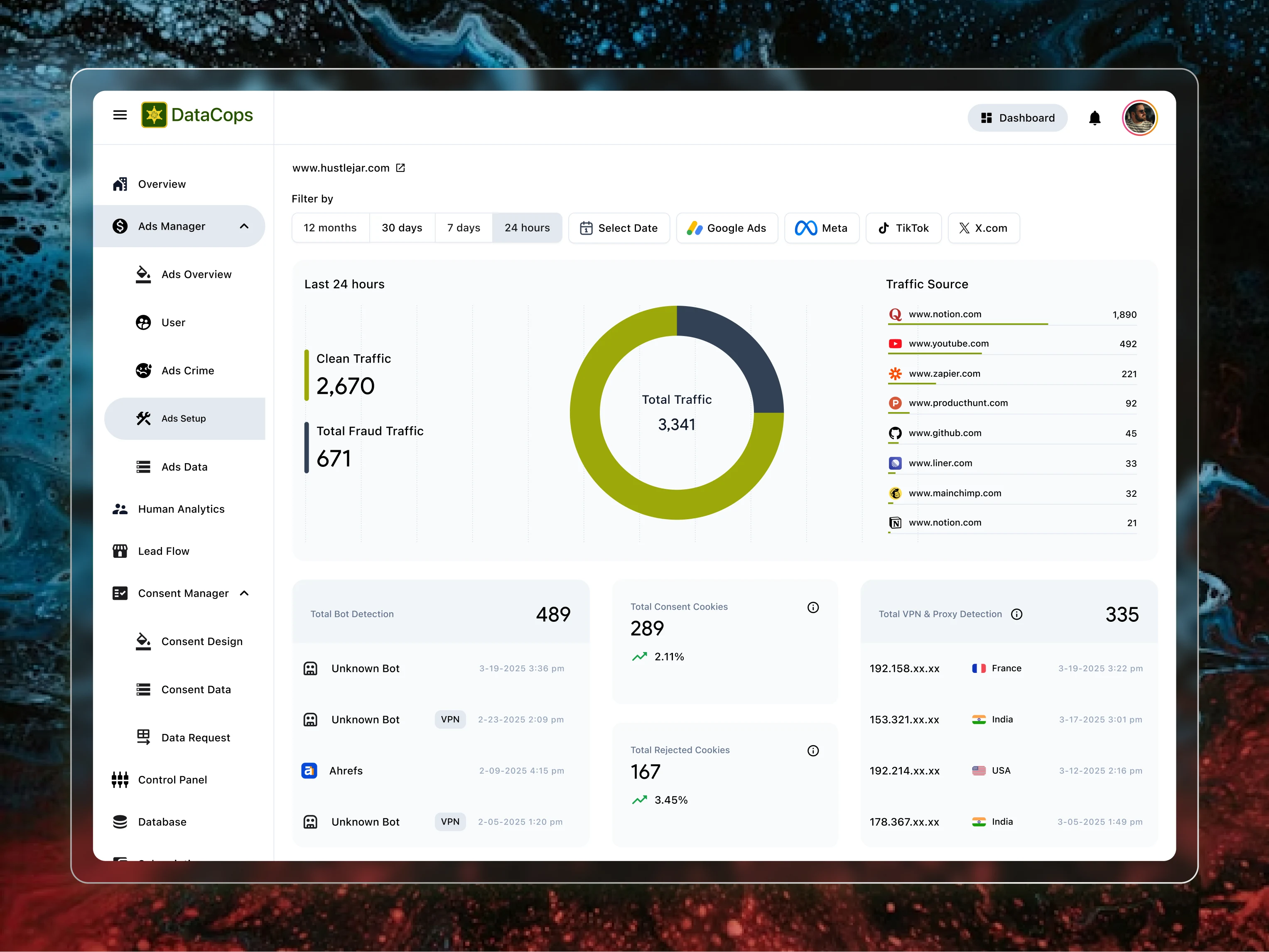
Dashboard: Instant Clarity
The dashboard is designed to surface the truth at a glance.
Verified Human Traffic: The main chart separates real users from bots and noise.
Filtered Fraud: Tangible proof of blocked bots and junk traffic.
Consent Rate: Integrated metrics showing the compliance of your audience.
The Integrated Consent Manager: Privacy by Design
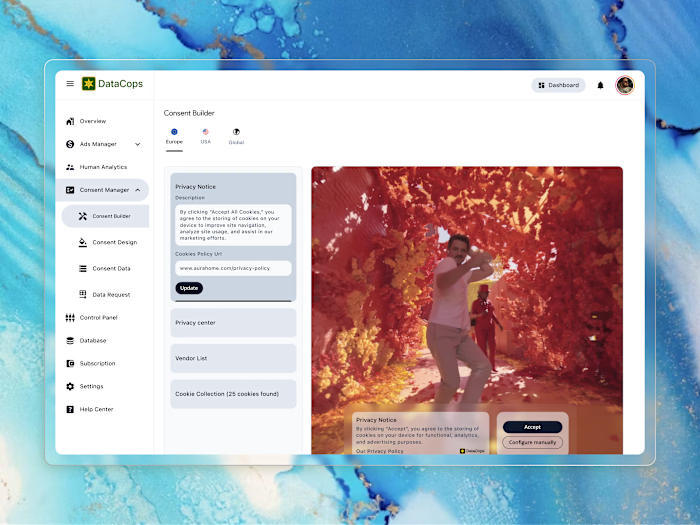
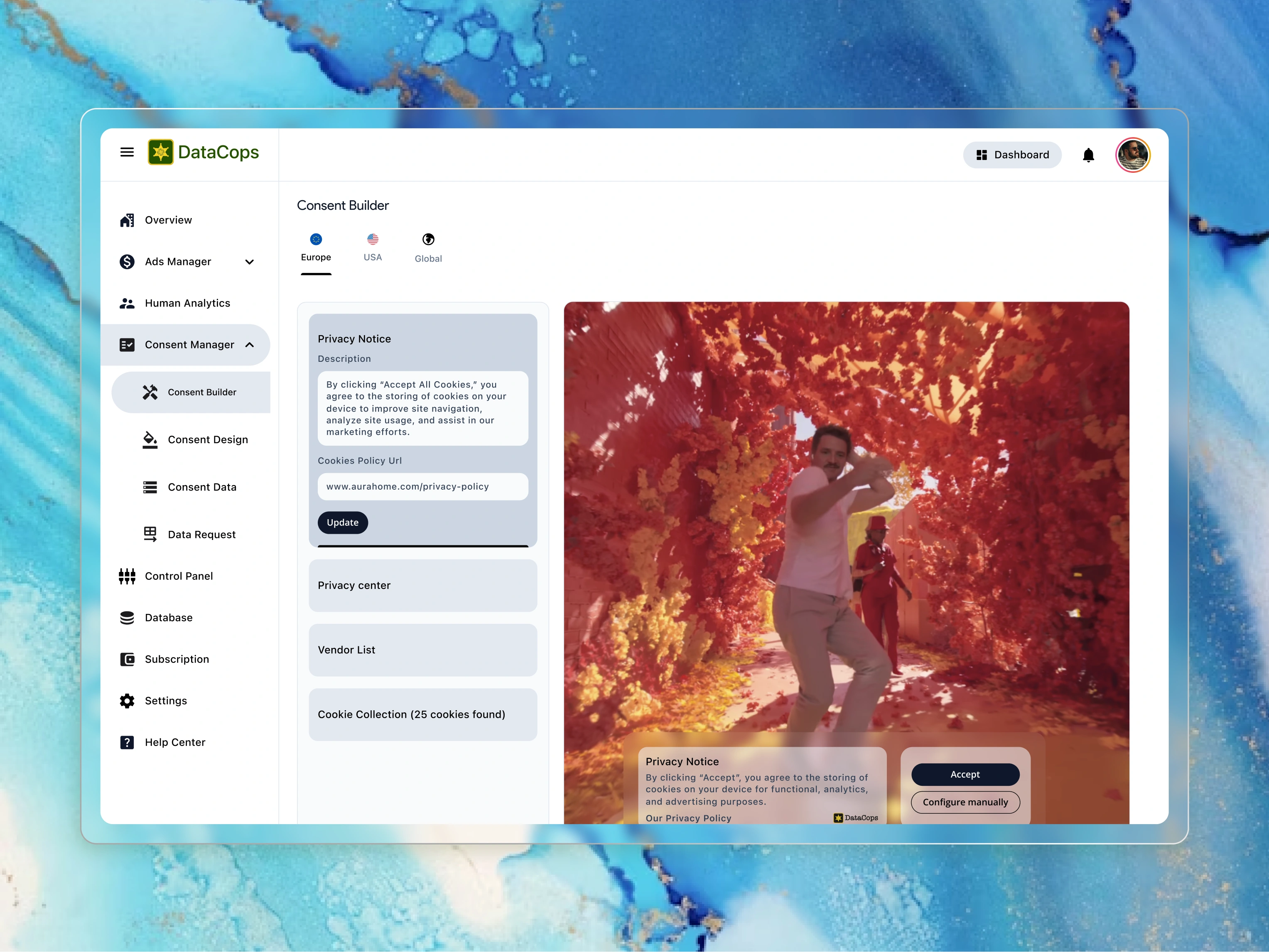
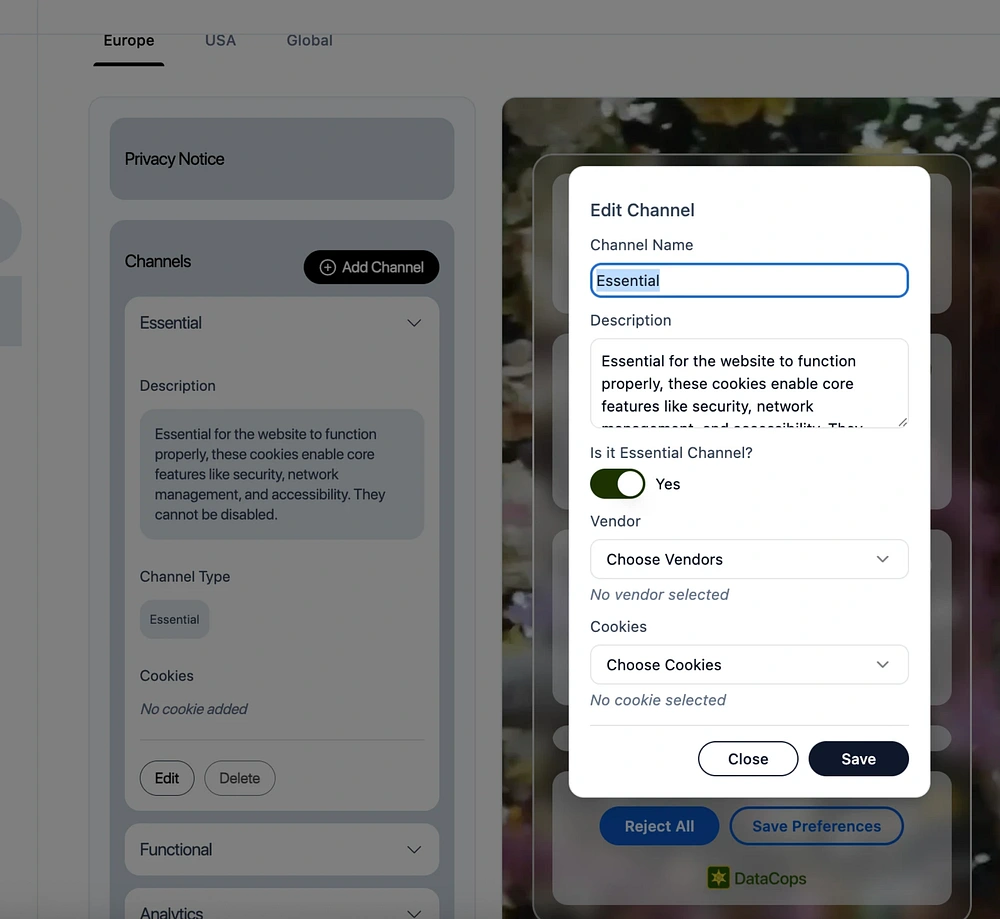
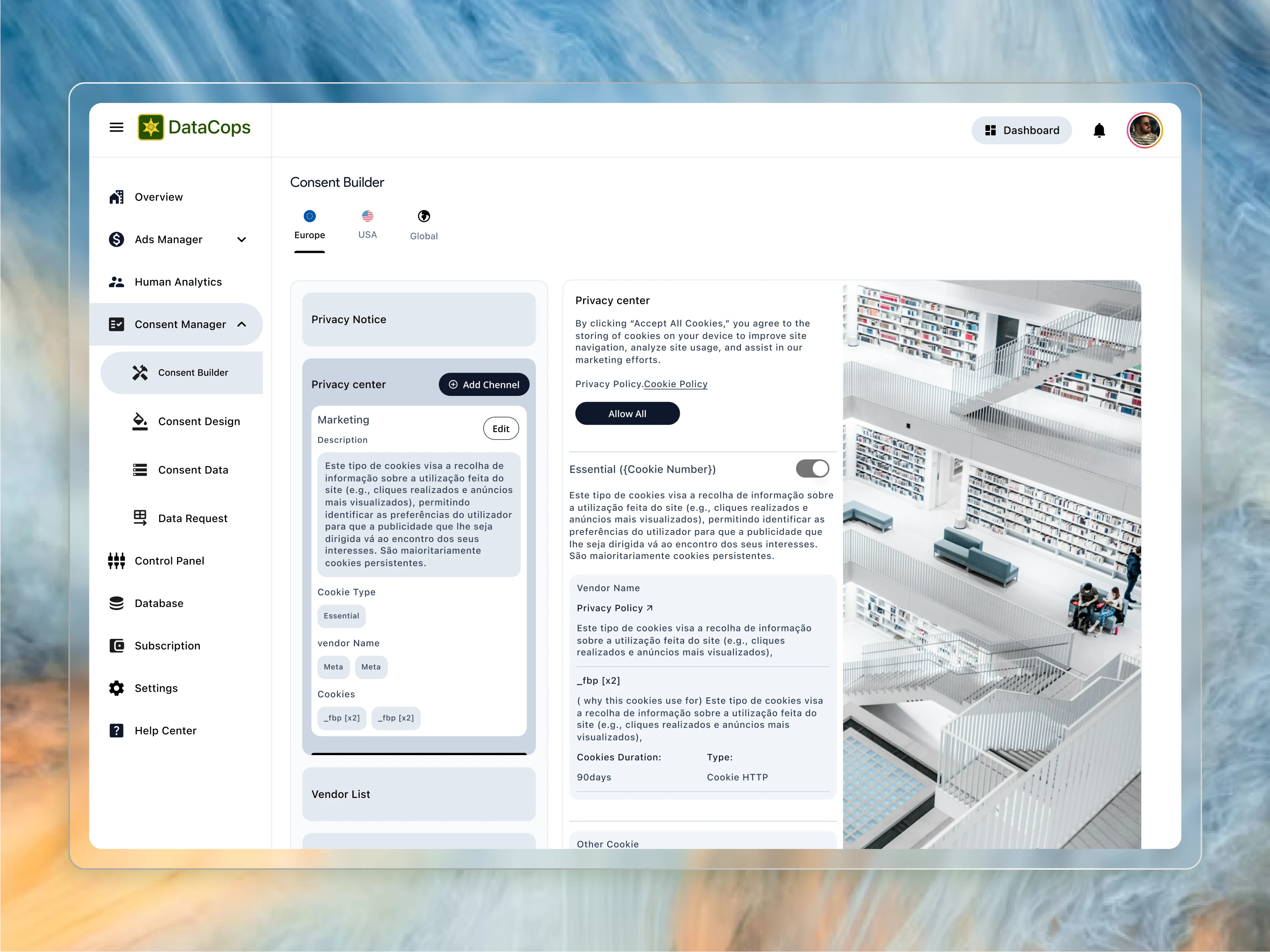
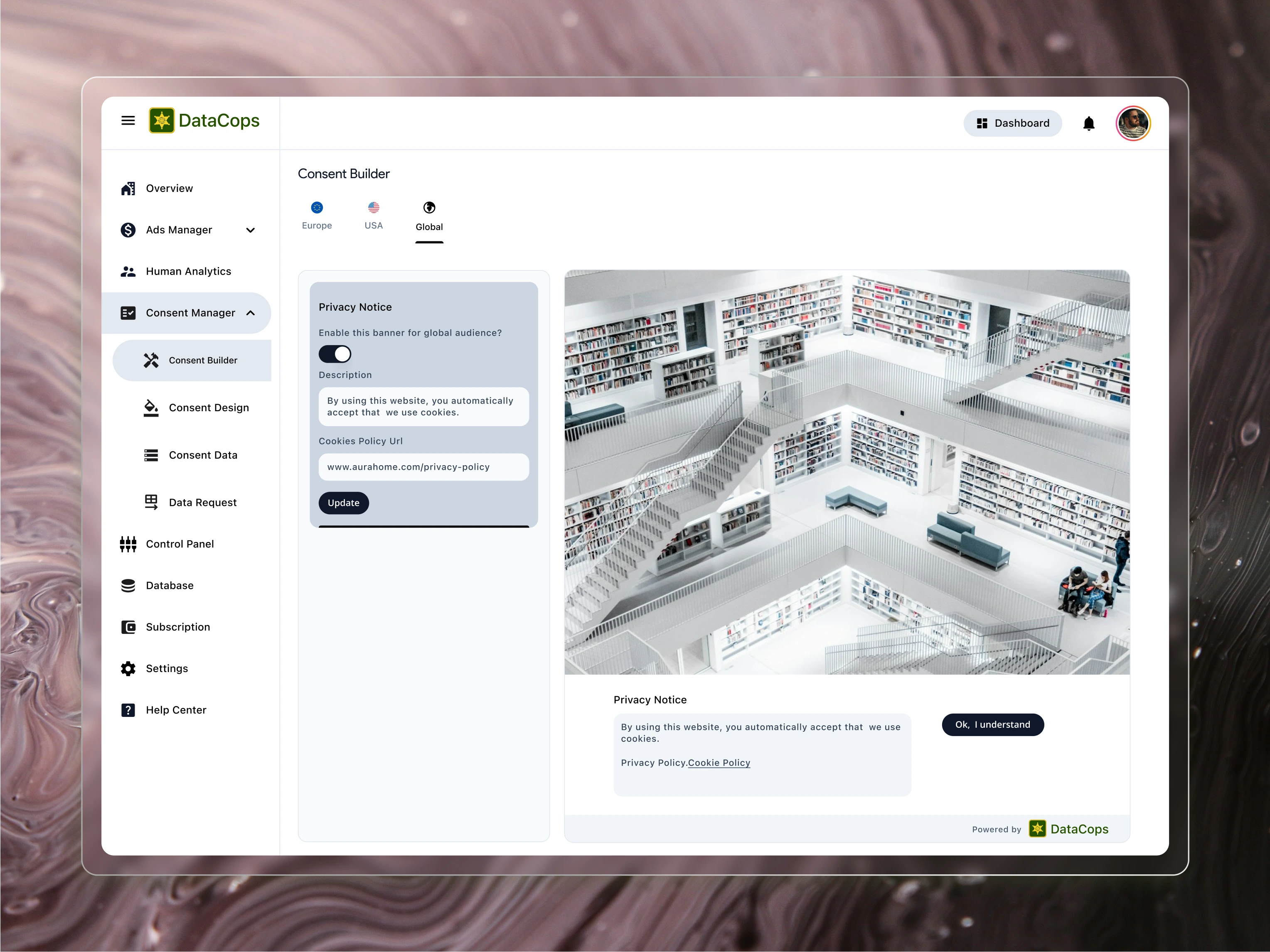
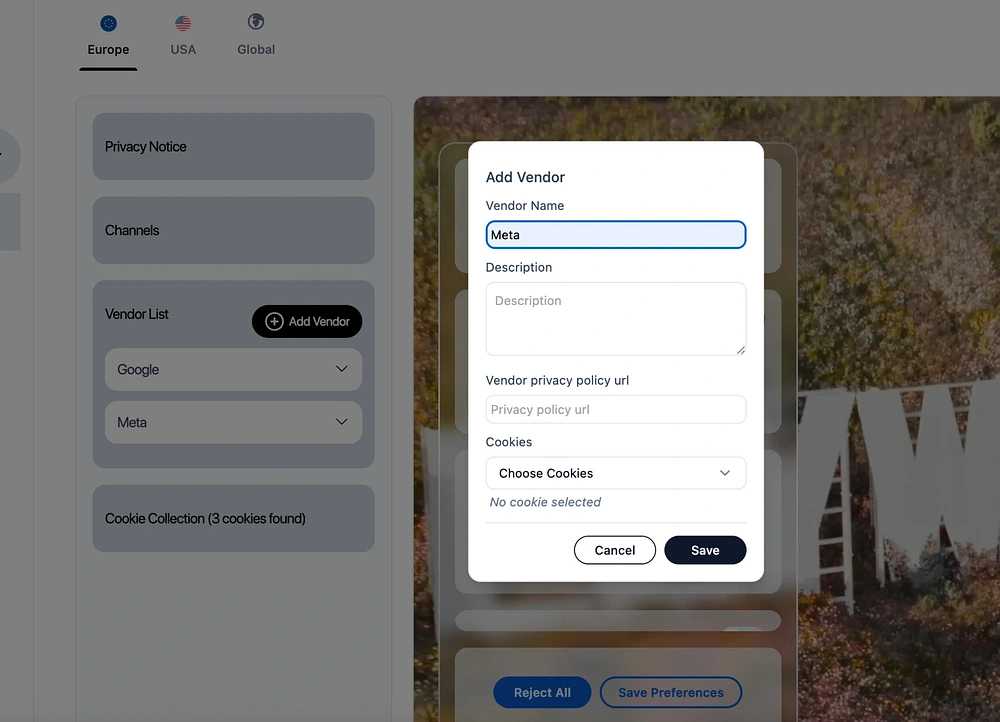
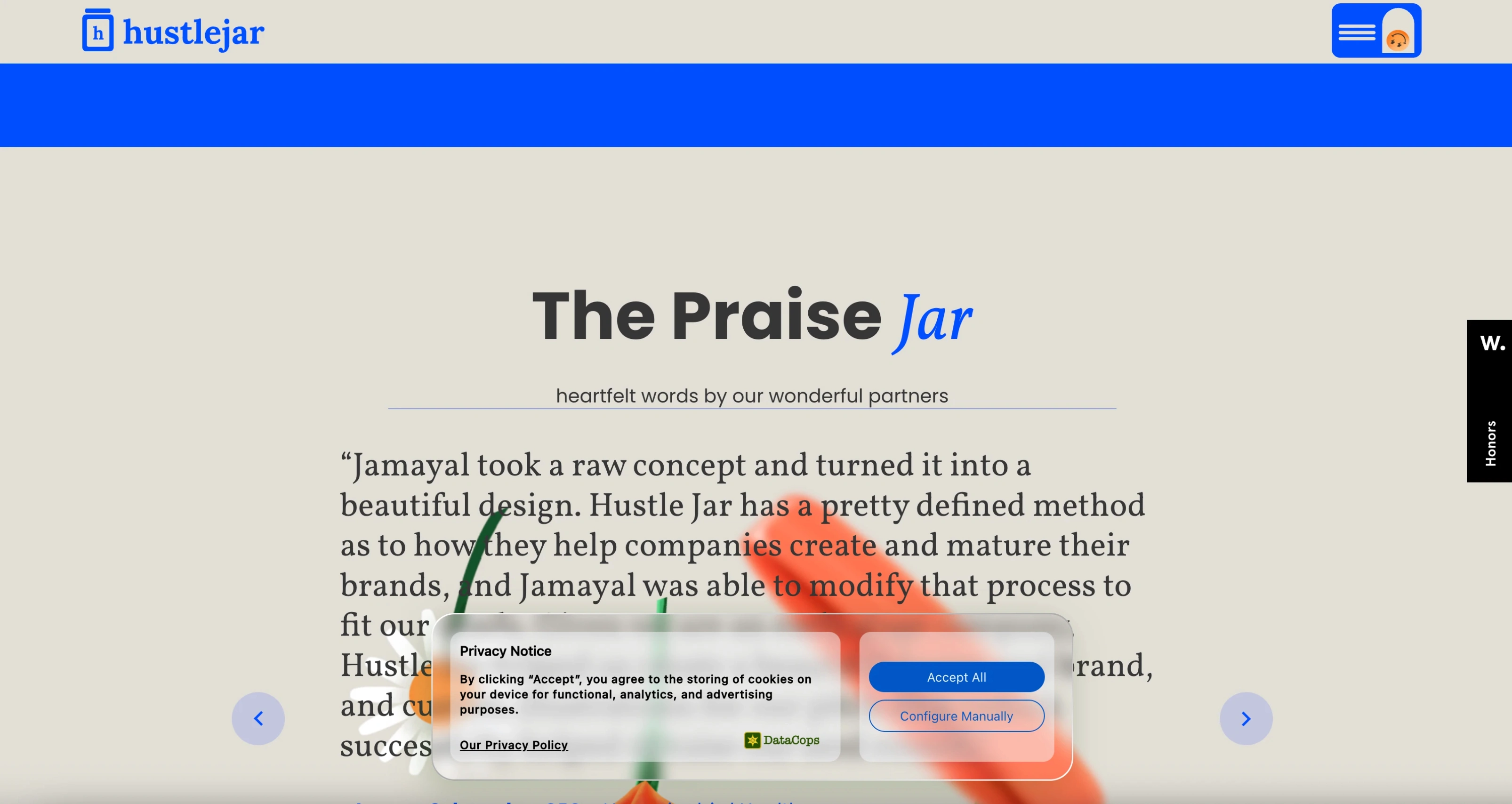
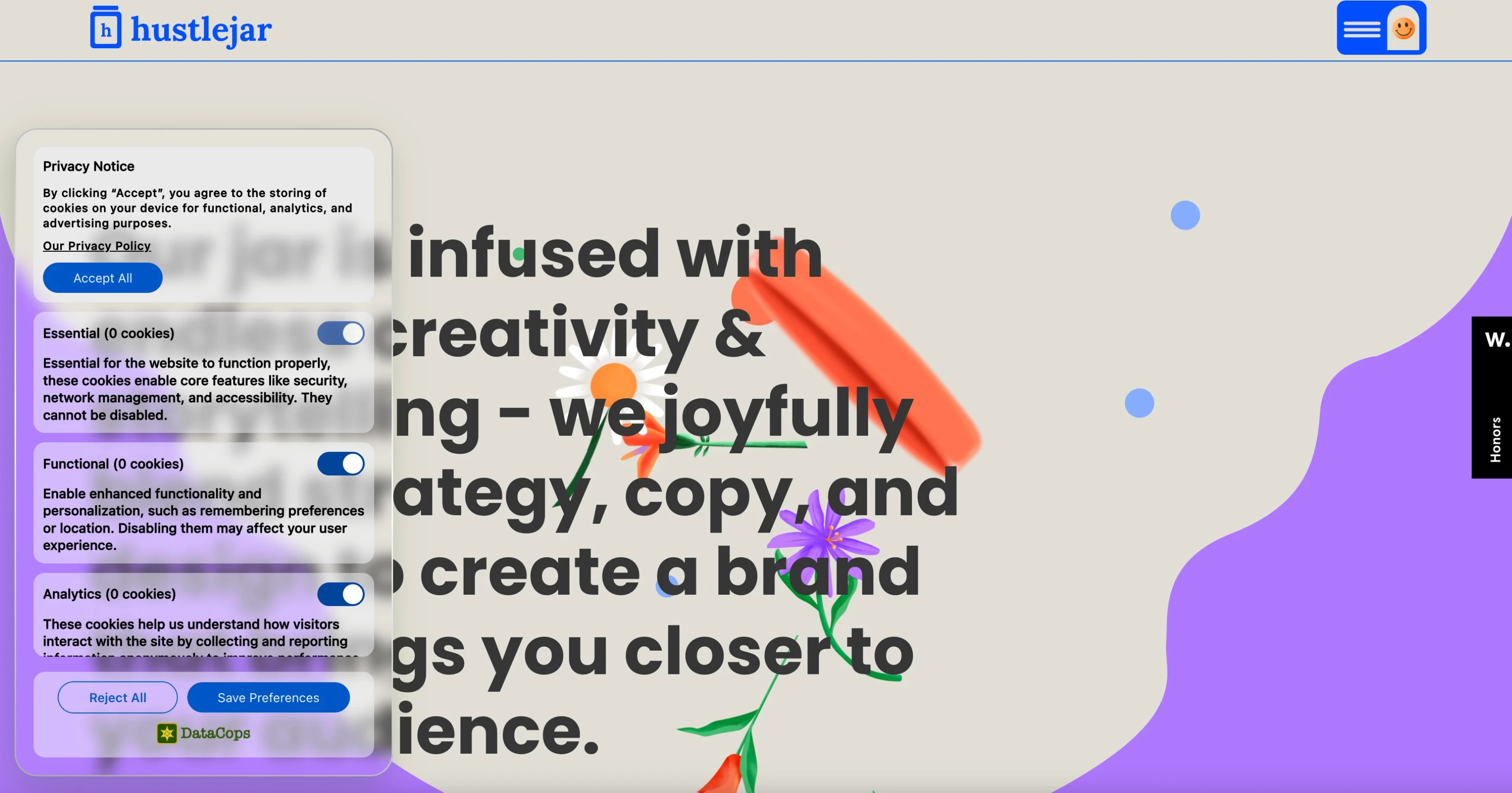
A generic consent banner wasn’t an option. The challenge was to design a system that respects user privacy absolutely while preventing the catastrophic data loss that occurs when visitors ignore or deny consent.
The solution is a two-tier data model, managed through a single, intuitive builder.
1. The Default: Cookieless, Anonymous Sessions
By default, DataCops tracks all website visitors in a cookieless, anonymous mode. This is the crucial first layer. It means we capture 100% of sessions, providing a baseline of essential, privacy-compliant data (like page views, session duration, and traffic sources) without requiring initial consent. This alone solves a major piece of the data-loss puzzle.
2. The Upgrade: Consented User Profiling
When a visitor grants consent via the customizable banner, the system intelligently upgrades that user’s profile. The anonymous session is seamlessly stitched to a persistent user ID. This unlocks deeper behavioral insights and detailed user journey analysis, but only for users who have explicitly opted in.
This two-layer system, managed from a simple interface, gives our users the best of both worlds:
A complete, baseline understanding of all site traffic.
Rich, detailed profiles for engaged users who give consent.
This approach is fully compliant with GDPR and ePrivacy, making trust and transparency an automated feature, not an afterthought.
Solving the DSAR Nightmare with an Integrated System
The Compliance Scavenger Hunt
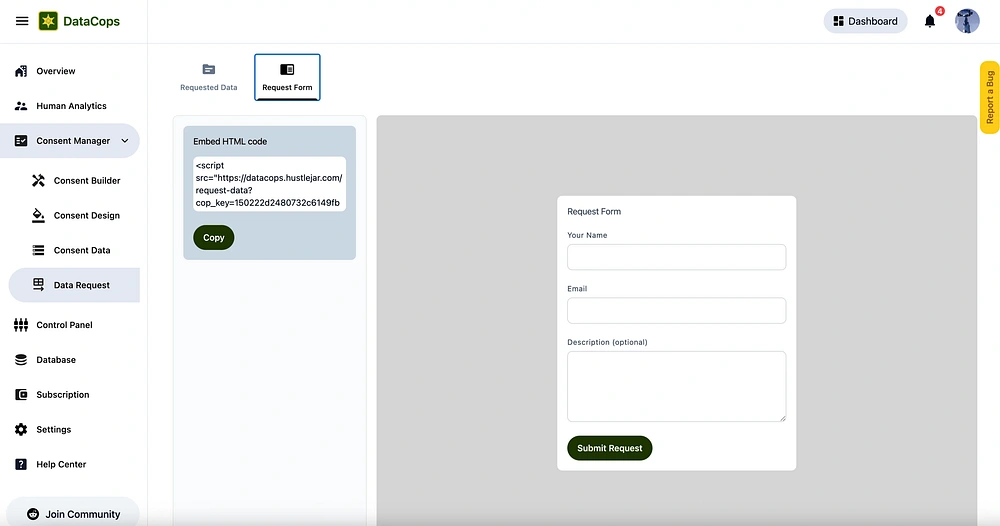
For most businesses, fulfilling a user data request (DSAR) is a high-stakes scavenger hunt. They must manually dig through disconnected analytics, consent, and CRM systems to find and delete fragmented data, risking massive fines for any mistake.
The Power of an Integrated Backend
DataCops’ ability to solve this problem comes directly from its core architecture: server-side integration.
Unlike simple browser scripts, DataCops acts as the central hub for all data. It is the system that assigns and forwards user identifiers to downstream platforms like Google and Meta.
This is where it holds the power. When a user requests deletion, DataCops doesn’t need to hunt for their various IDs across different systems. It already holds the master list of keys.
This fundamental architectural advantage turns a chaotic, manual process into a precise, automated workflow:
One-Click Initiation: The admin starts the DSAR process in the DataCops dashboard.
Automated Deletion Calls: Using its master list of IDs, DataCops programmatically calls the specific deletion APIs of each connected platform (Google, Meta, HubSpot, etc.).
Verifiable Audit Trail: The system logs every successful API request, providing a clear, auditable record for compliance.
By designing the system this way, it transform the DSAR process from a reactive, high-risk chore into a controlled, automated strength of the platform.
Compliant by Design: Global vs. Privacy Views
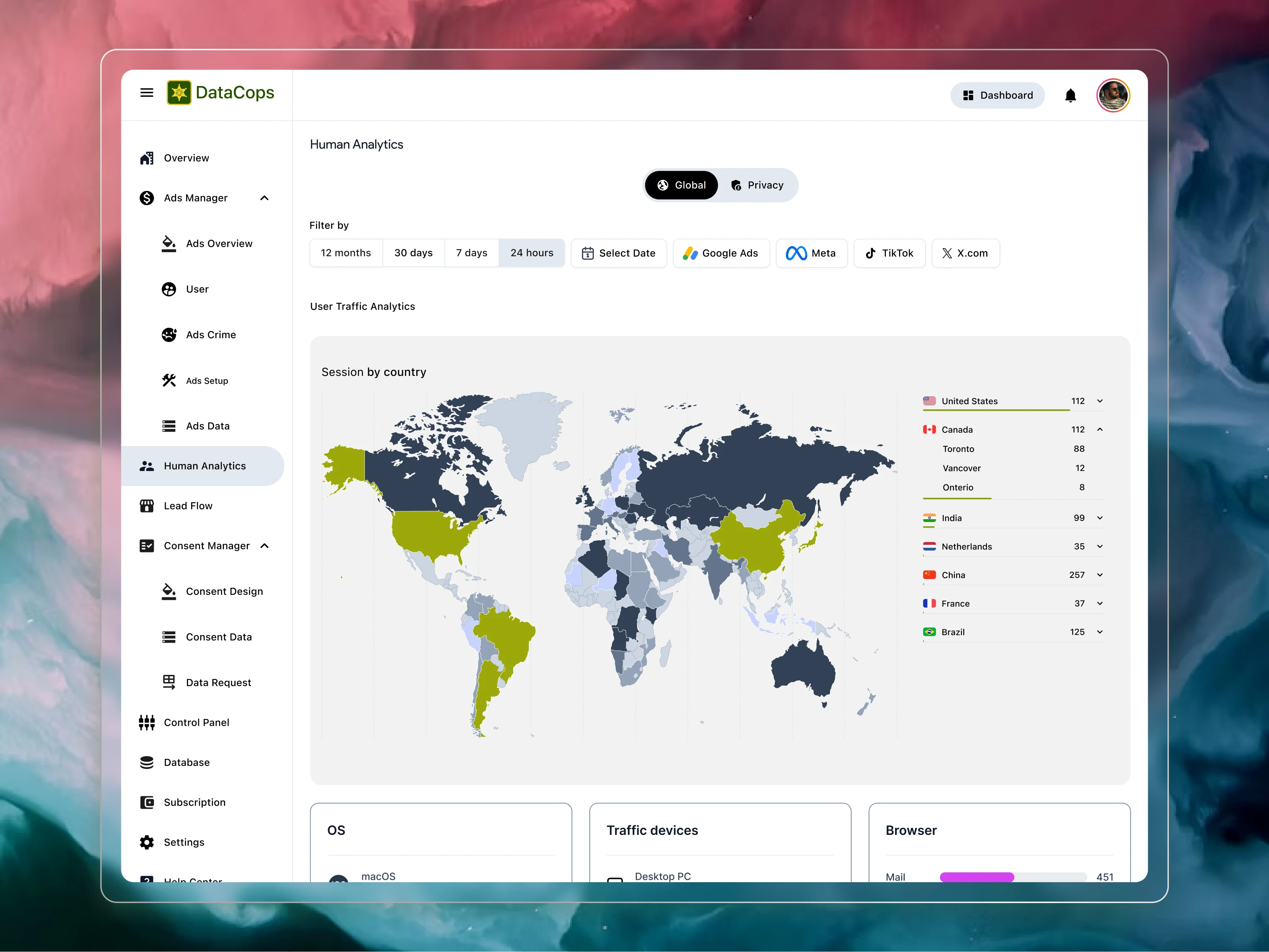
A single analytics dashboard can’t legally represent all users. To solve this, I designed a powerful toggle that segments the dashboard into two distinct, compliant contexts.
Global View
This view shows all verified human traffic from regions outside of strict privacy zones (like the GDPR). The focus is on overall site performance, user trends, and engagement for the general audience.
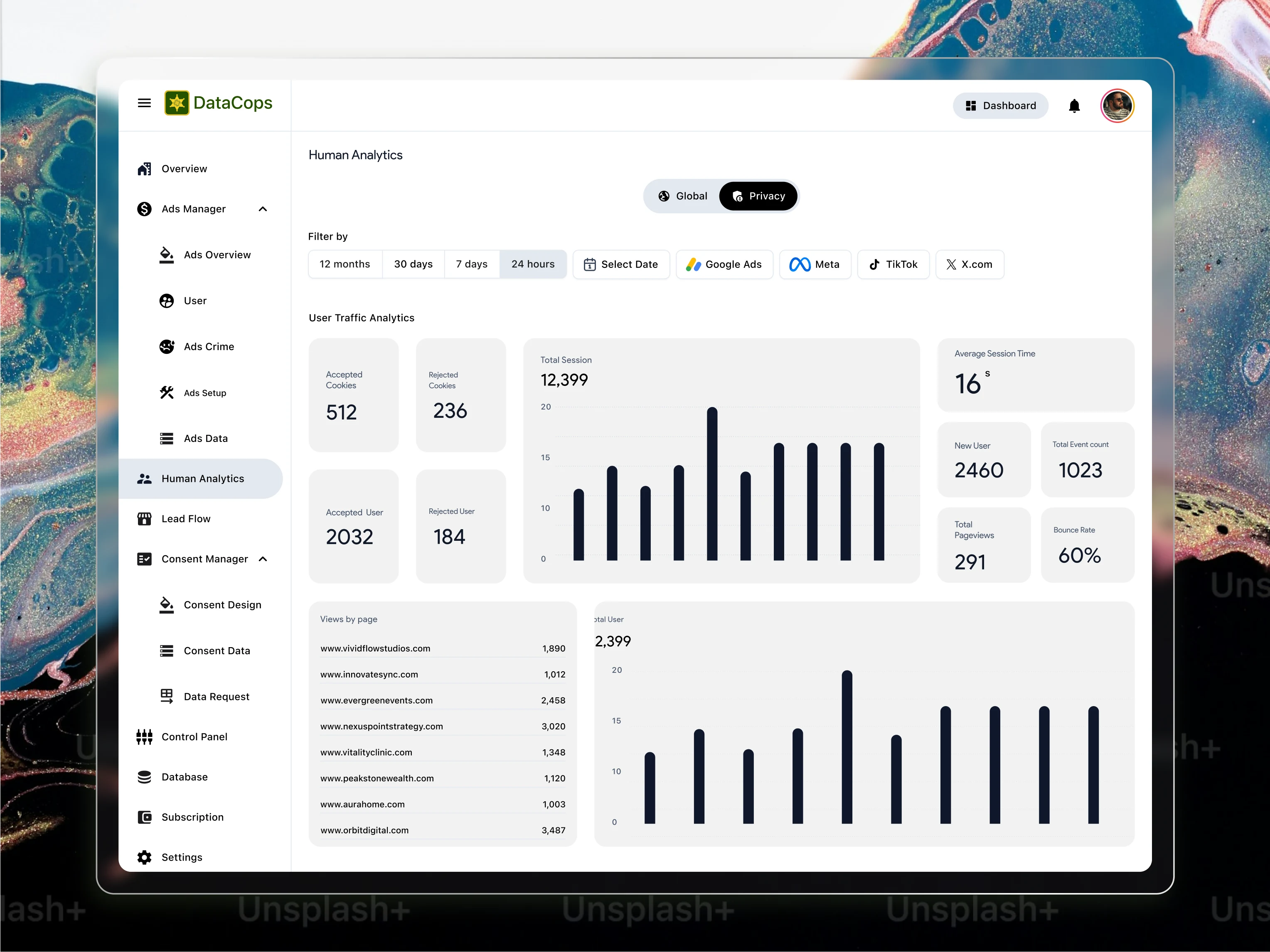
Privacy View
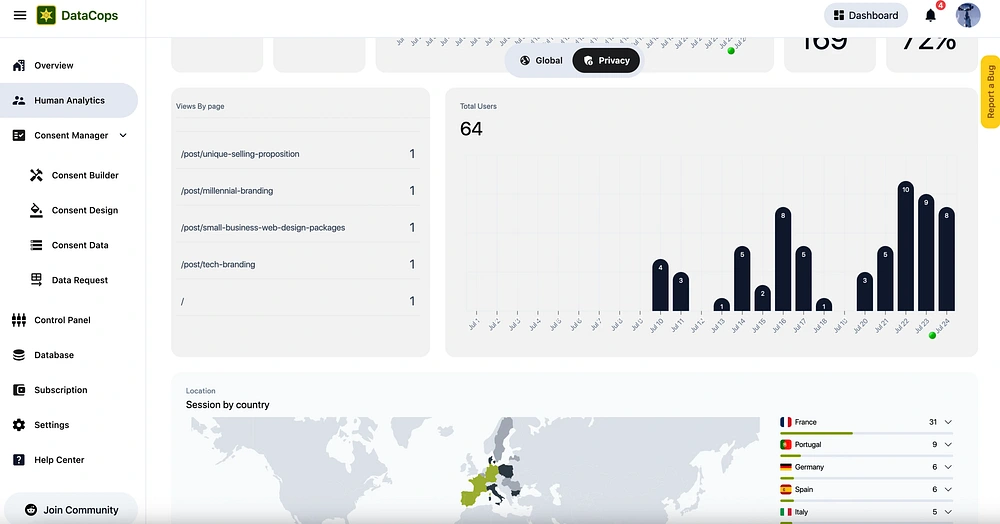
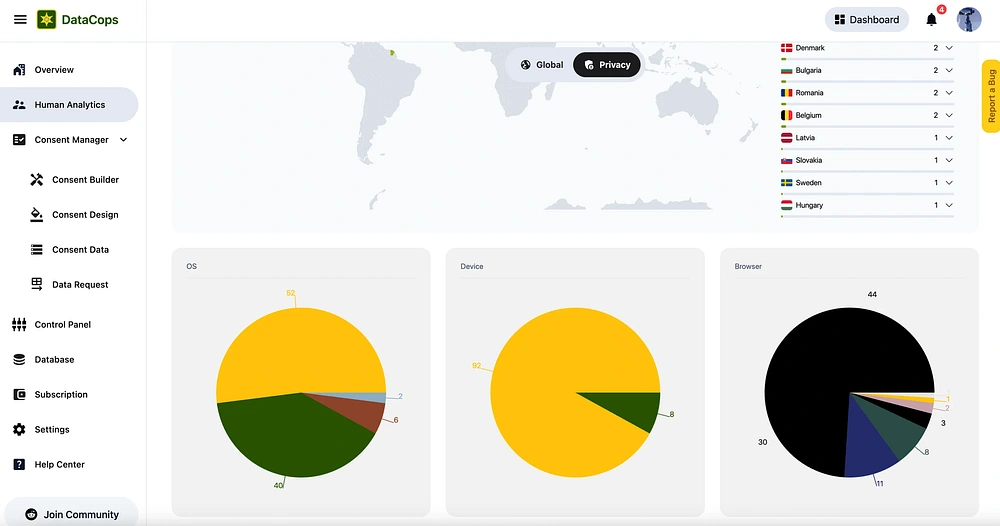
When toggled, the dashboard intelligently adapts to a strict privacy context. It isolates traffic from regulated zones and pivots the view around consent. The primary metrics become Consent Rate and Accepted vs. Rejected users. All traffic data shown is based only on the cohort of users who have explicitly given consent.
This dual-view system ensures every decision is made with contextually appropriate and compliant data.
Proactive Traffic Control
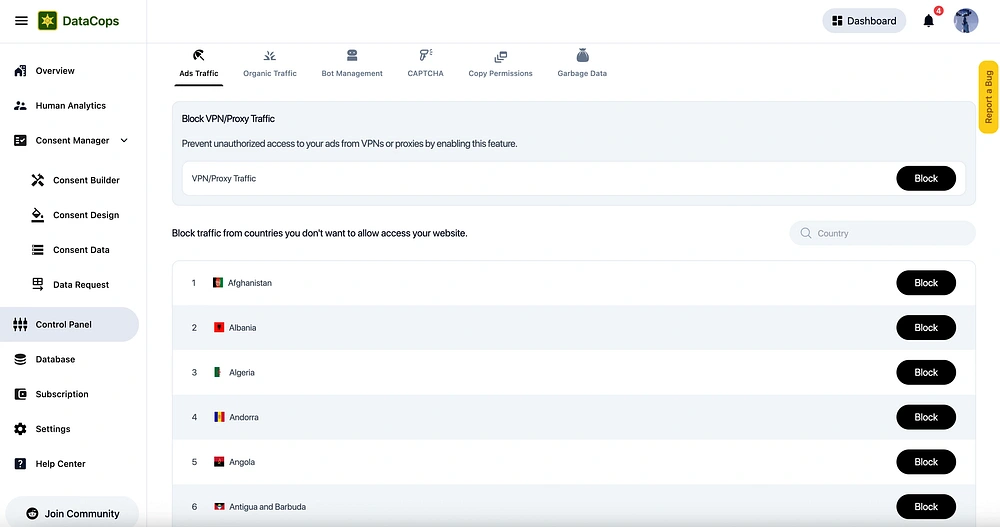
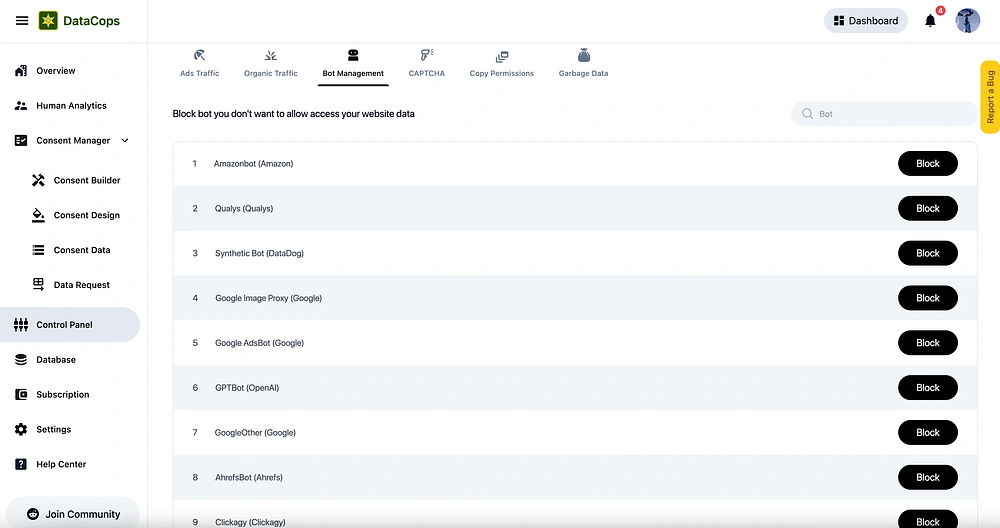
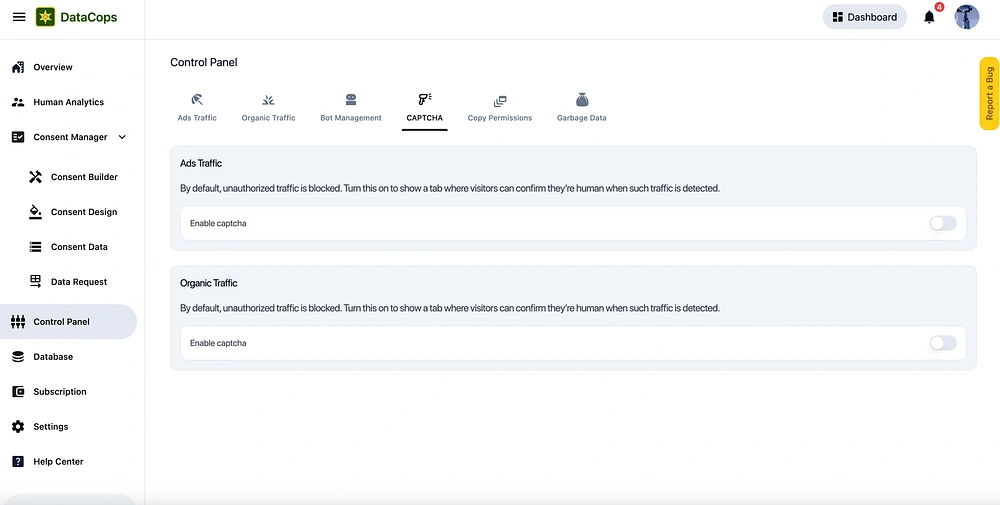
To combat malicious bots, ad fraud, and scrapers, I designed a Traffic Governance panel that transforms passive analytics into an active defense system.
It gives users direct control to:
Block Countries: Stop regional ad fraud and security threats.
Block VPNs & Proxies: Prevent fraudulent clicks.
Manage Bots: Protect content and intellectual property.
Full Data Ownership: Your Data, Your Rules
I designed the platform on a core principle: true data ownership means no vendor lock-in.
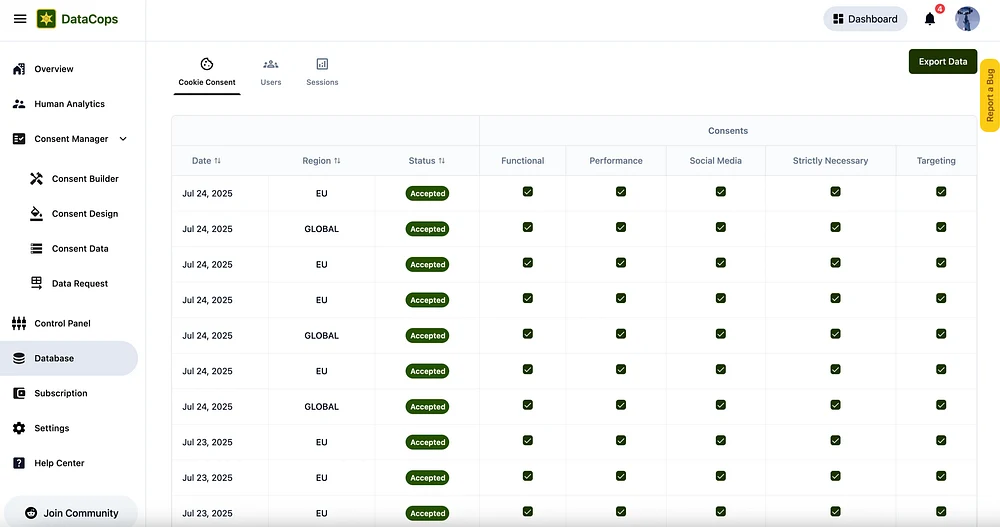
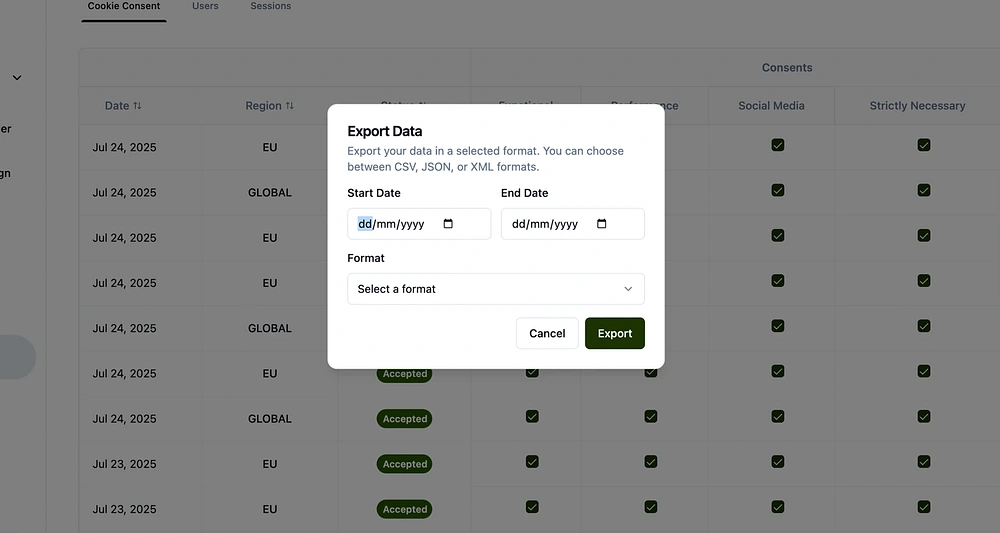
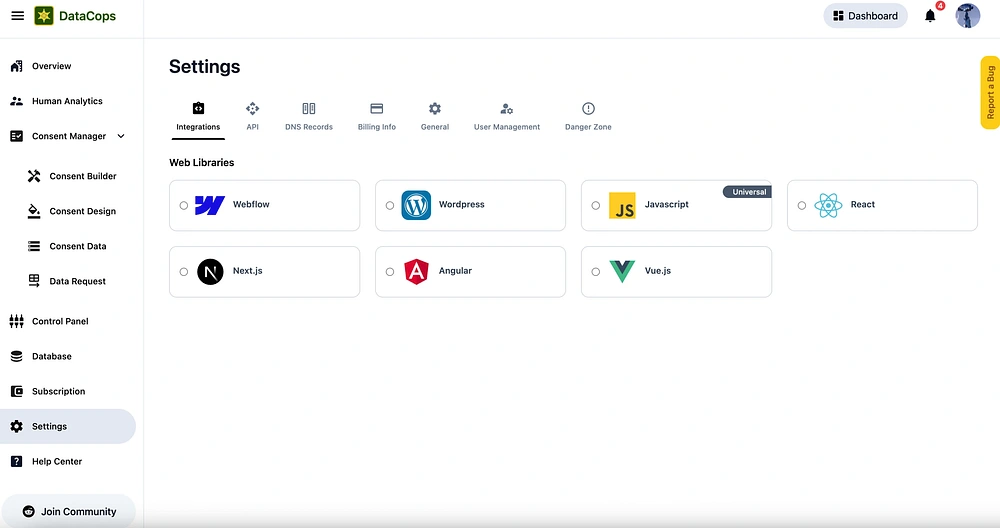
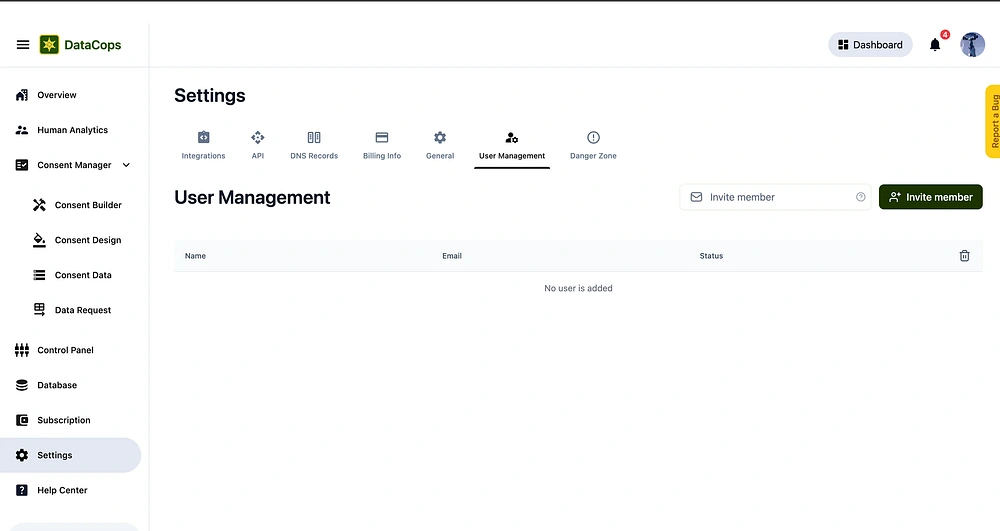
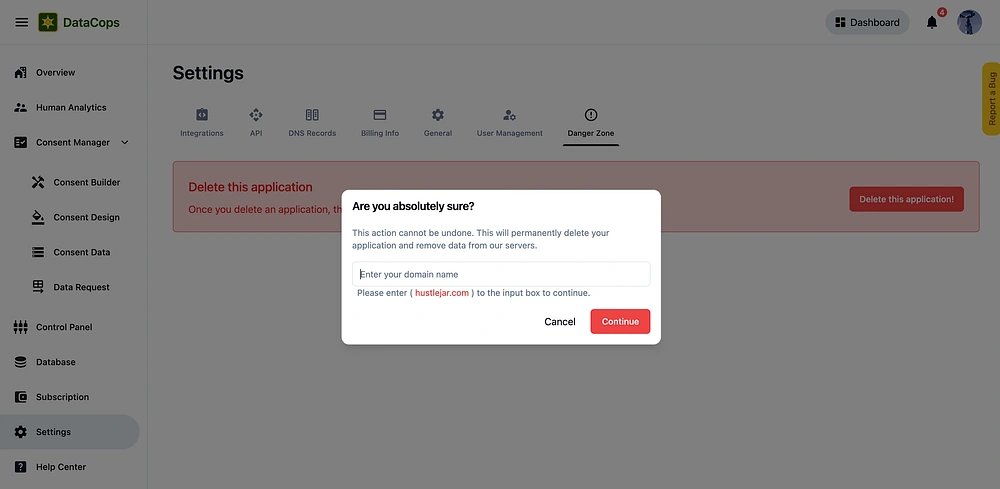
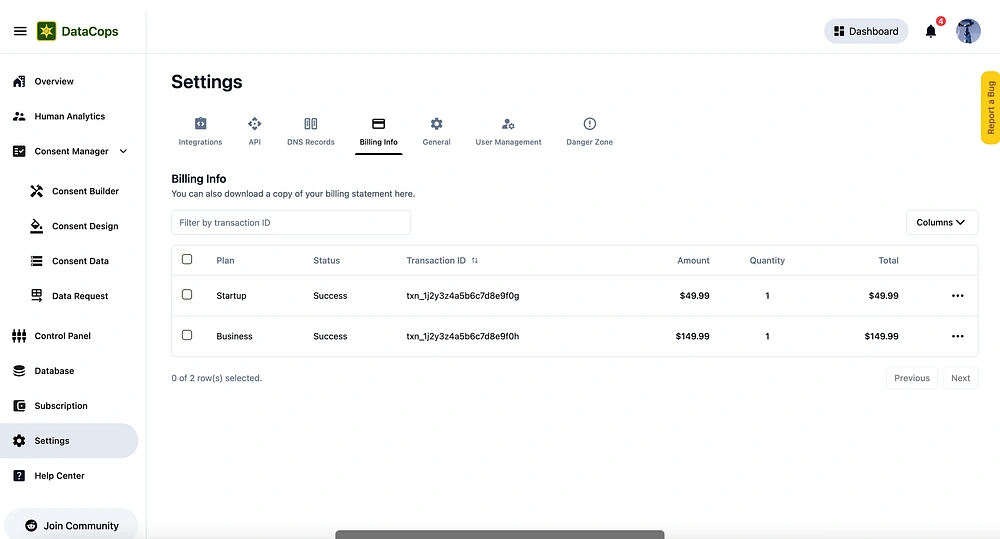
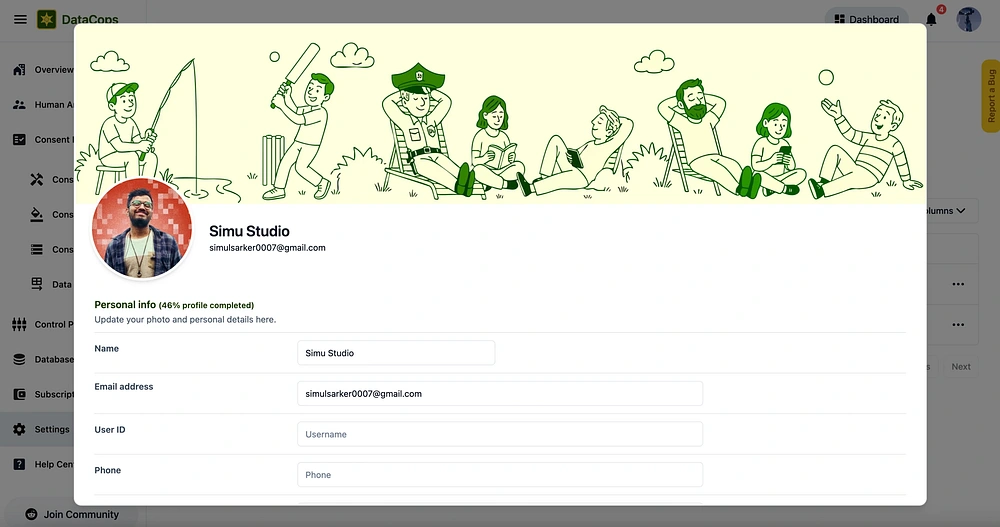
Settings and others, keep simple and accessible.
Landing Page Design Strategy
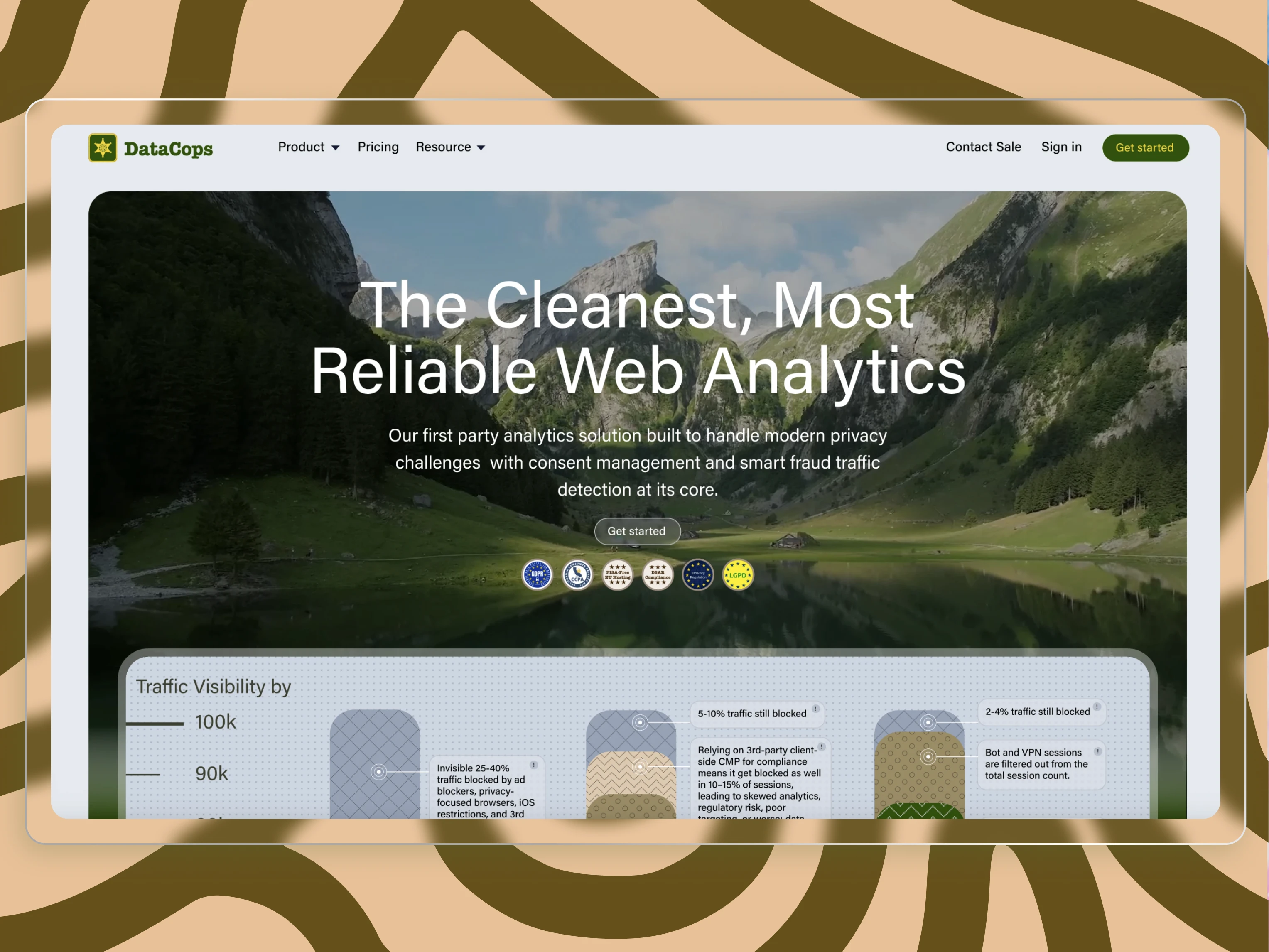
I designed the landing page to tell a simple story: traditional analytics are broken, and DataCops is the trustworthy solution.
The Hook: The headline immediately targets the user’s biggest pain: “Stop Guessing. See 100% of Your Traffic.”
The Problem: I used hard stats on data loss and bot traffic to validate the user’s frustration.
The Solution: I positioned DataCops’ first-party, server-side architecture as the clear antidote to data blindness.
The Aesthetic: The visual design is clean, structured, and precise to build a sense of trust and clarity.

This project is live. You may visit and try it out: www.trydatacops.com
That’s all.

Like this project
Posted Aug 12, 2025
Designed DataCops, a SaaS analytics platform to restore data trust.