Built with Framer
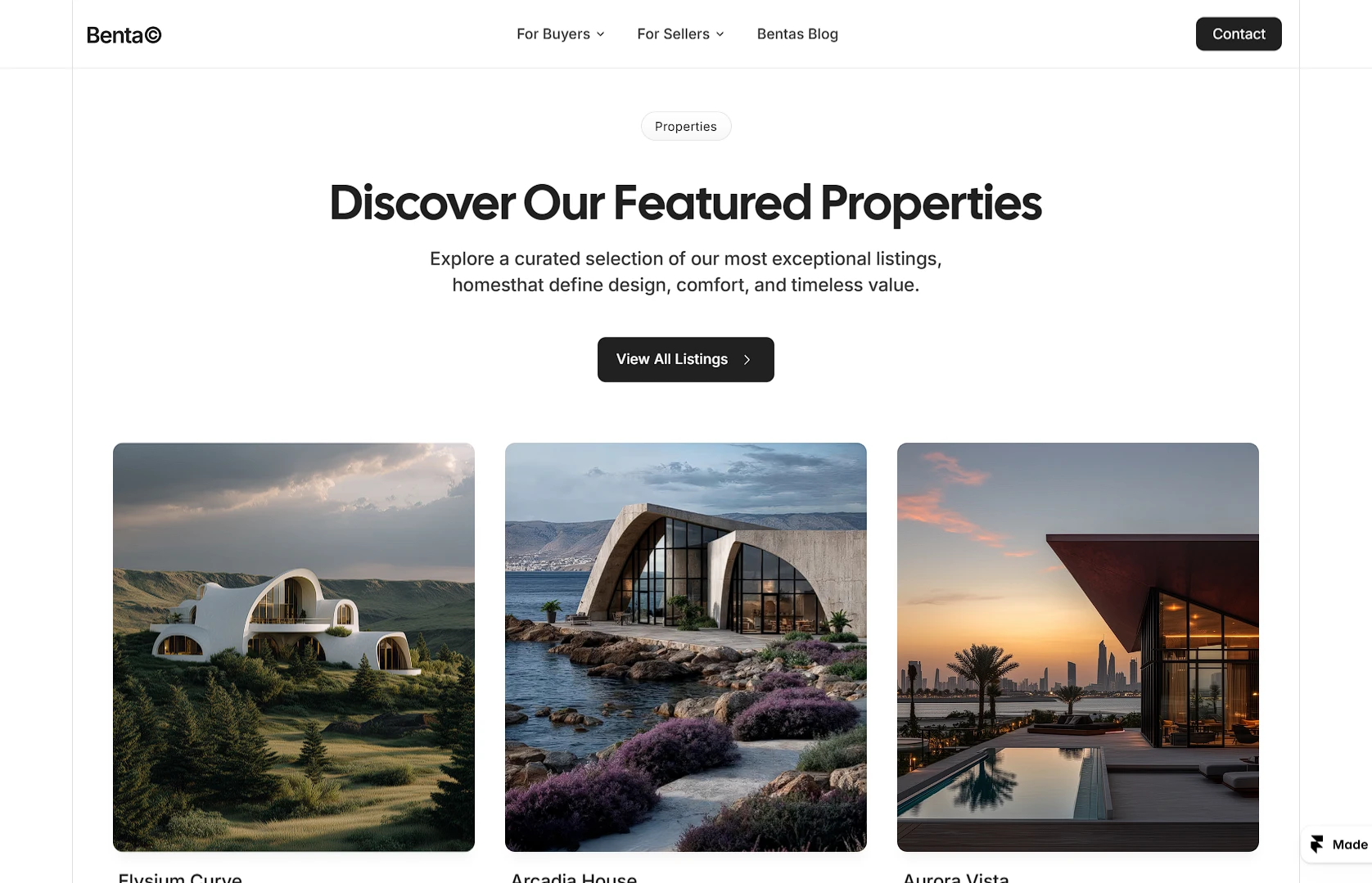
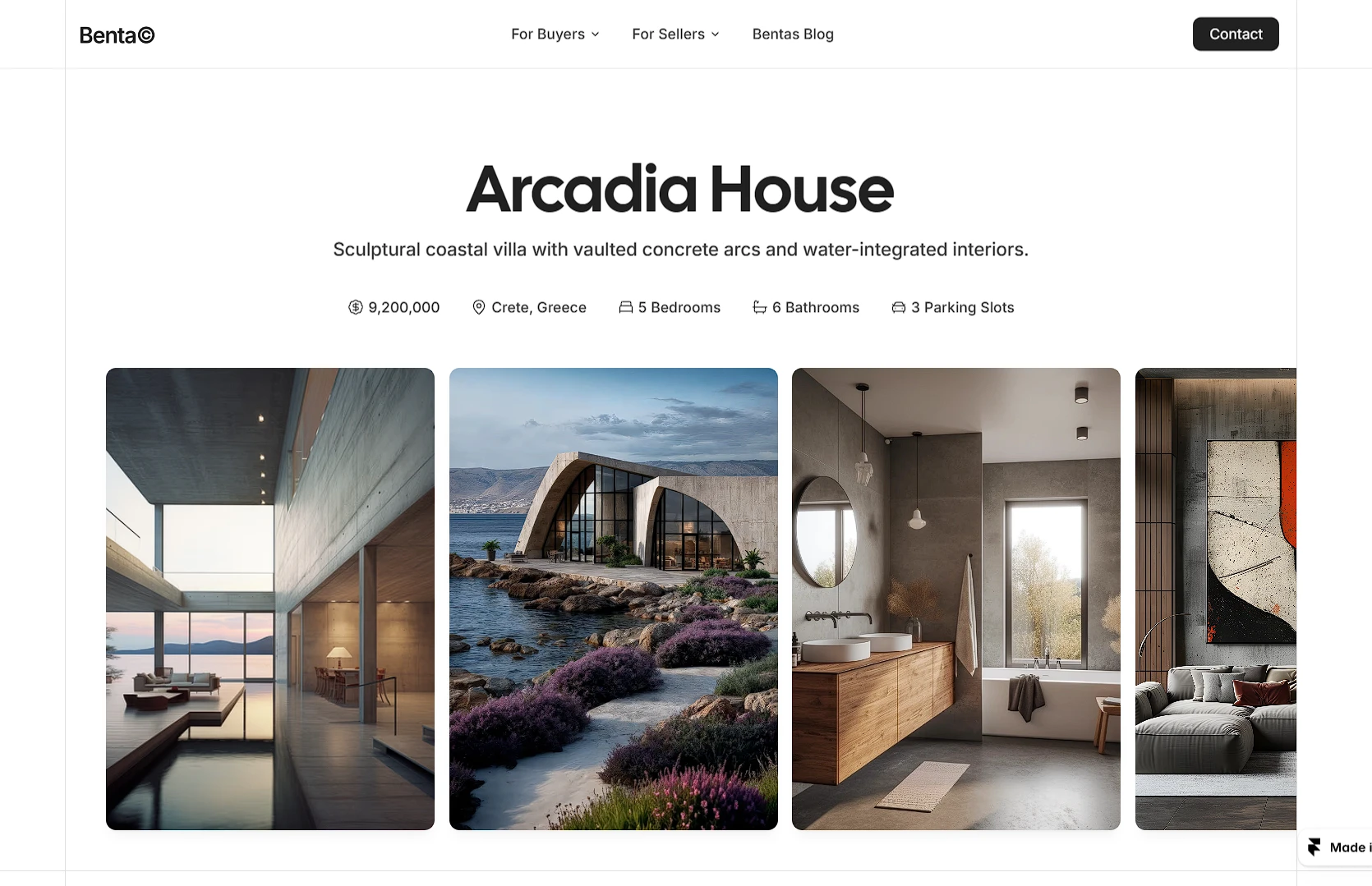
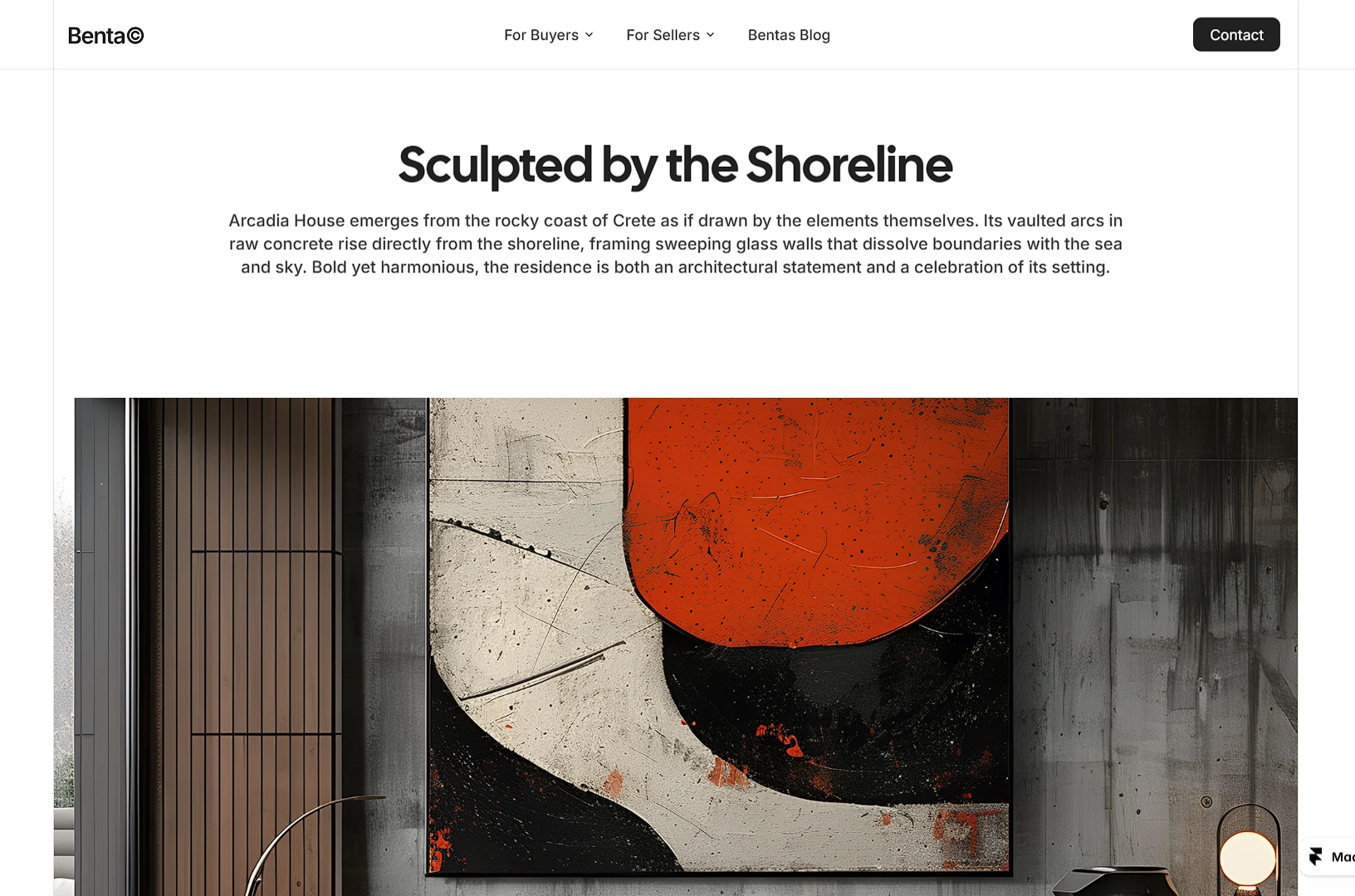
Benta — High-Quality Framer Template for Real-World Use

Marto Mads


My goal wasn’t just to create a template — it was to build a professional, flexible website system that real designers, agencies, and creators could customize and use to land clients.
To achieve this, I focused on:
Clean and intentional design
Smart component structure
Strong storytelling flow
Scalable CMS
Smooth and meaningful interactions
Everything was built as I would for a client project: with precision, consistency, and long-term usability in mind.
In-Depth Case Study Content
1. Understanding Real User Needs
Before designing, I studied how creatives actually showcase their work. I identified the elements that help them convert visitors into leads, such as:
A strong introduction that builds trust
Clear value propositions
A structured and easy-to-read project section
Credibility through testimonials
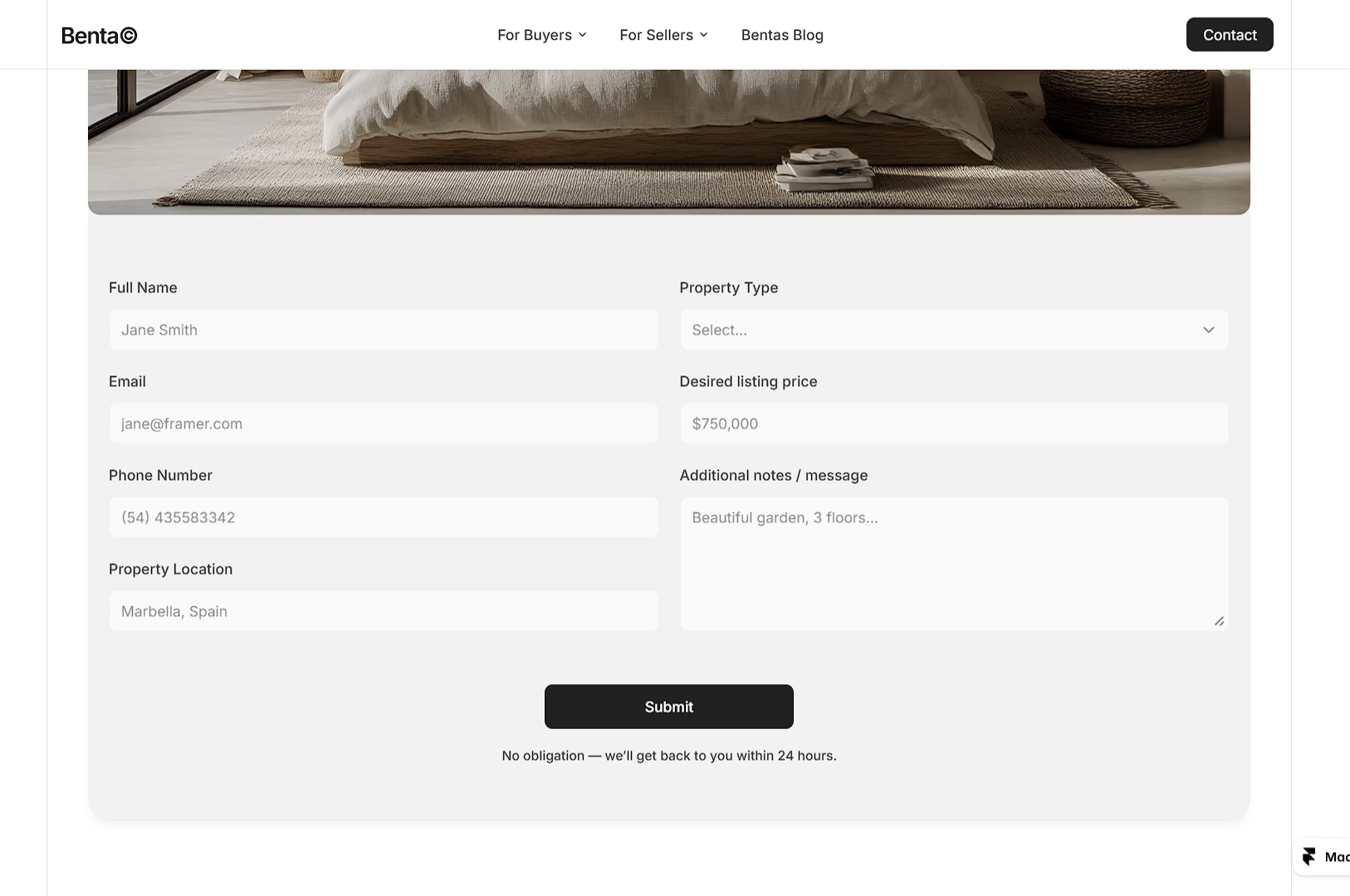
A simple but effective contact flow
This research guided every design decision.
2. Designing With Intention
I crafted a layout that balances simplicity with personality:
Strong visual hierarchy
Consistent spacing system
Modular sections that adapt to different kinds of content
Smooth scroll animations that add polish without slowing the experience
Every component was designed to feel premium, modern, and professional — the kind of foundation a client expects from a top-tier designer/developer.
3. Scalable and Organized Development in Framer
For the build, I prioritized performance, reusability, and clarity:
CMS for projects, testimonials, and metadata
Global typography + color system
Fully responsive across all breakpoints
Clean component architecture
Easy-to-edit text and structure
Interactive elements built with logic and accessibility in mind
Clients often value a site that they (or their team) can update easily. This project was built specifically with that in mind.
4. Marketplace-Level Quality Standards
To get accepted into the Framer Marketplace, everything had to follow strict quality guidelines:
Optimized structure
Pixel-perfect responsive design
Clear naming conventions
Bug-free interactions
Smooth performance across devices
This ensures the same level of quality I deliver to every client project — the template review process essentially mirrors a real paid project’s quality requirements.
5. Impact & What It Means for My Clients
This project helped me refine a repeatable workflow I now use for client work:
Clear design direction
Strong visual systems
Efficient development in Framer
High-quality animations
CMS-ready architecture
Fast turnaround times
Reliable communication and documentation
By working through the full process from concept to marketplace approval, I strengthened the exact skills clients hire me for.
Like this project
Posted Nov 27, 2025
Crafting clean, scalable, high-quality sites with smooth interactions and conversion-focused structure.
Likes
0
Views
5


WearFlash — Cycling Apparel Brand Ecommerce Website
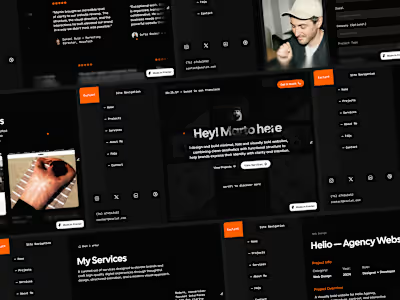
Esclat — Building a Clean, Modern Portfolio Template in Framer
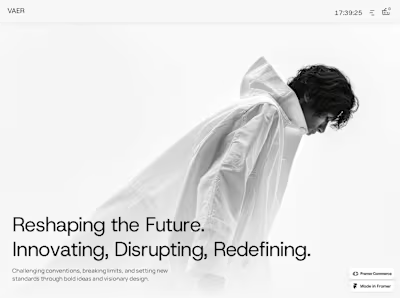
Vaer — High End Fashion eCommerce Template in Framer