CoLab: Mobile App Design for Shared Living

Node Studio


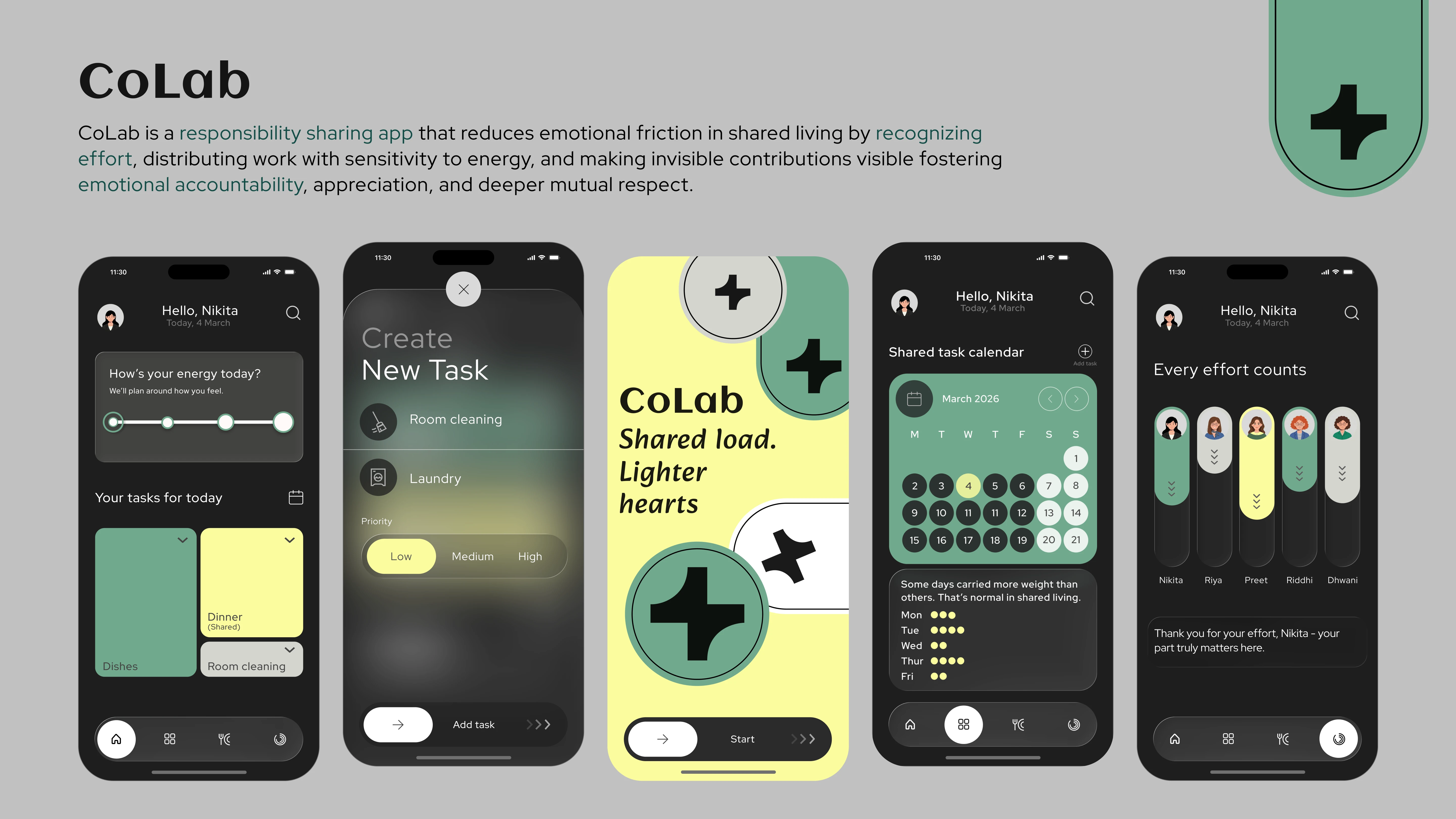
CoLab is a responsibility-sharing mobile app designed for people living together - roommates, flatmates, or shared households. It tackles an invisible but very real problem: the emotional friction that builds when contributions go unnoticed and workloads feel unequal. My role was end-to-end, UX research, interaction design, UI design, and branding.
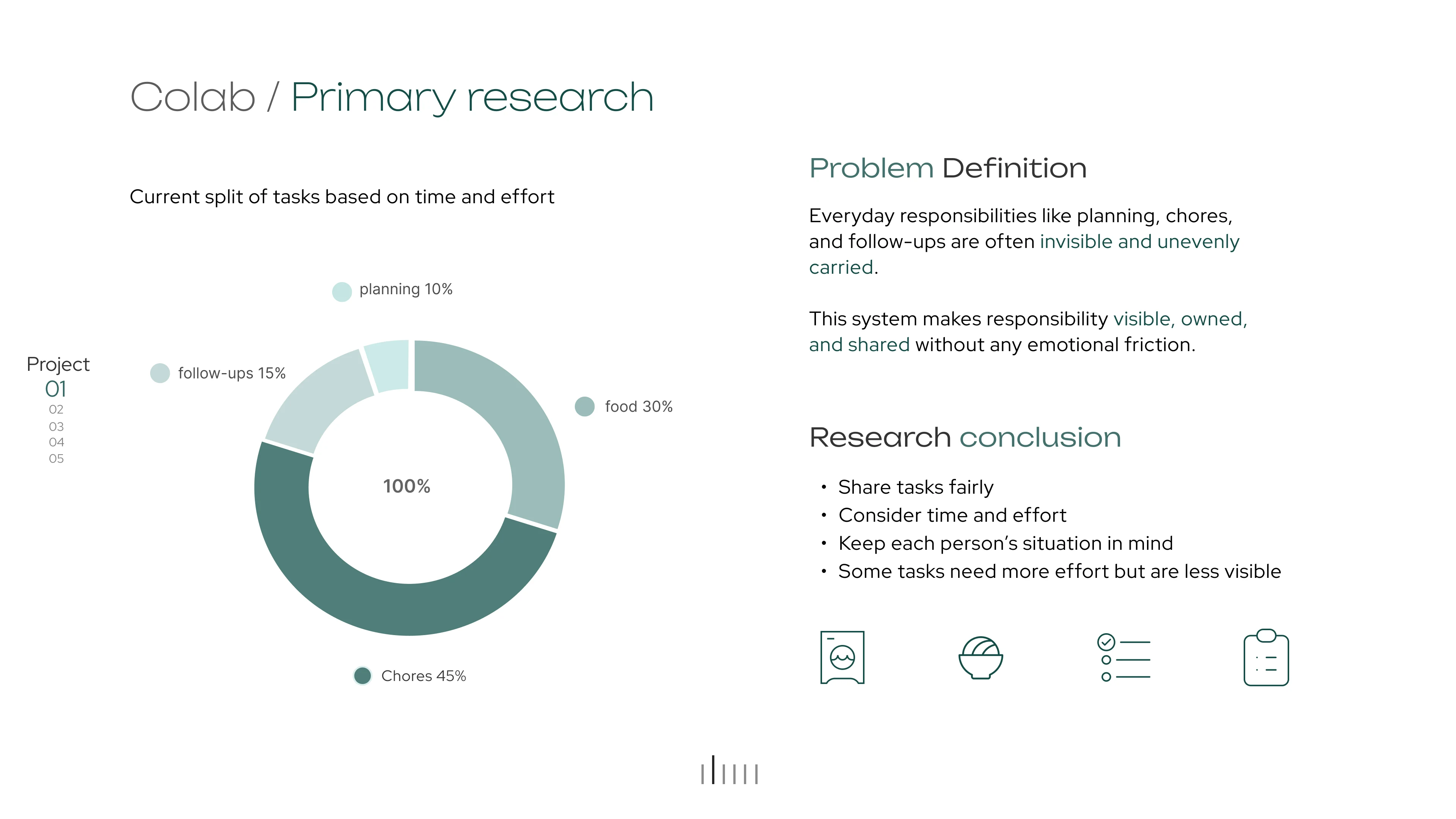
The problem
In shared living, most conflict isn't about big issues - it's about dishes, laundry, and the feeling that you're always the one doing more. The real problem isn't laziness. It's that effort is invisible, energy levels differ day to day, and there's no fair system to distribute responsibility. Existing solutions like shared checklists or WhatsApp reminders feel transactional and often create guilt rather than cooperation. CoLab was designed to fix that.
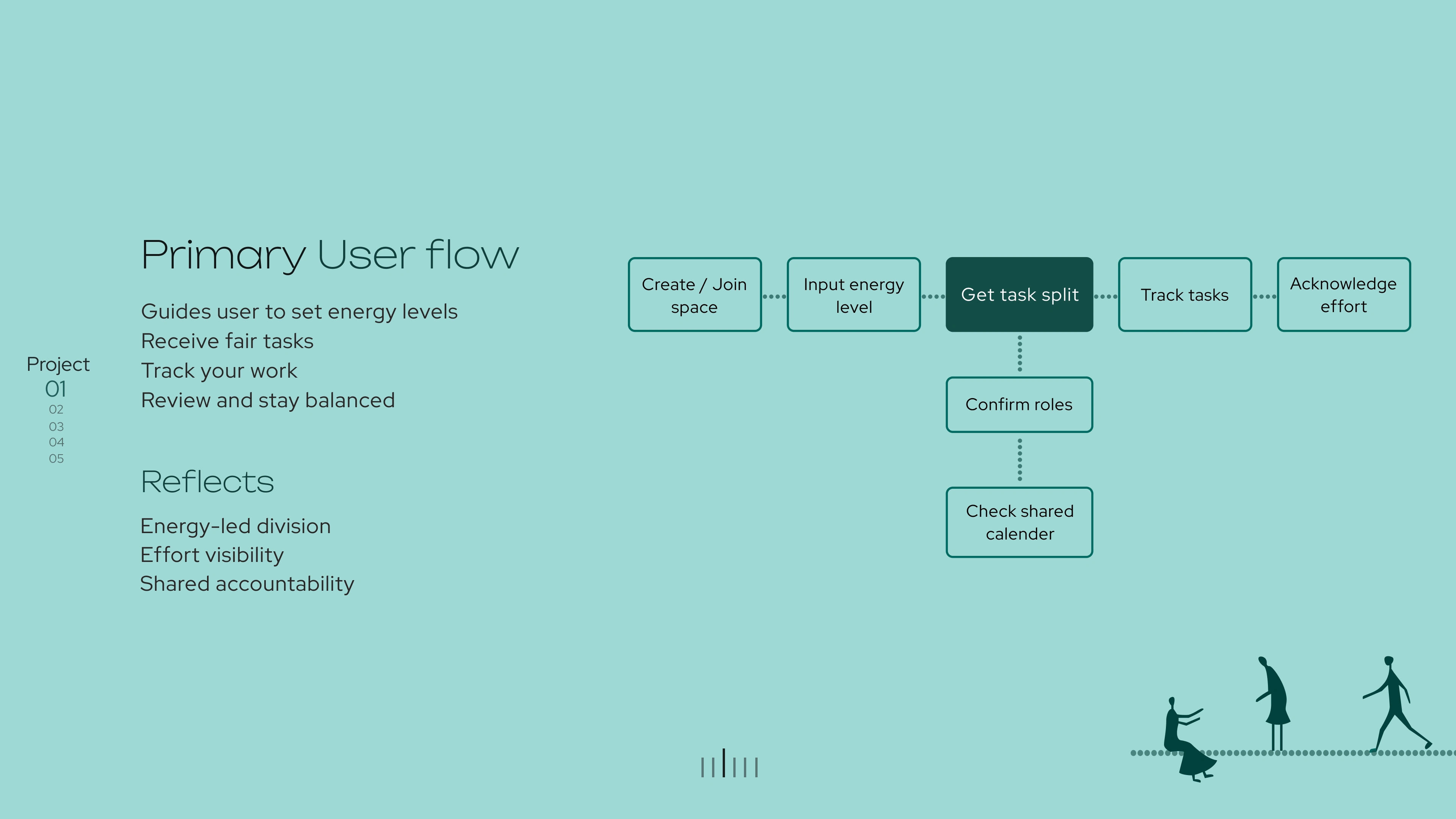
Research / insights
I spoke with students and young adults living in shared accommodations to understand their friction points. Three themes emerged consistently:
People felt unseen - their contributions went unacknowledged
Task distribution ignored how someone was feeling that day
There was no shared visibility into who had done what over time
These insights directly shaped the three core features of CoLab : an energy check-in, a shared task calendar, and an effort recognition system.
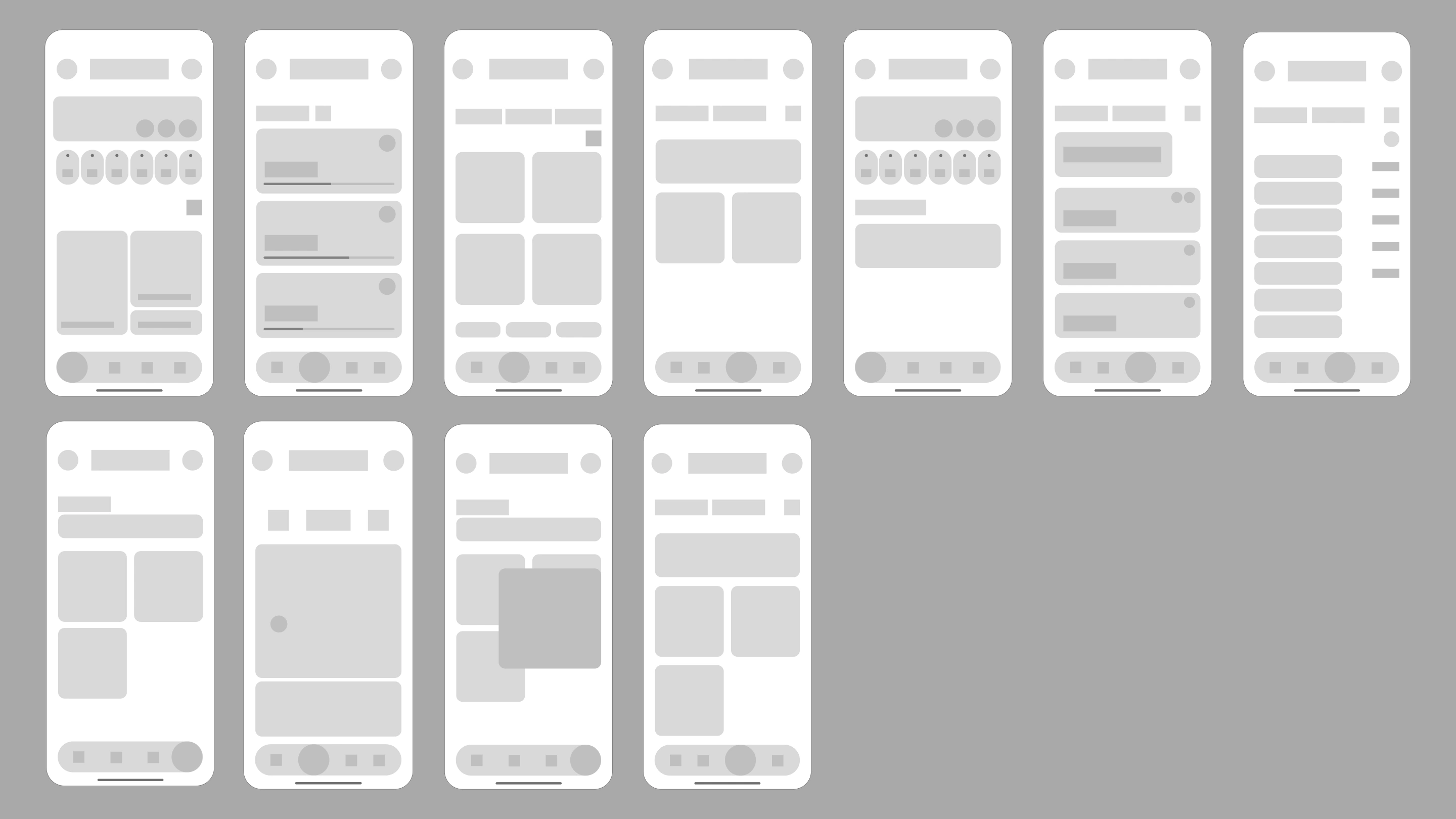
Created the Low-fidelity wireframes as per the needs of the users from the primary survey done.
Design decisions
Energy slider on home screen - Most task apps assign based on availability, not capacity. The energy check-in at the start of every session means the app plans around how you actually feel, reducing guilt when someone is having a low day.
Yellow and green color system - Yellow marks personal tasks; green marks shared ones. This visual separation lets users instantly understand responsibility without reading labels, reducing cognitive load in a daily-use app.
"Every effort counts" screen - Appreciation is one of the most under-designed emotions in productivity apps. This screen makes contributions visible across all housemates over time, shifting the dynamic from resentment to recognition.
Dark base with soft accent colors - Shared living apps are used at night, in low light, by tired people. A dark UI reduces strain while the yellow-green accents keep the experience feeling warm rather than clinical.
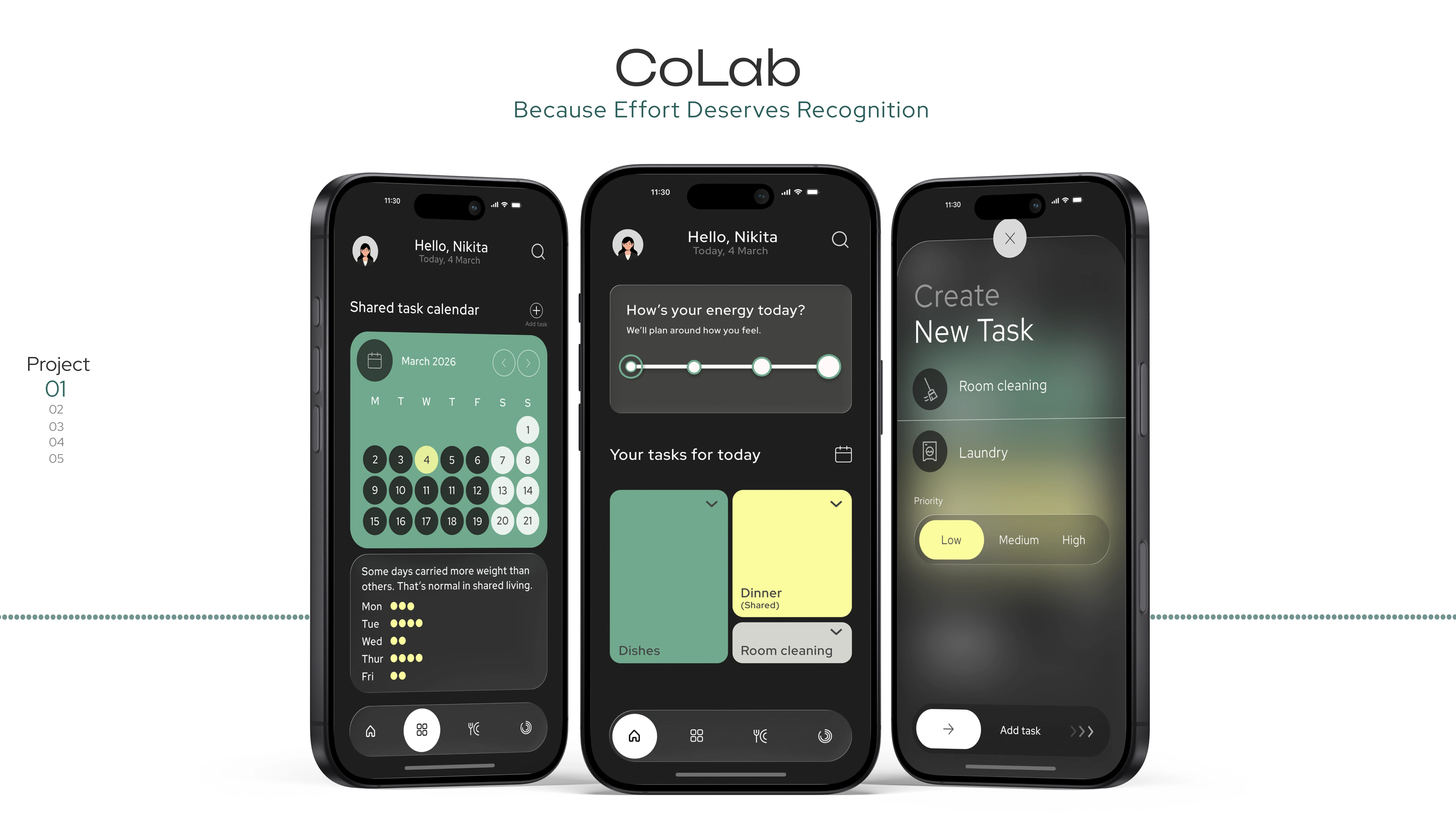
Home screen - "Energy-aware task planning. The day starts with a simple check-in so tasks are distributed based on how you're feeling, not just who's free."
Create New Task - "Task creation with priority levels and category tagging, keeping shared responsibilities organized and clearly owned."
Shared Task Calendar - "A full household view of who did what and when making invisible contributions finally visible across the week."
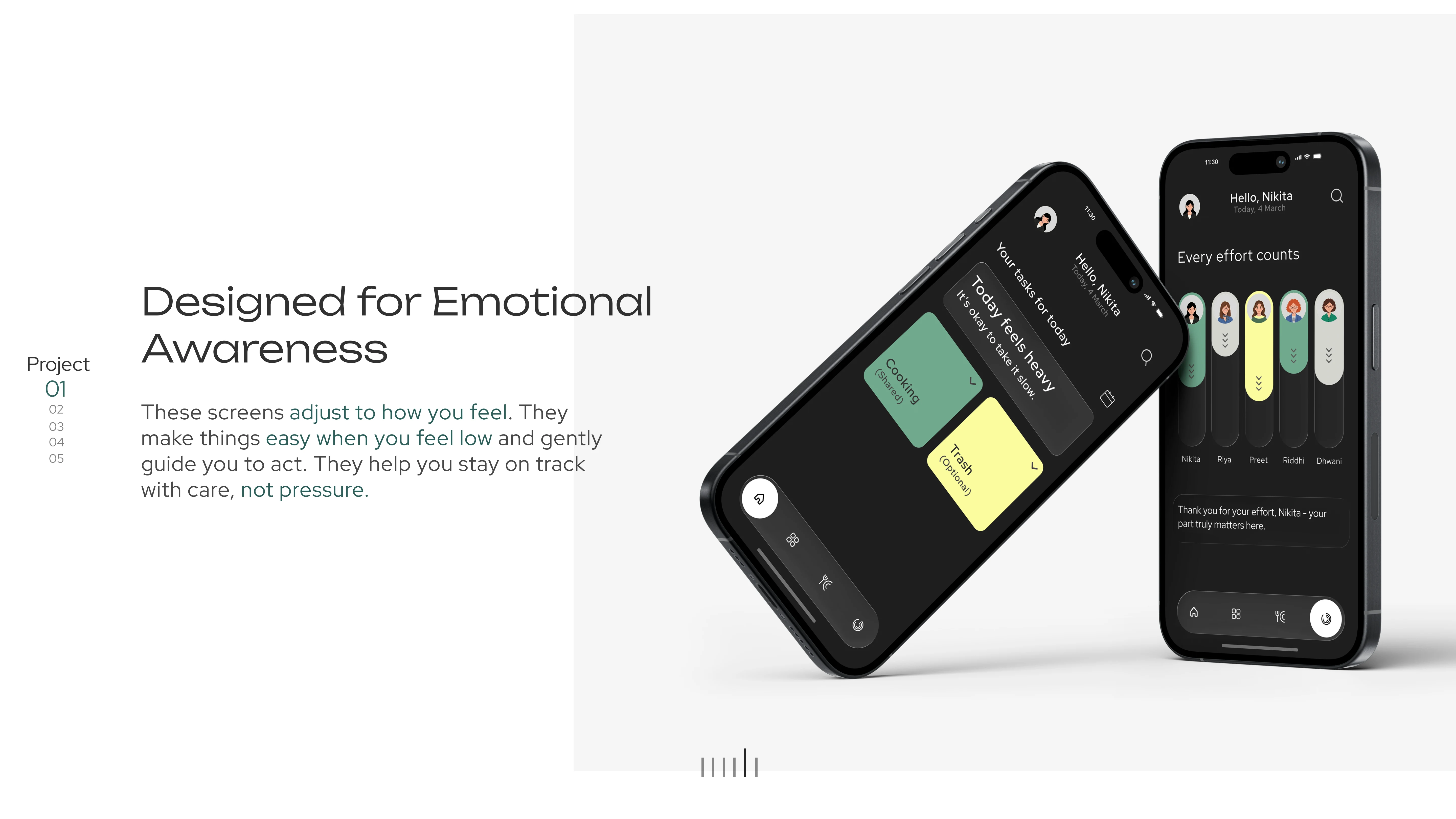
Low energy screens displays the less effort tasks to be done for the day based on the energy levels set by the user.
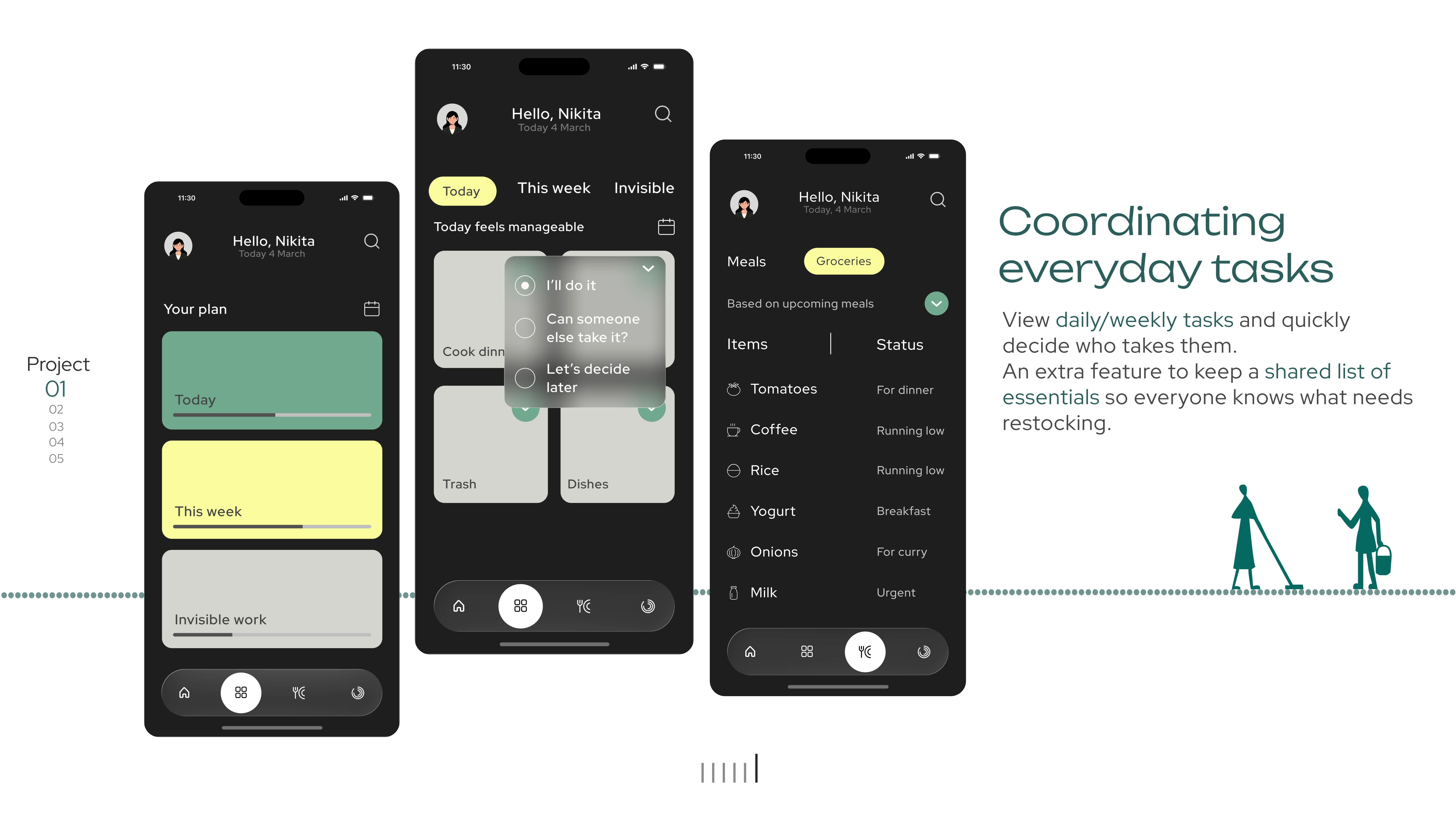
Tasks window shows the clear plan for the day, week, and the left out tasks. Whereas a proper food planning is done by the users to keep a track of meals and groceries for the week.
App logo design
Figma prototype link -
Outcome / reflection
CoLab taught me that the best design solutions often address emotional problems, not just functional ones. The challenge wasn't building a to-do list - it was designing for fairness, empathy, and daily trust between people who share a space. If I were to take this further, I would conduct usability testing with actual shared households, add a notification system that nudges without guilt-tripping, and explore how the energy model could be expanded with more nuance over time.
Like this project
Posted Jun 4, 2026
Designed CoLab, a mobile app enhancing cooperative living by addressing emotional friction.
Likes
0
Views
2