Understanding Mental Health: A Personal Journey

Areeba Abdullah


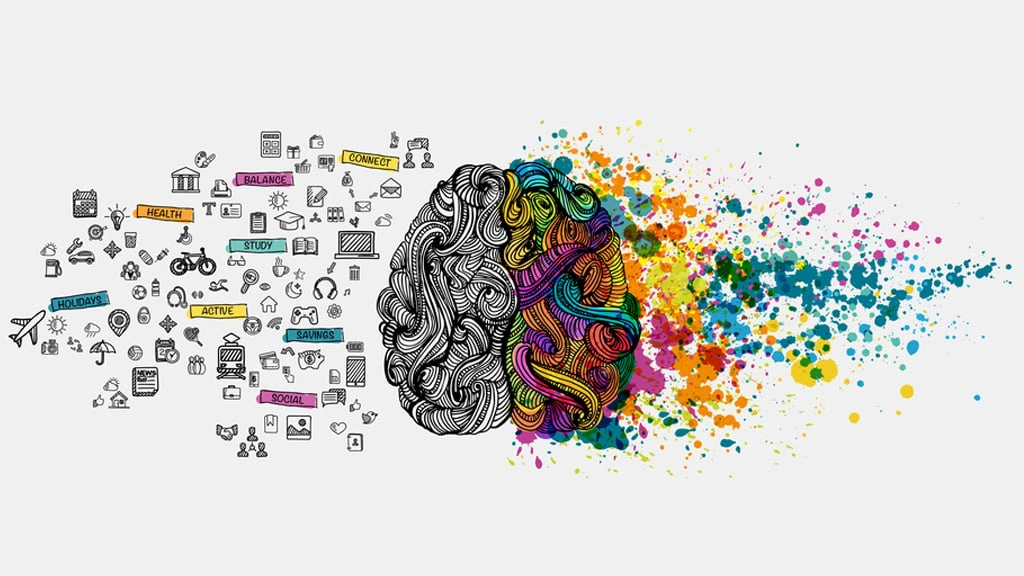
Have you ever woken up feeling off, even though everything seems fine on the surface? I know I have. A few years ago, I found myself dragging through each day, snapping at loved ones for no reason, and losing interest in activities that once made me happy. At first, I thought I was just tired or stressed. But as weeks turned into months, I realized it was more than that—my mental health was struggling.
In today’s fast-paced world, mental health is often overlooked, but it’s just as important as physical health. Your mind and body are deeply connected, and neglecting one can affect the other. Let’s explore why mental health matters and the signs you should never ignore.
Why Mental Health Is Key to Overall Well-Being
Think of your mental health as the foundation of a house. If the foundation is cracked, the entire structure becomes unstable. Similarly, when your mental health is compromised, it can impact your physical health, relationships, and ability to perform daily tasks.
Good mental health helps you:
Cope with life’s challenges.
Maintain healthy relationships.
Make sound decisions.
Stay physically healthy.
Ignoring mental health can lead to issues like chronic stress, anxiety, or depression—all of which can manifest as physical symptoms such as headaches, fatigue, or even heart problems.
Signs of Mental Health Struggles
Sometimes, we’re so busy that we fail to notice the warning signs. Here are some common signs that your mental health might need attention:
Persistent Mood Changes
Feeling sad, irritable, or angry for extended periods? These could be signs of underlying mental health issues. I remember a time when I would snap at my family over small things. It wasn’t until I reflected on my feelings that I realized I was overwhelmed and needed help.
Loss of Interest
Losing interest in hobbies, social activities, or work you once enjoyed is a red flag. A close friend of mine, who loved painting, stopped picking up her brushes for months. She later realized she was battling depression.
Physical Symptoms with No Clear Cause
Unexplained aches, frequent headaches, or stomach issues can sometimes stem from mental health problems. When I was dealing with anxiety, I often felt physically sick but couldn’t pinpoint why.
Changes in Sleep Patterns
Sleeping too much or too little can signal stress or other mental health challenges. If you’re consistently tossing and turning, it’s time to pay attention.
Feeling Overwhelmed
If daily tasks feel insurmountable, or you’re constantly anxious, it could indicate a deeper issue.
Social Withdrawal
Avoiding friends and family? This is often a coping mechanism for emotional pain but can worsen feelings of isolation.
For me, the wake-up call came when I couldn’t focus at work and felt disconnected from my loved ones. One evening, a friend asked, “Are you okay? You don’t seem like yourself.” That simple question made me realize I wasn’t okay. I decided to seek help, and it changed my life.
Steps to Improve Mental Health
1. Acknowledge Your Feelings
If you’re noticing these signs in yourself or someone else, don’t ignore them. Here’s what you can do:
It’s okay to not be okay. Recognizing your emotions is the first step toward healing.
2. Talk to Someone
Reach out to a trusted friend, family member, or mental health professional. When I opened up to my friend about my struggles, I felt an immense sense of relief.
3. Practice Self-Care
Engage in activities that bring you joy and relaxation. For me, taking a walk in nature and journaling became my go-to stress relievers.
4. Seek Professional Help
Therapists and counselors are trained to help you navigate your feelings. They can provide strategies tailored to your needs.
5. Stay Active
Exercise isn’t just good for your body—it’s a powerful mood booster. Even a 30-minute walk can make a difference.
6. Maintain a Routine
Structure can provide stability during turbulent times. Try to eat, sleep, and work at consistent times.
Breaking the Stigma
One of the biggest barriers to addressing mental health is the stigma around it. Many people hesitate to seek help because they fear being judged. But mental health issues are incredibly common. According to the World Health Organization, around one in four people will experience a mental health disorder at some point in their lives.
Sharing stories, like the one I’ve shared here, can help normalize these conversations. When we treat mental health with the same importance as physical health, we create a supportive environment where everyone can thrive.
A Final Thought
Your mental health is the cornerstone of your overall well-being. Ignoring it can lead to bigger problems down the road. If you’re feeling off, don’t wait—address it today. And if you notice a loved one struggling, offer them a listening ear and encourage them to seek help.
Remember, it’s not weak to seek help; it’s a sign of strength. Just like I found my way back to a healthier, happier life, you can too. Take the first step—your mind and body will thank you.
Like this project
Posted Aug 14, 2025
A personal narrative highlighting the importance of mental health and recognizing its signs.
Likes
0
Views
9
Timeline
Feb 10, 2024 - Feb 11, 2024