NASA ASU | Psyche 16: Expedition VR

Caroline David


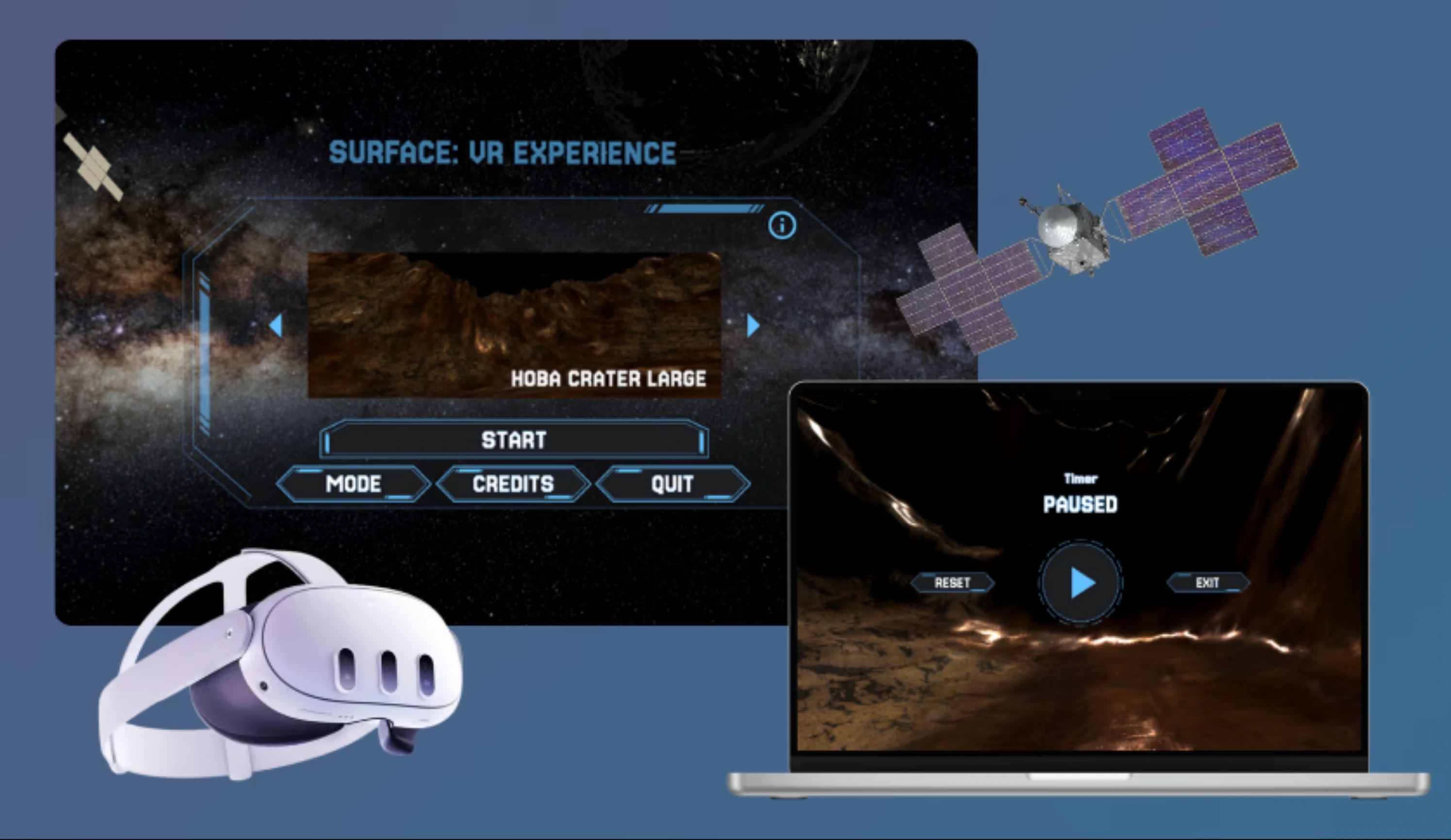
NASA ASU | Psyche 16: Expedition VR
ROLE
UX/UI Designer
DURATION
Sept 2024 - Mar 2025
(7 months)
TOOLS
Figma
Blender
Unity
Slack
TEAM
David Branson
Armani Cardenas
Yeseul Lim
Dylan Peppard
Jonathan Vigil
Context
Designing a VR simulation for NASA's Psyche mission
Asteroid 16 Psyche is an asteroid made largely of metal and speculated to have been the remains of a planet never formed. By studying this asteroid, we are offered a rare opportunity to deepen our understanding and knowledge of planetary formation. Our task was to create a virtual reality application to showcase existing data about planetary bodies, including Psyche.
How do we create an easy-to-use and engaging platform to educate audiences of all ages about the current NASA mission to Psyche?
Research & Ideation
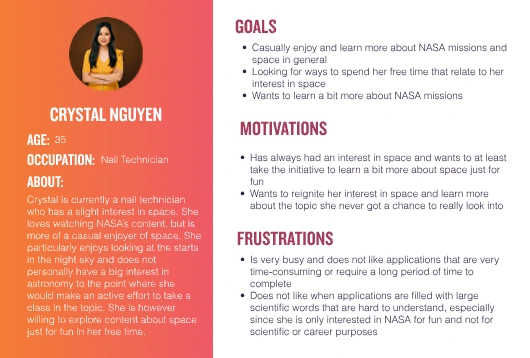
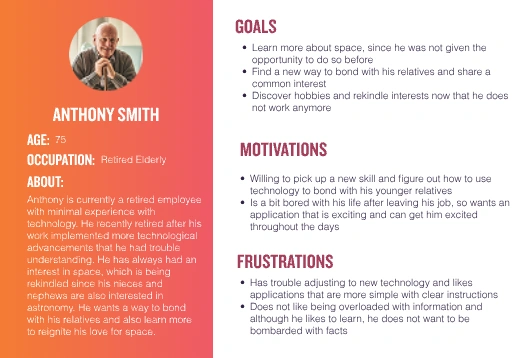
We constructed proto-personas based on existing information of our audience and project details
Our project was set to be presented in museums for educational purposes, so we researched our target audience more to create an application suitable for the end goal
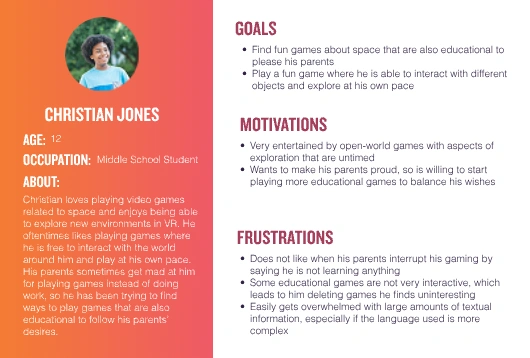
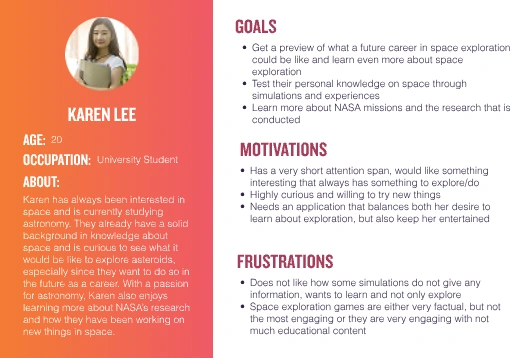
We then brainstormed and proposed many different application ideas, eventually narrowing down our project to creating an interactive space exploration game—where users can interact with various planetary bodies and scenes. This would target engagement for all ages, while still providing educational information, and being simple enough for users who have never used VR.
User Journey & Wireframes
I synthesized research to create user flows for app structure
Spearheading our design process as the team’s sole UI/UX designer, I used our research insights to lead my construction of user flows, focusing on optimizing ease of use and engagement of material.
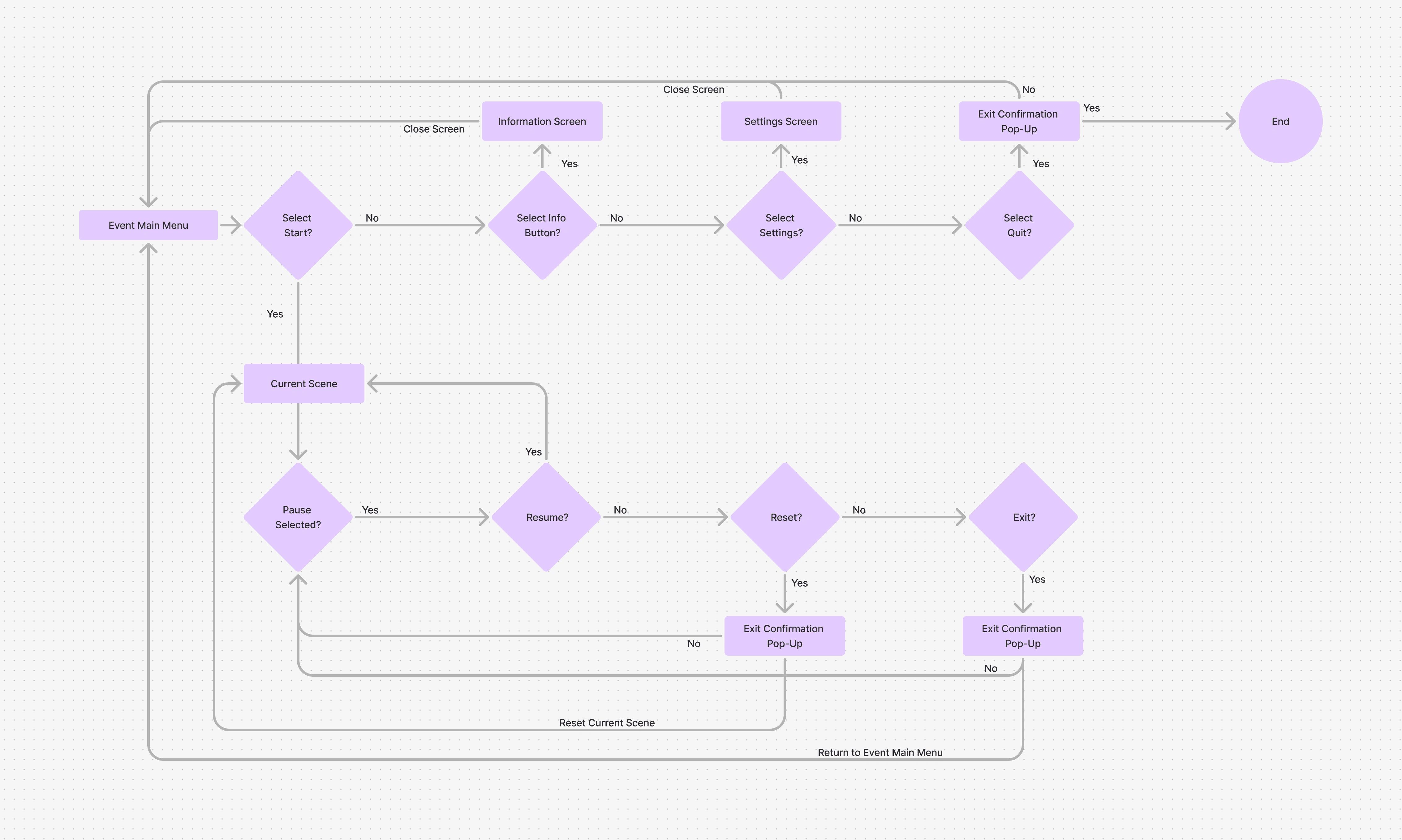
With these flows created, I then mapped out an information architecture and started the sketching process.
Sketches
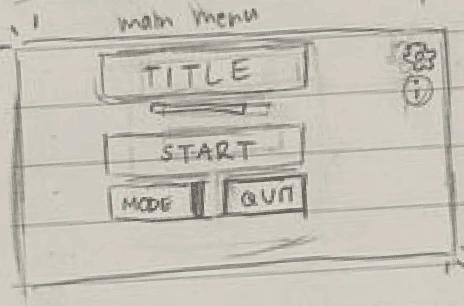
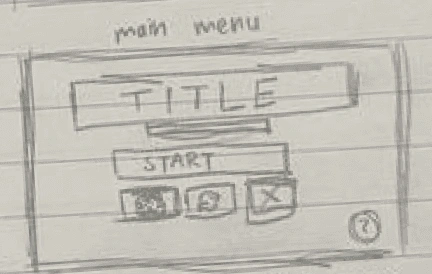
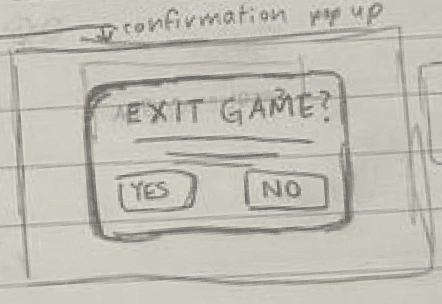
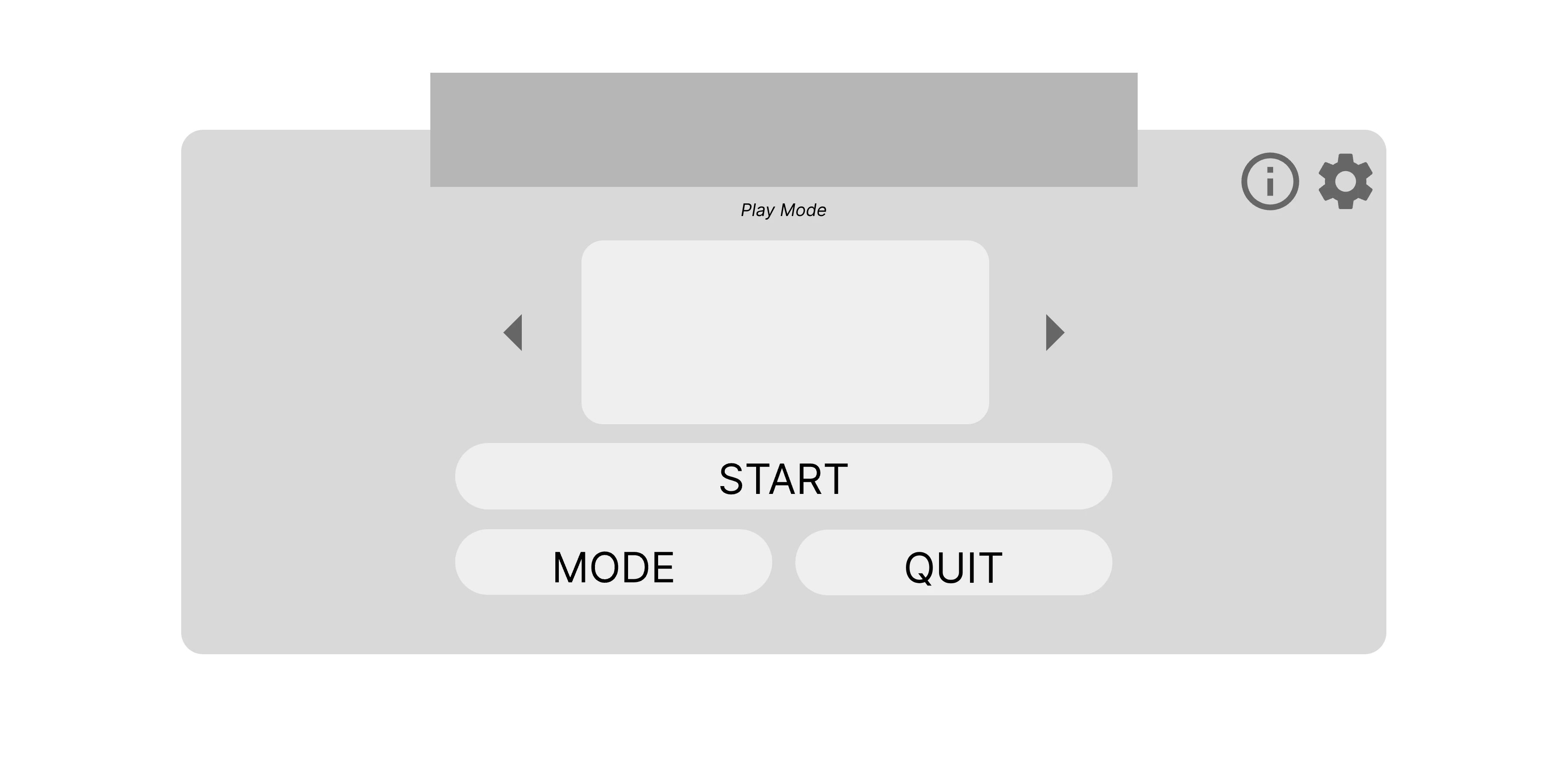
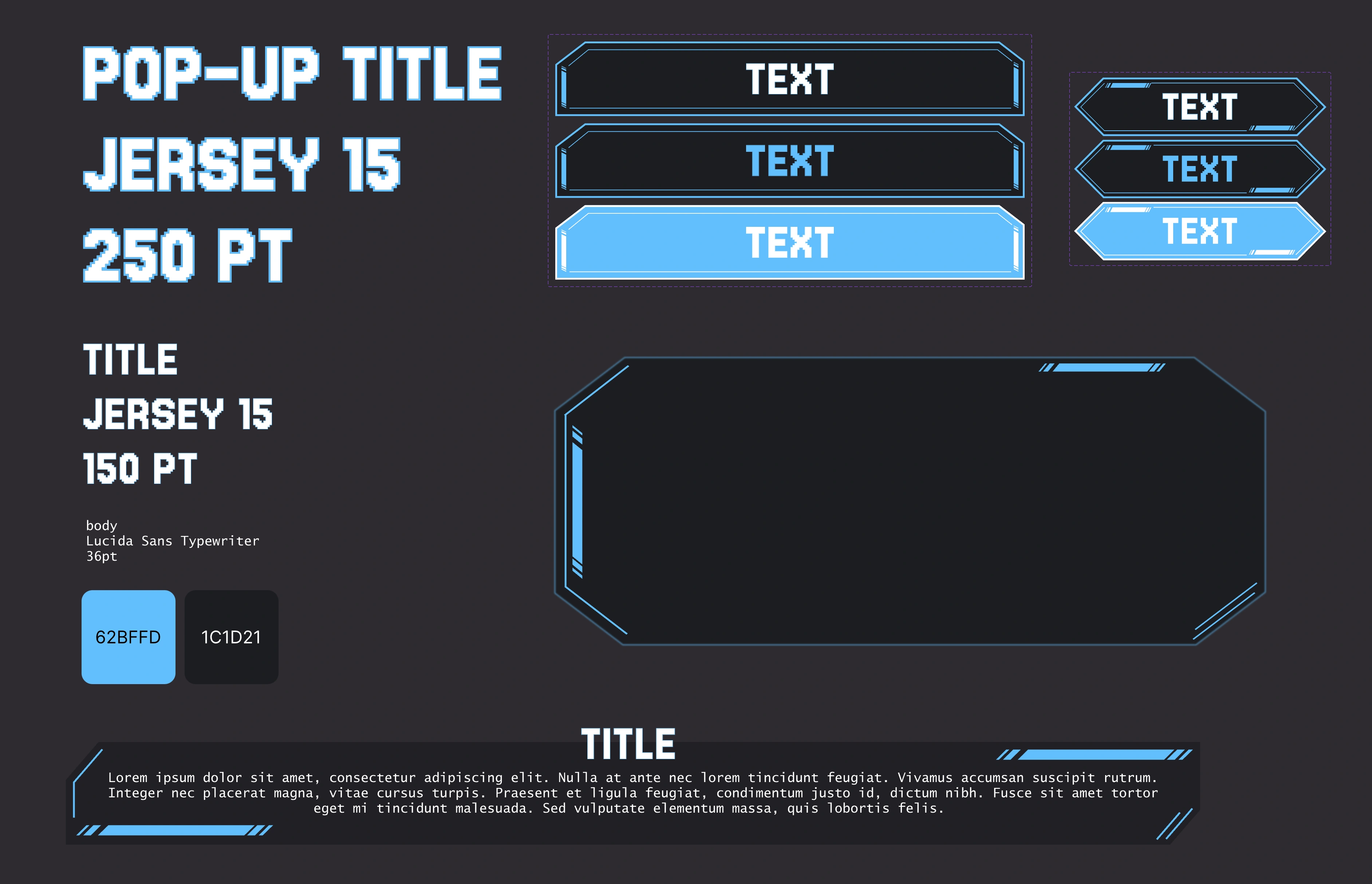
I often asked my team for feedback leading to my wireframe iterations, development of a space-themed branding style, and creation of our high-fidelity prototype, which I handed off to our engineers for development.
Mid-Fidelity
Pop-up and main menu iterations
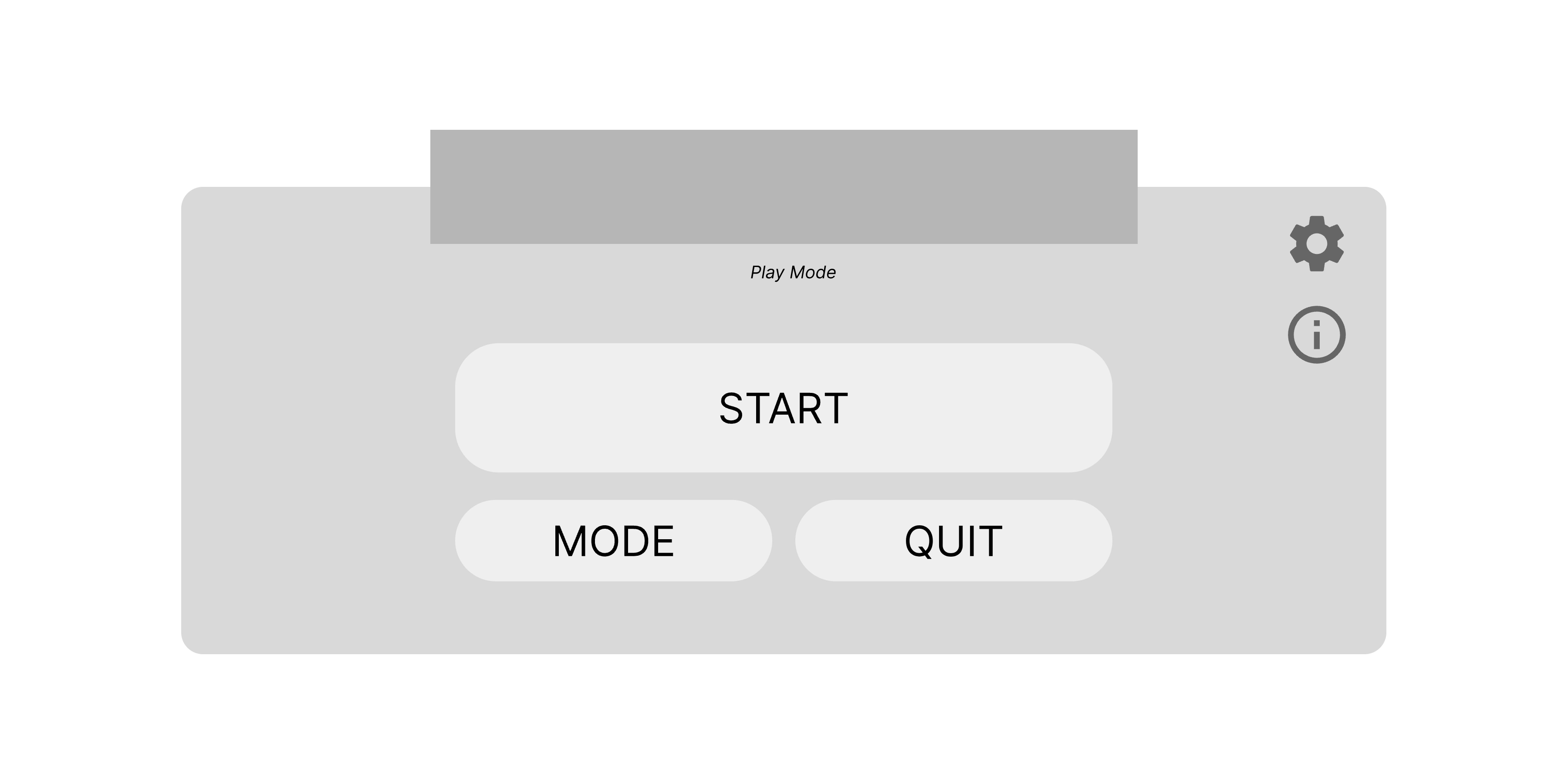
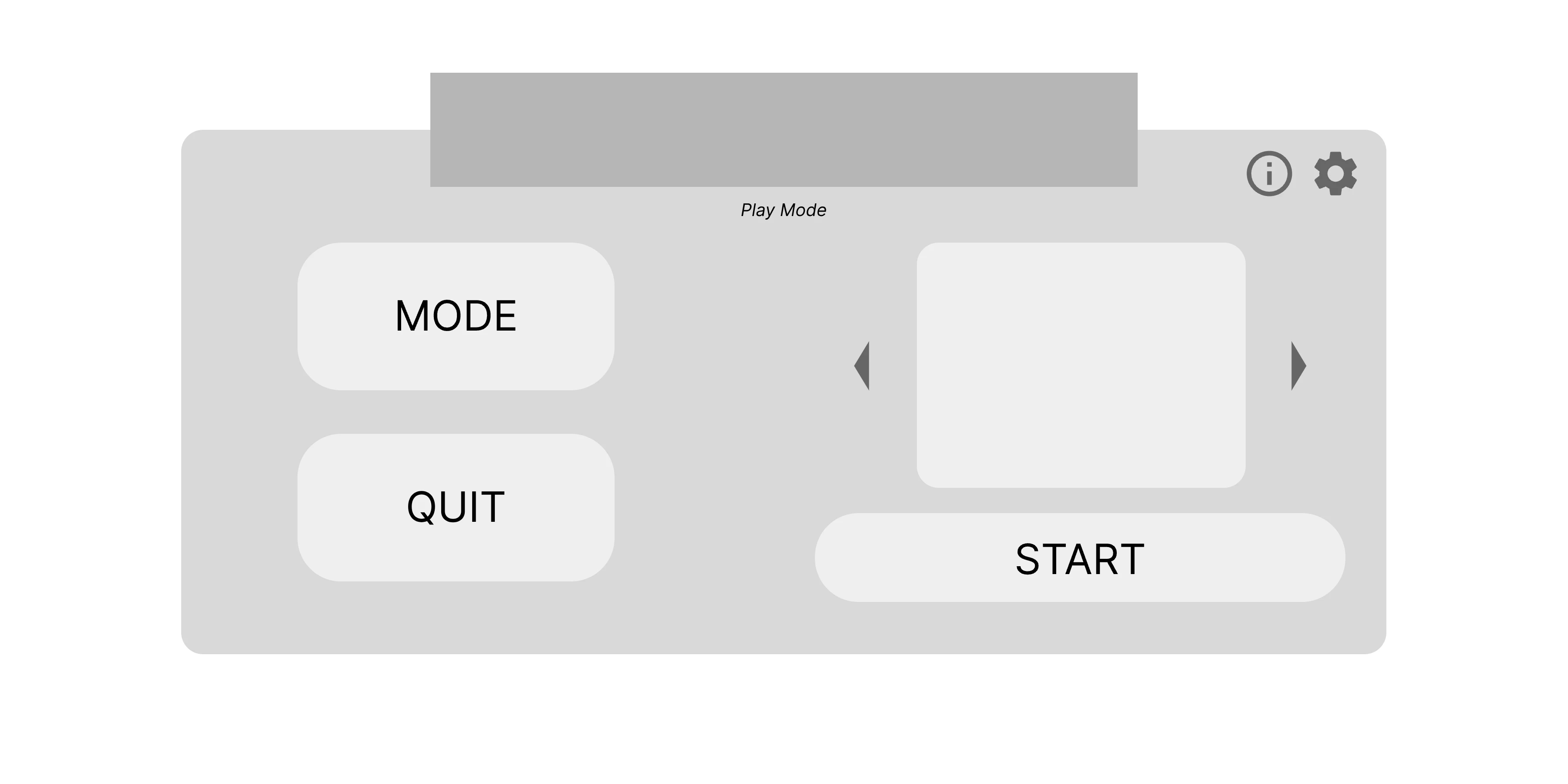
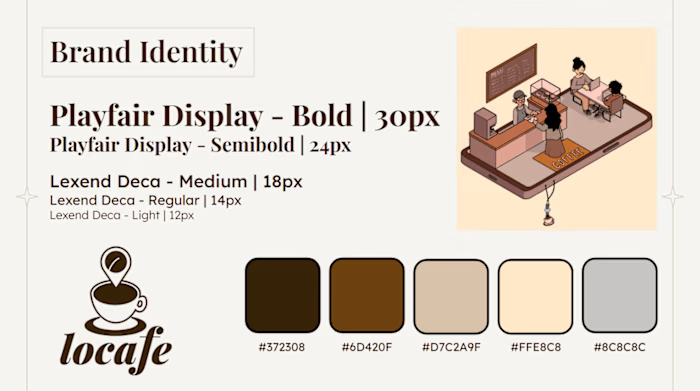
Branding
Branding styles and visual components designed to match space/futuristic ideas
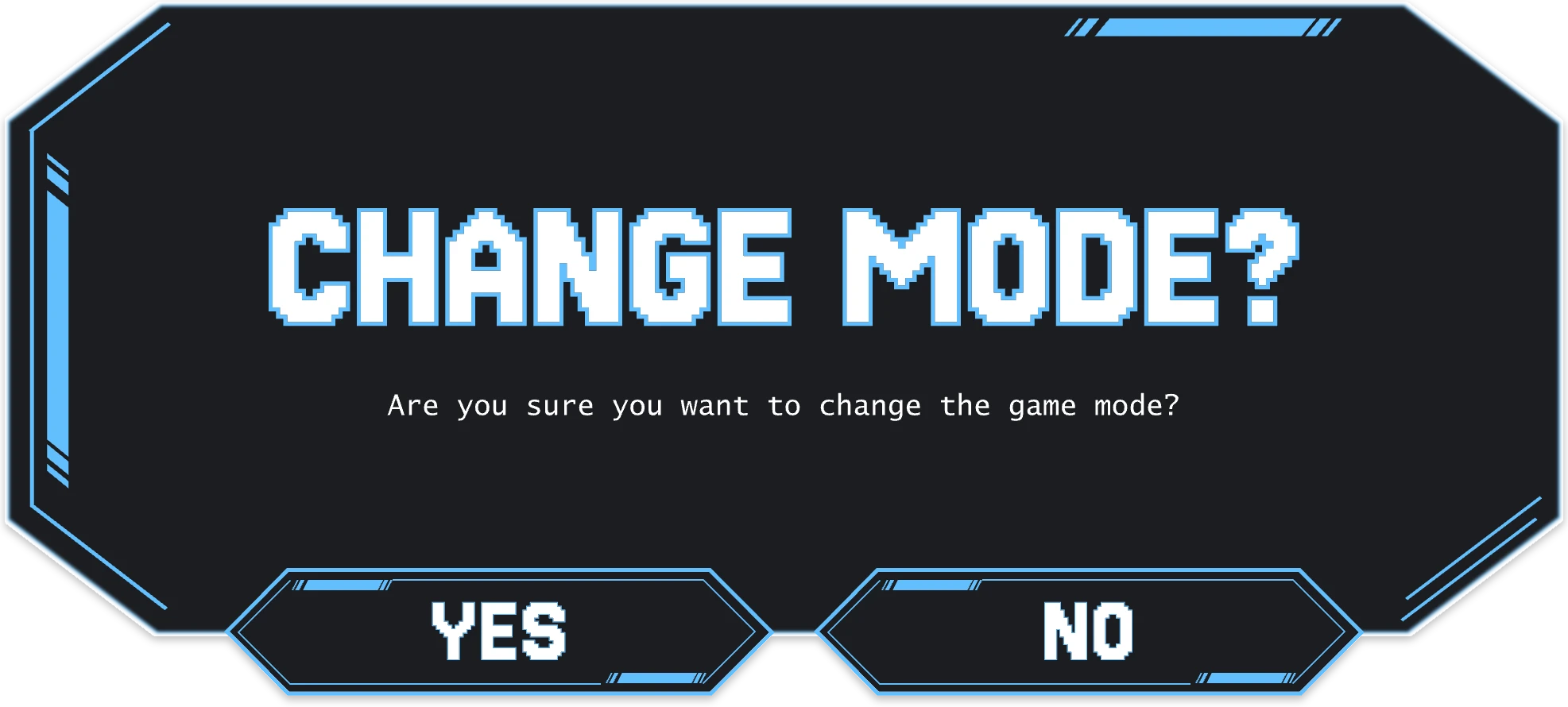
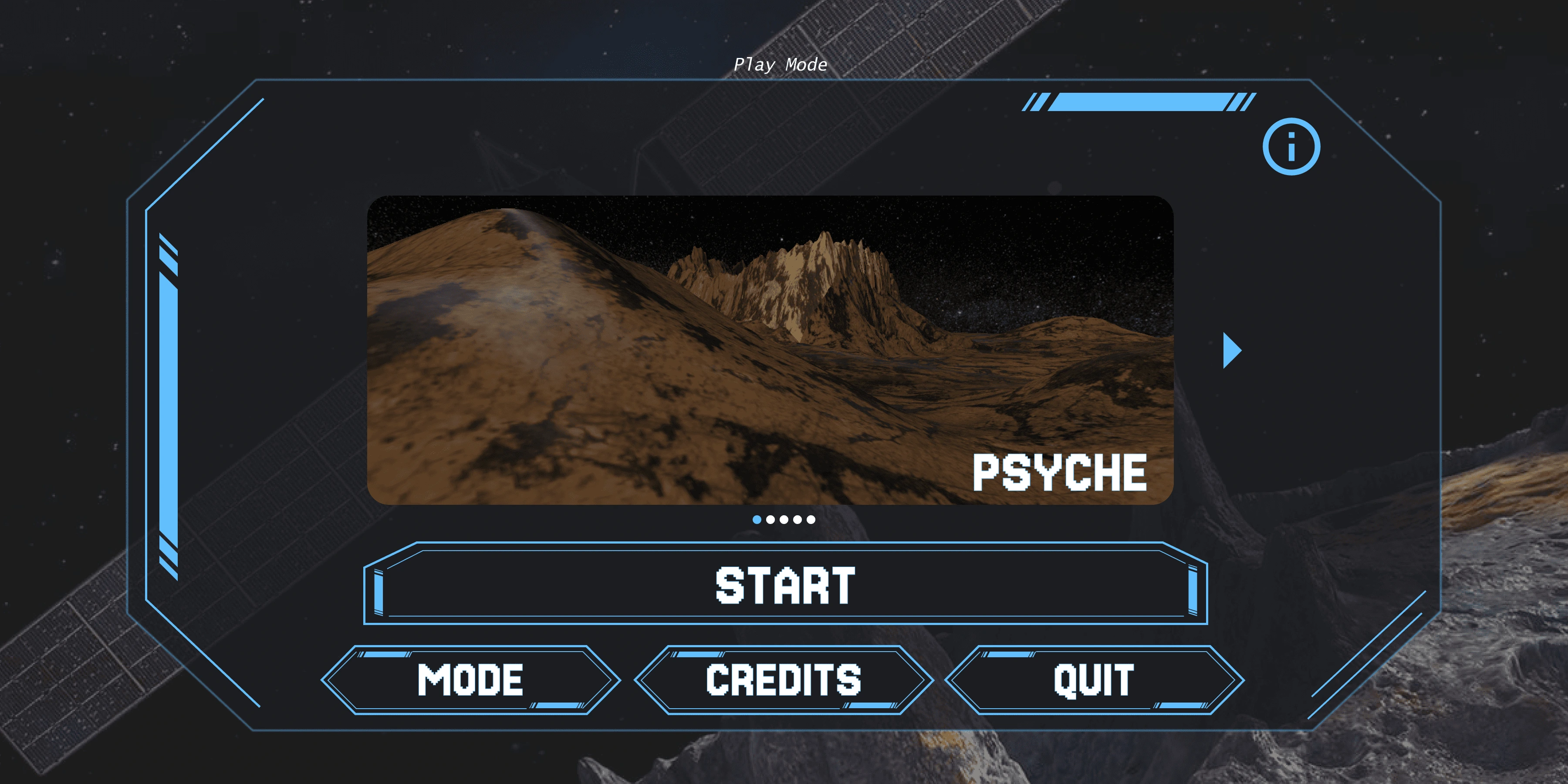
High-Fidelity
Pop-up and main menu high fidelity iterations
User Testing
We collected feedback from 20+ users at UCI's Homecoming
We received the opportunity to showcase our project at UCI’s annual Homecoming Celebration, where many different people—ranging from children to even our school’s dean—were able to demo and playtest our product.
User Feedback
37.5% of users struggled with game's instructions/needed clarification
25% of users requested clearer/enlarged visuals
Design instructional panels and tutorials to guide users
Redesign text panels for accessibility
Tutorial screen implemented after feedback
Features & Gameplay
Feature #1
RAYCASTS AND PANELS
The main feature of our game was the user’s capability to use the controller’s laser beam pointer—or raycast—to select objects and interact with them, revealing panels of educational material about real artifacts on planetary bodies.
We implemented raycast interactions to give users more feedback on their actions and create a more intuitive way to engage with the VR environment. The panels were created as an educational material to ensure users are able to learn about the items they are directly interacting with.
Feature #2
SCAVENGER HUNT
In order to move onto the next scene, a user needs to find every interactable object. This creates a gamified aspect to keep players engaged to work towards a goal. We received player feedback of enjoying the “scavenger hunt” feel, allowing us to validate this solution to maintaining user engagement.
We then wrapped up our project and handed it off to our project sponsor while preparing for the 5th annual ICS Project Expo.
Outcome
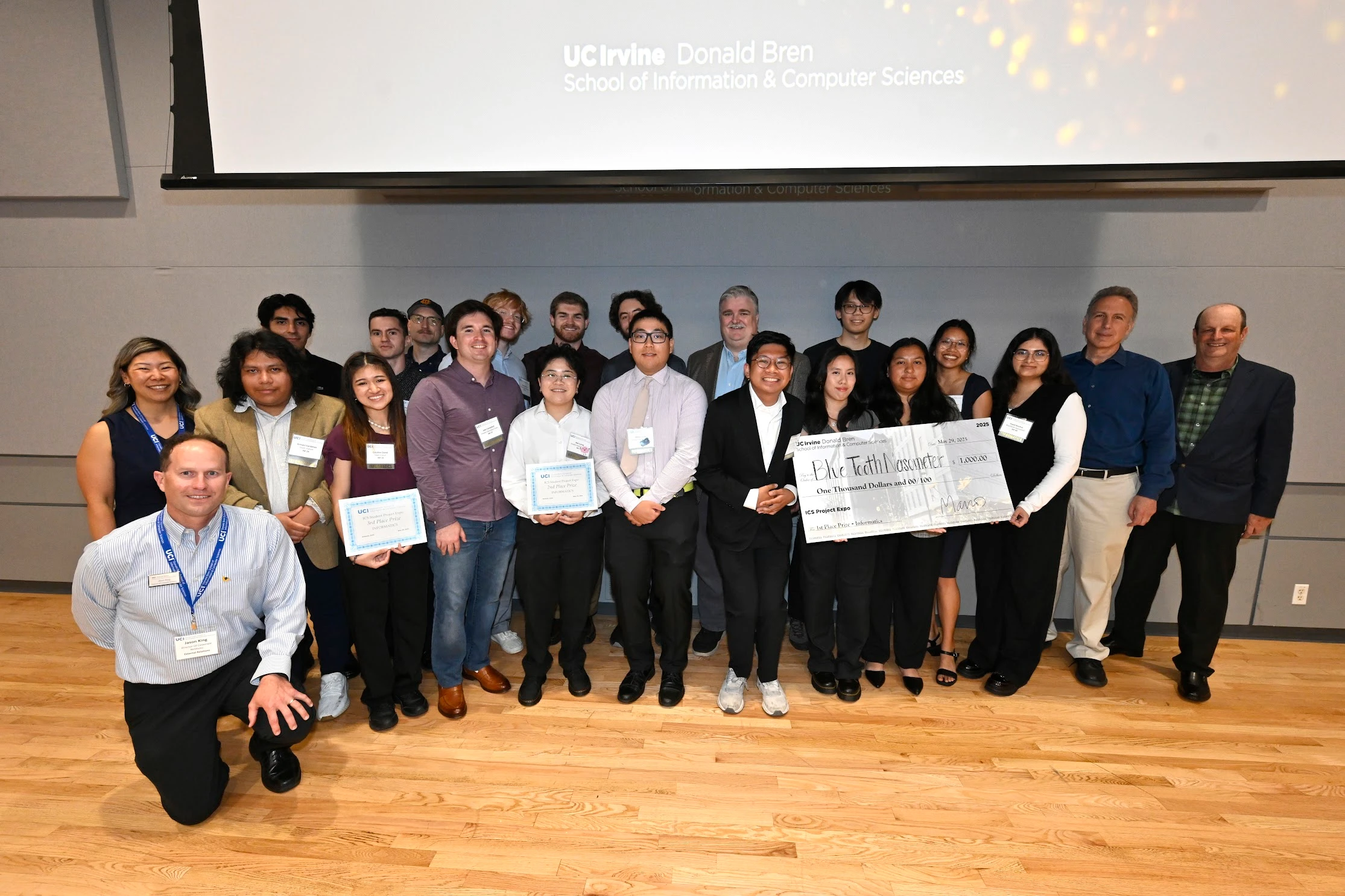
Our team was awarded the 3rd place Informatics prize
Our project was presented and awarded at UCI's annual ICS Project Expo out of 90+ teams. With this being the first time one of my designs was fully implemented, I felt very fulfilled upon completing this project. It was even more rewarding to see everyone use our demo while voicing their love for the design and look of the application.
Reflection
Learning to take initiative and adapt
Takeaway #1: Becoming a Self-Starter
With this being our team’s first time designing and developing for VR, we definitely had some trouble at the start with our learning curve in figuring out how to accommodate for VR mechanics. I learned the importance of being a self-starter and taking the initiative to do personal research to stay on track with my work and up-to-date with current technological practices.
Takeaway #2: Adaptability with Feedback
I also needed to be adaptable and work quickly when it came to user feedback. With input on how the controls were initially hard to understand, I immediately drafted solutions and discussed with my team to come to a consensus of how tutorial panels would bridge the initial VR learning gap.
It was a pleasure to work on this project with my team and I would also like to extend a thank you to our professor, Darren Dannenberg, for his guidance and our sponsor Cassie Bowman for her time and resources.
Check out our project website here:
Like this project
Posted May 22, 2026
VR simulation for NASA's Psyche mission, enhancing knowledge of planetary formation.