B2B Hospitality SaaS SEO and AI Search Comparison Pages

Marcus Castro


SEO and AI Search Comparison Pages for a B2B Hospitality SaaS
Summary
I created a set of comparison pages for a B2B hospitality SaaS company, focused on capturing mid-funnel search demand and improving visibility in AI-powered search experiences.
The project was built around specific keywords used by potential customers who were already comparing hotel management systems, alternatives and competitors. Instead of creating generic product pages, the goal was to build highly intentional pages for users closer to a buying decision.
Context and Challenge
The company needed to attract hotel managers, inn owners and accommodation operators who were already researching alternatives to their current systems.
Through keyword research, we identified search opportunities around comparison and alternative-based queries. These terms had strong strategic value because they were not purely informational. They indicated that the user was already evaluating options, comparing providers or considering a switch.
The challenge was to create pages that could work for both traditional SEO and AI search visibility, while also supporting the commercial journey.
The pages needed to answer direct questions, compare solutions clearly, address objections and guide users toward a conversation with the sales team.
What I Delivered
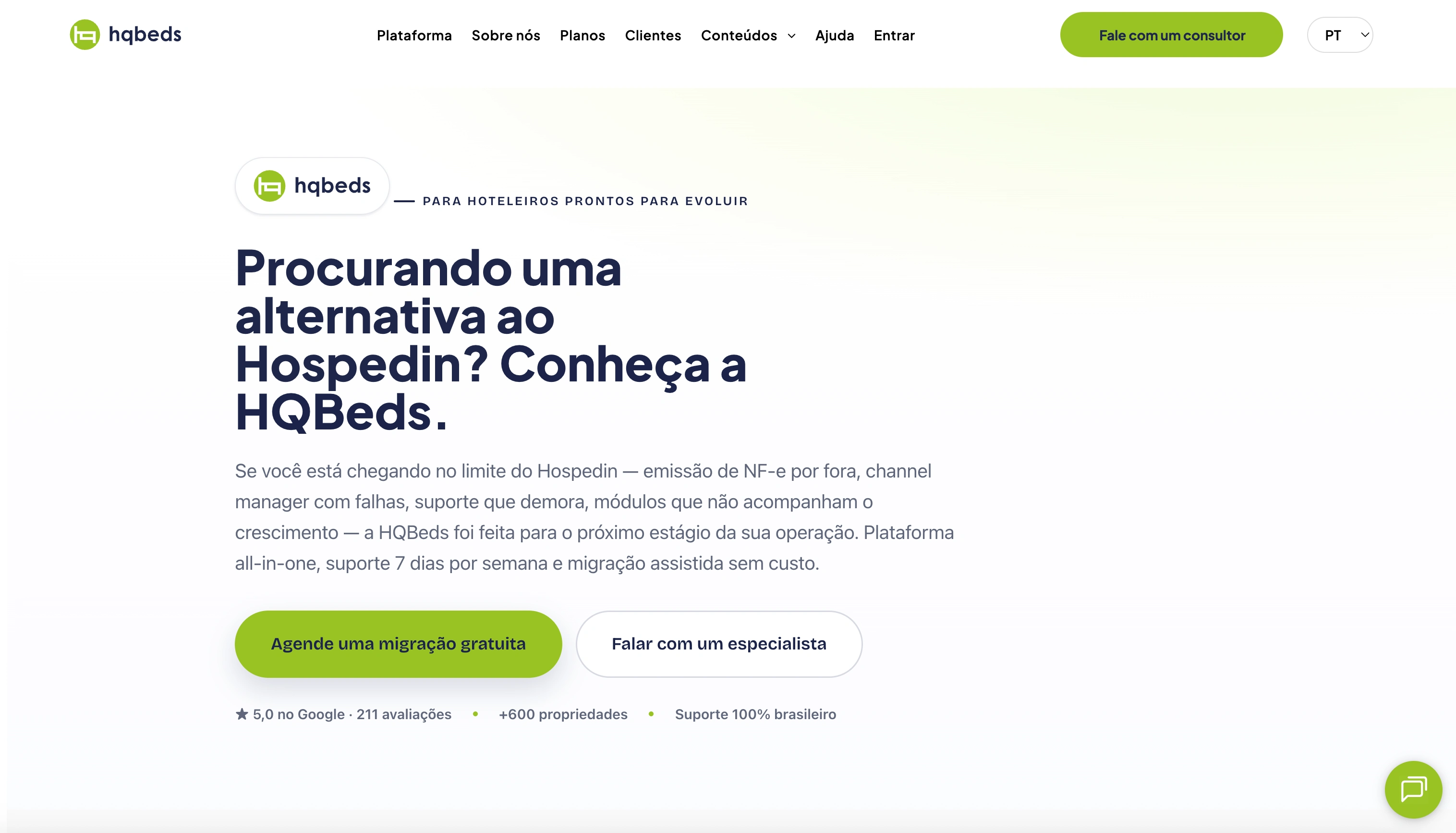
I was responsible for the full structure, content direction, wireframe and design of the comparison pages.
The process started with keyword research and opportunity mapping using Semrush, Ubersuggest and Claude. This helped define which comparison terms had the strongest potential and how each page should be positioned.
From there, I structured the page narrative to follow the user’s decision process:
Search intent → Current pain points → Product positioning → Feature comparison → Social proof → Migration process → FAQ → Sales CTA
The design was developed in Figma, with support from Claude for content organization, section logic and UX refinement. The final pages were published on Duda.
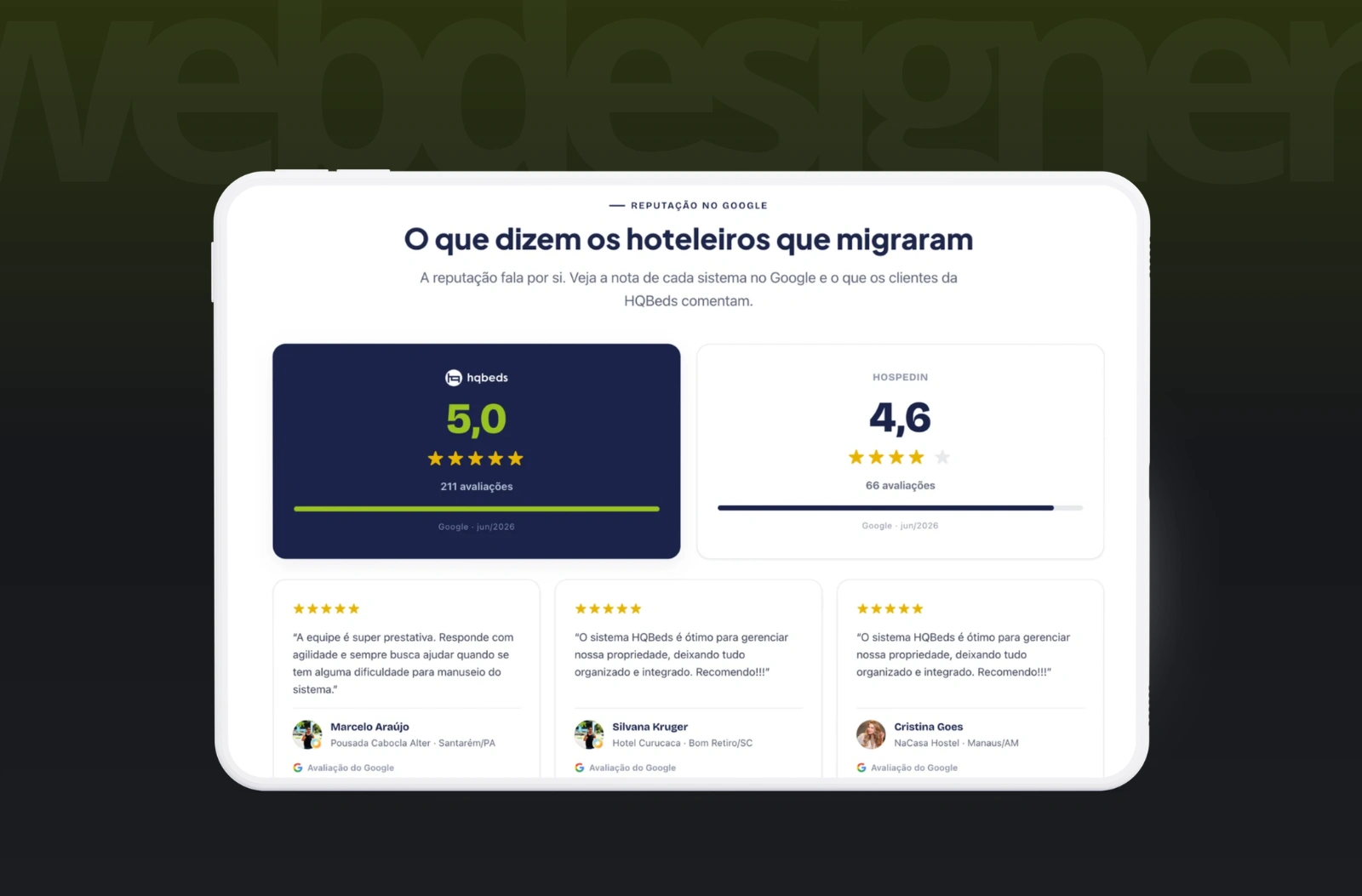
Each page was designed to be clear, scannable and useful for both human readers and AI systems, with direct answers, structured sections, comparison logic, FAQs and commercially relevant information.
Design and SEO Approach
The strategy combined SEO, UX writing and conversion design.
From an SEO perspective, the pages targeted mid-funnel keywords with stronger commercial intent, especially terms related to alternatives and system comparisons. The content was structured to answer the questions users were likely to ask before switching platforms.
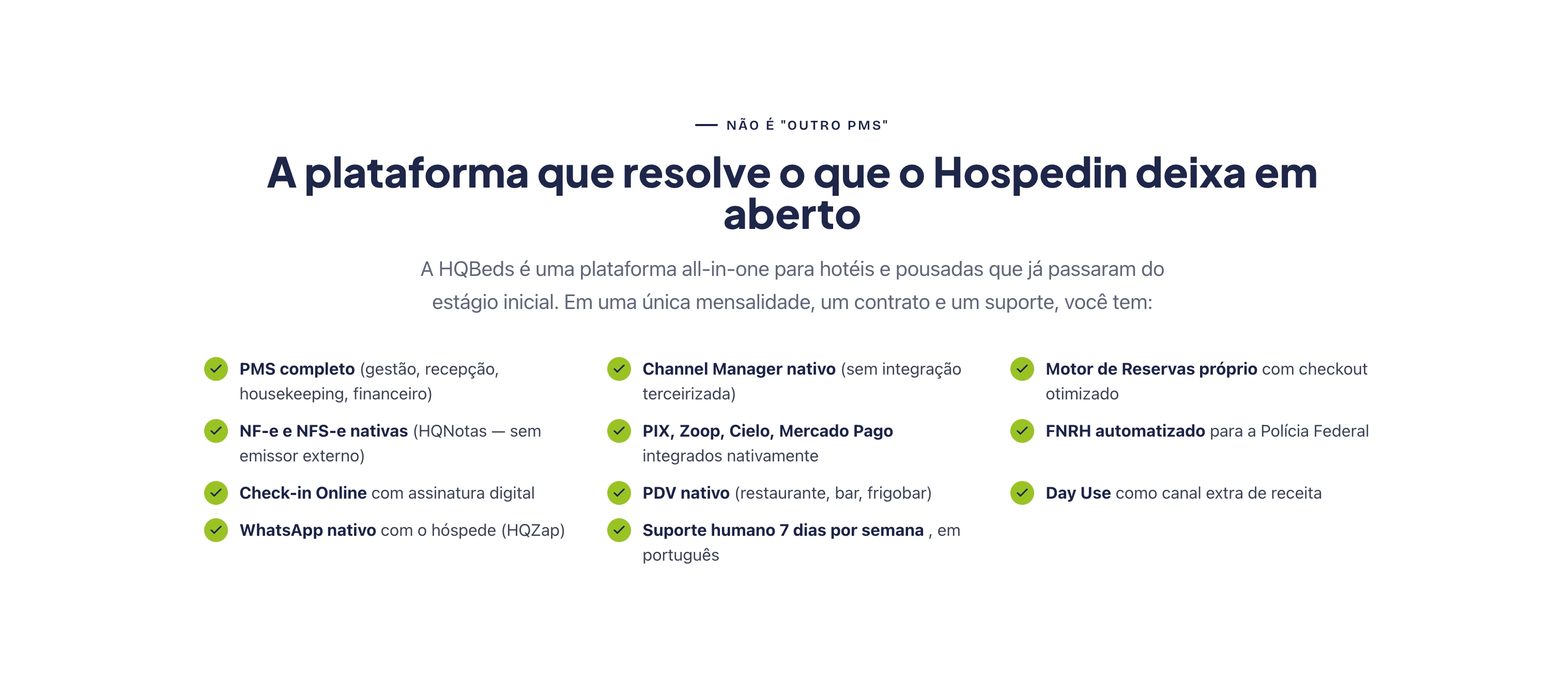
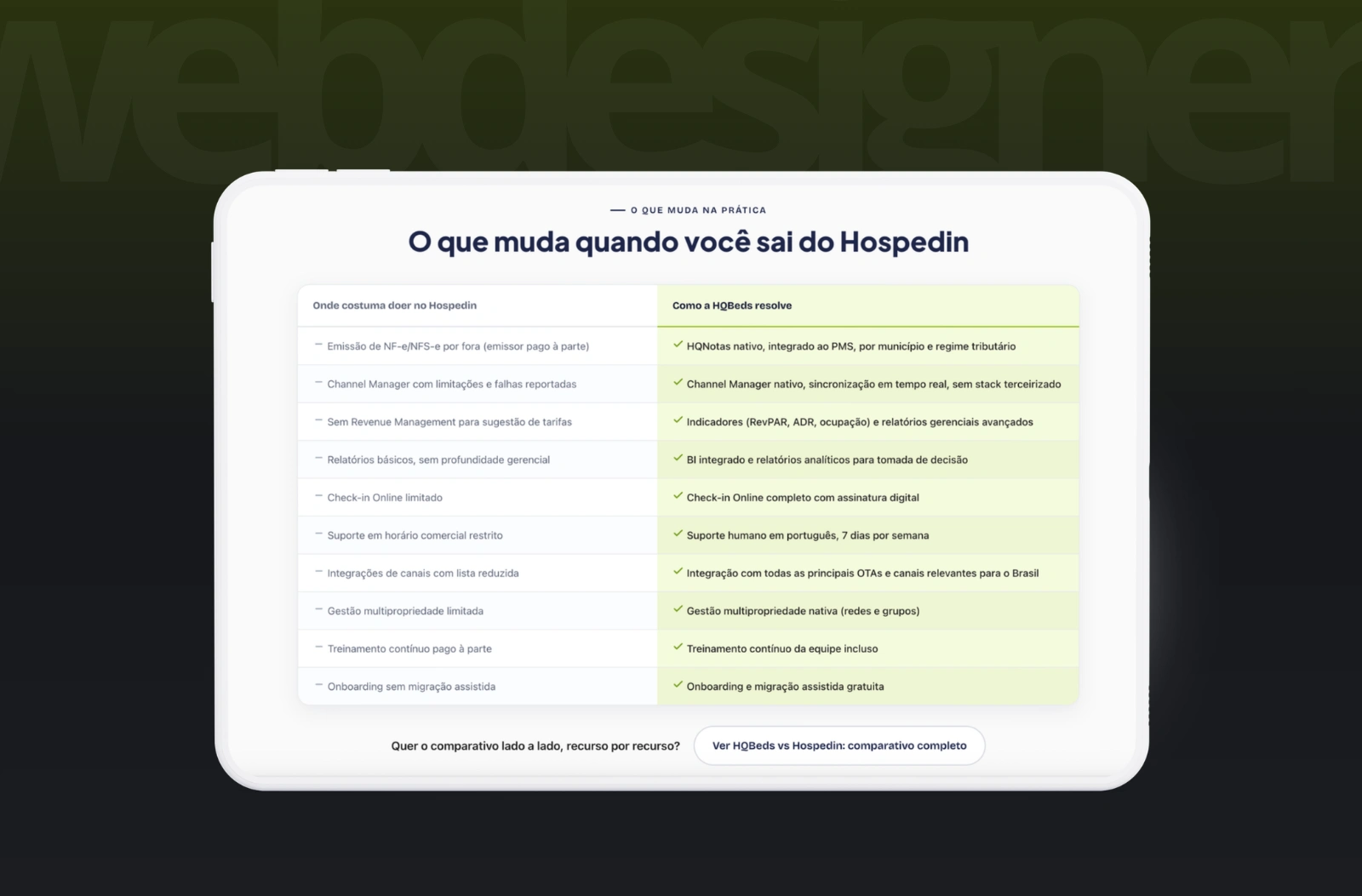
From an AI search perspective, the pages were designed with clear headings, direct explanations, comparison tables, FAQ sections and contextual answers. The goal was to make the information easier to understand, extract and summarize in AI-powered search results.
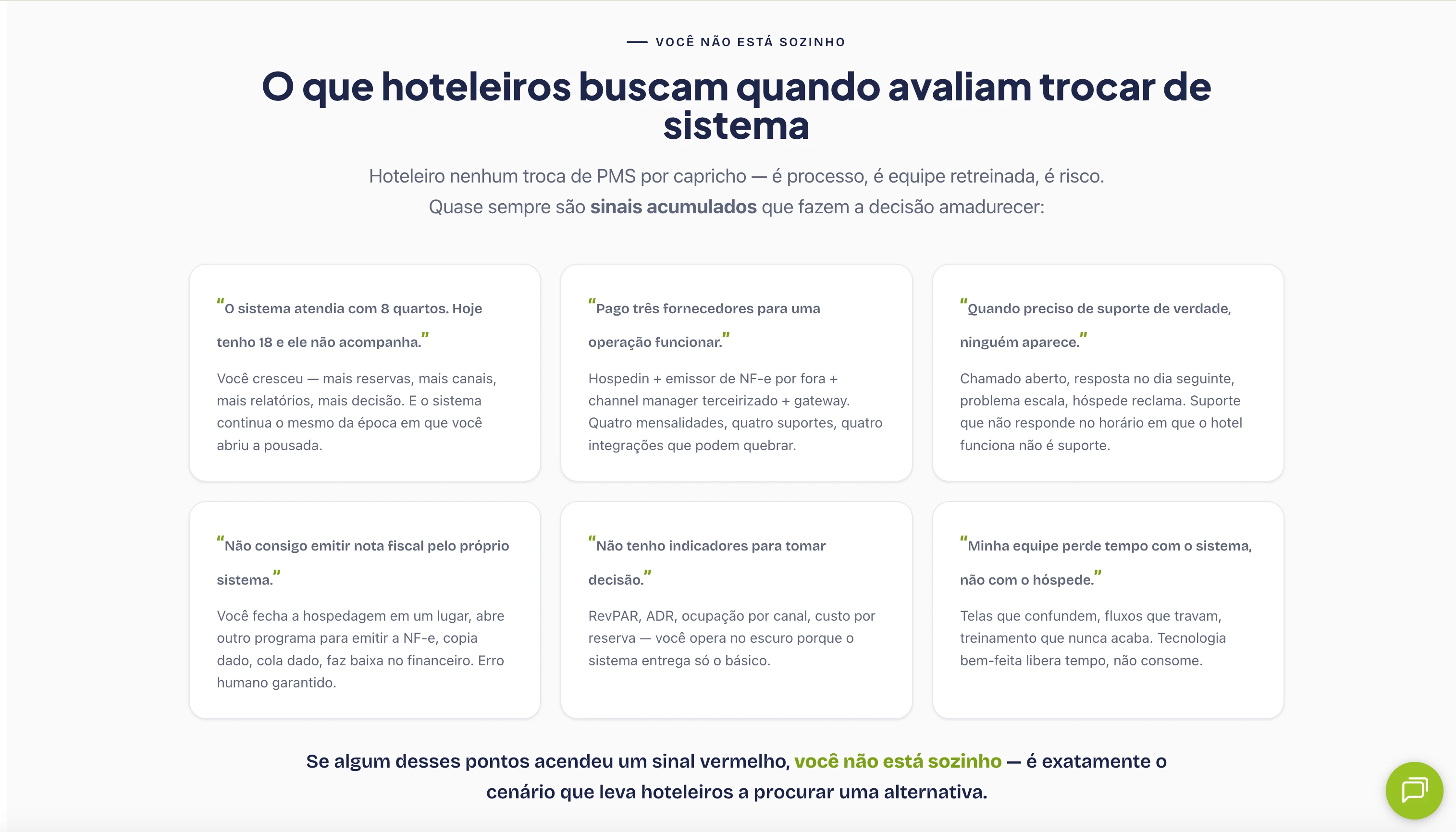
From a design perspective, the layout prioritized hierarchy, readability and conversion. The pages included strong hero sections, pain-point blocks, product comparison areas, proof points, migration explanations and clear calls to action.
Why This Case Matters
This project shows how comparison pages can connect SEO, AI search readiness and revenue generation.
By targeting users who were already comparing solutions, the pages were designed to capture demand closer to the decision stage. They did not simply explain the product. They addressed doubts, objections and switching concerns at the exact moment when users were evaluating alternatives.
The result was a set of strategic landing pages built to support organic acquisition, AI visibility and sales conversations in a single asset.
Like this project
Posted Jun 25, 2026
Created comparison pages to enhance SEO and AI search visibility for a B2B hospitality SaaS.