
Inventory can look like an asset while quietly becoming a cash-flow problem.
Having more inventory isn't automatically a good thing.
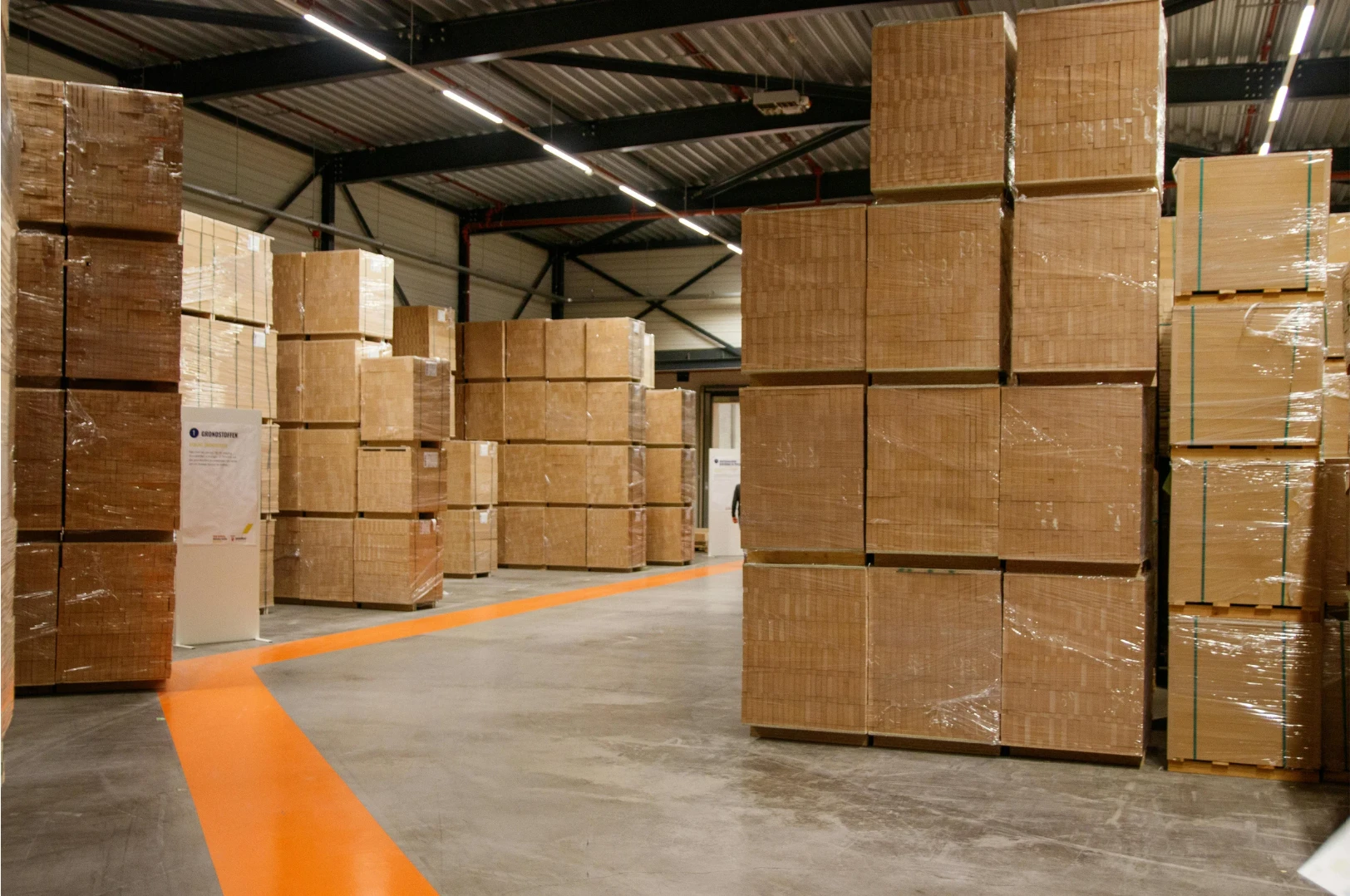
Imagine a business has $30,000 sitting in unsold products.
On the balance sheet, that's an asset.
But that $30,000 can't pay suppliers, rent, salaries, or marketing until the inventory actually turns into cash.
And that's where things get interesting.
A business can have:
→ Strong sales
→ Healthy-looking inventory
→ Positive accounting profit
…and still experience cash pressure.
One simple metric that can help is inventory turnover.
It asks:
“How quickly are we selling and replacing the inventory we hold?”
If inventory keeps growing while sales stay relatively flat, it may be a warning sign.
Maybe you're:
• Buying too much
• Ordering too early
• Carrying products with low demand
• Offering too much variety
• Discounting too late
But there's another side to this.
Too little inventory can also hurt.
Stockouts can mean:
→ Lost sales
→ Unhappy customers
→ Emergency purchasing
→ Higher shipping costs
→ Missed opportunities
So the goal isn't:
“Keep inventory as low as possible.”
It's:
“Keep enough inventory to serve demand without tying up unnecessary cash.”
That's why inventory management isn't just an operations problem.
It's a financial decision.
Every product sitting on a shelf is money that can't be used somewhere else.
💬 If you run a product-based business, which is harder for you to manage: avoiding excess inventory or avoiding stockouts?
0 likes · 0 views · Aug 24, 2026
Inventory can look like an asset while quietly becoming a cash-flow problem. Having more inventory isn't automatically a good thing. Imagine a business has $...


