AI Healthcare App

Rostyslav Fesyk


The next step in the health assistance
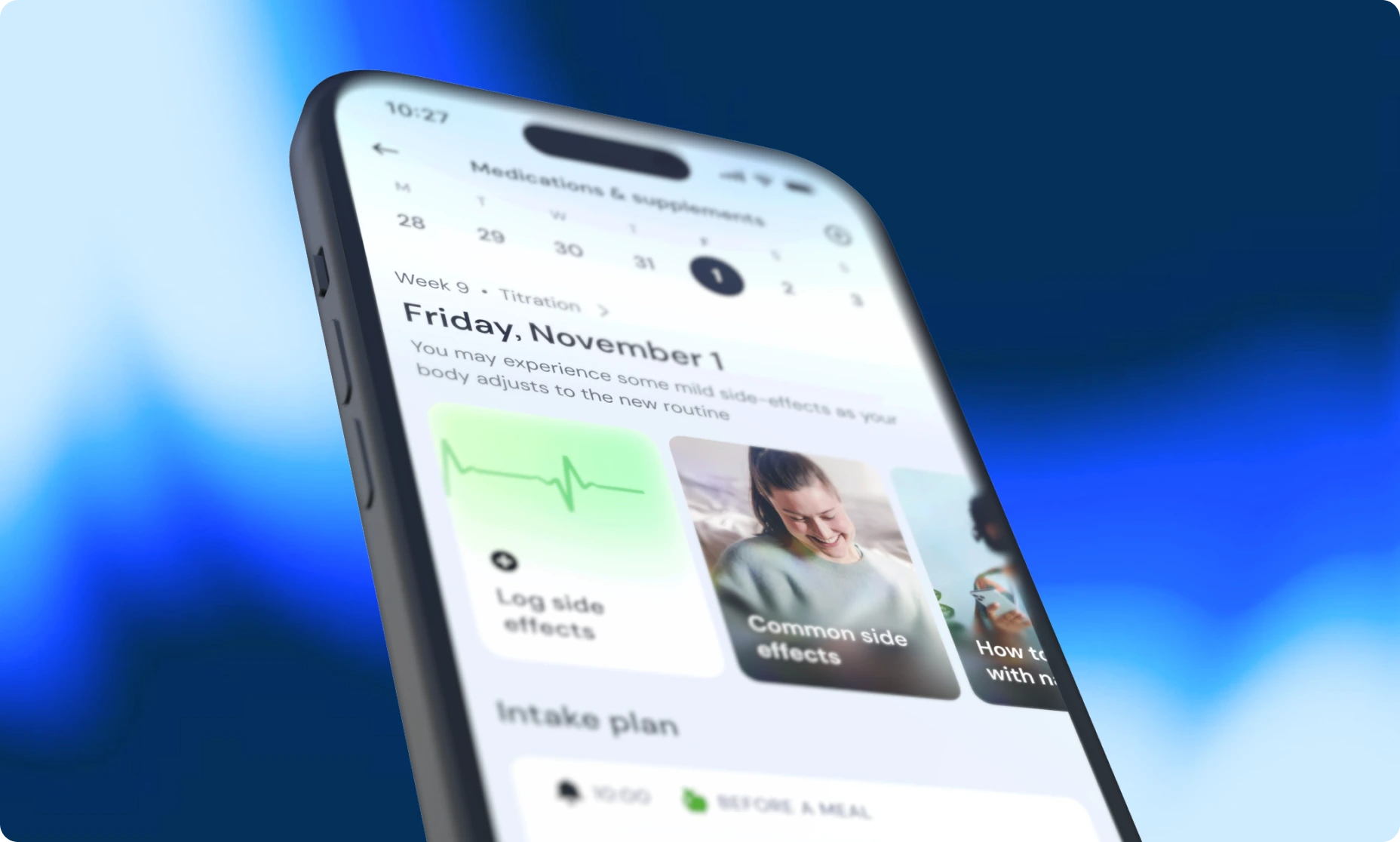
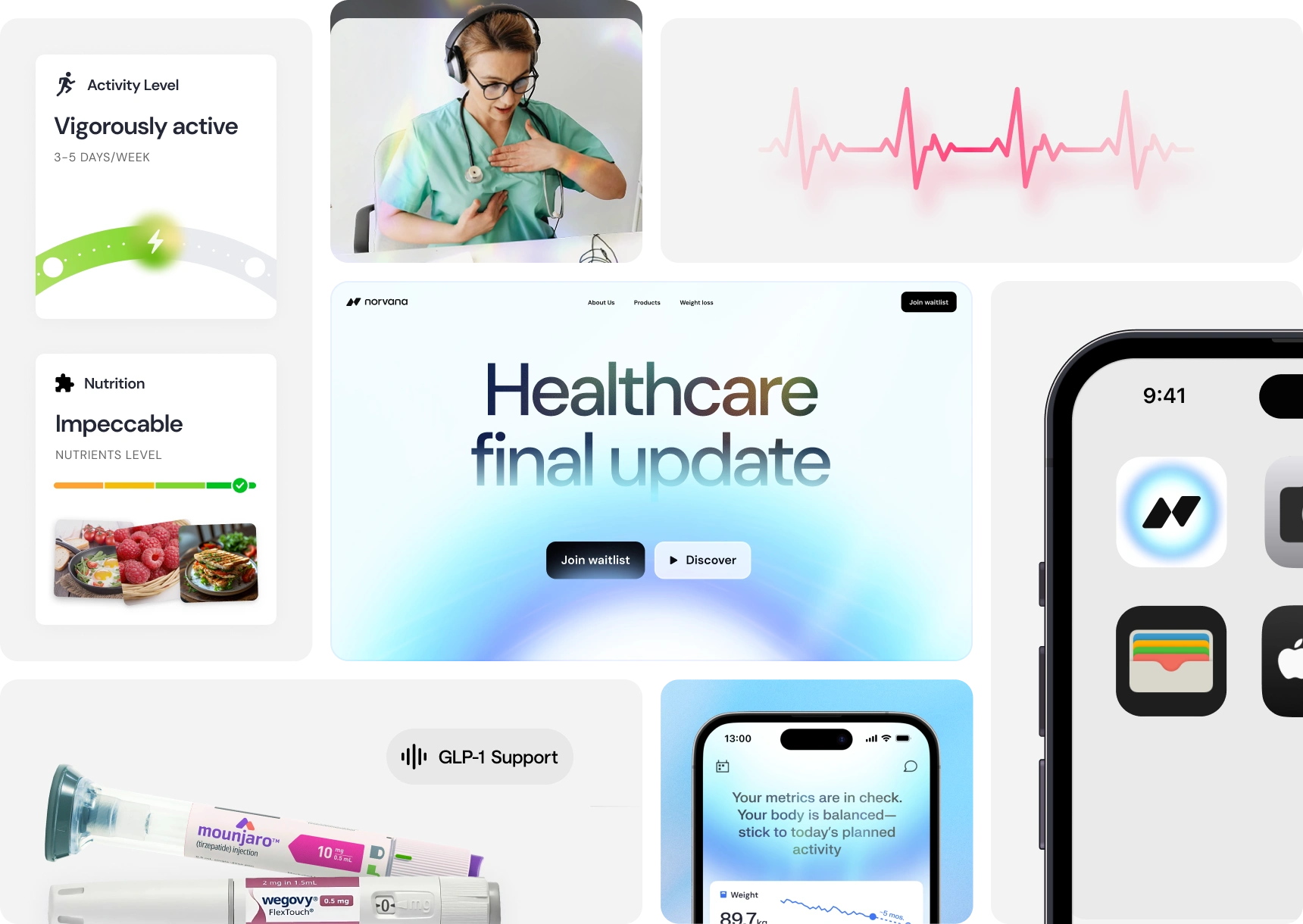
The AI healthcare SuperApp is designed to empower users with advanced technology. It offers continuous health monitoring, predictive analytics, and tailored healthcare solutions for truly personalised care.

Unique design concept
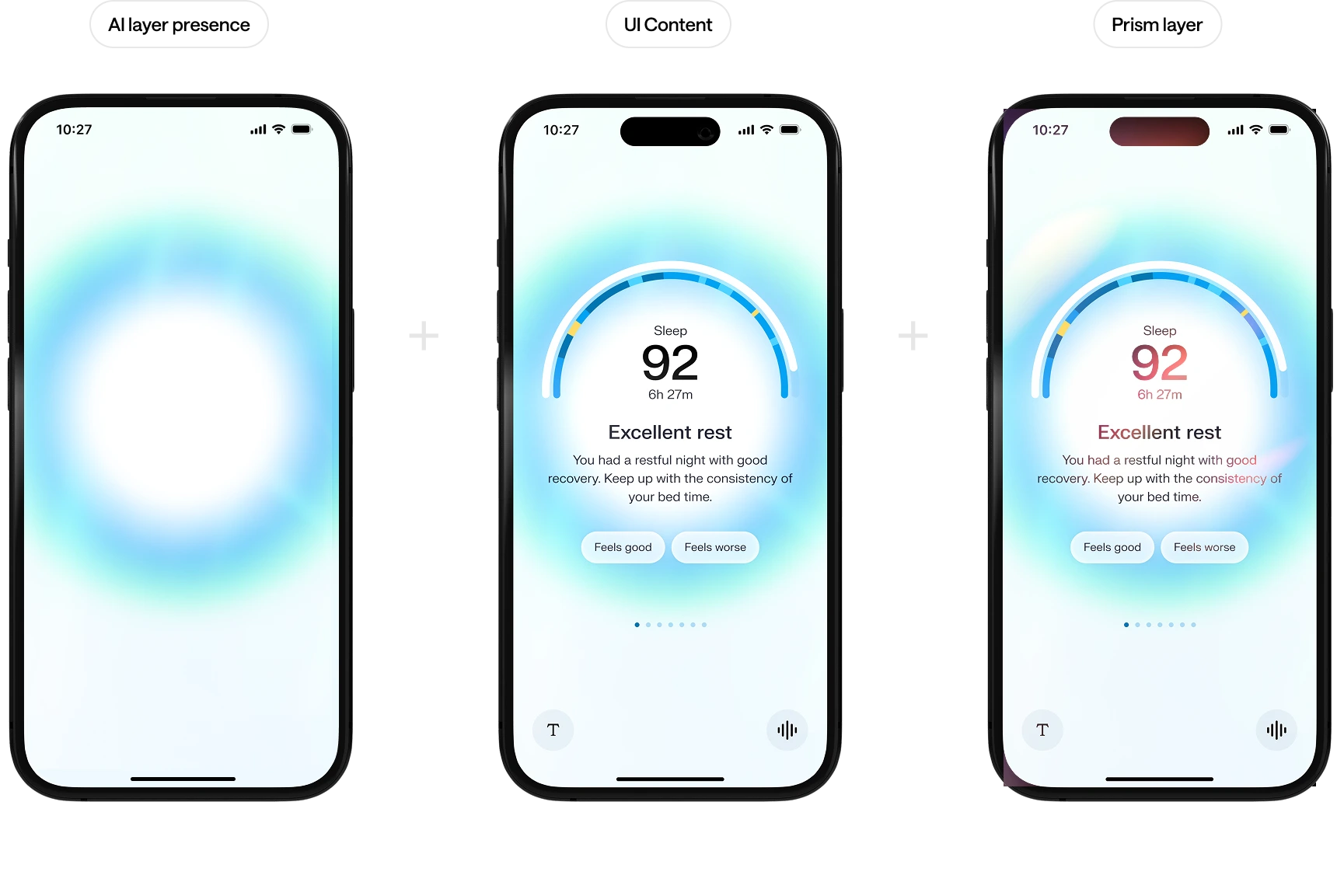
A prism effect is also used as an additional design element. It is typically applied in two ways:
On photos to emphasize the corporate identity.
Within layouts as an element, adding energy and vibrancy.
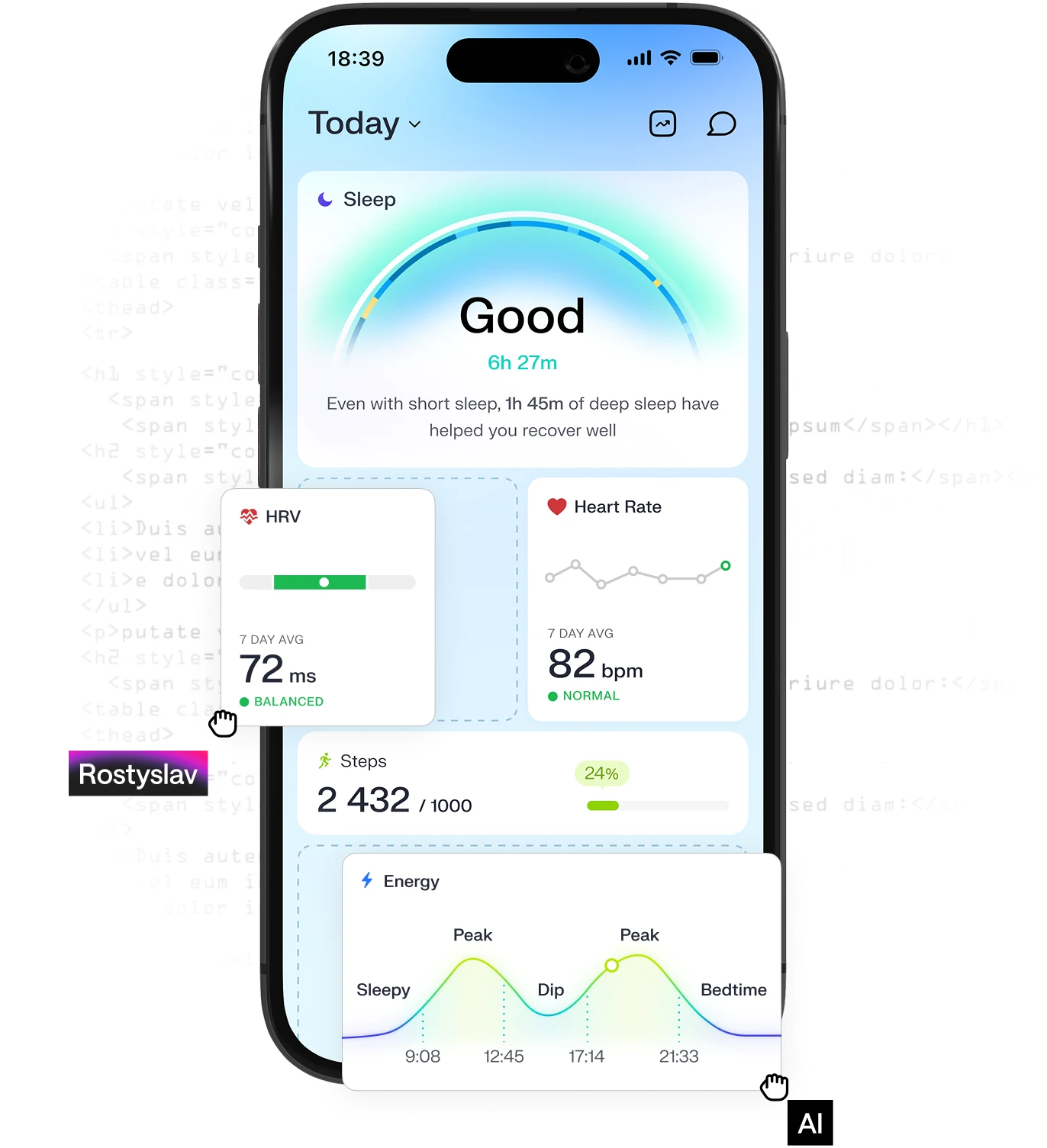
The new world of AI no-code solutions introduced many new insights. Throughout this framework, various apps were tested, including Cursor, Lovable, Replit, Vercel V0, and others, pushing the boundaries of rapid prototyping and development.
This provided a deeper understanding of coding and app development, as it required thinking beyond design, considering databases, login functionalities, and other critical aspects of building living products from scratch.
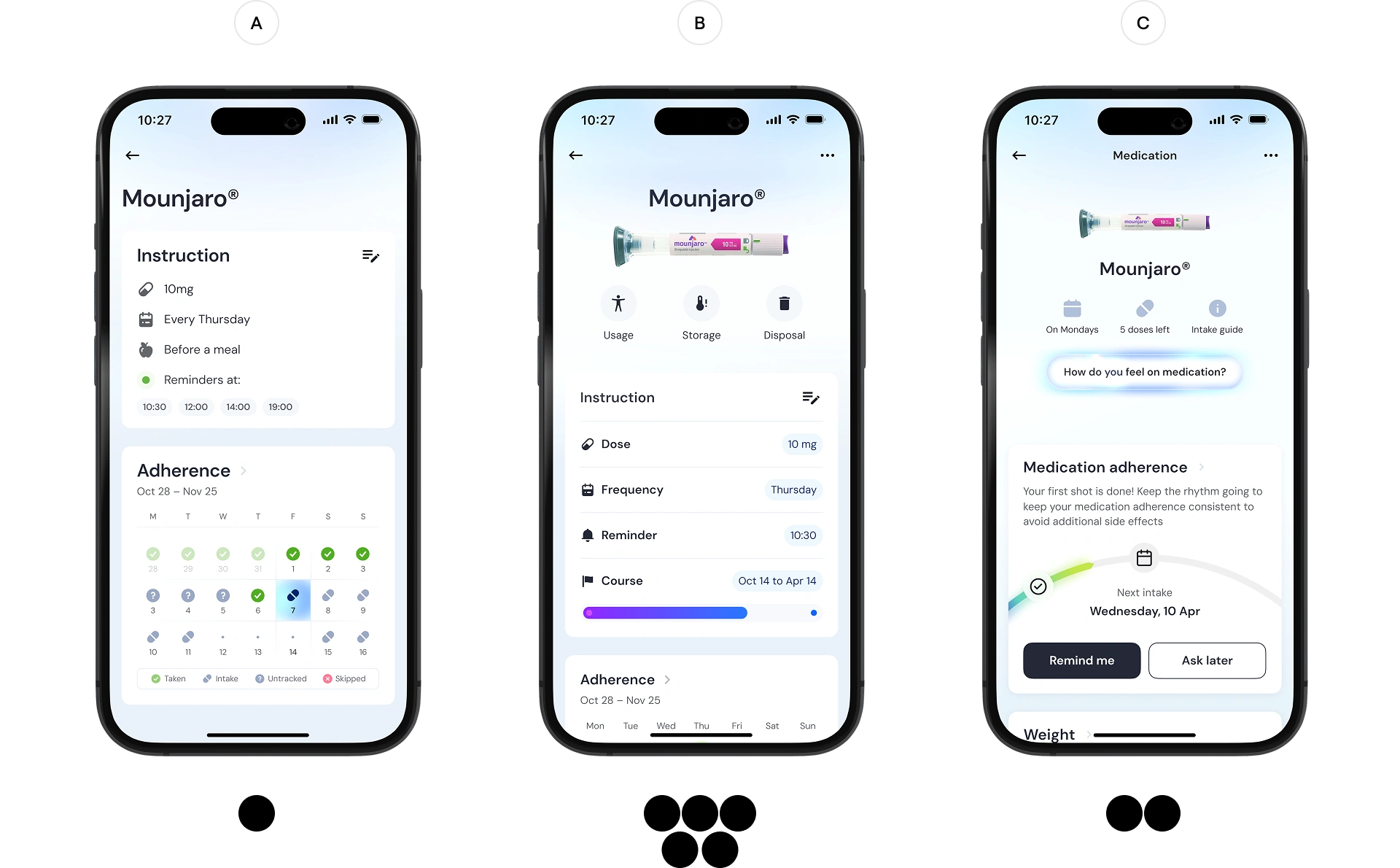
User testing results
Several crucial insights were gained, but the most important lesson was clear- not every cool feature that can be created is actually wanted by users. While innovation is exciting, the risk of overloading a product with seemingly valuable functionalities that don’t align with actual user needs was recognized.
What truly matters is designing with intention, focusing on what enhances the user experience rather than what simply adds complexity. Testing reinforced the importance of prioritization, ensuring that every feature serves a clear purpose.
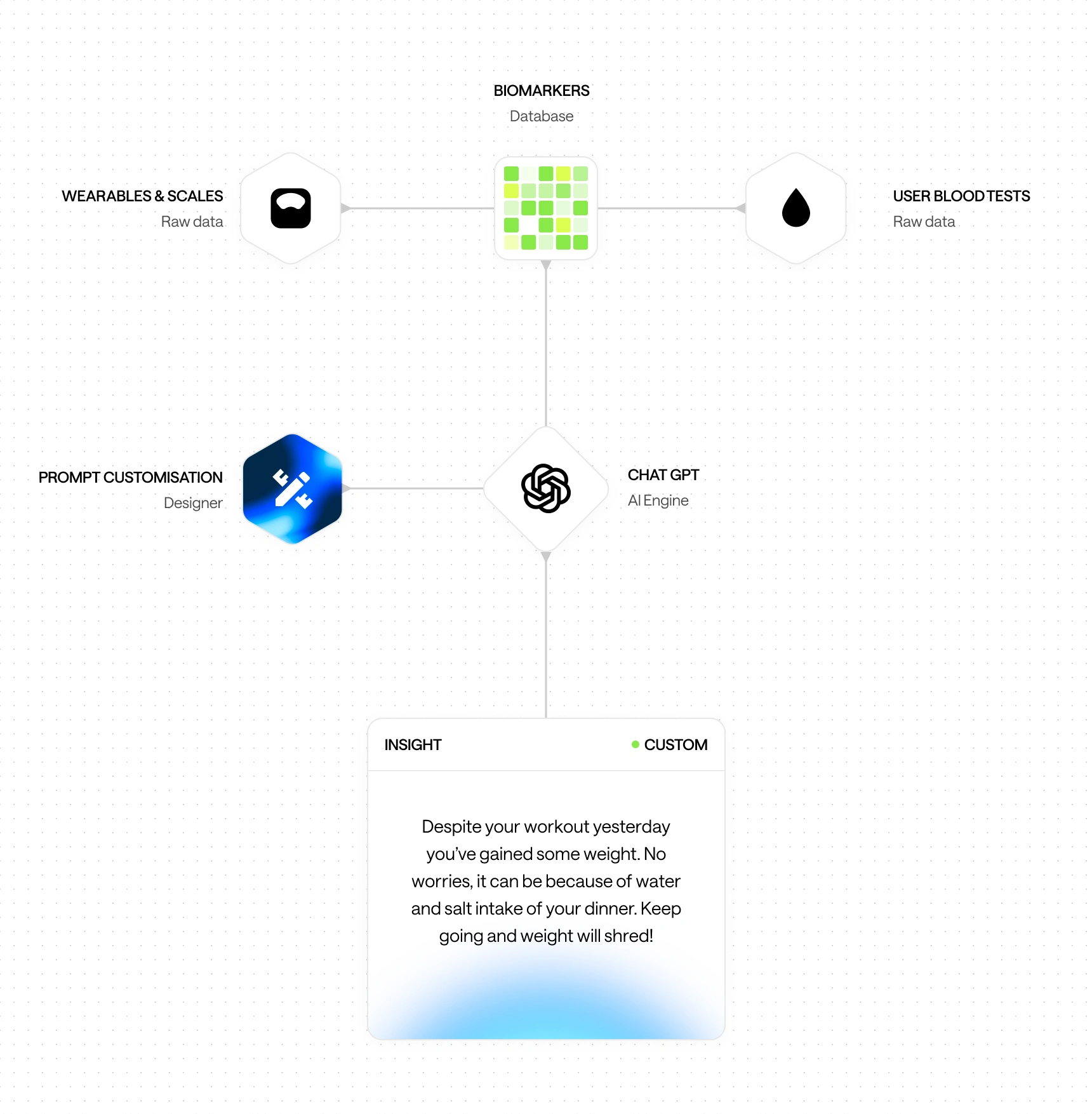
AI prompt training
Prompt training was crucial in refining how Norvana interacts with users. Different prompt structures were iterated on, variations were tested, and responses were analyzed to fine-tune the system, resulting in more context-aware and engaging outputs.
Training the prompts not only improved response quality but also helped shape a more intuitive and human-like AI experience within the product.
AI played a crucial role in optimizing workflows, from refining prompt training for more engaging interactions to leveraging no-code solutions for deeper development insights. Real-time AI-generated prototypes accelerated the design loop, shifting the mindset from static mockups to interactive experiences, ultimately revolutionizing the process.
AI will continue to transform product design and team collaboration, making experiences more adaptive and intelligent. Future design systems will automate usability testing, real-time iteration, and predictive UX enhancements, allowing designers to focus on strategy rather than manual adjustments.
Everything is designed in collaboration with other designers*
Like this project
Posted Aug 5, 2025
Designed an AI healthcare app, focusing on user experience and prompt training.