Work Behind the Inner Canvas

Preeti Sharma
Work Behind the Inner Canvas
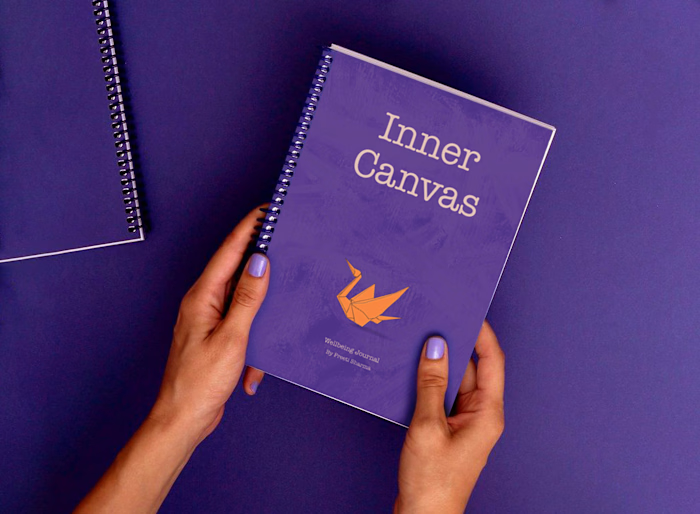
This project started somewhere very personal. I watched two friends struggle with their mental health, and as an Asian immigrant myself, I understood the stigma, the feeling that there was nowhere familiar or safe to turn. That is when my intrest in journalling began and so did Inner Canvas.
Even in 2026, mental health remains a difficult topic in most Asian communities. Research shows that 44.4% of Asians in New Zealand are at risk of depression, yet culturally responsive resources remain limited. Rather than a clinical tool, I wanted to design something warm, familiar, and creatively empowering — a safe and private journaling space, an attempt towards better wellbeing.
Journey
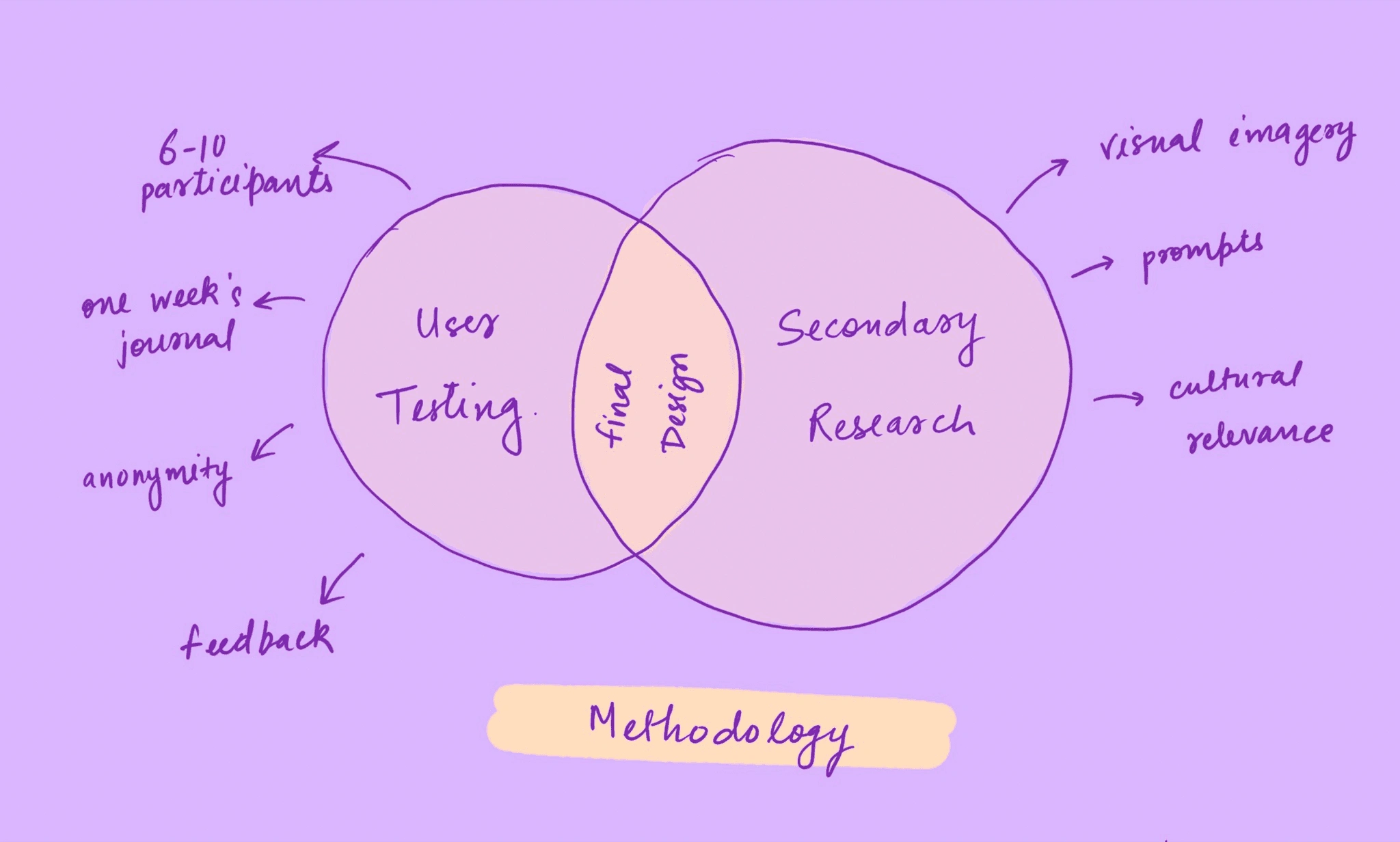
The journey was informed by secondary research into Asian visual traditions, trauma-informed design principles, human-centred design, design psychology, and strength-based language and user testing with 11 young Asians in Aotearoa New Zealand over one week.
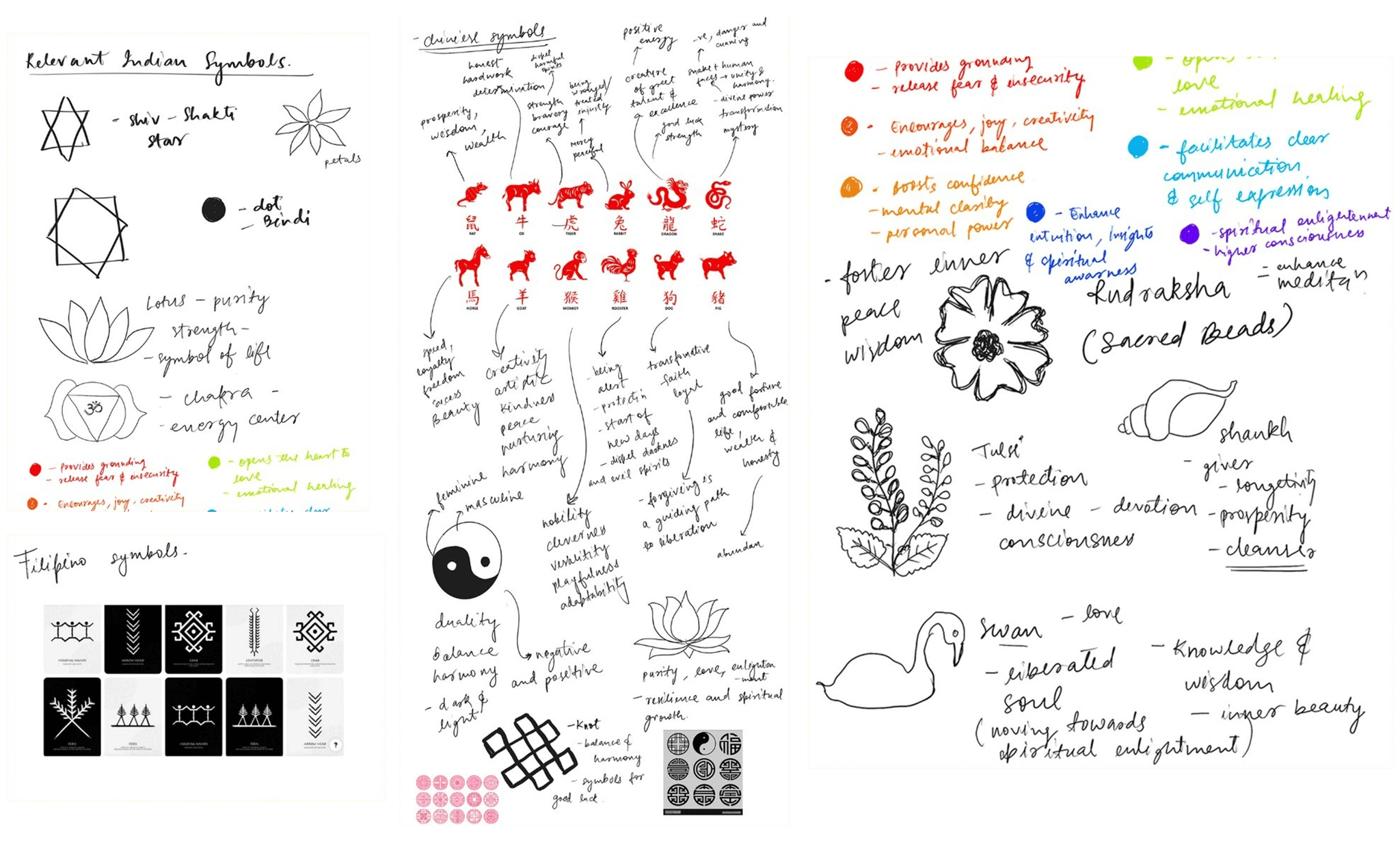
My designs went through many iterations before reaching its final form, especially extensive research into understanding the visual languages of Asian cultures — Indian, Chinese, Filipino, and Korean. Every symbol was chosen for what it carries: the lotus for purity and resilience, the koi for strength and perseverance, the swan for inner wisdom and spiritual growth. The colour palette was equally considered, moving away from high contrast and overstimulating schemes toward soft, earthy, and calming tones inspired by Asian art traditions.
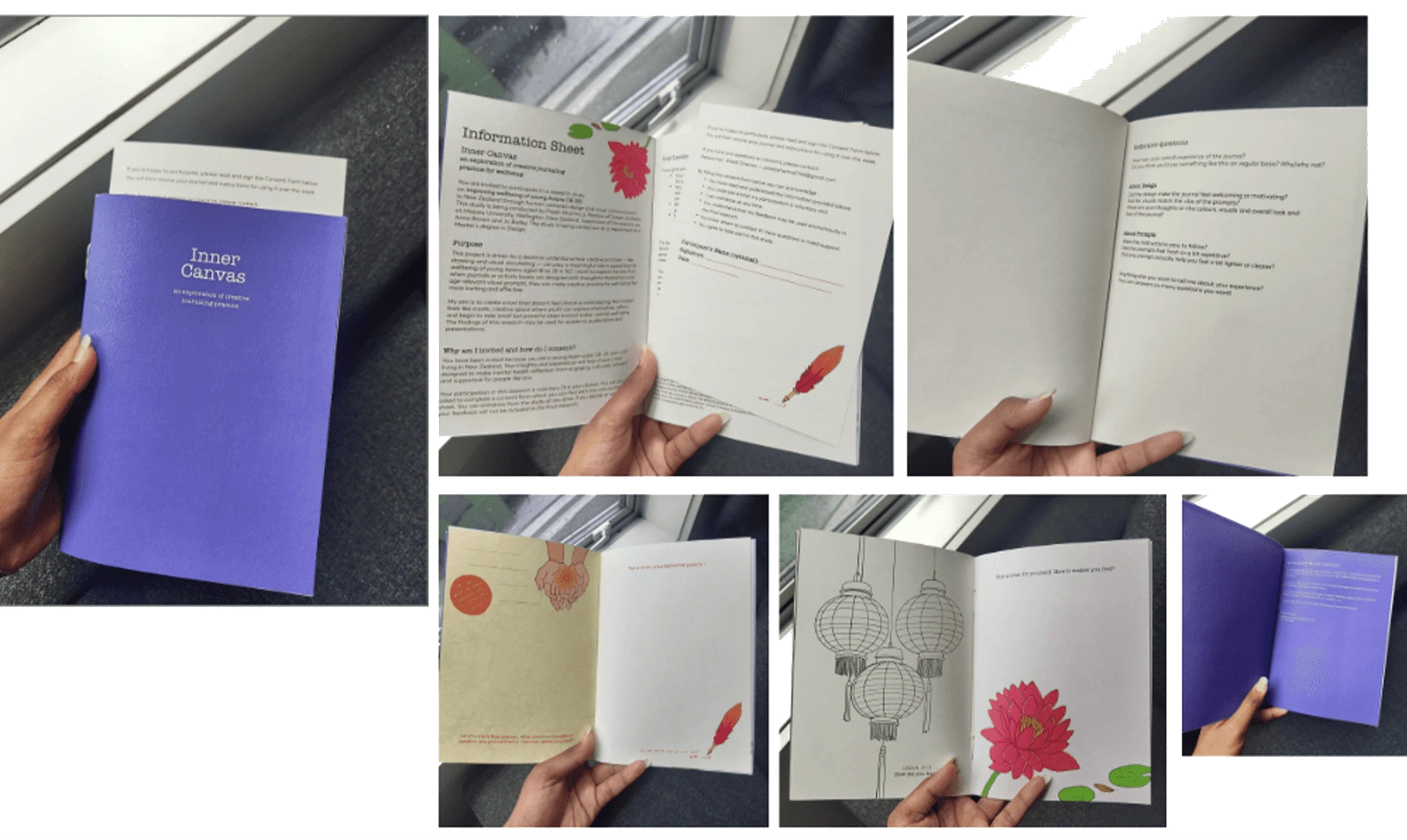
Rather than relying on obvious symbols, the journal was built around layered metaphors that invite personal interpretation and feel different to every person who holds it. One metaphor I designed, "As your pen moves, the weight in your mind turns to blossoms", it visualises journalling as a gentle, healing process, where emotional weight begins to bloom into personal insight and wellbeing. Similarly, a ramen bowl described as a warm hug, small everyday comforts reframed as acts of self-care.

I also cosulted two Asian mental health professionals , Kaz Ng at Massey University Wellington and Aaron at Massey University Auckland. They helped me refine the prompts, understand ethical boundaries, and ensure the journal was grounded in real community needs rather than assumptions.
The journal prototype was tested with 11 young Asians aged 18 to 28, living in Aotearoa New Zealand, over a week. Participants engaged with the journal in their own time and space and provided me the feedback about the overall experience.
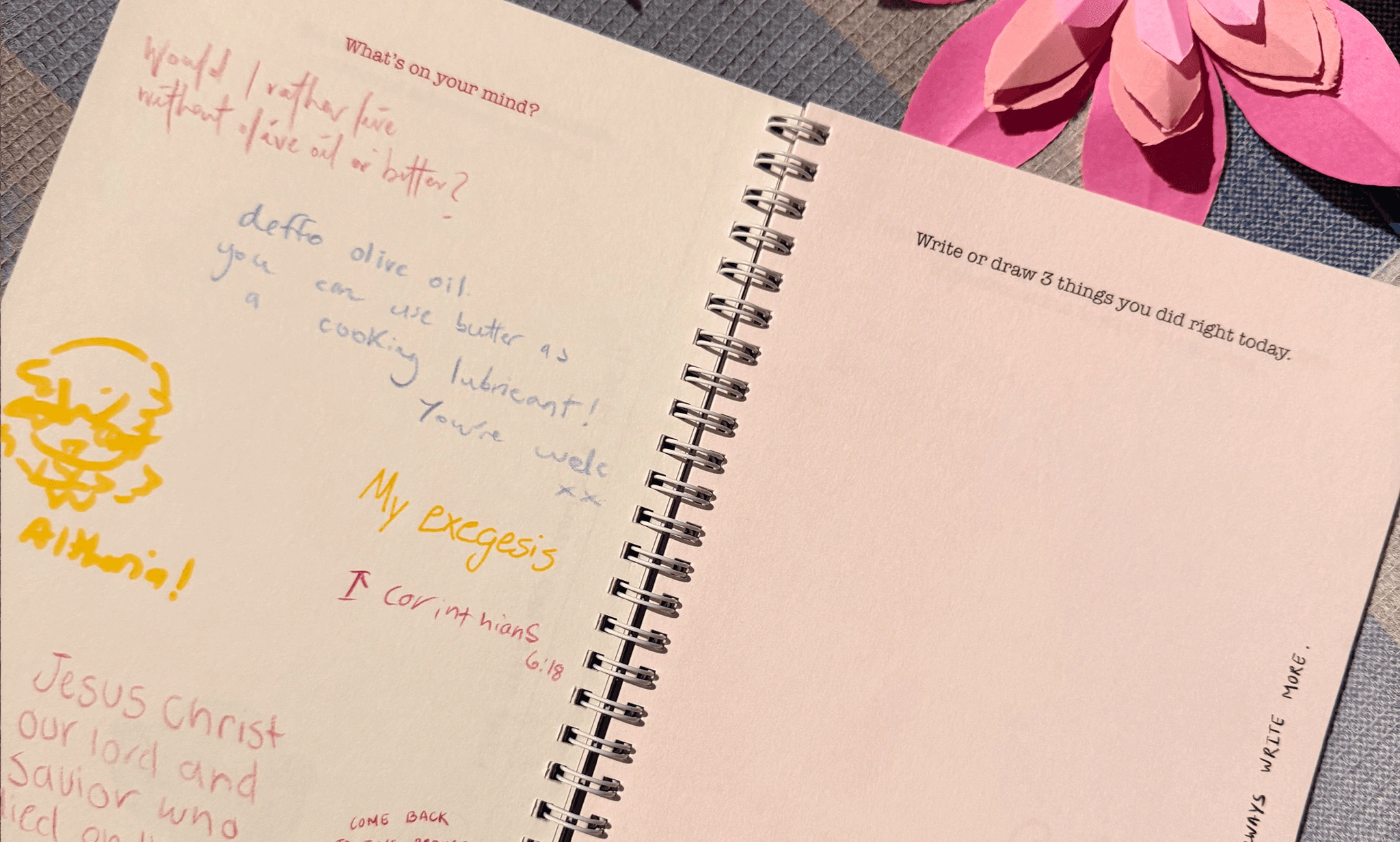
The feedback was genuinely meaningful. Participants consistently described the experience as relaxing, warm, and self-reflective, "a gentle alternative to therapy that felt more accessible than formal mental health support".
One participant said it helped them think more deeply and sort their time a bit more. Another said it helped them track the way they live, because sometimes life goes too fast and we forget to stop and actually enjoy it. One simply rated it 5 out of 5 and creatively stimulating. Several said they did not see the journal as a task, but as an act of self-care. That felt like one of the most meaningful outcomes of this entire project.
What I learned from all of this is that designing for a community is not a one-time process. Even though I have my own cultural experience It still requires ongoing listening, humility, and a genuine willingness to let the community shape the work.
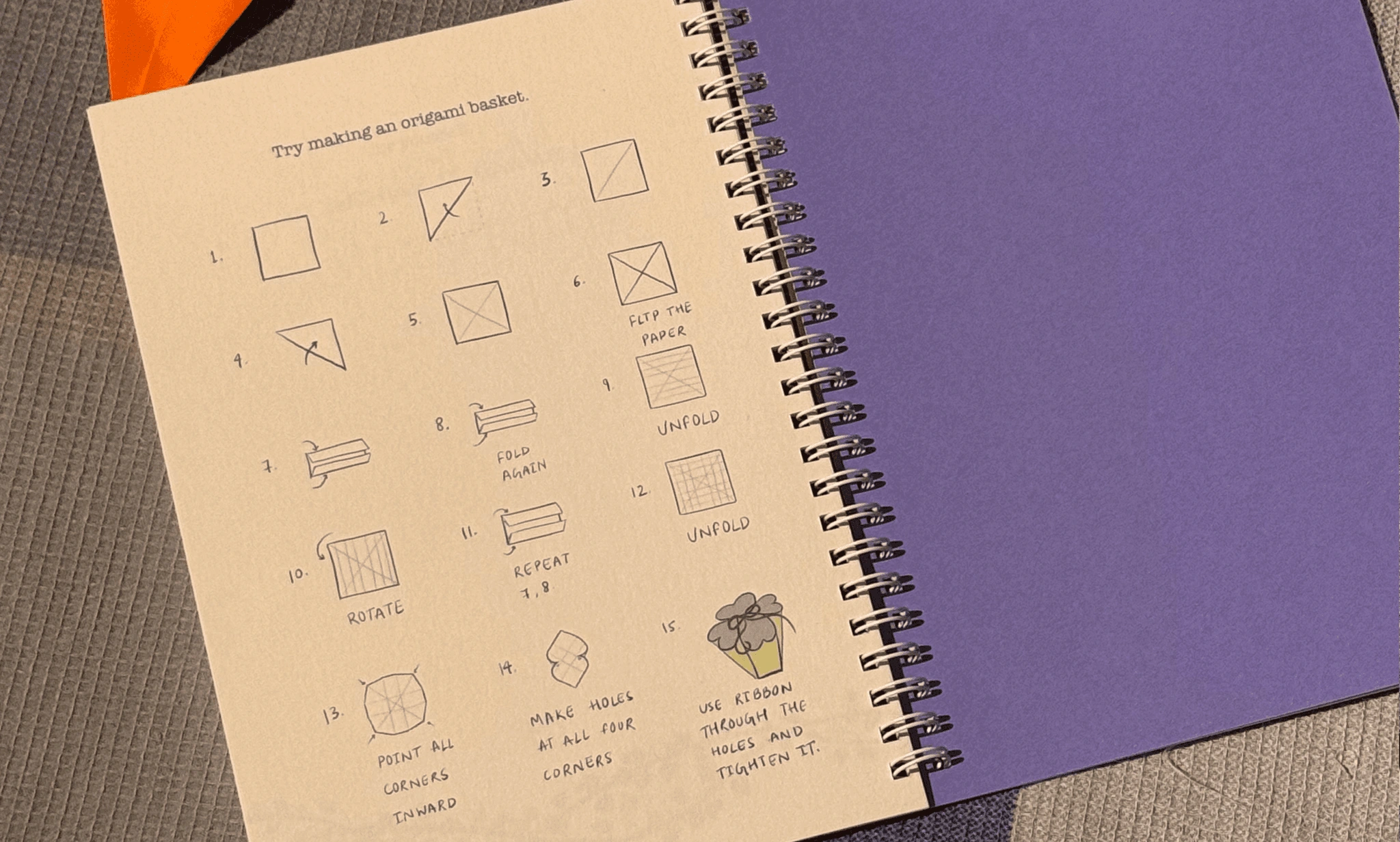
designed
Mar 30, 2026
time
1 year
Like this project
Posted Oct 16, 2026
Process case study describing the research, testing and design iterations behind the Inner Canvas journalling project.
Likes
0
Views
0
Tags